

Some things matter more than college rankings, even though UCLA is No. 1
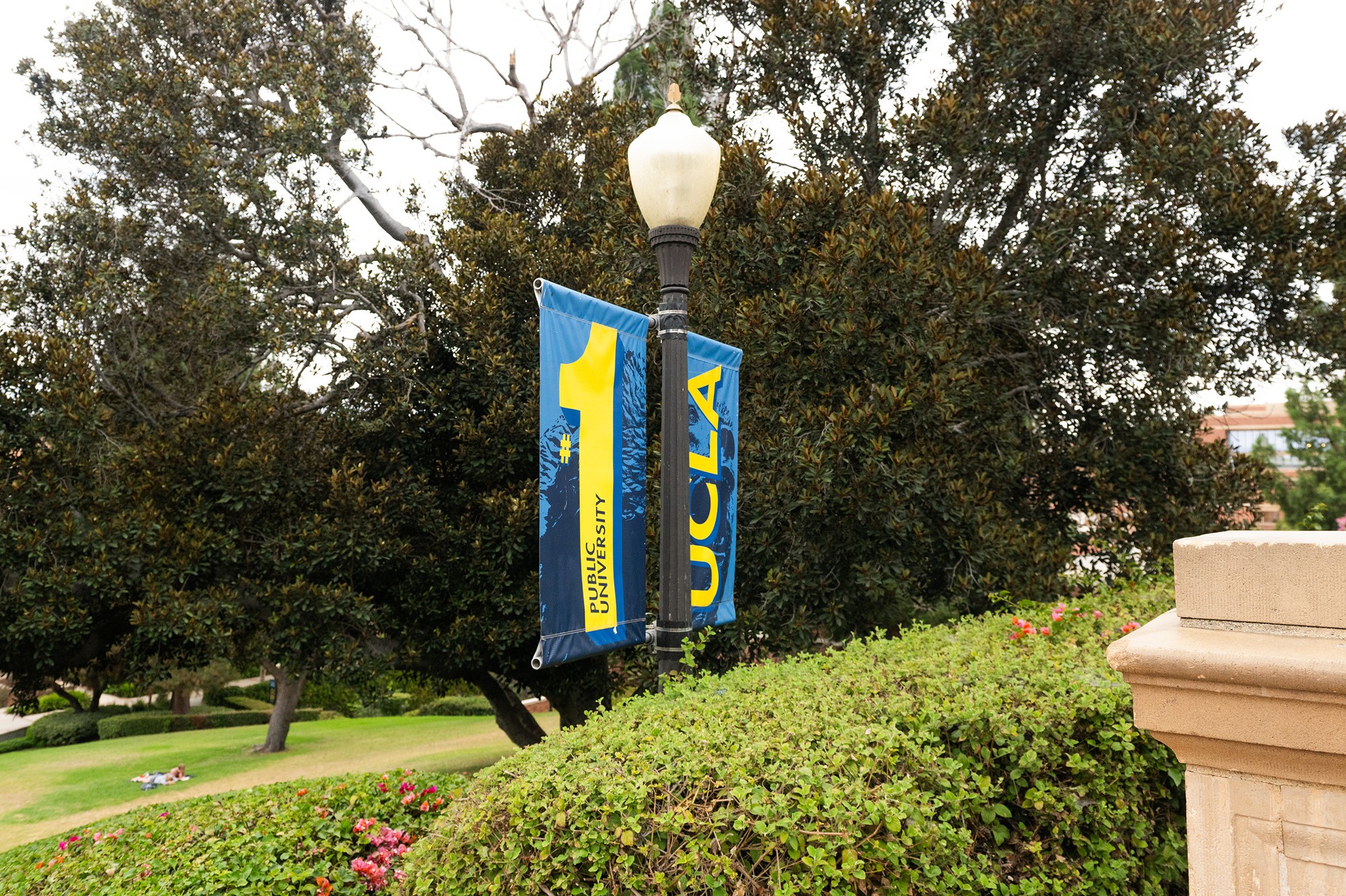
A No. 1 public university banner is pictured. Columnist Lily Rubalcava argues that prospective students should consider more than just rankings when deciding where to attend college. (Crystal Tompkins/Daily Bruin senior staff)

By Lily Rubalcava
Nov. 28, 2026 10:12 p.m.
Valedictorians, class presidents and varsity captains are often drawn to the prestige of the country’s top schools. But next fall, high school students applying to college should prioritize their comfort and happiness above apparent prestige.
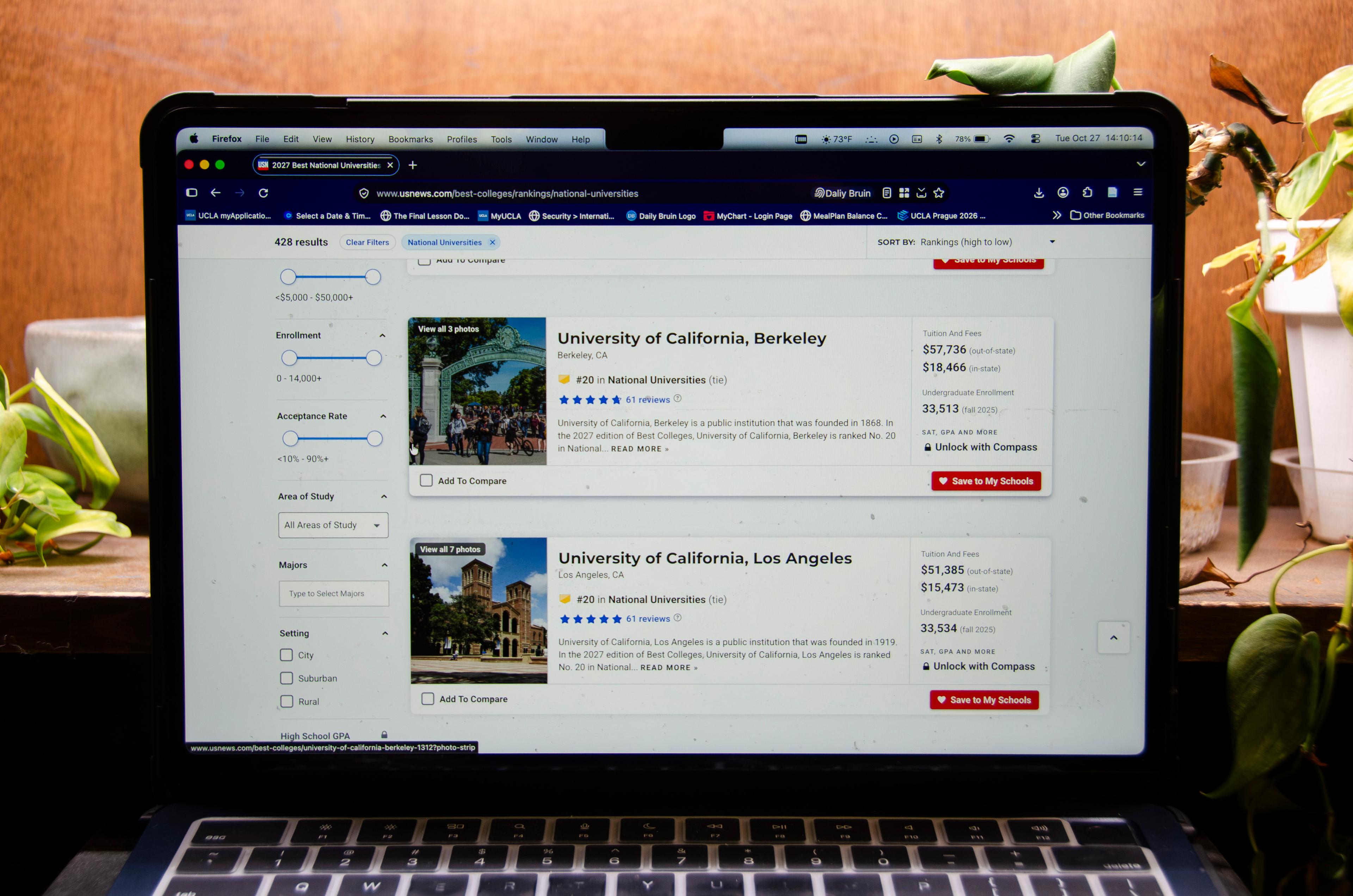
College rankings are a big deal. For prospective students, rank is one of the major factors that goes into choosing where to apply.
[Related: UCLA regains No.1 spot in U.S. News & World Report public universities ranking]
A college’s rank is often viewed as a reflection of its quality. However, a high ranking does not necessarily indicate a perfect school – a school that’s ranked highest may be far from what’s best for a given student.
There are many measurements that contribute to a ranking. U.S. News and World Report’s college rankings weigh bachelor’s degree graduation rates as the most important factor in determining rank for universities that don’t consider SAT or ACT, at 21%. Other top categories include peer assessment of school quality, the ratio between predicted versus actual graduation rates for first-year students and graduation rates for Pell grant recipients.
What stands out is how few non-academic factors these rankings take into consideration. While college is primarily an educational environment, it is also one where students learn to live and grow socially.
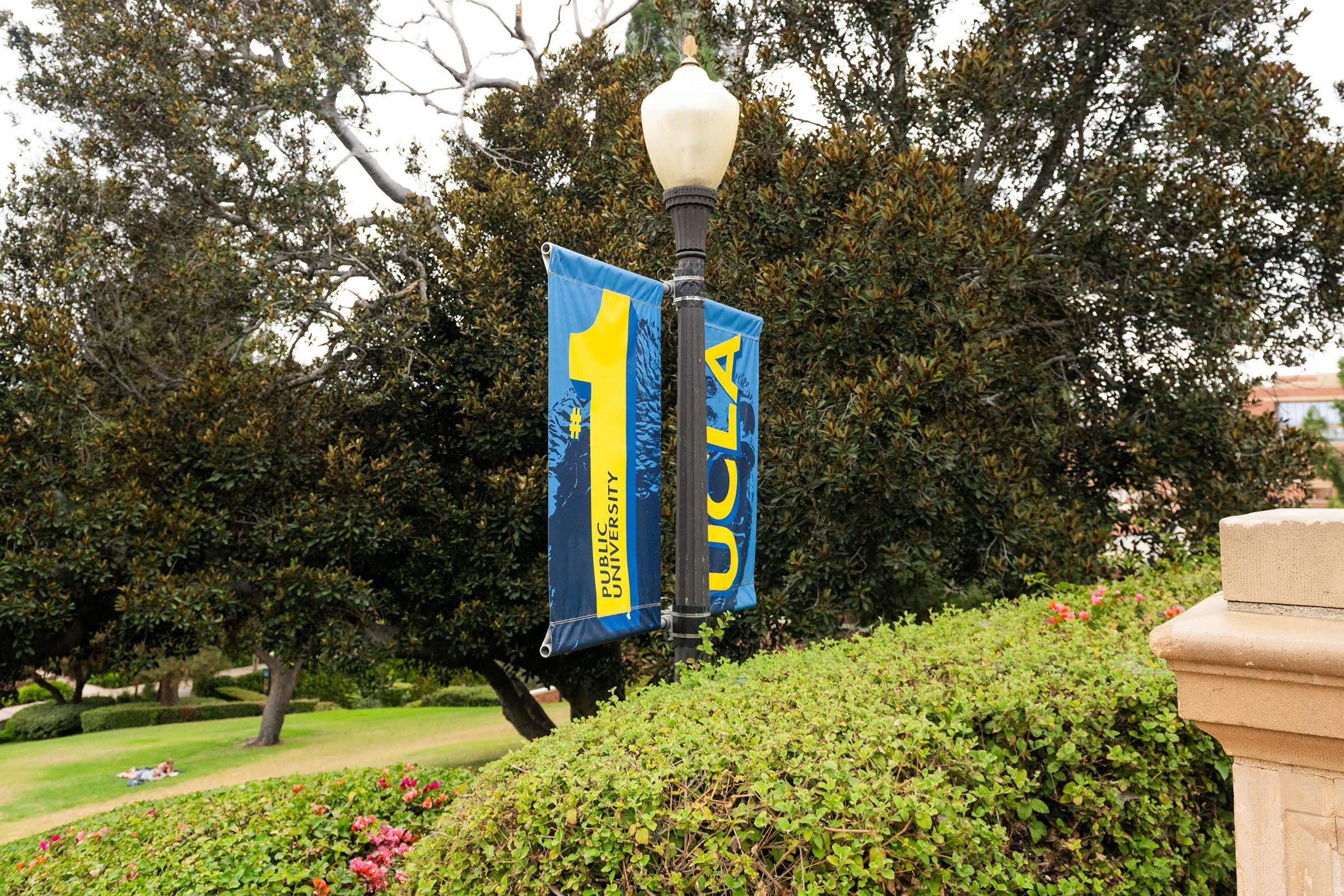
UCLA certainly knows how to flaunt its status as the No. 1 public university. Whether it’s the “#1” banners lining Bruin Walk or the matching profile picture on UCLA’s Instagram, the university ensures that community members don’t forget its top-tier ranking.
“You could be at the No. 1 spot, but that doesn’t tell the whole story of the university, and there can be a lot of other things that other lower-ranked schools could offer that UCLA doesn’t,” said Yaneli Hernandez, a second-year human biology and society student.
For example, one factor students should consider besides rankings are a university’s location and surrounding city, said Annabella Sosa, a second-year anthropology student.
A college’s surrounding city is a place for to immerse themselves in a different culture and meet people outside of their high school bubbles. It’s just one example of a factor that makes a college experience but isn’t often captured by rankings.
In addition, the emphasis on college rankings may promote elitism and unnecessary competition among high school students. Resentment often grows between peers during college admissions season as they compete to gain entry into highly selective schools. The pressure to get into the “best” institution can unnecessarily burden young students.
“It was the most evil time to be talking to anyone,” Sosa said. “Some people tended (to) almost look down on others based on where they were going.”
Rankings can still be useful in some circumstances. Using those from organizations like U.S. News and World Report, students can carefully craft a list of their target, reach and safety schools to properly gauge their admissions expectations. It can also be useful to refer to them when considering which colleges will provide the most research opportunities or career support.
UCLA’s top public school ranking does reflect the institution because of the support it provides to students, said first-year political science student Kennedy Ewing-Chow.
While college rankings can be a great indicator of academic resources and opportunities, they should not overshadow the importance of social opportunities and personal fit. The right professors and research can provide great opportunities, but it’s still important to consider how an environment – especially a stressful one – will impact students’ mental health and general happiness.
College rankings don’t tell the full story. High school seniors must look beyond them to unlock their best college experiences.