


California
Nov. 10, 2026 7:18 p.m.
Gov. Gavin Newsom gives a speech. He signed his final set of laws as California’s governor in September. (Andrew Ramiro Diaz/Photo editor)
Gov. Gavin Newsom signed his final bill Sept. 30, capping a term of 1,040 approvals and 120 vetoes.
Newsom will leave office in January after being California’s governor for eight years.
By Alyson Jeong

California
Oct. 31, 2026 8:54 p.m.With the Nov. 3 midterm elections approaching, UCLA’s undergraduate student government is working to help students understand their ballots, register to vote and access voting resources.
By Nicholas Mouchawar

Higher Education
Oct. 29, 2026 6:22 p.m.How do university rankings influence prospective students?
Students in all stages of education use college rankings to choose which institution to attend.
Multiple websites publish rankings of the over 3,700 degree-granting institutions in the United States.
By Rori Anderson

California
Oct. 28, 2026 10:45 p.m.Will Proposition 38’s $8.4B bond help or harm research?
This post was updated Nov. 2 at 11:15 a.m.
An $8.4 billion bond for immunology and immunotherapy research will appear on the November ballot.
Proposition 38, if passed, would allocate half of the bond proceeds to one UC-affiliated nonprofit research institute selected by the California Department of Public Health.
By Emilio Lois

California
Oct. 28, 2026 9:21 p.m.A new governor will lead California. What does that mean for the UC’s funding?
This post was updated Oct. 29 at 11:04 p.m.
California’s next governor will inherit a public higher education system facing rising costs, increased student living expenses and federal funding uncertainties.
By Riley Johnson
Higher Education
Oct. 27, 2026 10:22 p.m.UCLA student groups call for more survivor resources, Title IX reforms across UC
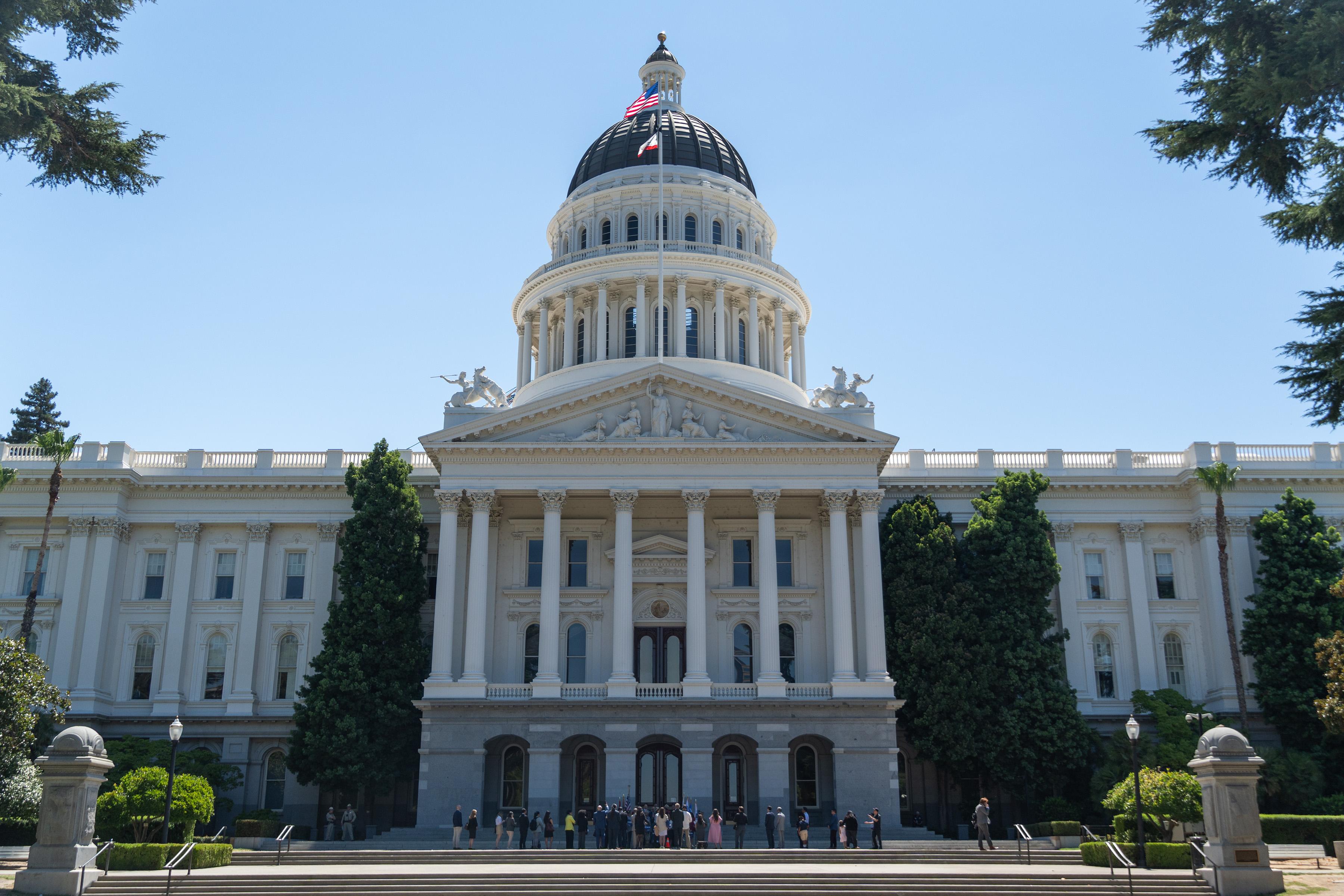
The UC system’s primary confidential resource for survivors of sexual violence has an average of one professional advocate for every 12,000 students.
Campus Advocacy Resources & Education is the most trusted campus resource by survivors, according to a 2026 report by Survivors + Allies, a student-led organization that advocates for survivors of sexual violence.
By Sophia Pu
Academics
Oct. 22, 2026 6:36 p.m.Grades in introductory math classes are declining across the UC, data shows
This post was updated Oct. 22 at 11:06 p.m.
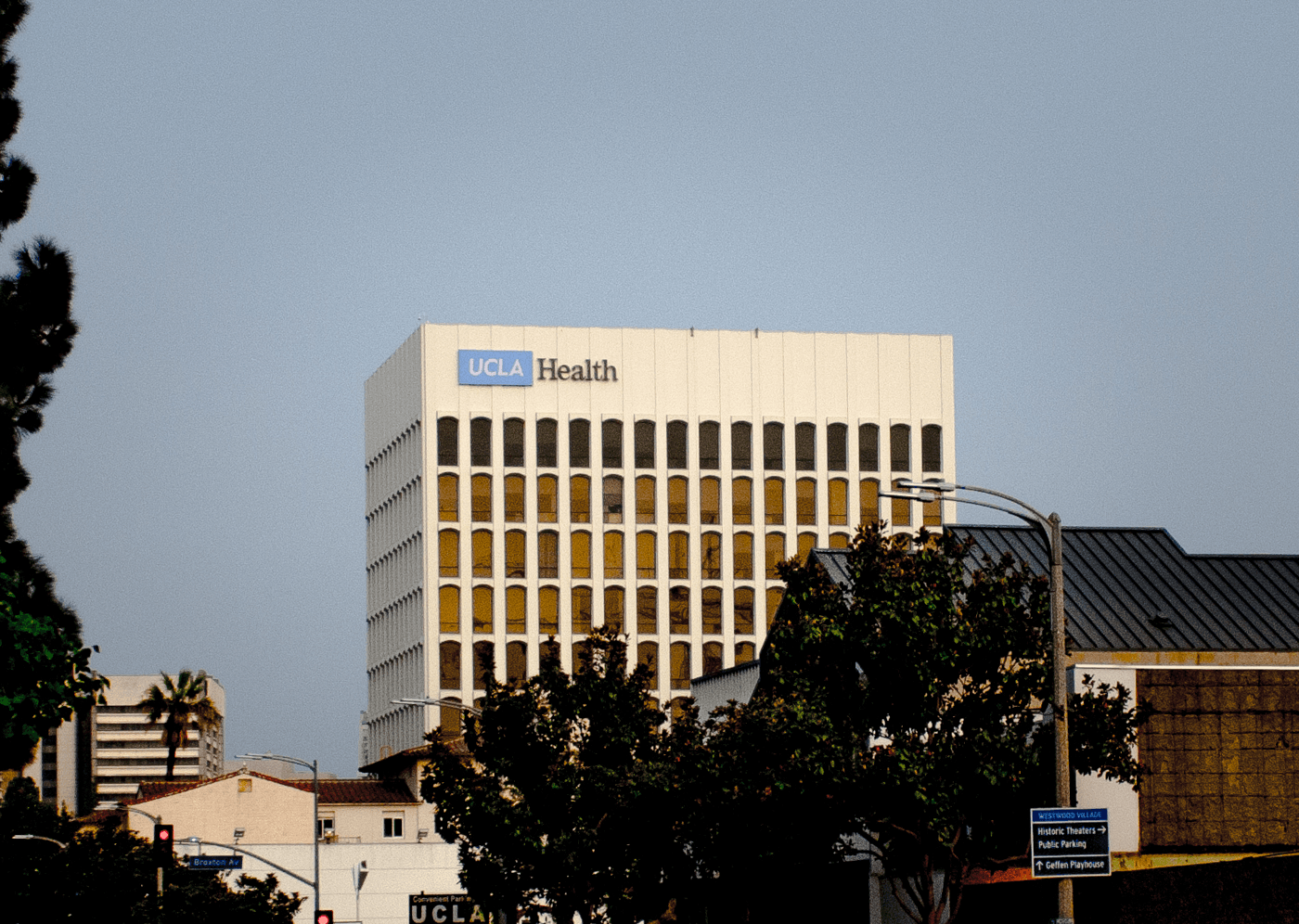
UCLA students’ grades in introductory math classes have decreased significantly over the past five years, according to data from the UC Board of Regents Academic and Student Affairs Committee.
By Alexis Muchnik
California
Oct. 17, 2026 9:15 p.m.California public college students now automatically meet some CalFresh requirements
This post was updated Oct. 18 at 11:09 p.m.
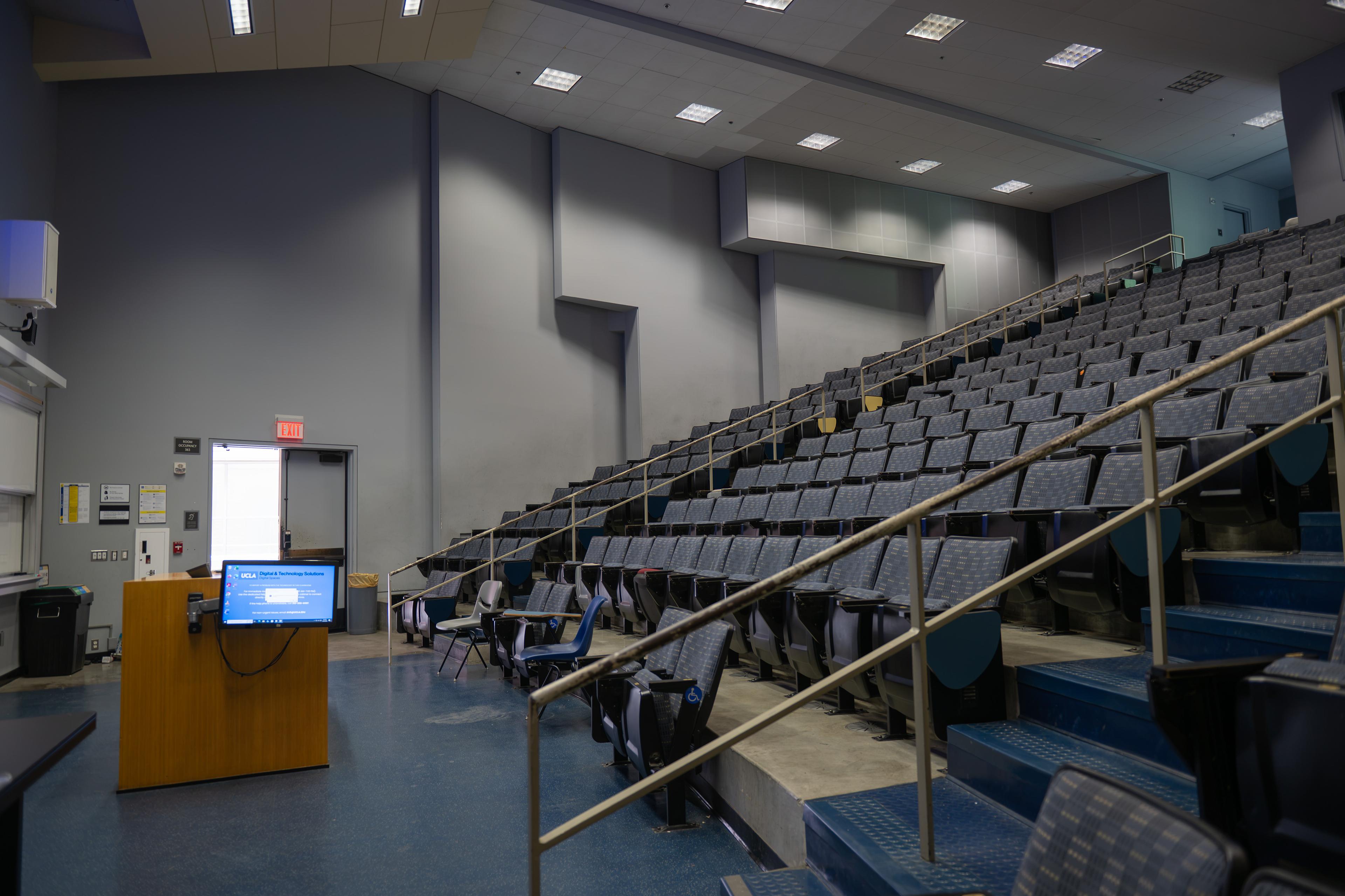
All public undergraduate college students in California now automatically pass the first barrier to applying to CalFresh, giving more than 200,000 additional students access to the food assistance program.
By Barnett Salle-Widelock
Higher Education
Oct. 13, 2026 4:55 p.m.DHS looks to charge $70K fee for international student work authorization
This post was updated Oct. 13 at 9:54 p.m.
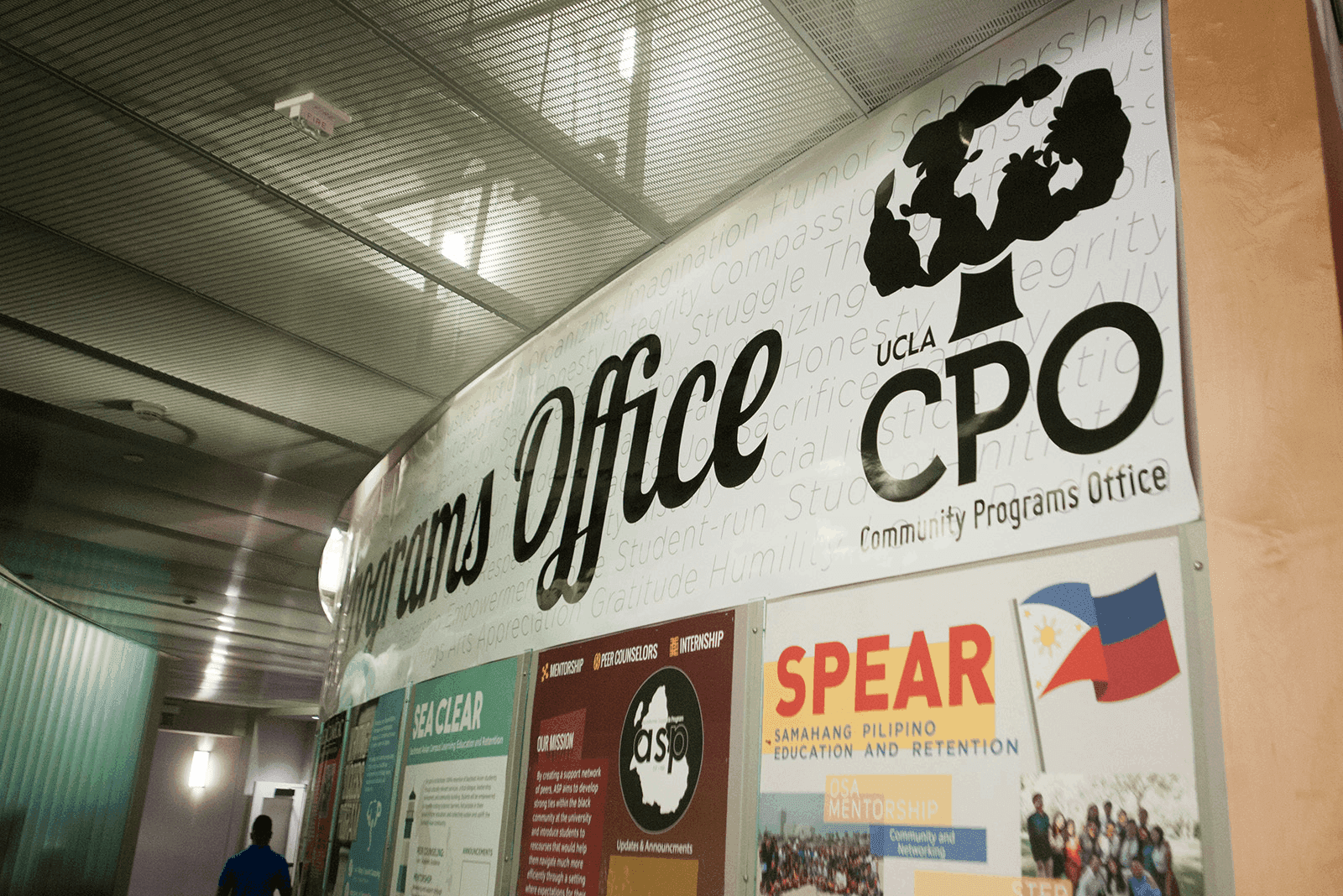
The Trump administration is looking to charge a $70,000 fee for international students who want to work in the United States – a move the UC said could make the program inaccessible.
By Alexis Muchnik



searching for more articles...