Opinion: College sports’ unregulated NIL system trades culture for money
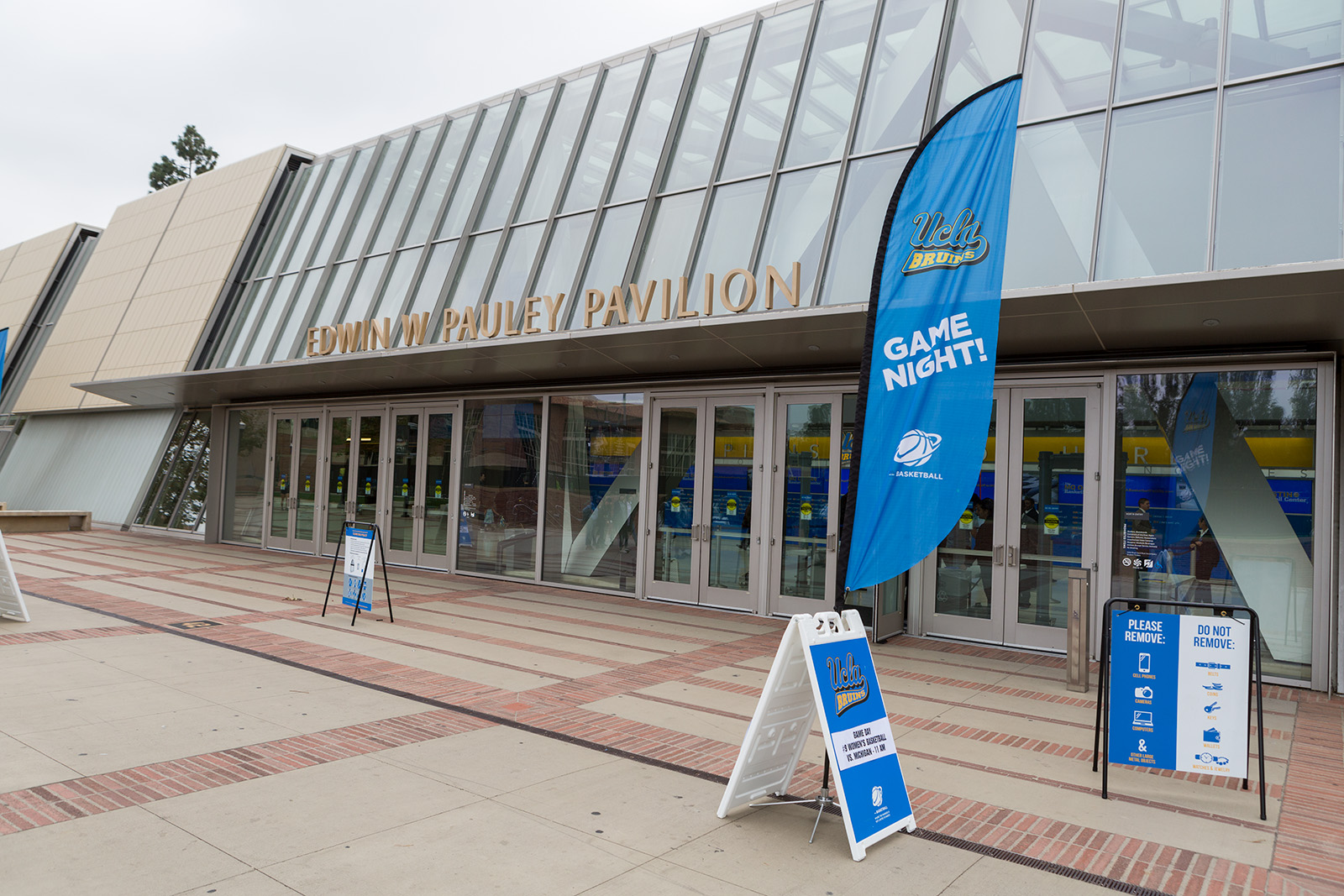
Pauley Pavilion is pictured above. Columnist Tenley Hill argues unregulated name, image and likeness deals create a college sports culture centered around money. (Daily Bruin file photo)

By Tenley Hill
May 14, 2026 11:43 a.m.
This post was updated May 25 at 8:59 p.m.
Nico Iamaleava’s college football career lasted less than two seasons before it became a case study in the changing landscape of collegiate athletics.
His exit from Tennessee and quarterback Joey Aguilar’s departure from UCLA looked more like an NFL trade than a college recruiting decision.
This type of movement isn’t isolated. College sports are rapidly transitioning toward a system in which players move through the market like professionals.
The adoption of rules that allow athletes to profit off their name, image and likeness has largely driven this shift. Implemented in 2021, NIL corrected a long-standing imbalance in college sports by finally compensating athletes for the commercial use of their personal brand.
NIL is a necessary correction that allows athletes to capitalize on the value they bring to their schools. But its lack of proper regulation is pushing collegiate sports toward a system defined by money-driven recruiting rather than by culture and player development.
Erin Adkins, the executive senior associate athletics director and chief strategy officer at UCLA, said NIL now operates in two buckets.
The first is institutional revenue sharing in which athletic departments directly distribute funding to athletes. The second consists of third-party NIL deals, which are individually negotiated agreements between student athletes and external entities, such as brands, businesses or other outside organizations.
“Prior to 2021, if our student-athletes wanted to even just build a clothing brand with their name, they couldn’t even do that,” Adkins said. “They couldn’t even build their own business, because at any time, they couldn’t monetize their name.”
But compensation has become a form of recruiting leverage. Athletes are no longer just considering a program – they’re considering a salary. As players chase larger deals, NIL has also accelerated their movement between programs, turning the transfer portal into an extension of the recruiting market.
“Let’s say you want to go to Stanford. Great school, great education, great history, legacy, the whole nine. But now if they’re … not paying the amount of money another school is, then all the stuff that sounds appealing about Stanford is probably not as appealing,” said Doug Hendrickson, executive vice president of football at The Team, a sports and entertainment agency formerly known as Wasserman.
Financial incentives are difficult to ignore, but they have also intensified concerns about what college athletics is becoming. As NIL grows more intertwined with recruiting and retention, the line between amateur and professional sports continues to blur.
“People are just chasing the money instead of choosing a school that really aligns with their values and is going to give them a degree that’s going to set them up for the rest of their life,” said third-year UCLA gymnast Katelyn Rosen. “I think we’ve seen a devalue in culture.”
Athletes are now transferring at unprecedented rates, with some spreading their undergraduate careers across three or four universities.
As movement across programs grows more common, relationships with coaches, teammates and institutions become increasingly temporary. NIL has pushed student-athletes who cannot earn opportunities at a certain university to go seek them elsewhere.
That growing sense of impermanence raises broader questions about what it actually means to be a college athlete.
“A lot of that is getting lost right now,” Hendrickson said. “Being a college student, keeping your feet on the ground, enjoying where you’re at, getting a degree. … I think these kids are missing out on that.”
NIL has provided athletes with more freedom and financial opportunities, but it has also intensified the tug-of-war between expanding those benefits and preserving the chemistry and culture traditionally associated with college sports.
The question is not whether athletes deserve to be paid, but if the NCAA can create a system that rewards athletes without turning every program into a revolving door.