PCOS is now PMOS. What does this mean for the condition?
(Kirsten Matsumoto/Daily Bruin)

By Sophie Acker
June 6, 2026 10:44 p.m.
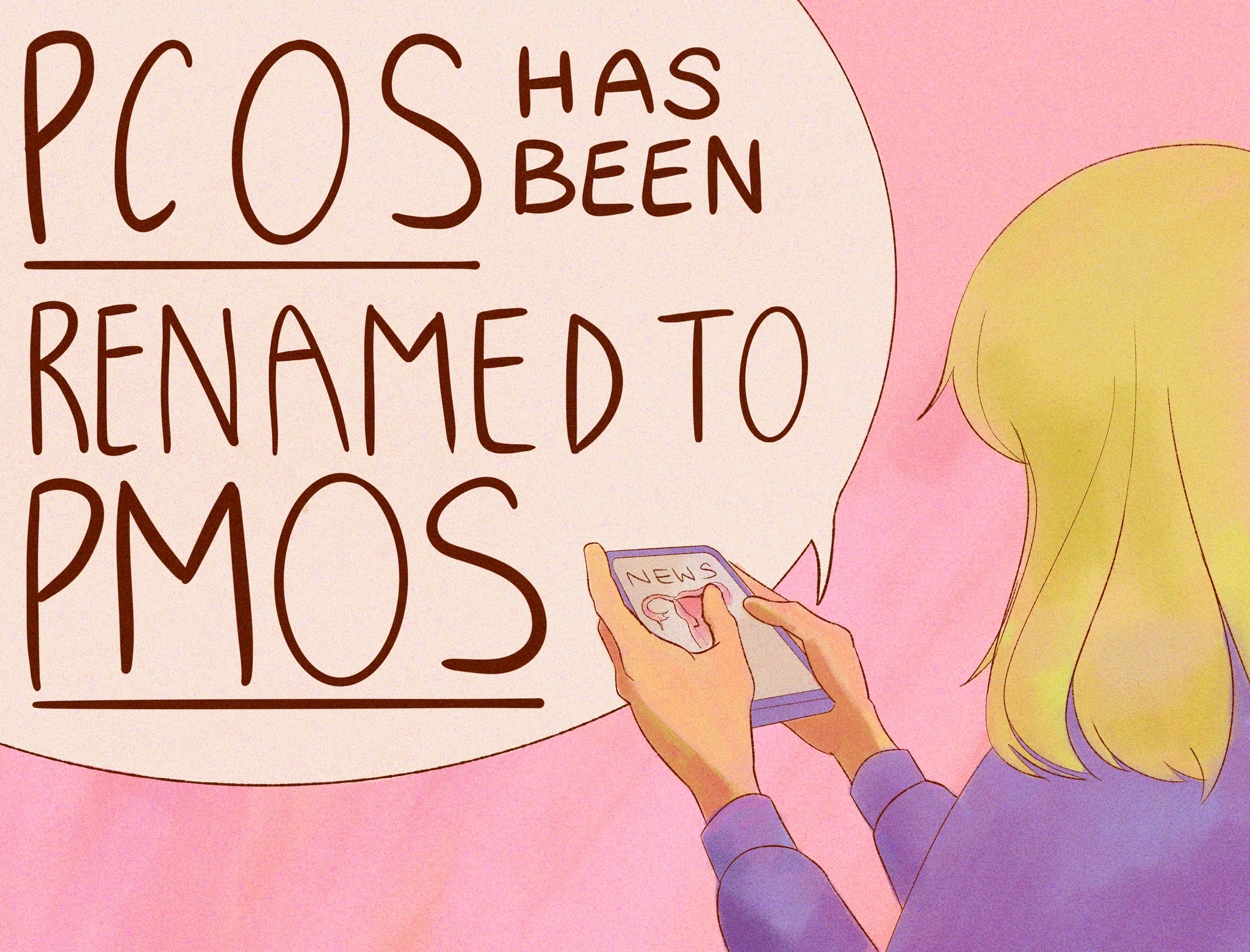
Polycystic ovary syndrome was renamed to polyendocrine metabolic ovarian syndrome to better represent the condition and its symptoms, UCLA health professionals said.
Scientists announced the name change May 12 at the European Congress of Endocrinology in Prague, and the American Society for Reproductive Medicine endorsed the switch to PMOS May 27.
PMOS is a hormone abnormality that affects 10-13% of women aged 15 to 44 years old – about 170 million women globally – according to ASRM. It can cause irregular menstruation, acne and infertility.
Up to 70% of women affected by PMOS are undiagnosed, according to the World Health Organization.
Monash University professor, researcher and endocrinologist, Helena Teede led the name change alongside other researchers and organizations, such as the Endocrine Society, which was also involved in the development of the name “PMOS.”
Dr. Kathleen Brennan, the interim division head for reproductive endocrinology and infertility in the department of OB-GYN at UCLA, said the name change reflects that PMOS is not primarily characterized by having a lot of cysts – or fluid-filled sacs.
“You have a lot of follicles, which are the cyst-like structures that house the microscopic eggs, so you have more of those than the general population,” she said. “That’s where the name came from, but it doesn’t really make sense because they’re really not cysts – it’s just that you have a lot more follicles.”
Dr. Daniel Dumesic, a professor of OB-GYN at UCLA, said, although the name has changed, the process of diagnosing PMOS has not.
The Rotterdam criteria are still used for physicians to make the diagnosis, requiring two out of three of potential criteria to be satisfied, Dumesic said. These criteria are overproduction of androgens – male hormones – and follicles and irregular menstruation, he added.
These symptoms can physically present themselves as hirsutism, or excess hair resulting from high levels of androgens, male-pattern baldness, acne or weight gain, according to Johns Hopkins Medicine.
Another common symptom can be infertility, resulting from infrequent ovulation or diminished egg quality – reflecting the “metabolic” aspect of the condition – Brennan said. People with PMOS are also at increased risk for metabolic dysfunction, like insulin resistance, which can increase androgen levels.
The name change stems from an effort to better represent what PMOS entails, not any changes in diagnoses nor recognition of symptoms, Dumesic said.
“Patients think they have pathological cysts in their ovaries, which they don’t,” Brennan said. “For physicians that are treating the disorder, that are trained to treat the disorder, the name change doesn’t change anything because we’ve been approaching it from a metabolic standpoint all along.”
In a questionnaire, Dumesic said he found that patients with PMOS commonly said they needed multiple doctors to get a diagnosis and reported being dissatisfied with their healthcare.
Reproductive endocrinologists, OB-GYNs, medical endocrinologists and, sometimes, internal medicine doctors could be treating patients with PMOS, Brennan said. Because PMOS’ symptoms span different specialities, patients may have to see different specialists to address symptoms – like a reproductive endocrinologist for fertility treatments and a dermatologist for abnormal hair growth – Dumesic said.
“The problem with patient dissatisfaction with their physicians, in part, is related to medical education,” he said. “The word metabolic is good because it shows there’s a bigger picture, but you still need the training and the education so people can understand.”
Raina Bandekar – the president and founder of FPA at UCLA, a club advancing women’s reproductive health – said she thinks the name change is important because it better reflects what the condition actually entails.
“Every single disease, condition, once named, carries some sort of stigma – whether positive or negative,” she said. “Changing names to make it more inclusive of the people that it’s actually affecting is really important.”
Bandekar, a third-year human biology and society student, said it can be difficult to find trustworthy health-related information. She added that she tries to look for medical information from people with practical experience, but said it can be difficult to identify.
The PMOS name change alone will not revolutionize women’s health, but it is one contributing piece of the progress that still needs to be made, Brennan added.
“Every name change shows an advancement of our understanding of the syndrome,” Dumesic said. “As we get a better understanding, there will be further refinement to the name change.”