






IN THE NEWS:
A Closer Look
Oct. 12, 2026 9:53 p.m.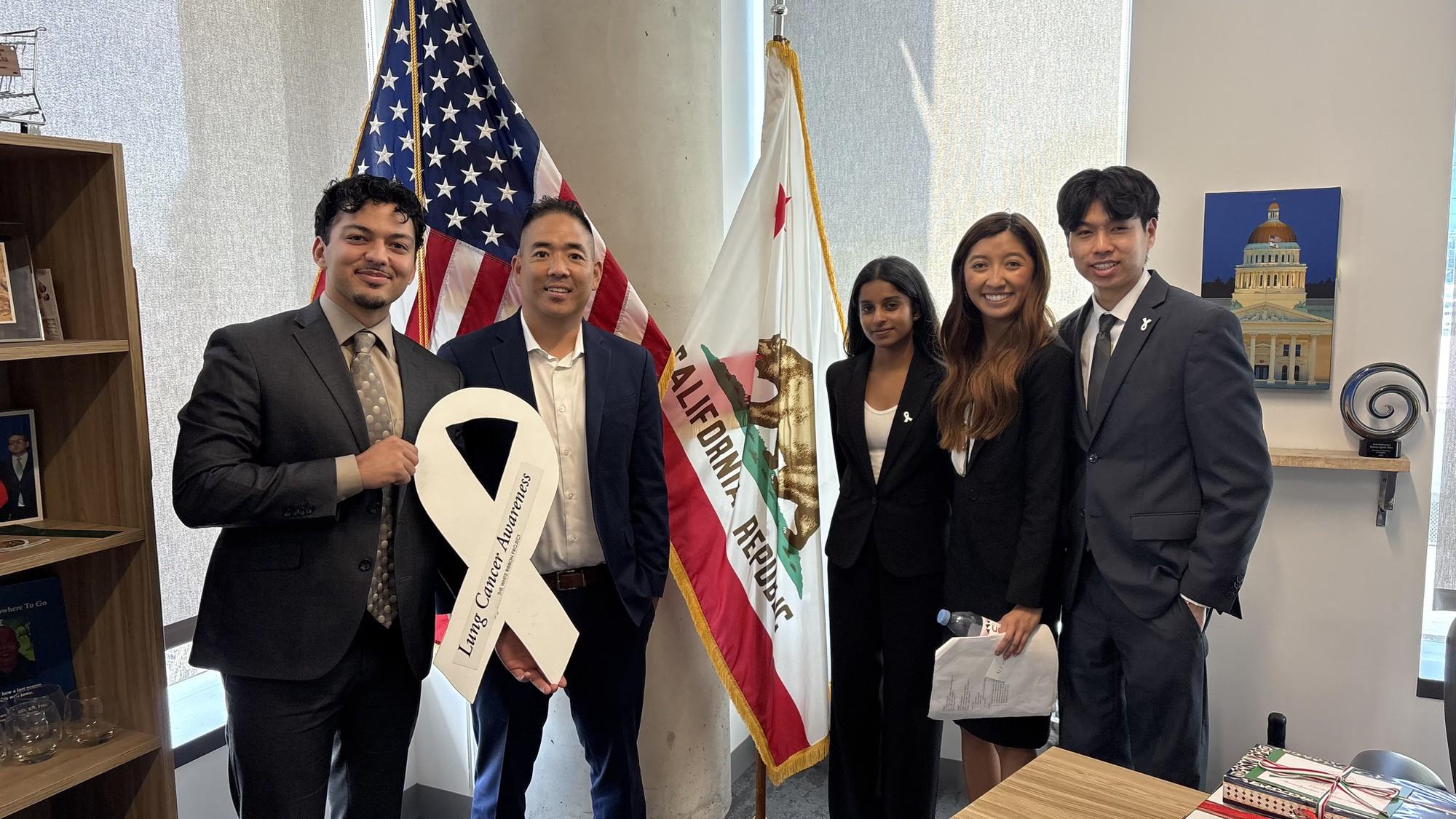
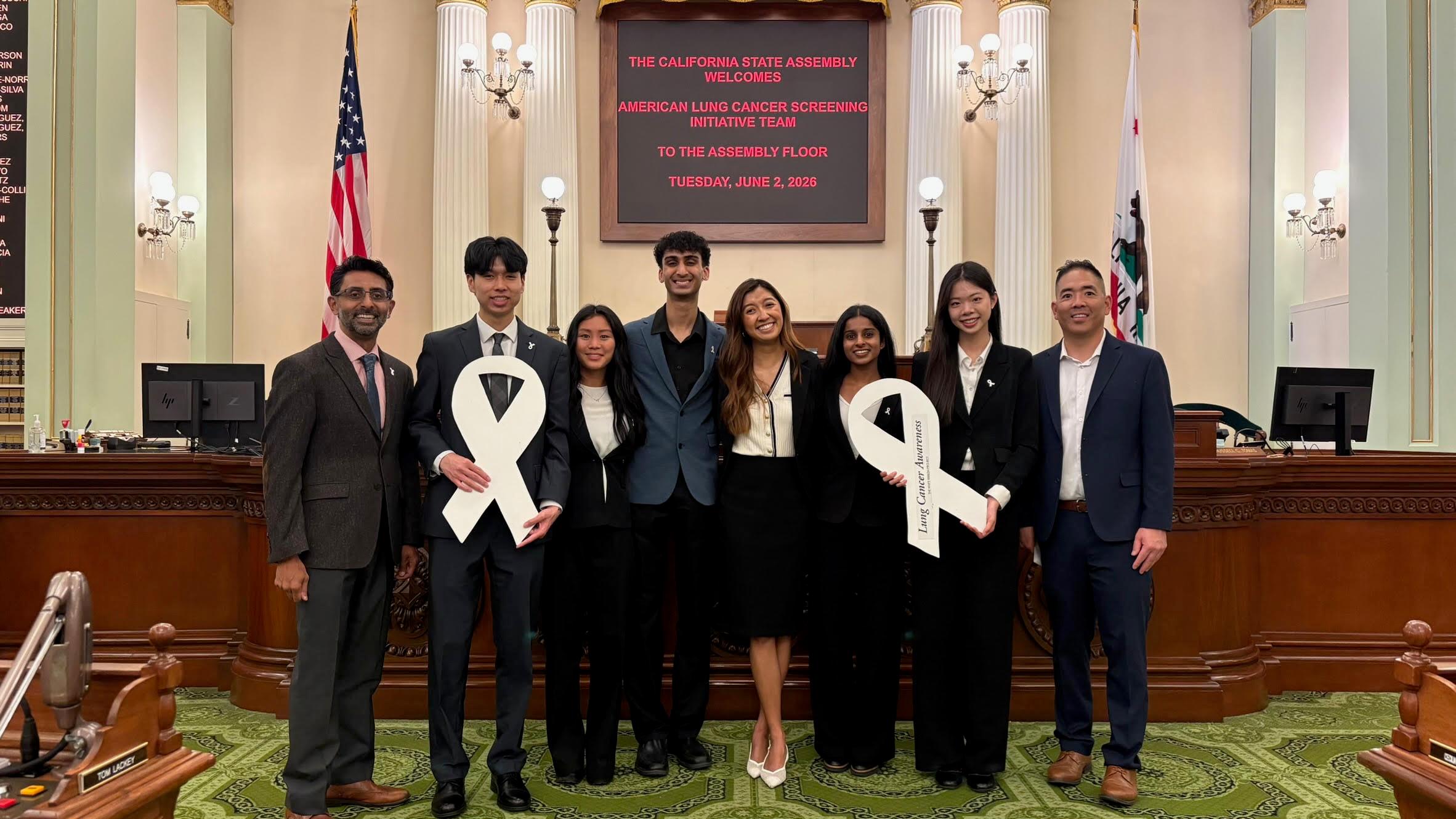
Students from UCLA’s American Lung Cancer Screening Initiative chapter championed a bill that requires tobacco retailers to display signs with information about lung cancer screening. (Courtesy of Jeffrey Velotta)
Gov. Gavin Newsom signed a student-conceptualized bill into law Sept. 28 to raise awareness about lung cancer screenings across the state.
Senate Bill 1124, conceptualized by members of UCLA’s American Lung Cancer Screening Initiative chapter, requires tobacco retailers to display signs with information about lung cancer screening.
By Caitlin Brockenbrow

California
Oct. 11, 2026 5:06 p.m.This post was updated Oct. 11 at 10:22 p.m.
Hundreds of first-year UCLA students were infants when California voters approved the state’s first high-speed rail in November 2008.
By Izzy Becker

Academics
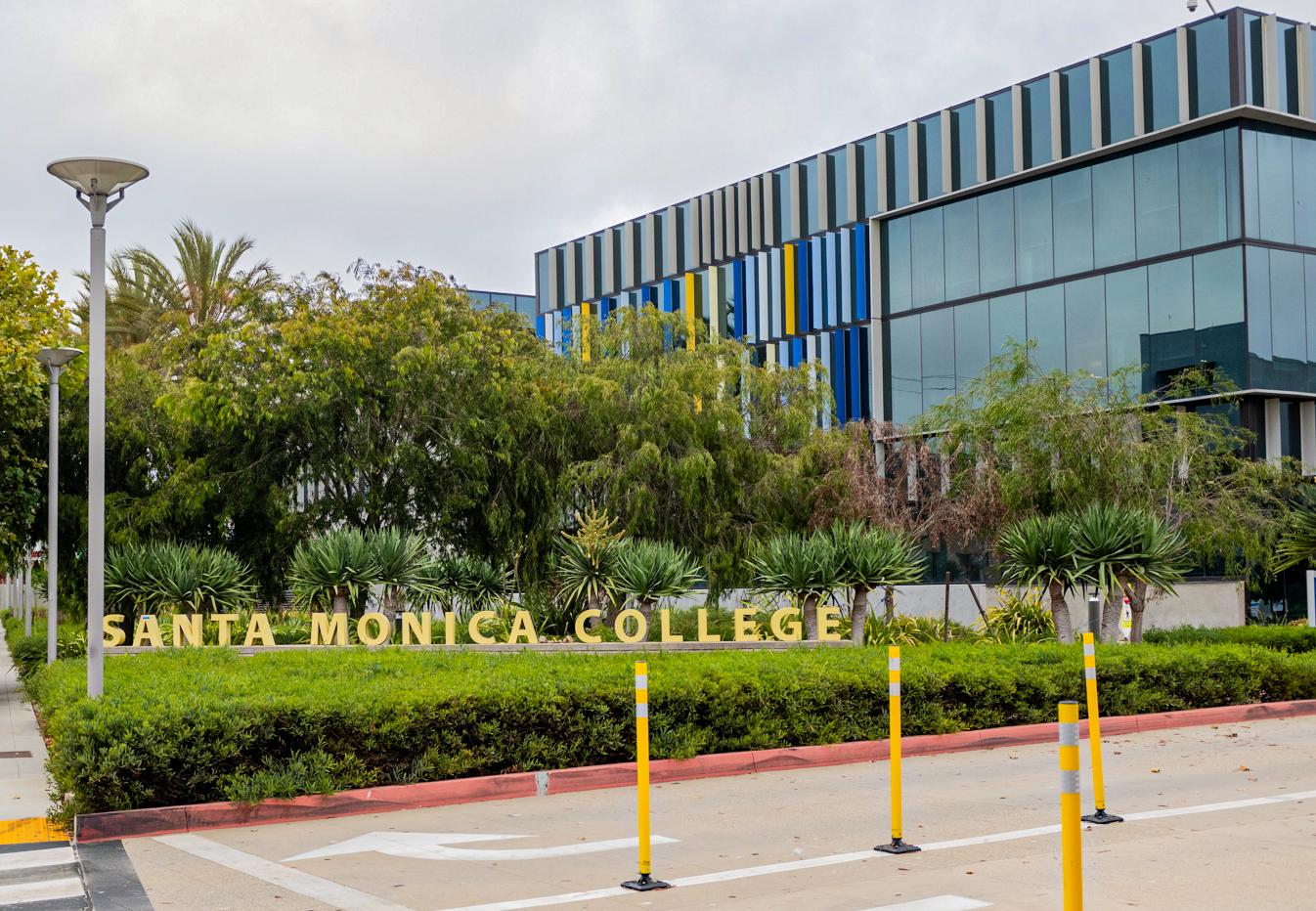
Oct. 8, 2026 8:38 p.m.Newsom signs laws letting CA community colleges add up to 12 new degrees per year
This post was updated Oct. 8 at 10:56 p.m.
Two new laws will allow California community colleges to offer up to 12 new bachelor’s degrees, including duplicates of some UC degrees, upon University approval.
By Lilly Leonhardt
California
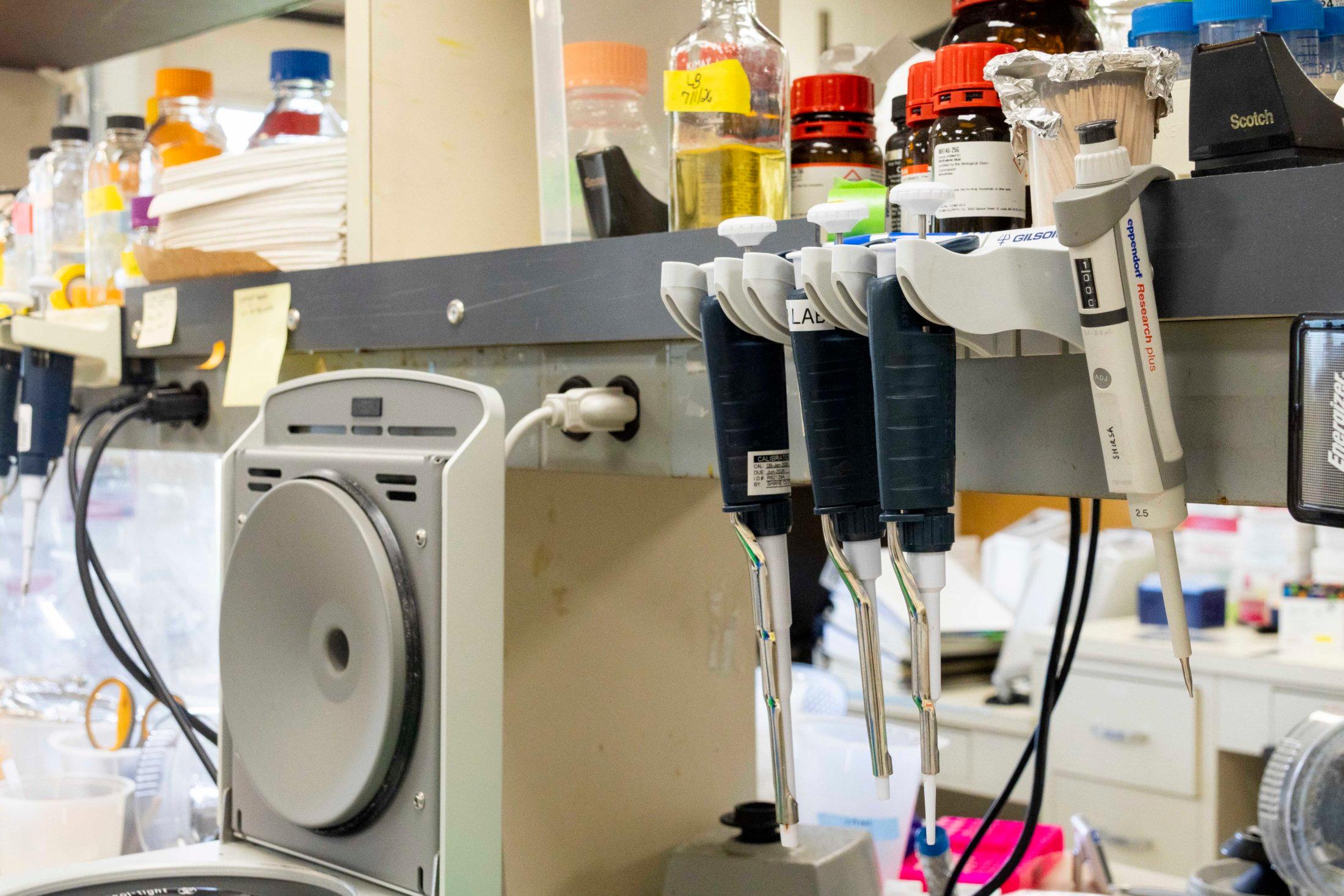
Sept. 30, 2026 12:03 a.m.Recent college graduates struggle to find work amid job market uncertainty
This post was updated Oct. 2 at 12:19 a.m.
UCLA alumnus Kiana Bagheban-Rezvan took a gap year after graduating in 2025, hoping to get some work experience while studying for the LSAT.
By Max Davis-Housefield

California
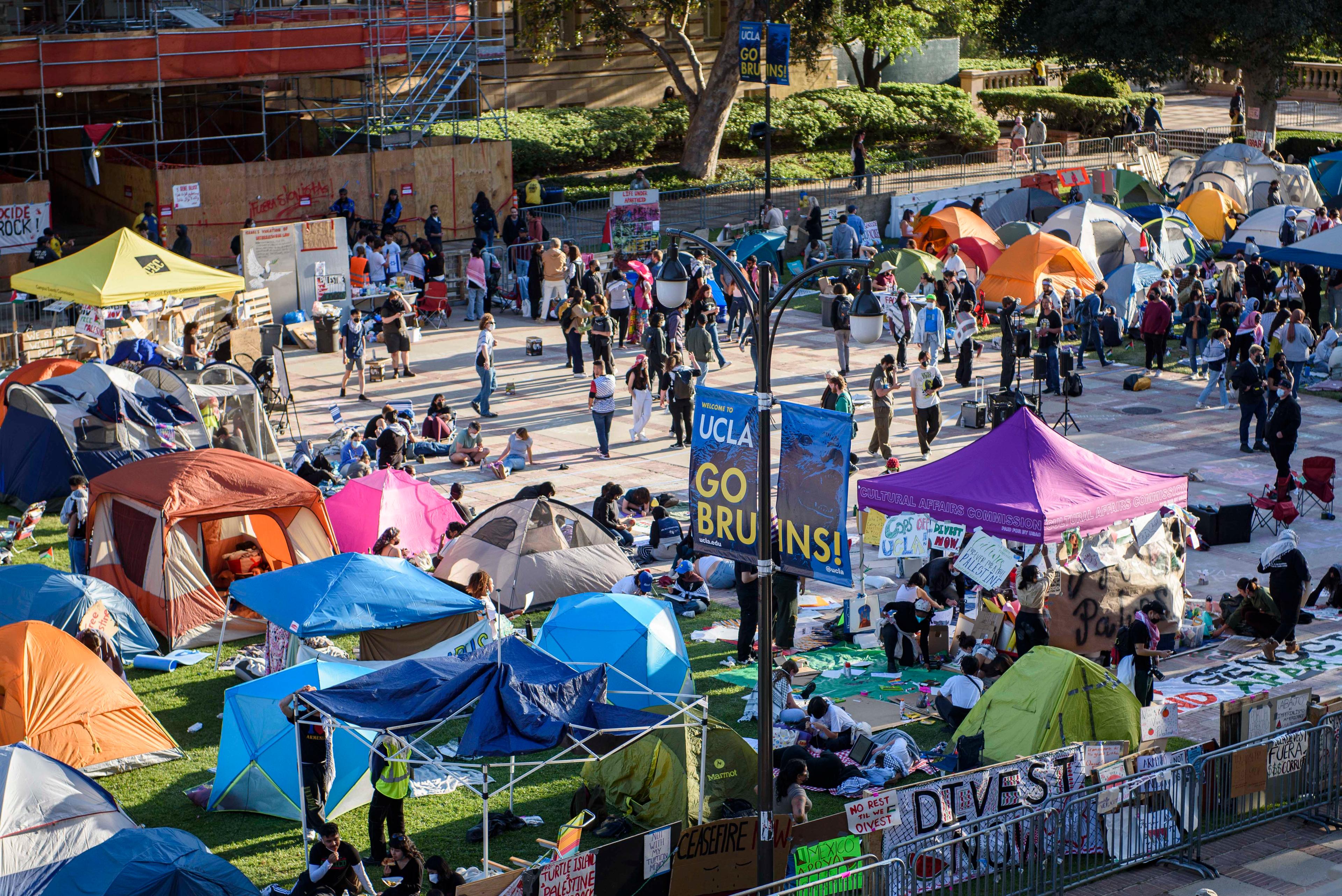
Sept. 29, 2026 11:45 a.m.Newsom vetoes bill requesting UC to report on Time, Place and Manner policies
This post was updated Sept. 29 at 11:52 p.m.
Gov. Gavin Newsom vetoed a bill Sunday that would have asked the UC to hold meetings and report data about its enforcement of Time, Place and Manner policies.
Assembly Bill 2551 would have requested the UC Board of Regents and required the California State University Board of Trustees to hold separate open forum sessions to hear student feedback on TPM policies by Dec.
By Julian Duaybis
A Closer Look
Sept. 22, 2026 12:08 p.m.Student-led bill promoting lung cancer screening awareness reaches Newsom’s desk
This post was updated Sept. 23 at 11:06 p.m.
A bill conceptualized by four UCLA students aimed at fighting lung cancer is now awaiting final approval from Gov.
By Caitlin Brockenbrow
California
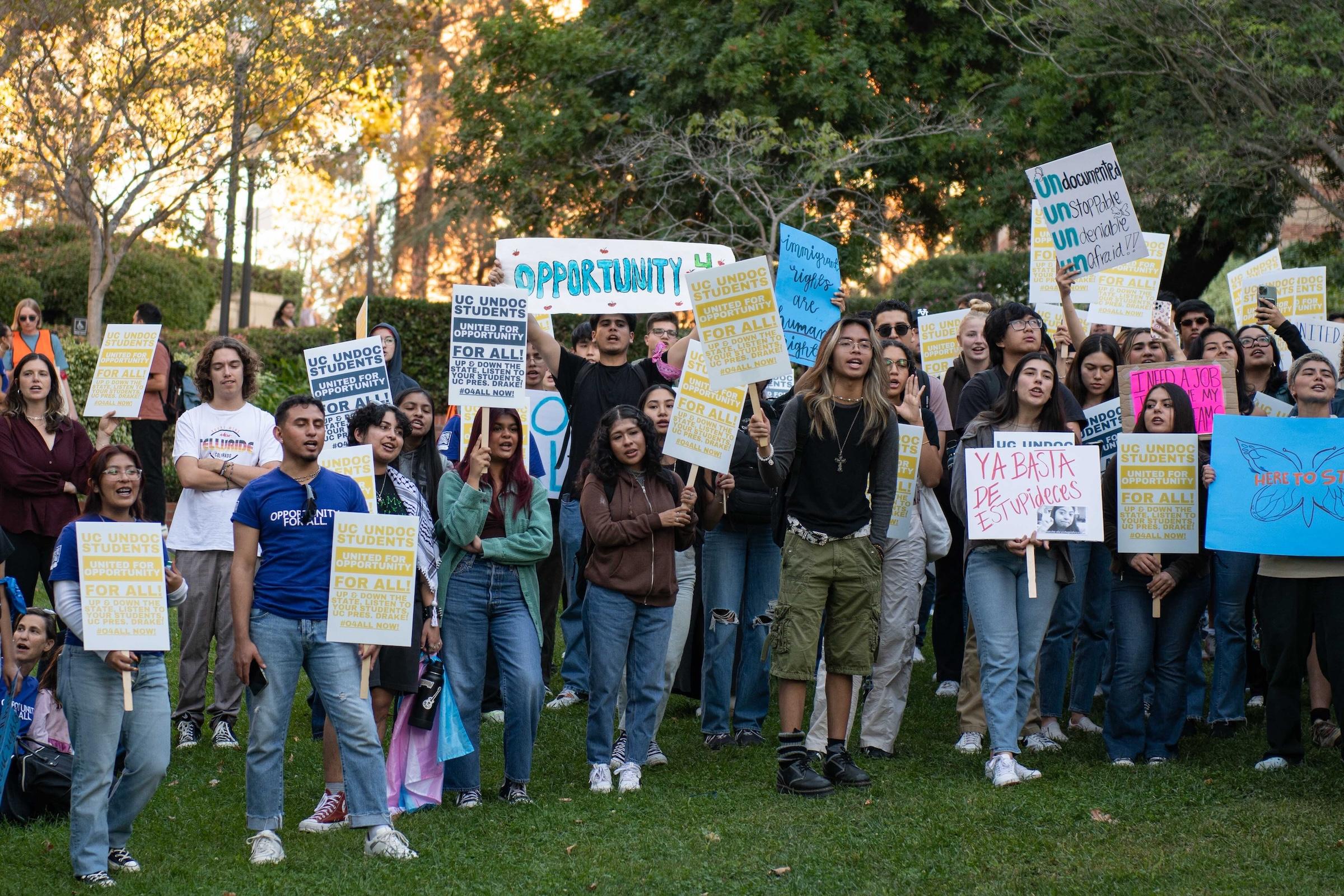
Sept. 20, 2026 6:00 p.m.Newsom vetoes bill, which would have allowed undocumented students campus jobs
This post was updated Sept. 27 at 11:01 p.m.
Gov. Gavin Newsom vetoed a bill Sunday that would have allowed undocumented students to hold jobs on public university campuses across the state.
Assembly Bill 713 – the Opportunity for All Act – would have prevented the UC, California State University and California Community Colleges from barring undocumented students from on-campus jobs because they are unable to provide proof of federal work authorization.
By Alexis Muchnik
California
Sept. 17, 2026 9:14 p.m.UC Academic Senate to consider SBAC as potential SAT, ACT alternative
The UC is considering introducing an alternative standardized test in addition to the SAT and ACT for first-year undergraduate admissions.
The UC Academic Senate will decide whether or not to recommend reinstating the SAT and ACT for undergraduate admissions by June 2027.
By Nora Gallagher



searching for more articles...