

Proposition 39 could introduce new voter ID requirements for Californians
(Nury Salazar-Ibanez/Daily Bruin staff)

By Antonia Pinnar
Oct. 30, 2026 8:13 p.m.
This post was updated Oct. 30 at 8:35 p.m..
This November, California voters will decide on a ballot proposition that would enforce new voter identification requirements.
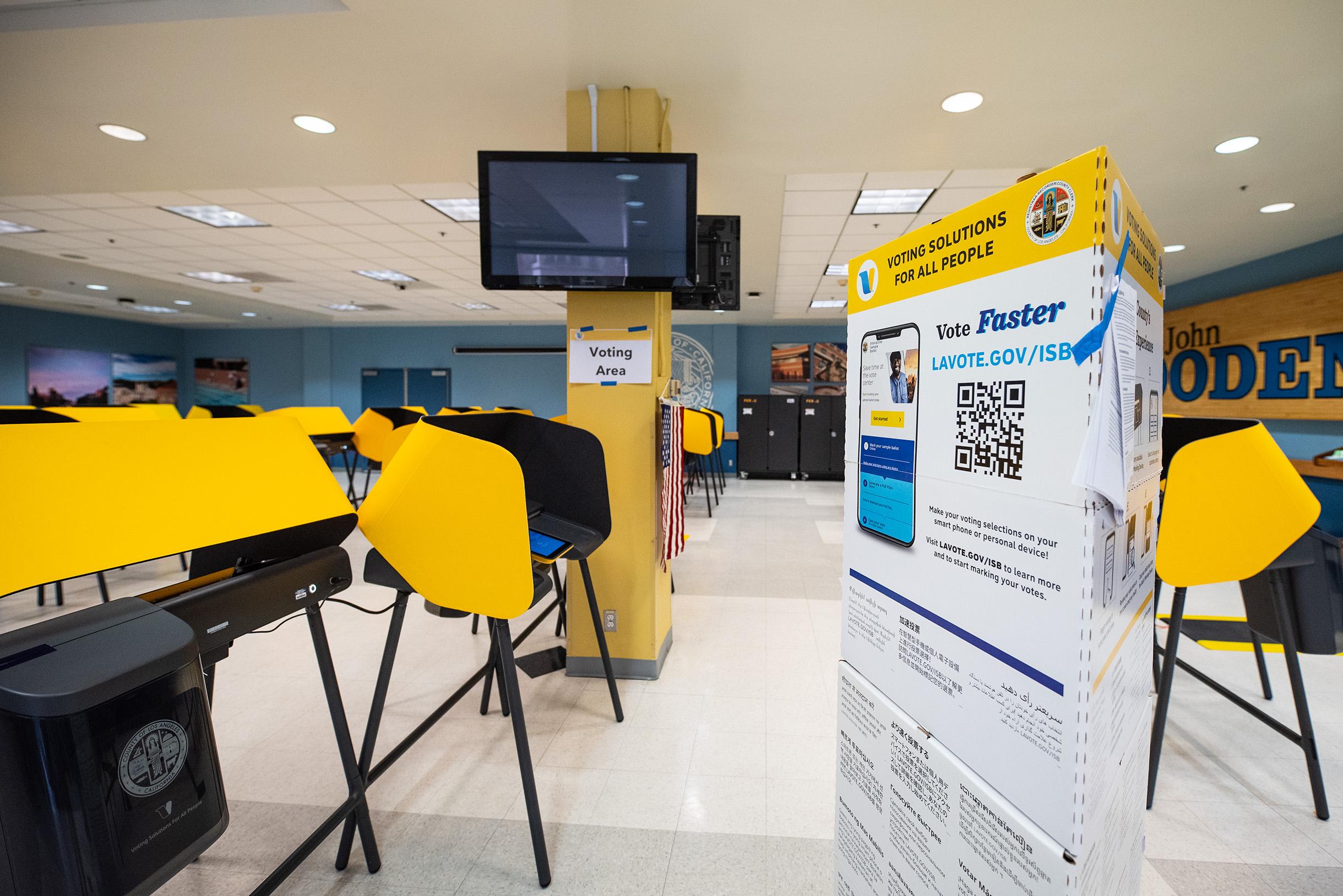
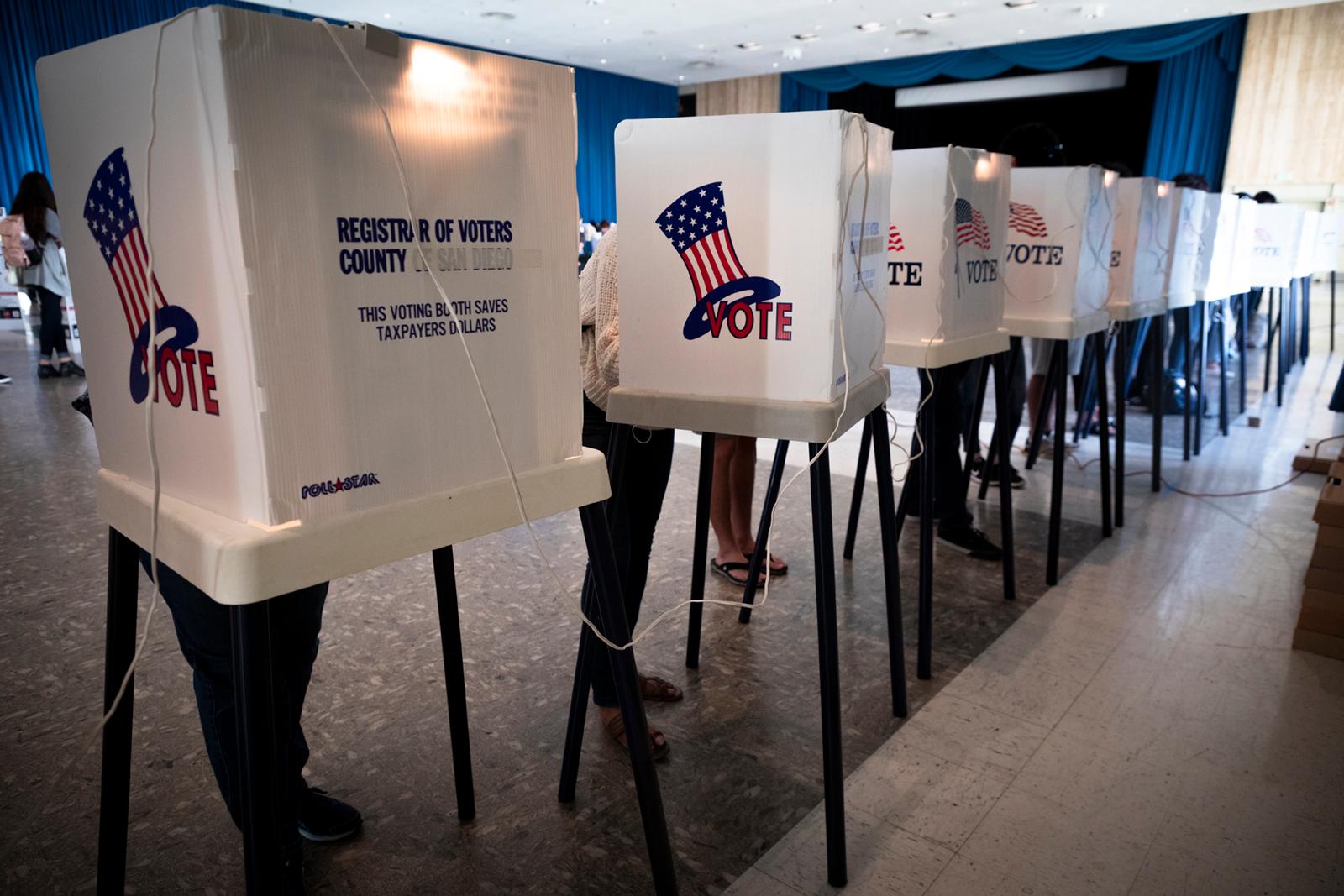
If passed, Proposition 39 would require voters casting ballots in person to present government-issued identification. Voters who vote by mail would be required to write the last four numbers of their government-issued ID number designated in their voter registration on ballot envelopes.
The proposition would also require election officials to “use best efforts to verify citizenship attestations using government data” and report the percentage of voters who have been verified as citizens annually.
The United States Department of Justice sued the state of California on Oct. 15, requesting that the state stop counting the ballots of more than 20,000 registered voters it alleged are noncitizens. A federal judge blocked the DOJ’s request Wednesday.
Spearheaded by Republican state Assemblymember Carl DeMaio and his conservative campaign organization Reform California, Proposition 39 qualified for the ballot after receiving 1.37 million signatures, surpassing the 874,641 signature requirement.
Opponents of the proposition include the American Civil Liberties Union, Equality California and California Common Cause. Former U.S. Health and Human Services Secretary Xavier Becerra and Gov. Gavin Newsom have also publicly opposed the initiative.
Supporters include the Transparency Foundation and the California Republican Party. The initiative has received support from conservative donors such as Richard Uihlein, chief executive officer of shipping company Uline Corporation, who has contributed $17 million to the campaign, according to the Guardian.
Proponents argue that the proposition would strengthen election security, encourage public trust in the electoral process and combat voter fraud in California, according to CalMatters. Currently, California verifies mail-in ballots through a process of checking signatures, which supporters of Proposition 39 say could lead to delays in results and wrongly rejected ballots because of mismatched signatures, according to the California Secretary of State Voter Guide.
The proposition promises free voter ID cards to people who might need them.
But the proposition could increase the risk of data theft because it would require written government identification numbers present on mail-in ballot envelopes, said Shelby Wayment, a staff attorney for the Safeguarding Democracy Project at the UCLA School of Law.
While requirements to show a photo ID might be perceived as beneficial, the wording of the proposition itself is vague and doesn’t clearly establish which IDs are acceptable, said Richard Hasen, the director of the Safeguarding Democracy Project.
“If this thing passes, there are going to be all kinds of questions about implementation,” he said.
Hasen said the proposition does not specify how election officials would verify voters’ citizenship, including whether the requirements would apply to newly registered voters or people who are already registered. He added that the proposition would be expensive, yet does not allocate funding for the verification process, which could lead to more legal challenges.
Proposition 39 would increase local and state government costs up to hundreds of millions of dollars each year, according to the California Legislative Analyst’s Office.
“There is a lot of ambiguity in how it’s written,” Wayment said. “What would count as a voter ID, how election officials would actually track this and certify it.”
Given that UCLA hosts voting centers during elections, Proposition 39 raises questions about how the measure could impact UCLA students’ voting experiences in future elections, Hasen said.
Arianna Malik, a first-year neuroscience student, said that getting a qualifying government-issued ID could be difficult for college students who often move to different places.
“With students, it especially has a disenfranchising effect if you can’t use your student ID to vote,” Wayment said. “Especially with first-time voters who have never done the process either, I think it’s a similar boat. It just creates a hassle for no real benefits.”
Students can vote in the Nov. 3 midterm elections at one of several locations on UCLA campus and in Westwood, including Ackerman Union, De Neve Plaza and the Hammer Museum.