Second Take: Queer horror lets LGBTQ+ stories come alive, but many identities remain in the dark
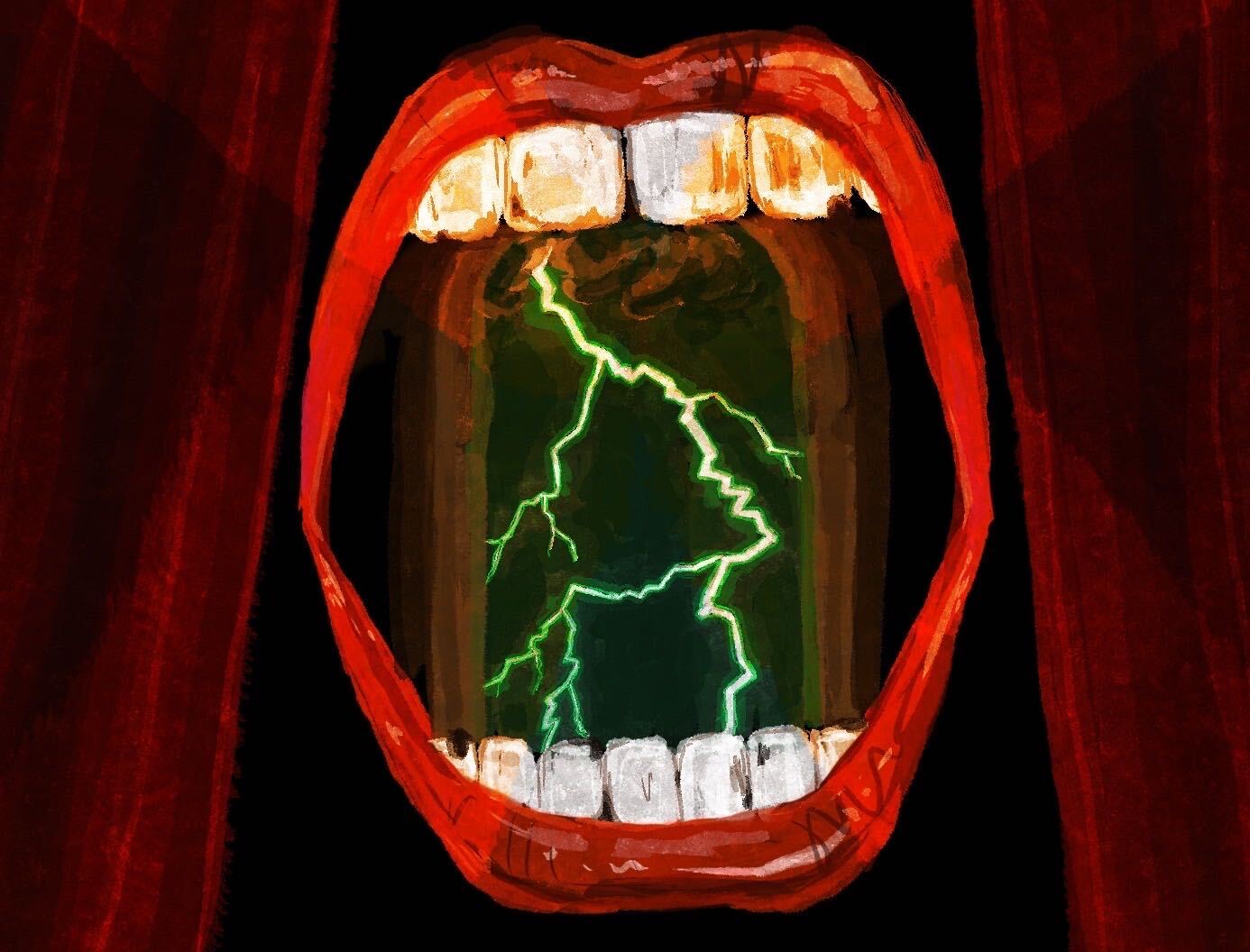
(Evanceline Tang / Daily Bruin Staff)

By Julia Kinion
Oct. 29, 2026 9:43 p.m.
While Halloween gives people the opportunity to dress up as monsters, queer horror films throughout history have long asked a more unsettling question: Who gets treated like one?
From queer-coded characters of classic horror to contemporary films that overtly confront homophobia, the genre has turned society’s fear of difference into a means of self-expression and resistance.
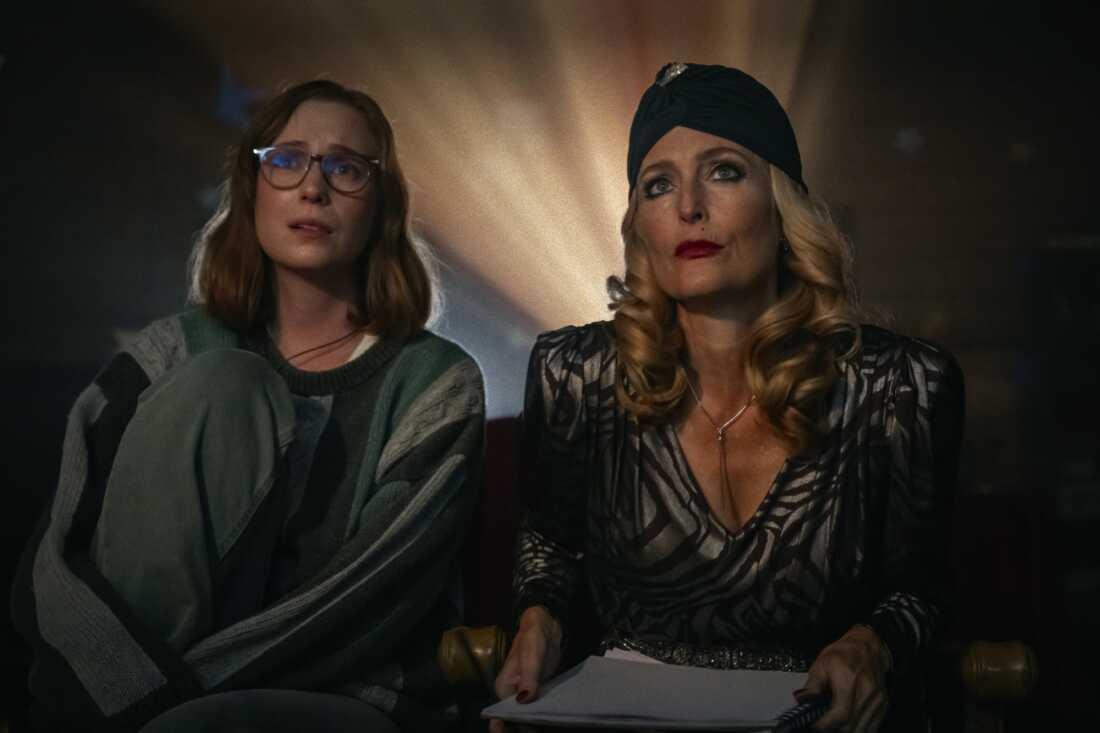
Over the last few years, there has been an array of queer mainstream media, such as the adaptation of the queer hockey series “Heated Rivalry” – which became a pop culture phenomenon earlier this year – along with horror films such as “Teenage Sex and Death at Camp Miasma” and “Leviticus.” As queer stories begin to reach wider audiences, queer horror shows that the genre has long provided a space for underrepresented identities – and how that representation has room to grow.
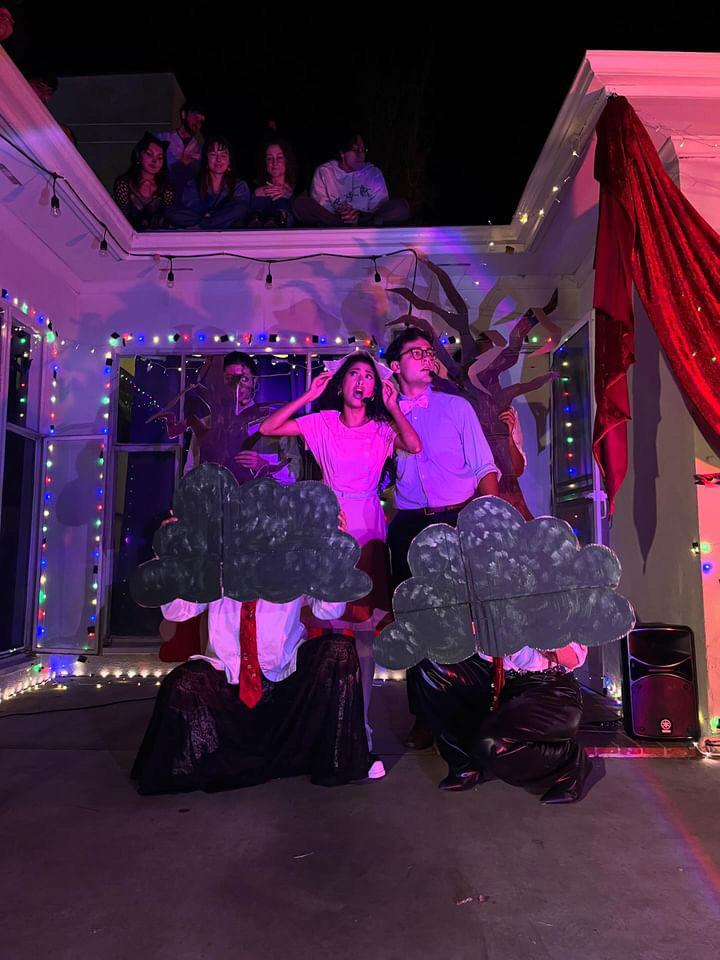
While queer representation might seem increasingly visible in the media today, such as in the success of books and films like “Red, White & Royal Blue” and “Heartstopper,” queer cinema faced significant barriers to mainstream acceptance for much of the 20th century. During that era, horror filmmaking provided one avenue for queer expression. “The Rocky Horror Picture Show,” released in 1975, starred Tim Curry in his film debut, in which he played a gender-nonconforming scientist who leads a young couple through his fantastical party filled with catchy musical numbers. During this time in film history, the Motion Picture Production Code restricted depictions of homosexuality, limiting opportunities for the representation of homosexual characters – who were not allowed to receive sympathetic portrayals or happy endings under these regulations. However, Dr. Frank-N-Furter, under the guise of absurdity and unreality, was allowed to dance around on screen in complete self-embrace – something that helped render the film a cult classic, particularly within the queer community.
[Related: Rounding up the best horror flicks of 2026 to watch this Halloween]
Beyond providing spaces for exuberant (and musical!) self-expression, horror has also explored the feelings of isolation and alienation that accompany the queer experience. “Frankenstein,” both the original novel by Mary Shelley and the many film adaptations that followed, has been analyzed using queer and transgender theory by focusing on the transgressive nature of Victor’s creation, the Monster’s perception of his body as monstrous and his anger over his societal isolation and rejection. Interpretations of “Frankenstein” and other classic horror staples demonstrate horror’s ability to communicate elements of the queer experience that members of the queer community had long been unable to express directly – allowing for resonance with viewers without explicitly identifying them.
Furthermore, “Bride of Frankenstein,” a 1935 sequel to James Whale’s ‘Frankenstein’ – is considered a landmark of queer horror cinema during a notable era for Hollywood censorship. The film includes multiple queer-coded characters, who treat the Monster – otherwise persecuted by society for his existence – with a rare degree of respect. Likewise, Elsa Lanchester plays the Bride of Frankenstein with an exaggerated form of femininity before she turns down the advances of the Monster, complicating conventional expectations of gender and desire. Whale himself was one of few openly gay directors in Hollywood at the time, living with his partner David Lewis for over 20 years.
As depictions of queer relationships have become more visible in the media, horror has also provided opportunities to address homophobia more directly. One of the genre’s defining features is its ability to confront the monstrosity of humanity through the veneer of the supernatural. Adrian Chiarella’s directorial debut, “Leviticus,” features conversion therapy as the malevolent supernatural being in question, turning the romantic bond shared between the protagonists of the film into a force for destruction. By using horror conventions to depict the consequences of homophobia, “Leviticus” demonstrates the way queer horror has evolved from relying on coded representation to confronting forces that threaten queer relationships more explicitly.
[Related: Event Review: The scariest part of this LA Halloween attraction is what it will cost you]
However, there are notable gaps in horror films – and media representation as a whole – as queer representation struggles to branch out from primarily depicting white male characters. GLAAD found in its 2026 report that around 53% of the 112 LGBTQ+ characters it counted of the 225 films released theatrically and direct to streaming were male, and just under 70% of queer characters were white. While recent release “Teenage Sex and Death at Camp Miasma” and camp staple “Jennifer’s Body” have delivered distinctive interpretations of the sapphic experience, the film industry still needs to better represent queer women and people of color on screen.
The evolution of queer horror underscores the importance of queer representation in media more broadly. Film has the ability to normalize, humanize and destigmatize elements of personal identity – such as sexuality, race and gender expression. The genre’s history reflects both the strides made in queer representation and the gaps that remain, reminding audiences that greater visibility does not mean equal representation.
Bruins should consider adding one of these films, past or present, to their Letterboxd watchlists – not only to celebrate the spookiest day of the year, but also to recognize how queer horror has challenged convention and consistently made space for the LGBTQ+ community throughout history.