Dizon’s Disposition: Will the Protect College Sports Act live up to its name?
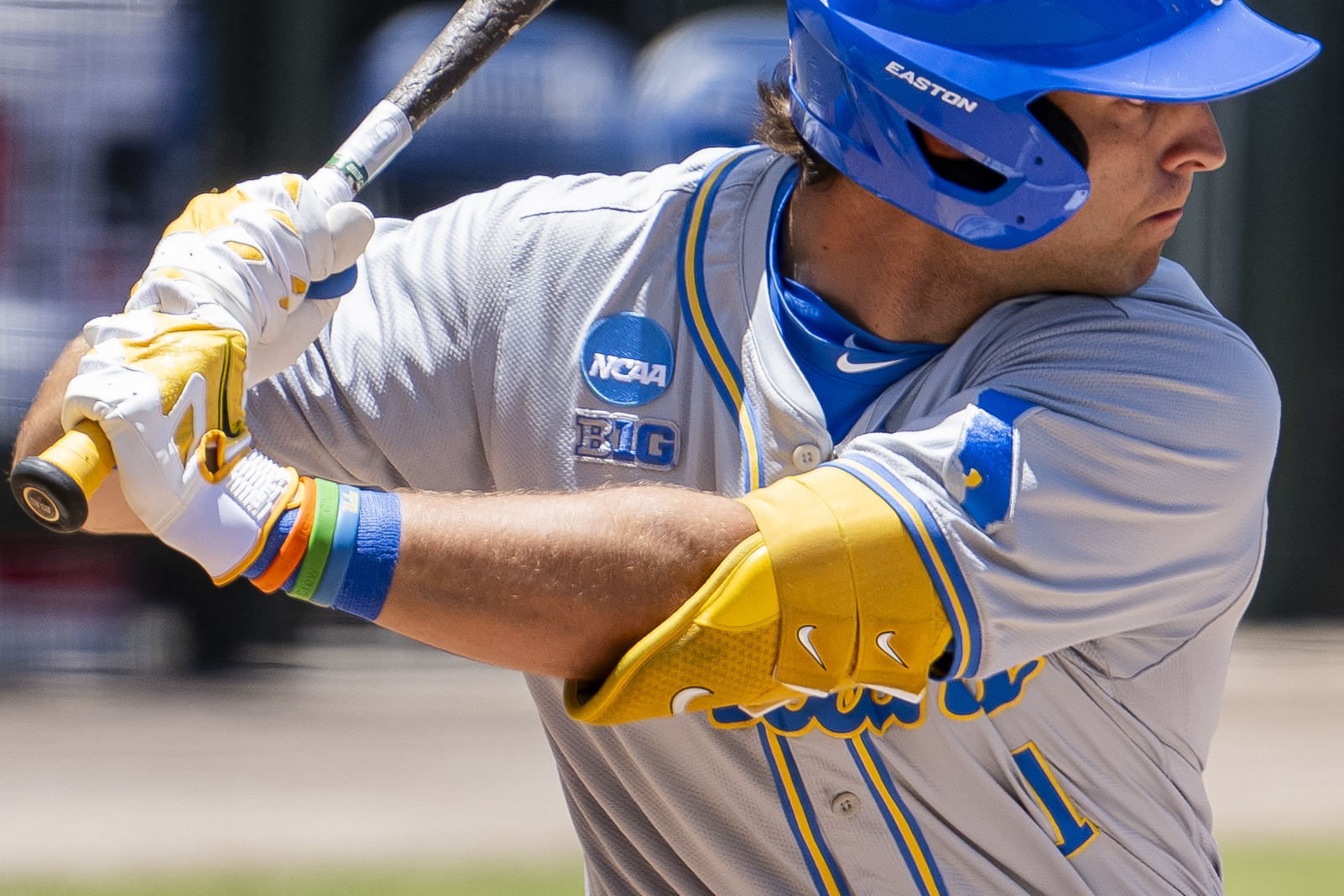
Former UCLA baseball infielder Roch Cholowsky prepares to swing while wearing a jersey with a Big Ten logo patch on it. UCLA joined the Big Ten in 2024. (Kai Dizon/Assistant Photo editor)

By Kai Dizon
Sept. 30, 2026 10:48 a.m.
I thought UCLA football defeating Maryland by 51 points Saturday was a landslide, but the United States Senate’s 77-22 vote to pass the Protect College Sports Act on Monday may be a more impressive feat.
The bill, which has yet to pass the House of Representatives, attempts to finally bring some rules to what has long been the Wild West era of college sports. While the PCSA would put collegiate athletics in a cast, it ultimately kicks the larger issue down the road: What is the paramount purpose of college sports?
Under the bill, student-athletes would still be able to transfer once without penalty, but subsequent transfers would be restricted and come with the requirement that a player sit out for a given amount of time.
The current transfer portal is probably what has hurt college sports the most.
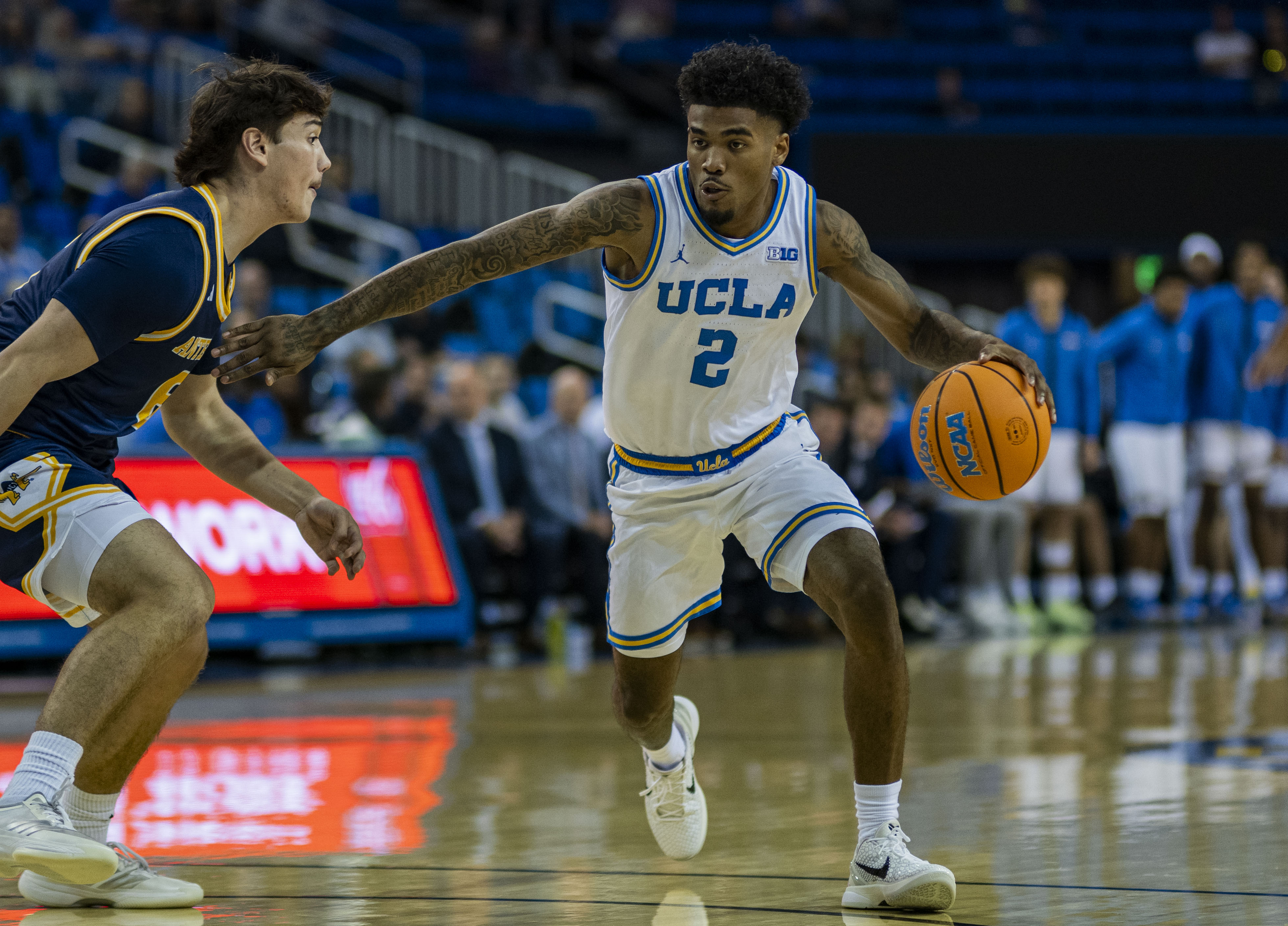
Rosters seem to be constantly in flux, which makes it harder for fans to familiarize themselves with players from year to year, and annual bidding wars make it hard for programs to build on successful seasons.
It looked like college sports just got increasingly top-heavy and like overall parity was dwindling.
It ultimately appeared to make college sports – the entertainment product – worse.
The bill would also limit student-athletes to five years of eligibility – another worthwhile change already in line with recent NCAA policies.
From a fan’s perspective, college sports are ideally played by college-age players – a mix of true freshmen starting under center, players striving to play professionally as soon as they can and seniors suddenly having breakout seasons.
It may mean a worse level of competition, but again, it’s a more attractive entertainment product and more enticing opportunity for high school athletes.
The bill would let schools use up to $49 million per year to directly pay student-athletes and make it mandatory for all name, image and likeness contracts exceeding $600 to be reported.
There’s no ignoring the gap in popularity between different college sports – many of these changes almost entirely affect football, men’s basketball and women’s basketball, with little impact on the nonrevenue or Olympic sports.
I’m uncertain what the future of this chasm looks like and just how far apart these tiers will separate even within Division I or the Power 4 conferences.
Ultimately, changes that benefit college sports – the business – mostly leave everyone else worse off, and the PCSA does little to address that issue.
UCLA’s move to the Big Ten was lauded as a football and financial move, and it’s made UCLA sports less enjoyable. Sure, perhaps the TV deal is better, and schools get their logo plastered on more merchandise and phone screens, but gone are the rivalries, histories and geographical identities that once defined college sports.
The bill also doesn’t address whether or not collegiate athletes are employees of their respective universities. It seems to preserve the idea that student-athletes deserve compensation for their efforts and the ability to profit off their popularity, but it has yet to determine what exactly players are being paid for.
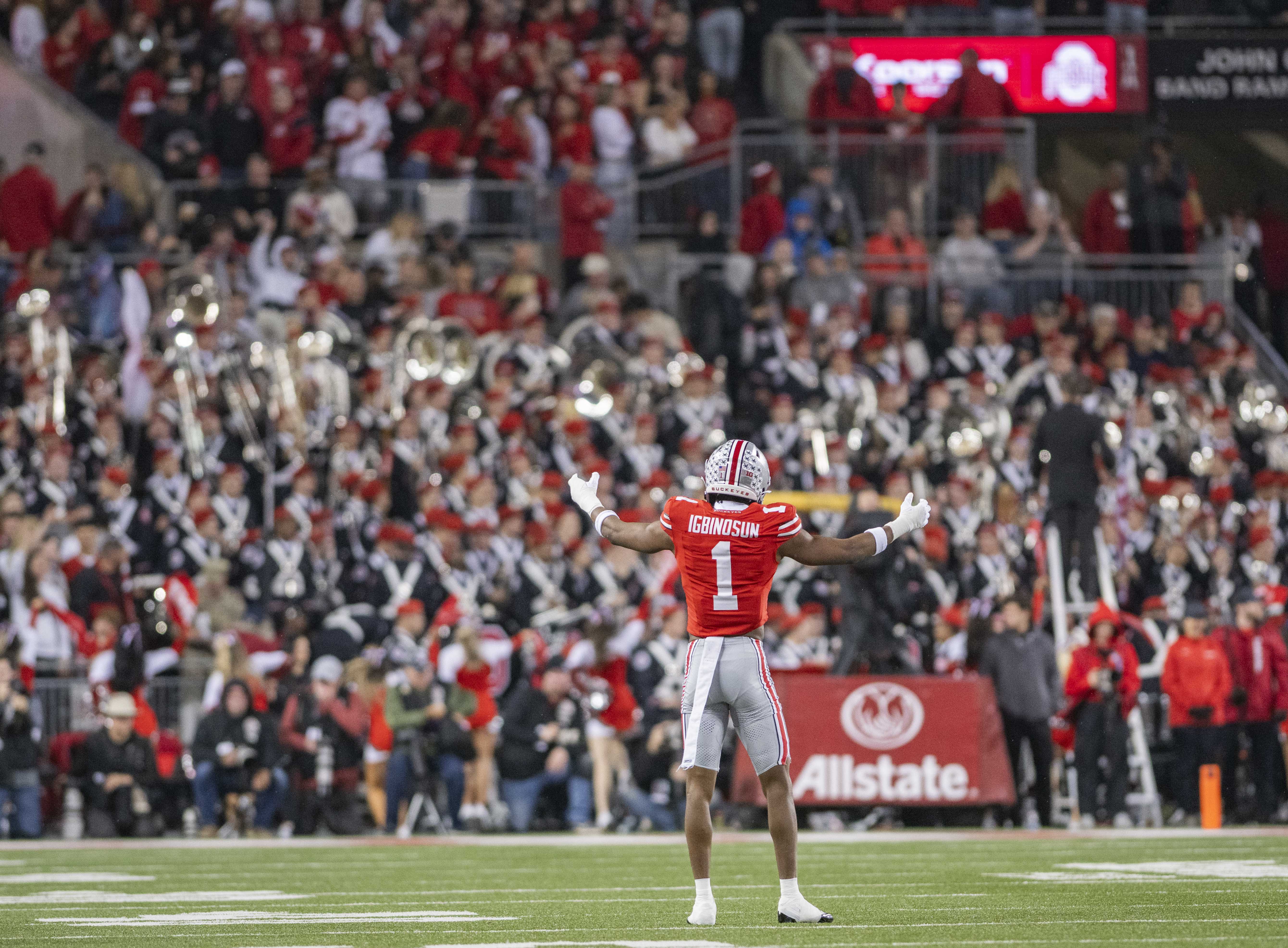
Are they being paid for their athletic capabilities? For being ambassadors and mascots for their schools? For more jersey sales and undergraduate applications? For loyalty to the program?
The NCAA will still be stuck in the gray area, separated from contracts, unions and collective bargaining even if the PCSA passes.
Even if you address the issues surrounding employment and whether athletes are employees, where and how does the college part of college sports fit in? How much is university enrollment, credit or a diploma worth? And if it’s not worth much – or anything at all – will there be anything keeping college sports from being worse versions of their professional counterparts?
I don’t have an answer for how college sports will be saved – frankly, I’ve only known the NCAA post-NIL and the modern transfer portal – but it’s clear the PCSA isn’t a solution, and perhaps it should be concerning that no one has one.