US Senate passes bipartisan Protect College Sports Act
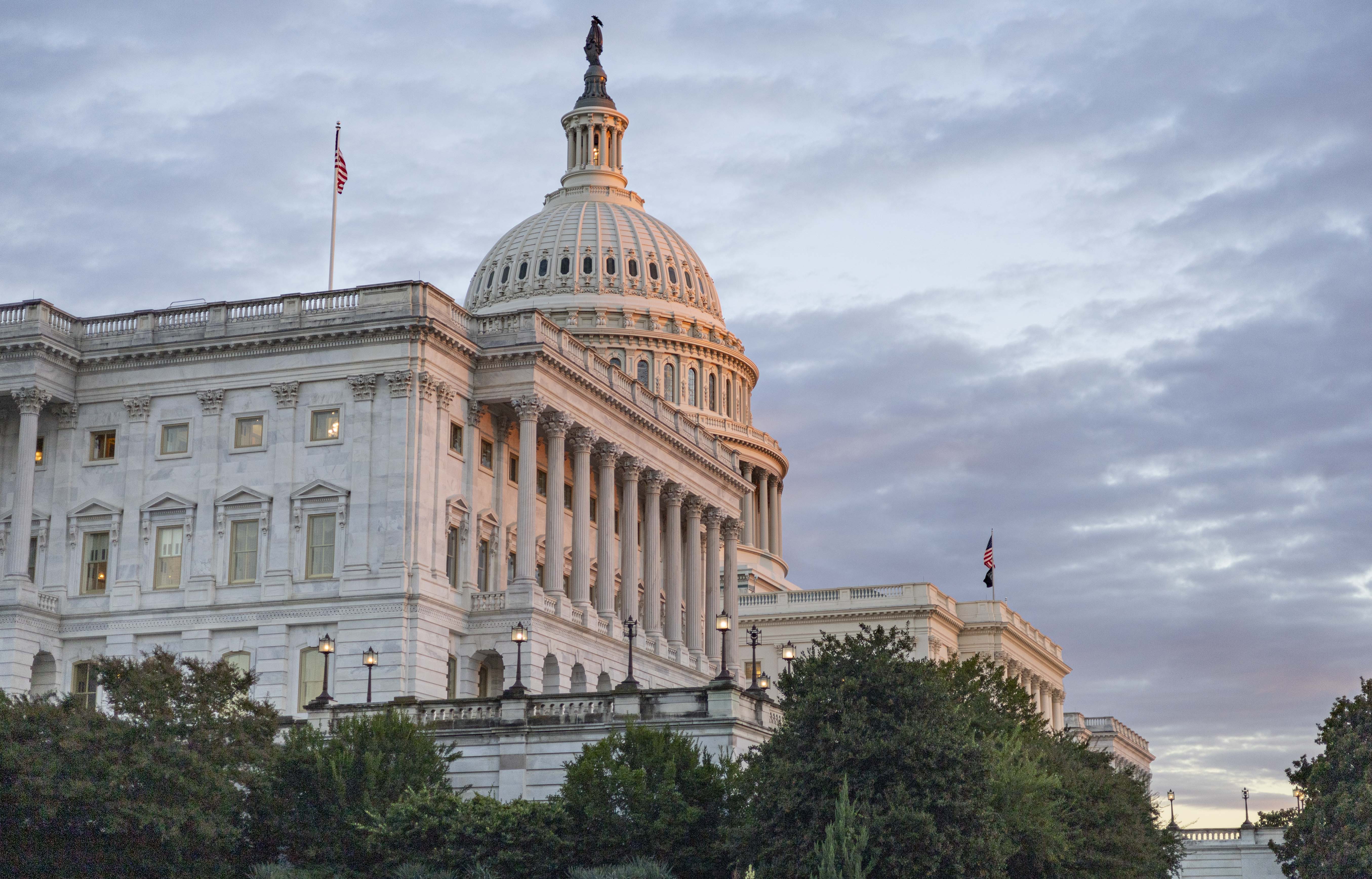
The United States Capitol Building is pictured. The U.S. Senate passed the Protect College Sports Act on Monday. (Daily Bruin file photo)

By Jacob Nguyen
Sept. 30, 2026 10:39 a.m.
Perhaps the most extensive and comprehensive piece of United States legislation to govern collegiate sports has just been passed.
The U.S. Senate passed the Protect College Sports Act on Monday night in a vote of 77-22 after it was initially proposed in May with bipartisan support led by Sens. Maria Cantwell (D-WA) and Ted Cruz (R-TX). The bill was first proposed in response to a number of sweeping changes to the college landscape regarding name, image and likeness, eligibility, and transfers.
The bill grants the NCAA a limited antitrust exemption that provides the association protection from federal lawsuits or more oversight over its enforcement of compensation, transfer and recruitment restrictions. In June, the NCAA changed its eligibility rules to grant all student-athletes an automatic five years, while also eliminating the redshirt policy.
Over the summer, a plethora of athletes from the high school recruiting class of 2022 took legal action to obtain an additional year of eligibility, including former UCLA men’s basketball guards Donovan Dent and Skyy Clark, who both committed to LSU after stints in Westwood.
[Related: Former guard Donovan Dent heads to LSU, set to reunite with former Bruin Skyy Clark]
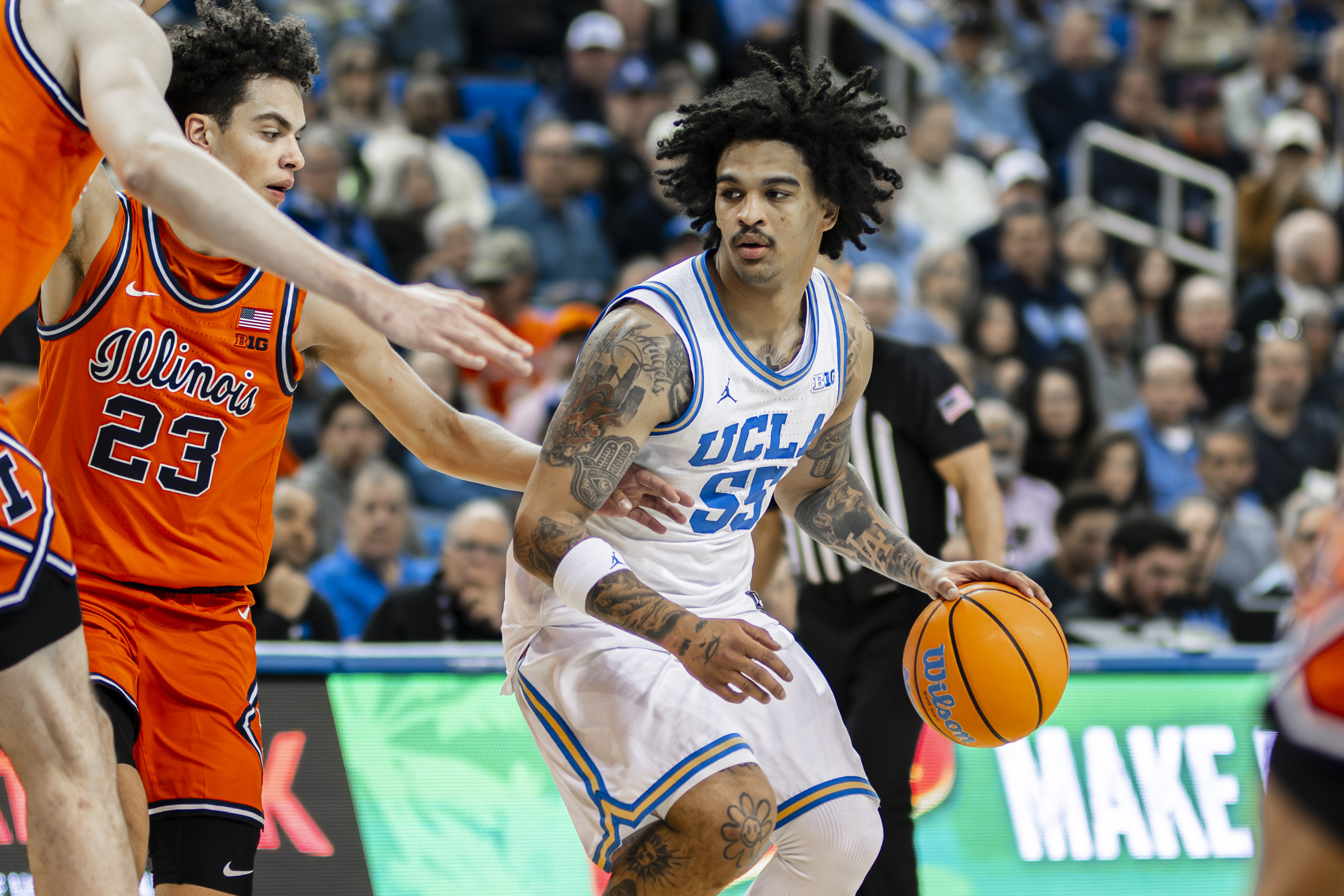
Although some critics denounce NIL as a net negative for college sports – motivating student-athletes to prioritize profit over loyalty – the act upholds student-athletes’ right to enter NIL agreements. However, they must report any compensation above $600 in value. Additionally, they are permitted one transfer during their collegiate careers without losing any eligibility, barring extenuating circumstances.
[Related: Football’s trajectory turns unpredictable with new eligibility rules, NIL changes]
The NCAA itself has been a vocal supporter of the PCSA, with President Charlie Baker thanking the Senate for its efforts in protecting college sports.
Several conferences have also been supportive of the bill, with many – including the Big Ten – having passed their own regulations on player eligibility, restricting those who have signed professional contracts from rejoining collegiate programs.
Several football and basketball players who initially departed college for attempts to play in the NFL and NBA have sought returns to the NCAA, including UCLA linebacker Trent Hendrick, who committed to UCLA after four years at James Madison and brief participation in NFL training camps.
[Related: The Chesney train rolls on, adding Trent Hendrick to the JMU-to-UCLA pipeline]
The bill will now move to the House of Representatives, which is currently in recess until the November midterm elections are over.