UCLA co-led institutes receive $75 million in NSF grants for quantum technology
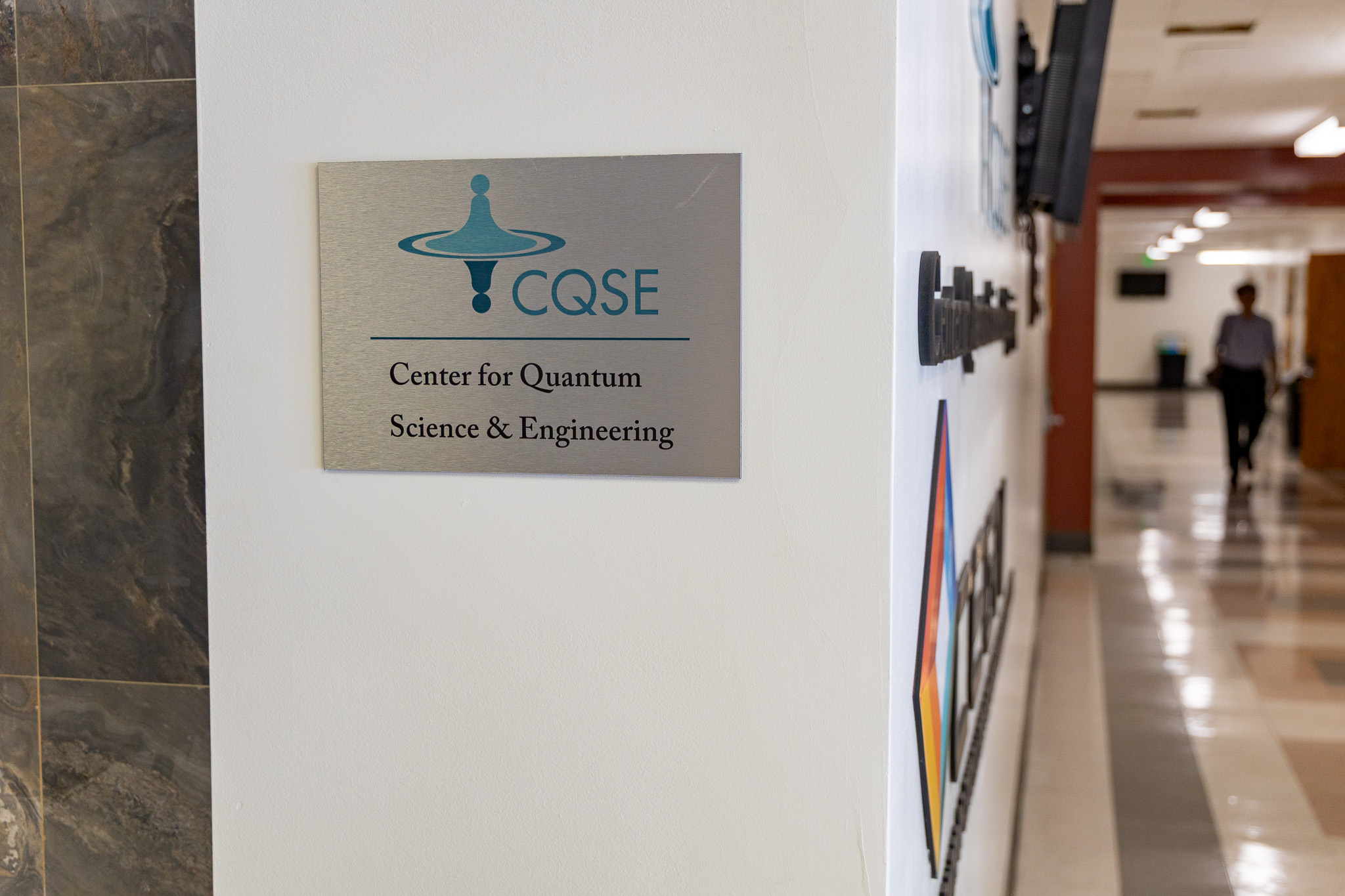
The Center for Quantum Science & Engineering is featured, which is co-led by Jens Palsberg, a professor of computer science and co-principal investigator of one of the institutes. Researchers said these grants will create more opportunities for students and increase UCLA’s presence in the field of quantum computing. (Chenrui Zhang/Daily Bruin staff)

By Chenrui Zhang
Sept. 26, 2026 8:29 p.m.
This post was updated Sept. 27 at 11:54 p.m.
Two quantum computing institutes co-led by UCLA researchers received grants from the National Science Foundation worth a combined $75 million Aug. 25.
The institutes – Fault-Tolerant Quantum Systems, Architectures and Applications and the Challenge Institute for Quantum Computation – aim to advance quantum technologies, which function faster than classical computers or standard digital devices.
Researchers said the two NSF grants, each worth $37.5 million over five years, will strengthen UCLA’s place in quantum computing research nationwide.
“This creates a huge opportunity for everybody at UCLA who wants to get involved in quantum,” said Jens Palsberg, a professor of computer science and co-principal investigator of CIQC.
The quantum computation institute, founded in 2020, aims to develop more efficient quantum computers and understand nature through quantum information science, according to its website.
The institute building fault-tolerant systems – co-led by the UCLA Henry Samueli School of Engineering, Massachusetts Institute of Technology and Harvard University – is focused on developing reliable and accessible quantum systems, said Jason Cong, a UCLA distinguished professor of computer science and a co-principal investigator of FTQSAA in an emailed statement.
Both institutes involve researchers from different fields, spanning physics, computer science, chemistry and engineering.
Palsberg said the NSF grant will help the quantum computation institute expand its research on qubits – the quantum version of a traditional computer bit, or the basic unit of digital information.
The NSF grant will also allow the quantum computation institute to employ more postdoc researchers, doctoral students and undergraduate students with research interests in quantum computing, Palsberg added.
John Ye, a doctoral student advised by Palsberg, said the funding has helped him focus on his research instead of taking on extra work as a teaching assistant.
“These fundings are crucial,” said Leo Zhou, an assistant professor of electrical and computer engineering. “Especially (when) there are much fewer positions available for students.”
Quantum computing is one of the few fields that often receives federal funding, Zhou said. Many of his colleagues in other fields, though, have experienced a more challenging federal funding landscape in the past few years, he added.
“Quantum computing, among other things like AI, are singled out as things that are somewhat priorities and immune from funding cuts (from the federal government),” he said.
The federal government suspended $584 million in UCLA’s federal research grants in July 2025, alleging that the university allowed illegal affirmative action, “men to participate in women’s sports” and antisemitism. Chancellor Julio Frenk denied the federal government’s allegations in a January interview with The Bruin.
Hiring freezes across labs also reduced research opportunities for postdoctoral researchers and graduate students. Some researchers who were already working in research labs lost their salaries until their grants were restored later in 2025.
A federal judge restored most of the grants in August and September 2025.
[Related: One year after $584 million federal funding freeze, UCLA research still recovering]
Ye said the NSF grants are extremely competitive among universities across the country.
“This grant really cements UCLA as a leading player in the whole quantum computing field,” Palsberg said. “Out of the eight institutes that are going in the second round of QLCI (Quantum Leap Challenge Institute), two of them have participation from UCLA. There are not so many universities that can say that.”