Robert Carradine’s family sues UC Regents for neglect after his death at UCLA hospital
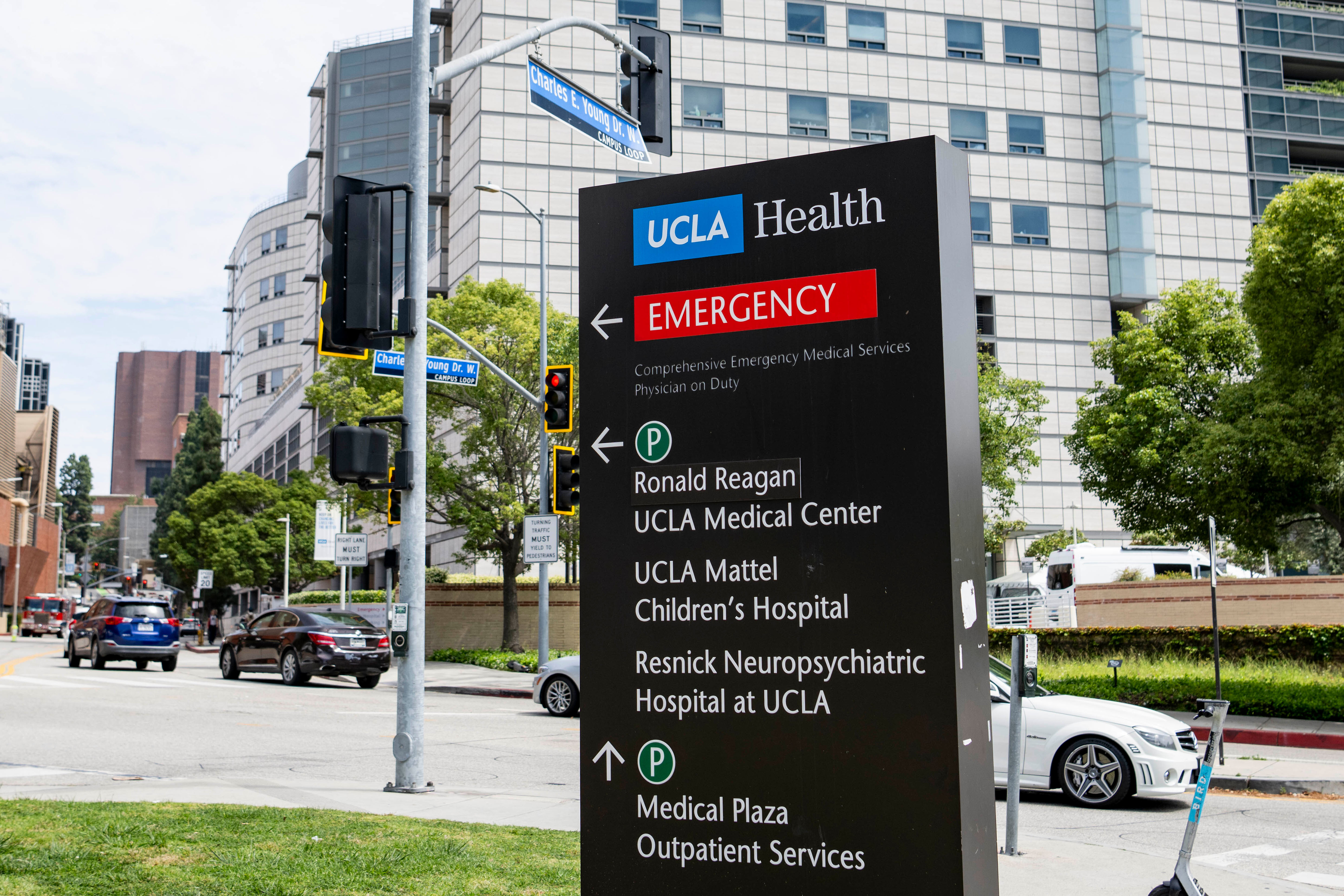
Cars drive by a UCLA Health sign. Actor Robert Carradine’s family filed a lawsuit against the UC Board of Regents on Aug. 7, alleging that medical neglect at UCLA’s Resnick Neuropsychiatric Hospital led to his death. (Crystal Tompkins/Daily Bruin senior staff)

By Savannah Cunningham
Aug. 17, 2026 8:49 p.m.
This post was updated Aug. 23 at 6:14 p.m.
Editor’s note: This story includes discussion of suicide. If you or someone you know needs help, you can reach the national suicide and crisis lifeline in the United States by calling or texting 988.
Actor Robert Carradine’s family filed a lawsuit against the UC Board of Regents on Aug. 7, alleging that medical neglect at UCLA’s Resnick Neuropsychiatric Hospital led to his death.
His family alleged in the lawsuit, filed in the Los Angeles Superior Court, that UCLA Health staff committed elder abuse and neglect, and that his death could have been prevented. Carradine – who appeared in films including “Revenge of the Nerds,” “Escape from L.A.” and “The Big Red One” – died Feb. 23 at the hospital after a brain injury. He was 71.
Carradine checked himself into the facility Jan. 16 after having suicidal thoughts. The staff did not confiscate his belt or belt buckle, which are considered contraband items in the psychiatric facility, according to the lawsuit.
He was found unresponsive 19 hours after checking into the hospital and used the belt to attempt to take his own life, his family alleged in the suit.
“He knew he was not safe to be left alone, and he trusted UCLA to provide custodial supervision and the ordered fifteen-minute observations necessary to keep him safe,” the lawsuit stated.
The UC Office of the President, UCLA Health Media Relations and Carradine’s family did not immediately respond in time to a request for comment on the lawsuit.
Carradine’s family claimed in the lawsuit that hospital staffers reported having checked on Carradine “without ever looking at him.”
“UCLA allowed staff to cut corners knowing that doing so placed its patients with suicidal ideation, including Robert at risk of suicide and death,” the lawsuit stated.