Theater review: ‘Hell’s Kitchen’ brings viewers to ’90s New York for a coming-of-age story
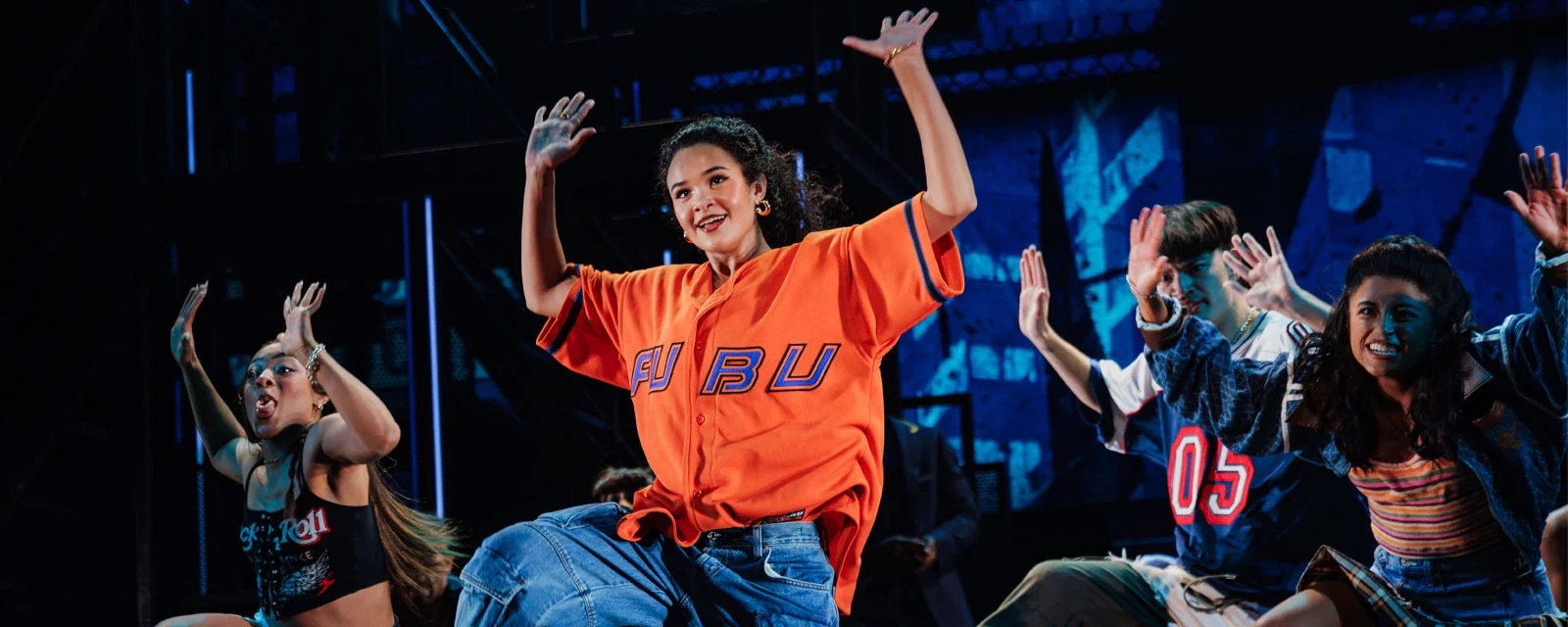
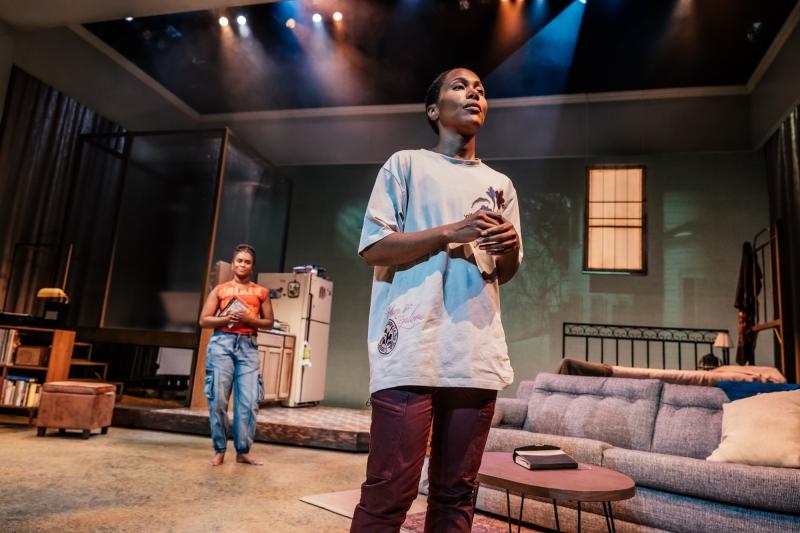
Maya Drake dances in an orange shirt and dark jeans. The 19-year-old makes her professional stage debut in “Hell’s Kitchen.” (Courtesy of Marc J. Franklin)
“Hell's Kitchen”
Pantages Theatre
May 26 to June 21


By Alexis Coffee
May 31, 2026 3:38 p.m.
To Alicia Keys, “Hell’s Kitchen” is still a concrete jungle where dreams are made of.
Featuring music and lyrics by Keys, inspiration from a book by Kristoffer Diaz and direction by Michael Greif, “Hell’s Kitchen” is a coming-of-age musical about a biracial teenager growing up in the city of dreams. Alicia Keys’s jukebox musical opened at the Pantages Theatre in Los Angeles on Tuesday and runs until June 21. “Hell’s Kitchen” is semi-autobiographical and was produced with significant involvement from Keys. The show follows Ali (Maya Drake), a 17-year-old girl navigating the bustling world of creativity, relationships and social hierarchy in 1990s Hell’s Kitchen, Manhattan.
The play begins with Ali, the biracial daughter of her white mother, Jersey (Kennedy Caughell) and Black father, Davis (Desmond Sean Ellington). Jersey’s fierce overprotection over her daughter has evolved into controlling behavior, while Davis, a musician, has an inconsistent presence in Ali and Jersey’s lives. Ali continues to have a hope for a stronger connection with her father that consistently turns into disappointment. During the show, she talks directly to the audience, welcoming them to her apartment building. As she rides the elevator, she stops on each floor to share stories about the people who live there – from musicians and artists to her friends who gather outside to drum on buckets and dance.
[Related: Theater review: ‘The Sound of Music’ arrives at Pantages Theatre, brings standout acting, singing]
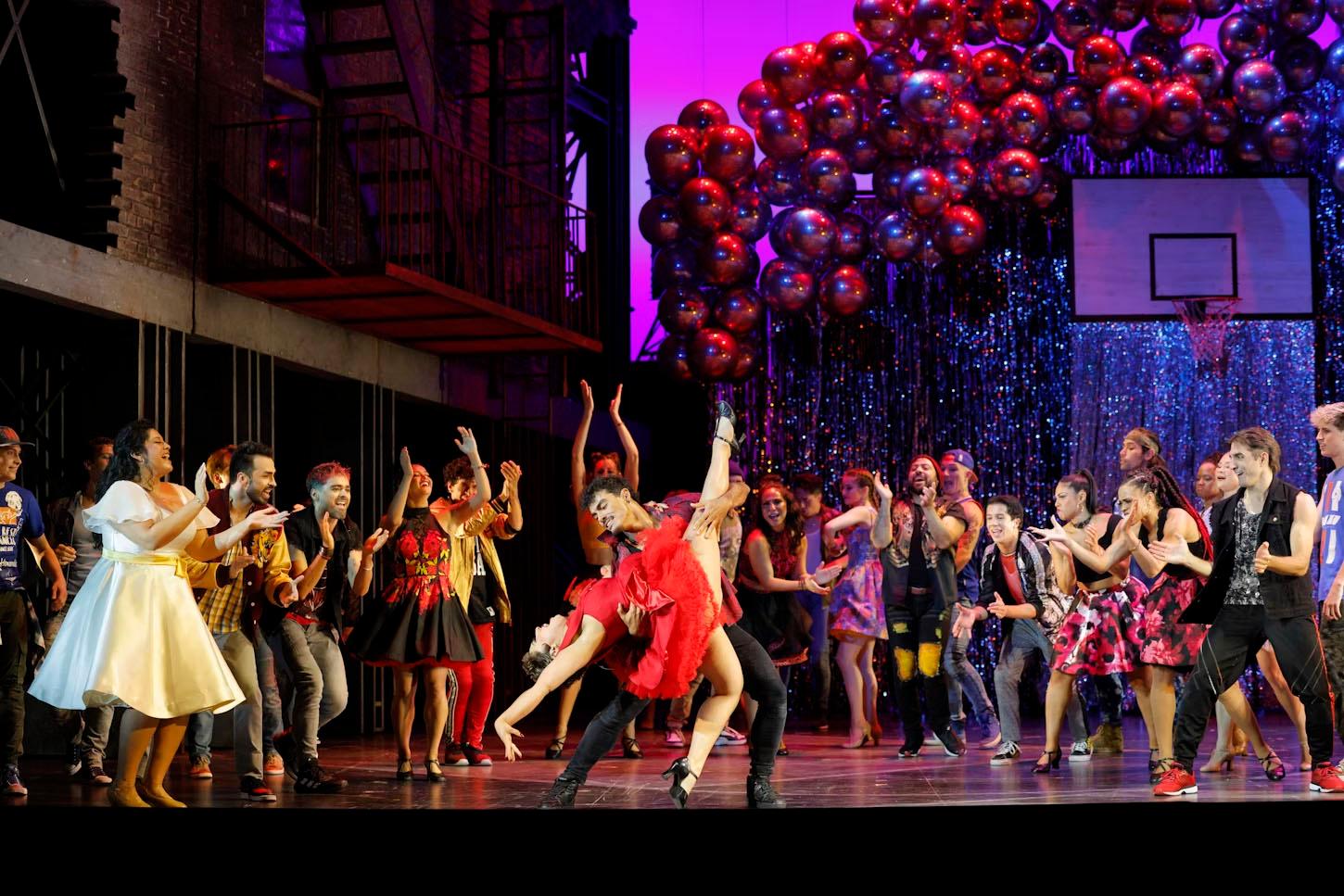
The set, designed by Robert Brill, stacks Hell’s Kitchen vertically – fire escapes climbing toward the sky are animated by Peter Nigrini’s projections – with oranges, purples, yellows and greens creating a classic ’90’s artist world with endless possibilities. Meanwhile, Camille A. Brown’s hip-hop-influenced choreography benefits the story as powerfully as any lyric could. Dede Ayite’s costumes perfectly capture the contrast between generations. Ali’s mom wears high-waisted jeans and fitted blouses as she announces she built a life for herself that she will protect. Ali and her friends, by contrast, are artsy, experimental and young, opting for baggy clothes, rhinestones, jerseys and sneakers.
In the lead role, 19-year-old Maya Drake makes her professional stage debut with confidence and a voice that strikes a balance between a BFA-style belt and a soulful R&B texture. She plays Ali, a girl who feels everything before she has the words to express any of it. In the song “Kaleidoscope,” she stumbles into the music room at the bottom of the apartment complex, known as the Ellington Room, where a resident, Miss Liza Jane (Roz White), plays the piano. The instrument soon becomes Ali’s outlet – a way to escape from her mother and express feelings she struggles to put into words.
The play’s finest musical moment is “Gramercy Park,” which depicts Ali developing a crush on Knuck (JonAvery Worrell). Knuck is an older boy from the neighborhood’s sidewalk bucket drumming circles who Ali tracks down at his work as a painter and convinces him to give her a chance. Drake and Worell’s voices blend together smoothly. The song is sung with a stillness and urgency that captures a kind of youthfulness when the weight of the world is heavy, yet bearable, and love and dreams are possible.
Act one begins to end with “Girl on Fire,” a track which holds a double meaning as Ali feels on top of the world and is also quickly heading towards disaster, as she and Knuck sneak around. When Jersey walks in the apartment and sees Ali and Knuck, she kicks him out and calls the police, who arrest Knuck for show but release him at the police station. “Perfect Way to Die” is the final song of act one, sung by White, which takes the form of a slow ballad and reflects on police brutality and racism.
[Related: Theater review: ‘Exit the King’ is beautifully acted, but its tensions dies out with the subject]
Act two opens with the fallout from the previous act. Ali refuses to speak to Jersey, the apartment is cold and the silence between them is loud. This continues for weeks until Jersey, out of options, calls Davis. Jersey and Davis have a funny and flirty moment during “Fallin.” However, Jersey realizes the cycle of their relationship and refuses to fall into his trap of hope again. Ali and Davis reconnect in a sweet moment over “If I Ain’t Got You,” but the stage loses its warmth again when she realizes he’s not sticking around.
Caughell is the production’s most combustible force, embodying a woman who survived living in New York alone and has been dealing with the emotional repercussions for it in ways she cannot articulate. “Pawn it All” is the show’s greatest vocal performance, propelling the entire audience to their feet after she crashes Davis’ audition with the fury of a woman who has run out of patience, warning him to stop hurting their daughter the way he once hurt her.
Jane, meanwhile, is carrying a secret of her own – she is terminally ill and hasn’t told Ali, who sees her as a maternal figure. White plays her with a weathered stillness that makes every piano lesson carry an unbearable burden. Ali is too wrapped up in her own issues to notice. When Jane dies, Ali is racked with guilt, but when Davis sits down to play “Hallelujah/Like Water,” Ali joins with ethereal and open high notes to perfectly express mourning.
The show’s other greatest moment comes at the end, in “No One.” Davis has failed to arrive for dinner again, and it is just Ali and Jersey – exactly how it’s always been. The song reframes their entire relationship – not as war but as a love story between a mom and daughter who needed each other all along but have been too afraid to show it.
Unfortunately, the show’s most central prop is also its most persistent distraction. Playing the grand piano in the Ellington Room is mimed throughout the show – with Music Director and Keyboardist Emily Orr playing from the pit. In a production that is committed to feeling real in every other way, watching the actor’s hand on stage and hearing sound come from somewhere else takes one out of the moment. Despite this, the show made up for it in the rest of the music. Orr is exceptional, and the music is never anything less than exhilarating, perfectly timed and passionate.
Altogether, “Hell’s Kitchen” is a show that earns everything it reaches for. When the full company takes the stage for “Empire State of Mind,” every voice, every story and every body from that apartment building is heard. The song is full of love and life and it is impossible not to groove and sing along.
This show has a universal audience appeal yet may feel especially moving for those like Ali, sitting in the audience having spent their whole lives existing between two words, still figuring out which part of themselves they are allowed to keep and how to never stop dreaming.