TAs voice concerns over discussion enrollment increases for clusters


By Zachary Turcios
March 11, 2026 9:47 p.m.
This post was updated March 11 at 10:02 p.m.
Teaching assistants in the UCLA Cluster Program said discussion section size increases stemming from budgetary issues have left them stretched thin.
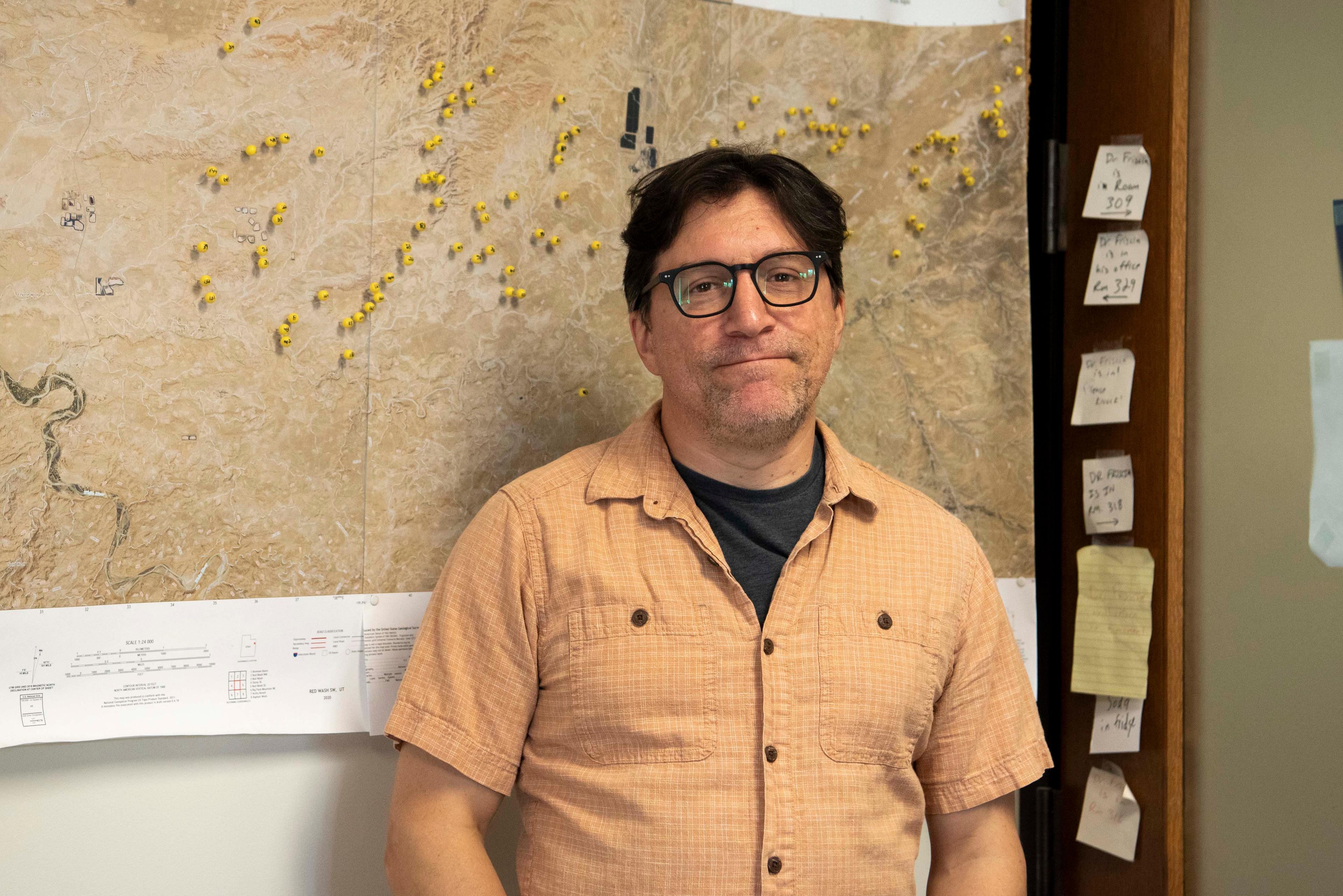
The UCLA Cluster Program increased its discussion section sizes by 25% for the 2025-26 academic year, said Anthony Friscia, the director of the cluster program in an October interview. The clusters – which UCLA has offered for nearly 30 years – are a set of yearlong, interdisciplinary general education courses that are designed to foster community for first-year students while allowing them to fulfill general education and Writing II requirements.
Funding to the cluster program has not gone up over the past 10 years despite rising costs such as teaching assistant salaries, leading the program to implement cost-cutting measures such as increasing the number of students enrolled in each section, Friscia said in a March 11 emailed statement. He also said in the October interview that proposed budget cuts would have made the program have to cut enrollment by 50%, but UCLA administrators intervened, allowing them to continue the program at its current enrollment levels.
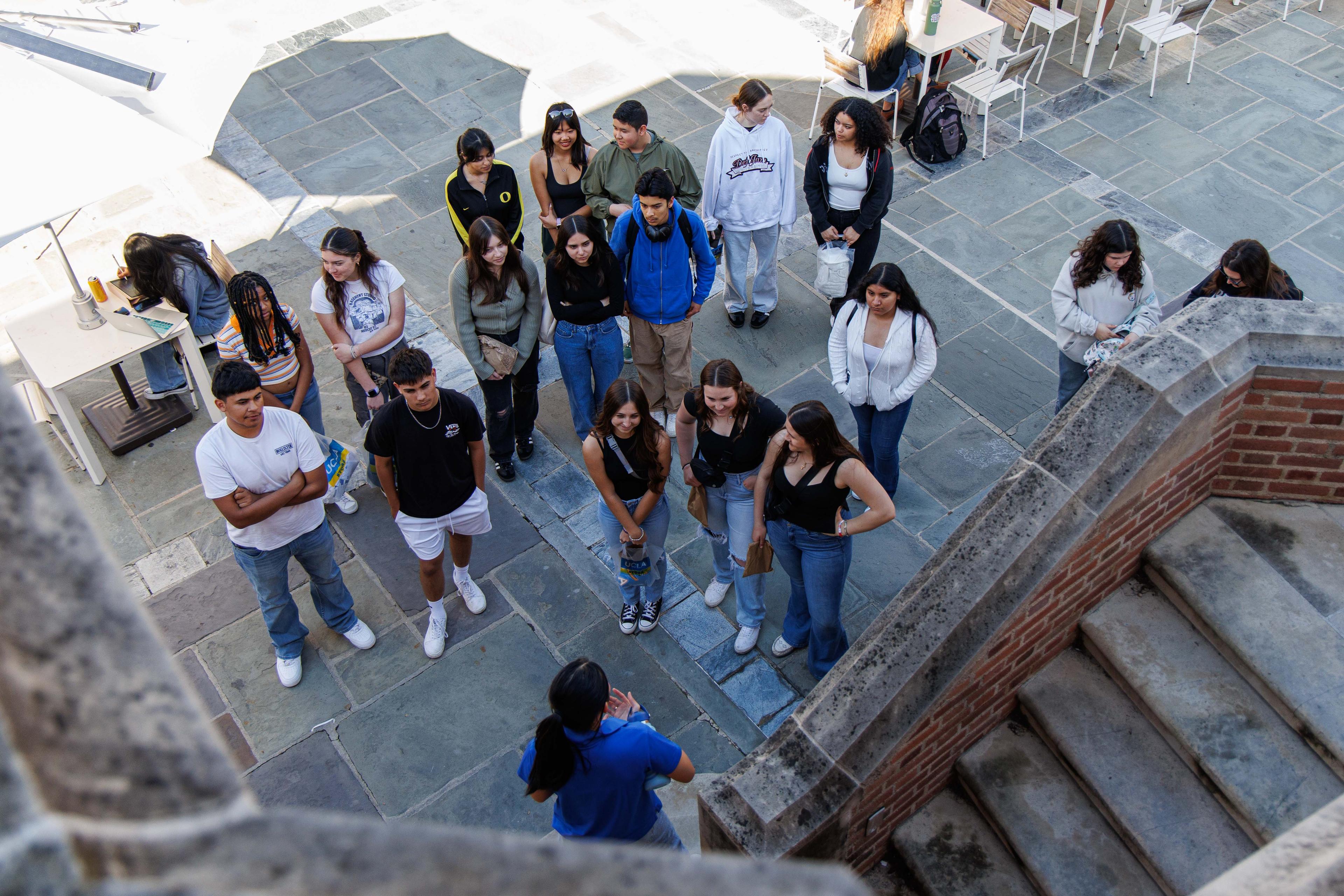
Cluster discussion sections, which TAs lead, now have 25 students instead of 20, Friscia said in the interview.
“The budgetary things that are going on right now definitely hit us, and we had to make some changes to the program,” Friscia said in the October interview. “A 25% increase doesn’t sound like a lot, but when you’re teaching writing and you want that community aspect of it, it’s a big deal.”
[Related: Q&A: Director Anthony Friscia discusses ethos of UCLA first-year cluster program]
UCLA is projected to run a $425 million deficit for the 2025-26 school year, Stephen Agostini, UCLA’s former chief financial officer, said in a Feb. 6 interview with the Daily Bruin. He added that 75% of academic units are running operational deficits.
[Related: Financial mismanagement contributed to $425 million annual deficit, UCLA CFO says]
Mary Osako, vice chancellor for strategic communications, denied the projection Agostini gave to the Daily Bruin in a Feb. 17 statement, saying it was an overestimate. UCLA announced that Agostini was out as CFO that same day.
Friscia originally agreed to a follow-up interview with the Daily Bruin on Nov. 20 about the future of the cluster program. However, he canceled the interview the day of and later said he could no longer comment.
A Daily Bruin reporter also emailed a UCLA Media Relations spokesperson, who did not respond in time to a request for comment, with questions about the cluster program’s budget and increased discussion section sizes.
The spokesperson forwarded the Bruin’s questions to Friscia and Charlotte Vo, the Undergraduate Education Initiatives manager for the cluster program. Friscia then said in a March 11 emailed statement in response to the questions that he could not say much about the cluster program’s budgetary situation, since its funding for the 2026-27 academic year is not finalized.
Summer Lopez Colorado, a TA in the cluster program for several years, said the university did not notify TAs about the increased student enrollment in discussion sections, making it difficult to accommodate the larger group.
The cluster program is more hands-on than other UCLA classes, Lopez Colorado said, as first-year students take three courses with the same cohort. Increasing discussion sizes in the cluster program risks taking that away, she added.
“When you reduce the amount of time that TAs are realistically able to make that genuine connection, students will just continue to lose out,” they said. “There’s not anything that you can use to supplement personal connection.”
Jennifer Jay, a professor and coordinator within the cluster program, said she had to shift to grading for completion rather than accuracy to account for the increase in discussion sizes.
“Everything except the one big assignment is just full credit for full effort, and the students can take it less seriously,” Jay said.
Increasing discussion section sizes gives TAs less time to conduct their own research, Jay added.
Kaija Gahm, a TA in the cluster program, said the student enrollment increase has made it more difficult to achieve the cluster’s academic mission. She added that it is harder to ensure that every student who needs help gets it.
“Five students doesn’t sound like a lot, but then you take into account that the cluster is trying to be many things at once,” Gahm said. “In many cases, these students are non-science majors. This may be their first or only experience to science while they’re at UCLA. We really want them to gain familiarity with scientific methods and potentially get realy excited about science, but the less time we have to devote to their learning, the harder it is to accomplish that.”
Oscar Schlichting, a second-year economics student, said the program gave him a unique experience that he might not have been able to find in a different class at UCLA. He added that his cluster – which had a life science focus – allowed him to explore a field outside of his major.
Schlichting said in a texted statement that he does not believe that the switch to grading by completion will impact student learning, but it will help mitigate TA’s increased workload – especially in science-based clusters.
“As an econ major, I haven’t had any hands-on discussions, except for this cluster class. … We were actually touching fossils, touching meteorites, looking at things, observing things, going to museums, and that was extremely unique,” Schlichting said. “I don’t think I’ll find that again at UCLA.”