UCLA CFO out days after alleging history of financial mismanagement
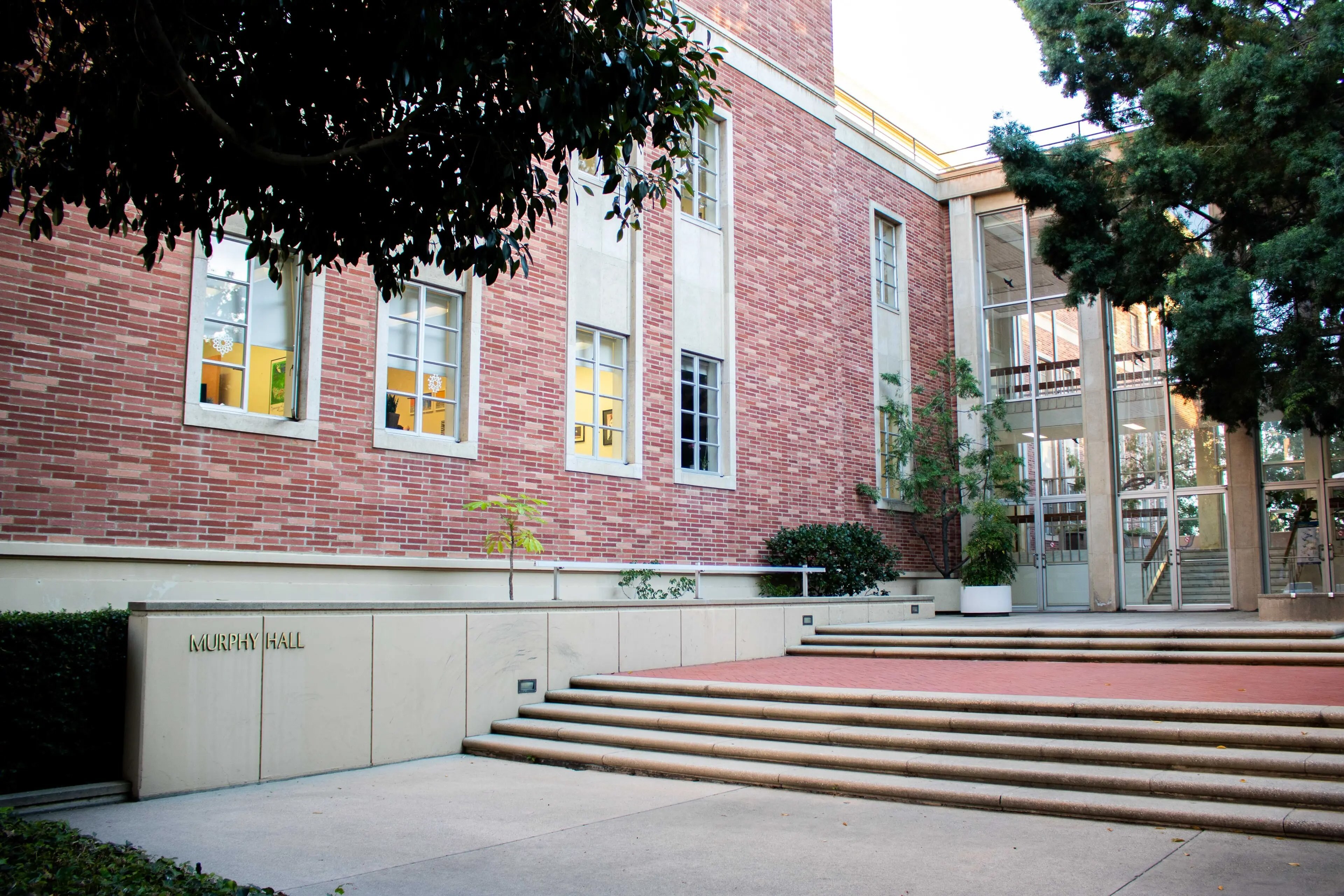
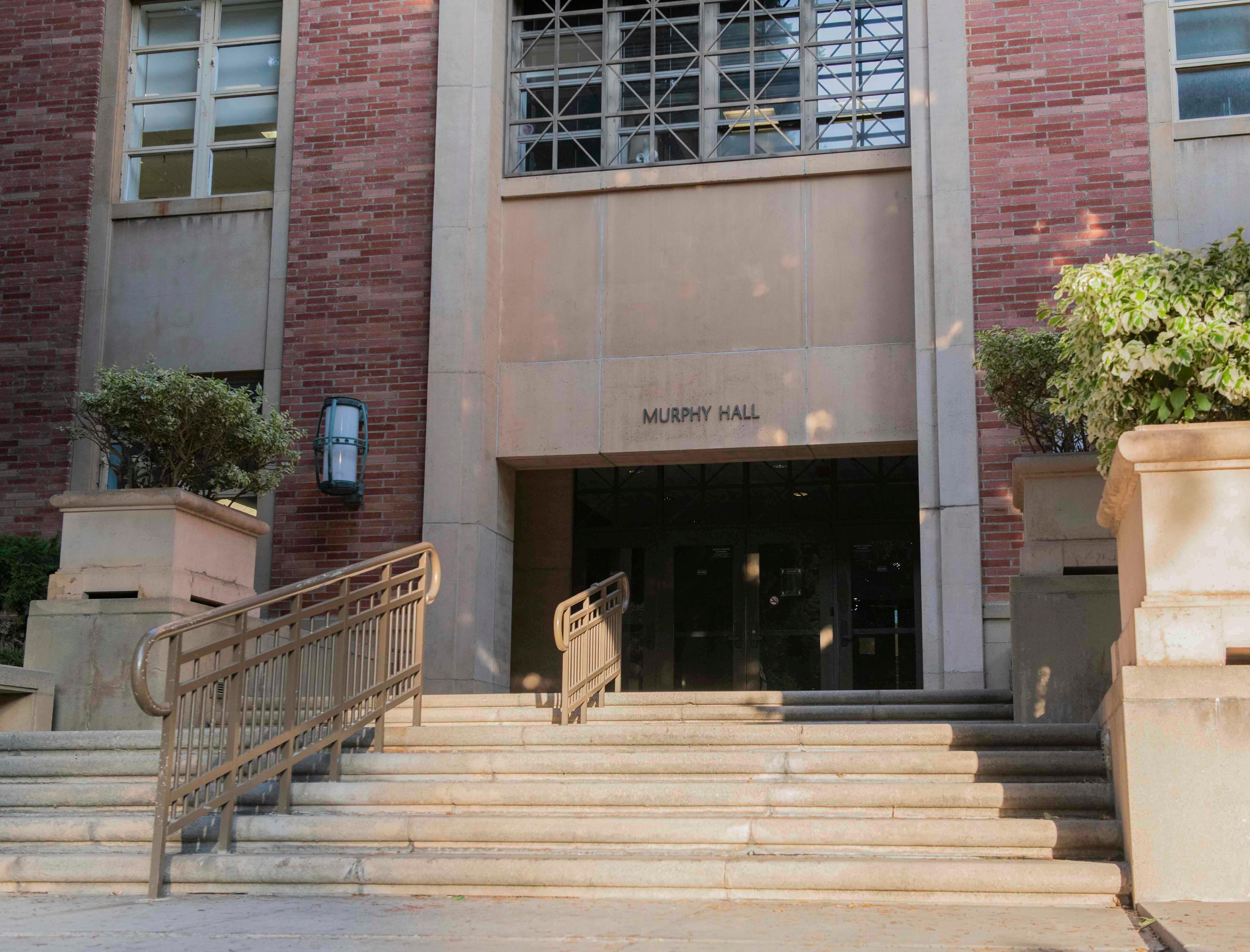
Murphy Hall, which houses the office of UCLA’s chief financial officer, is pictured. Chancellor Julio Frenk announced in a campuswide email Tuesday that Stephen Agostini will no longer serve as CFO, days after Agostini alleged that the university’s financial mismanagement contributed to a $425 million annual deficit. (Daily Bruin file photo)

By Natalia Mochernak
Feb. 17, 2026 11:35 a.m.
This post was updated Feb. 18 at1:07 p.m.
Stephen Agostini is out as UCLA’s chief financial officer, Chancellor Julio Frenk announced in a campuswide email Tuesday.
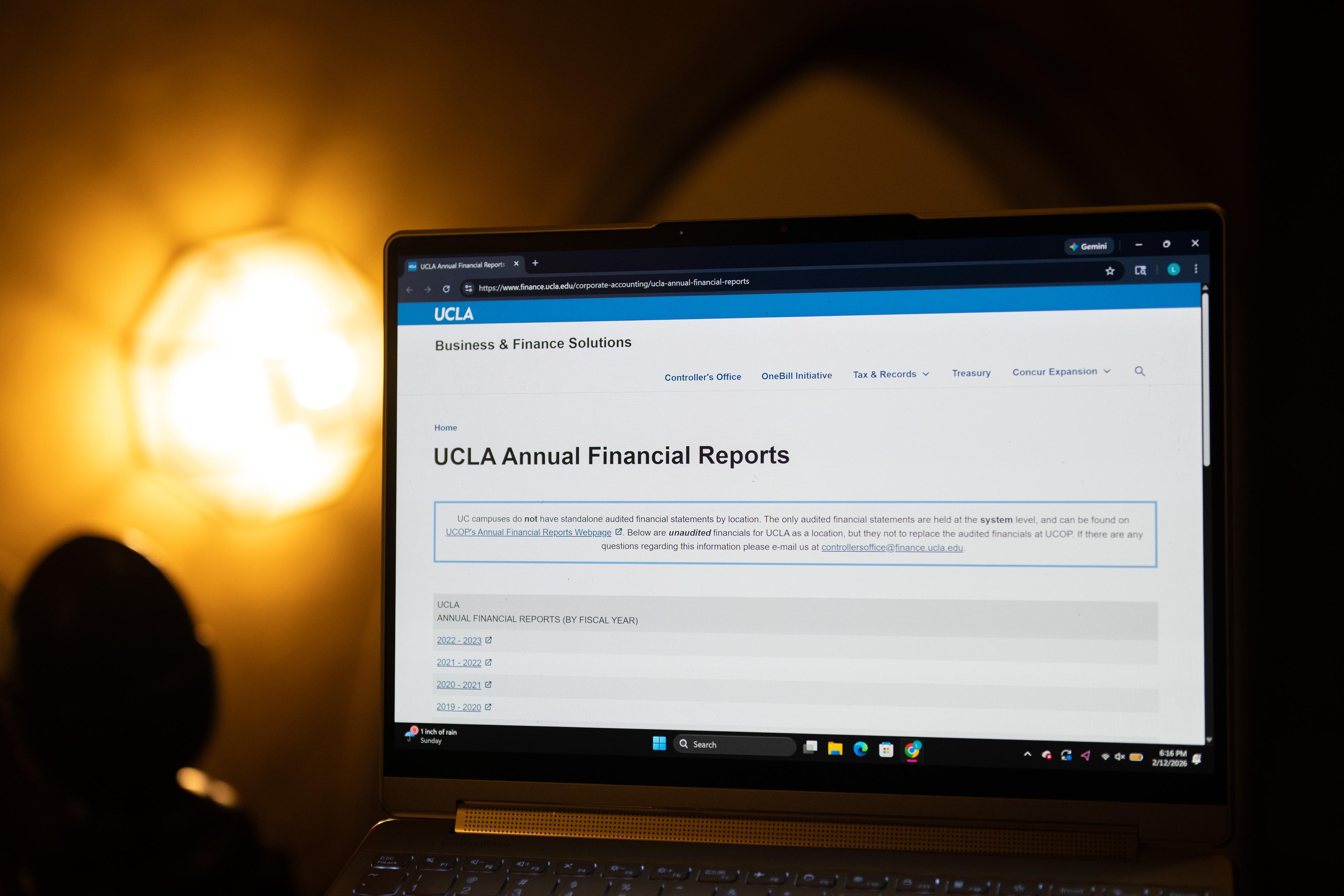
The change in leadership comes four days after the Daily Bruin published a story Feb. 13 in which Agostini – who had served as UCLA’s CFO since May 2024 – alleged that the university’s financial mismanagement contributed to a $425 million annual deficit. Agostini also alleged that UCLA’s unaudited annual financial reports that it had been posting on its website since 2002 contained substantial errors.
New reports were not posted for the 2023-24 or 2024-25 fiscal years while Agostini served as CFO.
[Related: Financial mismanagement contributed to $425 million annual deficit, UCLA CFO says]
A UCLA spokesperson declined to comment on whether Agostini was terminated from his position. Agostini did not respond to a request for comment on if he was terminated.
Frenk said in the email that Reem Hanna-Harwell, the senior associate dean for finance and administration in the UCLA College, will serve as the interim chief financial officer. He added that the university will begin searching for a permanent replacement in the coming months.
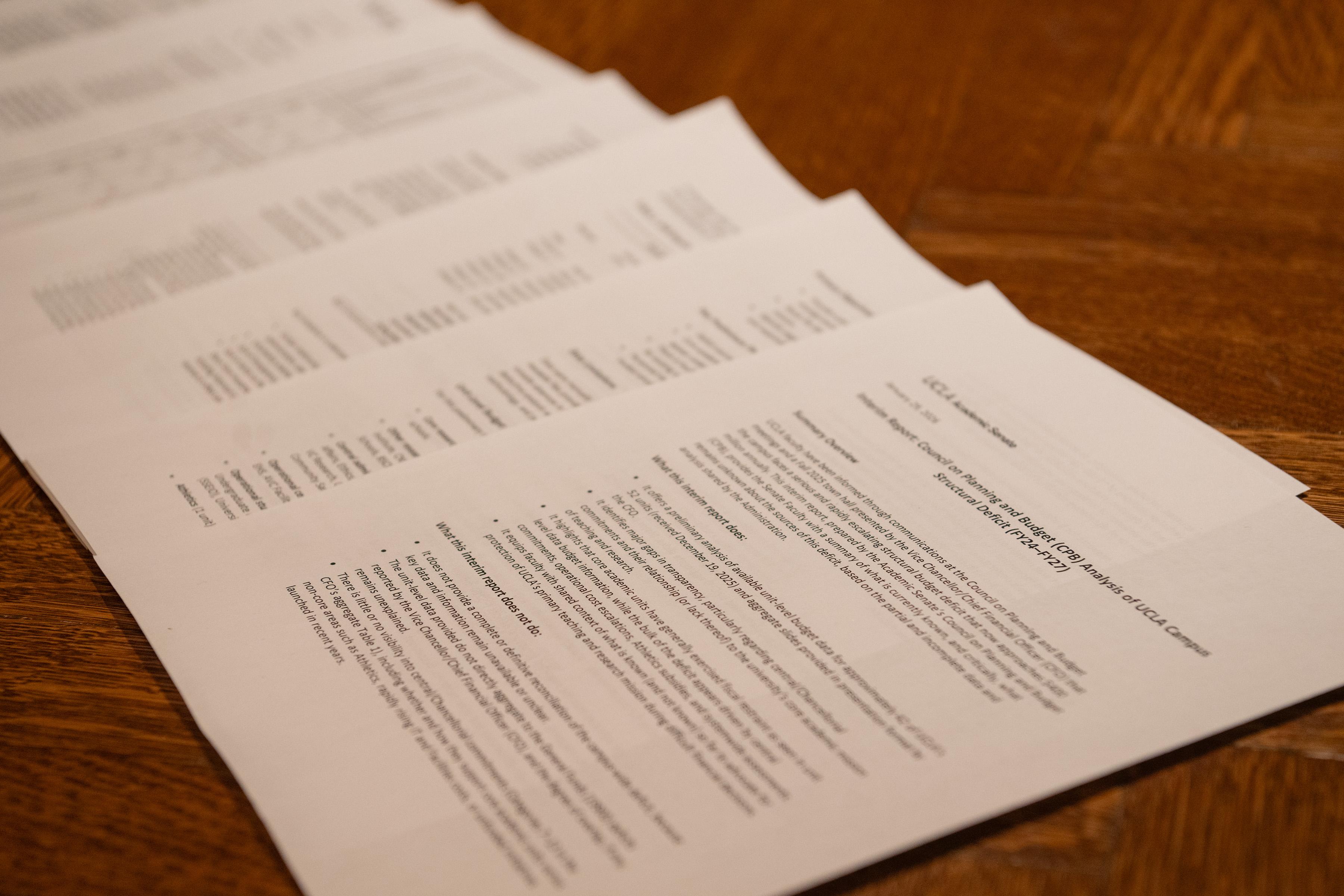
Mary Osako, UCLA’s vice chancellor for strategic communications, said in a Tuesday press release that Agostini’s $425 million deficit estimate was inaccurate. She added that the figure does not represent the university’s projected structural deficit – as it includes items which have been proposed but not approved.
“Based on approved expenditures, UCLA’s projected operating deficit is substantially lower than the amount referenced publicly,” Osako said in the statement.
She also denied claims that UCLA’s budgetary challenges are connected with spending growth or any specific administrative or academic unit, adding that the deficit reflects broader financial challenges affecting higher education as a whole.
“Like many universities, UCLA faces ongoing budget pressures and is actively managing financial challenges,” Osako said in the press release. “The university is actively exploring and developing new revenue opportunities, strengthening partnerships and advancing innovative funding models to support its core mission.”
Agostini, who was previously the associate vice chancellor of finance and budget at the University of North Carolina and worked different federal government offices, said he was shocked by UCLA’s financial mismanagement when he arrived. He alleged that previous and current administrators contributed to the university’s mismanagement.
However, Agostini said in a follow-up statement to the Daily Bruin on Thursday – six days after his interview – that he appreciated his predecessors’ perspectives.
Osako said in the statement that Chancellor Frenk is confident in the integrity of UCLA’s current leaders.
“Chancellor Frenk is confident in the integrity of UCLA’s leadership, past and present, and their financial oversight and decision-making processes,” Osako said in the press release. “Statements suggesting otherwise are unfounded and do not reflect his or UCLA’s position.”
Agostini also called the Ascend Finance Transformation Project – an effort to streamline the school’s finances by shifting its mainframe system – a waste of resources, adding that it lost the school $150 million.
Agostini said in the Feb. 6 interview that he stopped the project and confirmed in a Feb. 6 emailed statement that the project’s funding was pulled. UCLA established a new executive committee to address its aging financial system, which held its first meeting Friday, he added in the emailed statement.
Agostini said in a Thursday emailed statement that the project’s executive committee decided to pause the project, not him alone.
[Related: ‘One timeline after the other was not met’ – UCLA’s $213 million project is failing]
UCLA is working to mitigate the deficit through increasing operational efficiency and being more strategic with resources, Osako said in the press release.
“In spite of current strains, UCLA has the financial strength to maintain its excellence while adapting to new financial realities and opportunities,” she said in the statement. “The university remains focused on responsible stewardship, disciplined budgeting and long-term sustainability and will continue to provide updates through established budget planning and reporting processes.”