Tuition increases raise accessibility concerns in higher education
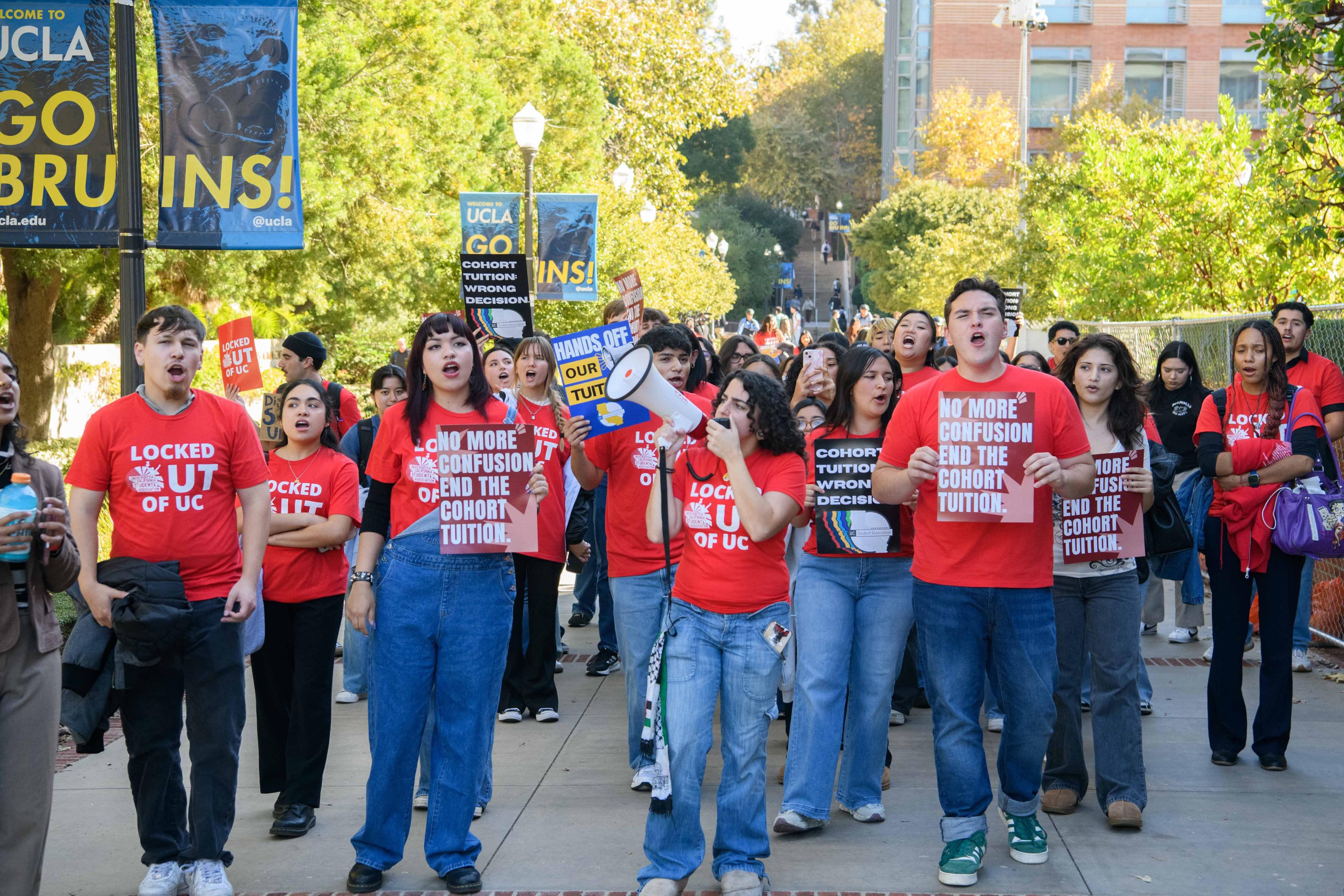
(Haley Park/Daily Bruin)

By Donya Hassanshahi
Feb. 5, 2026 9:12 p.m.
This post was updated March 3 at 8:13 p.m.
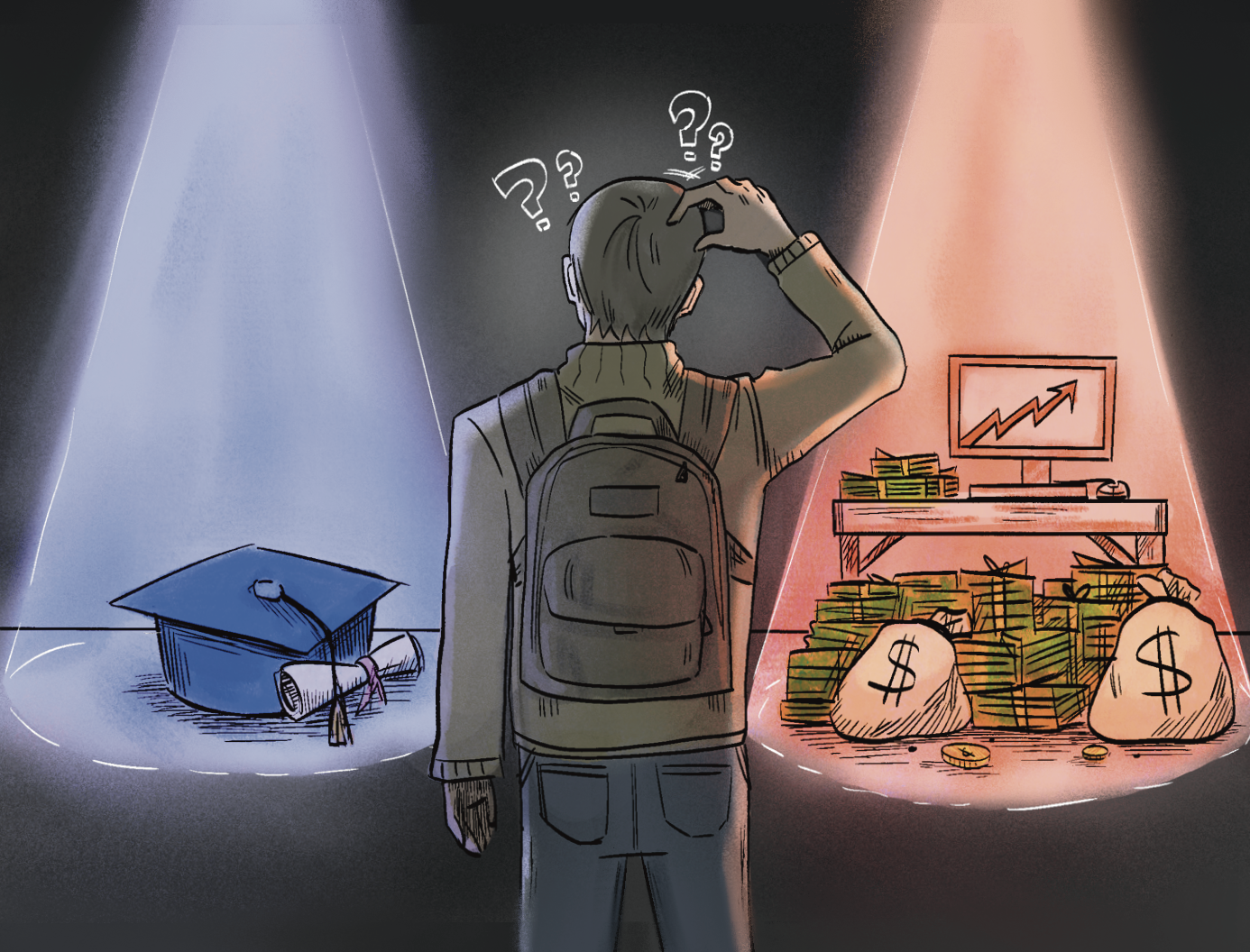
As tuition rates across the UC increase, students and educators have raised concerns about the accessibility of pursuing higher education.
[Related: UC Regents amend, renew progressive tuition increases for new students]
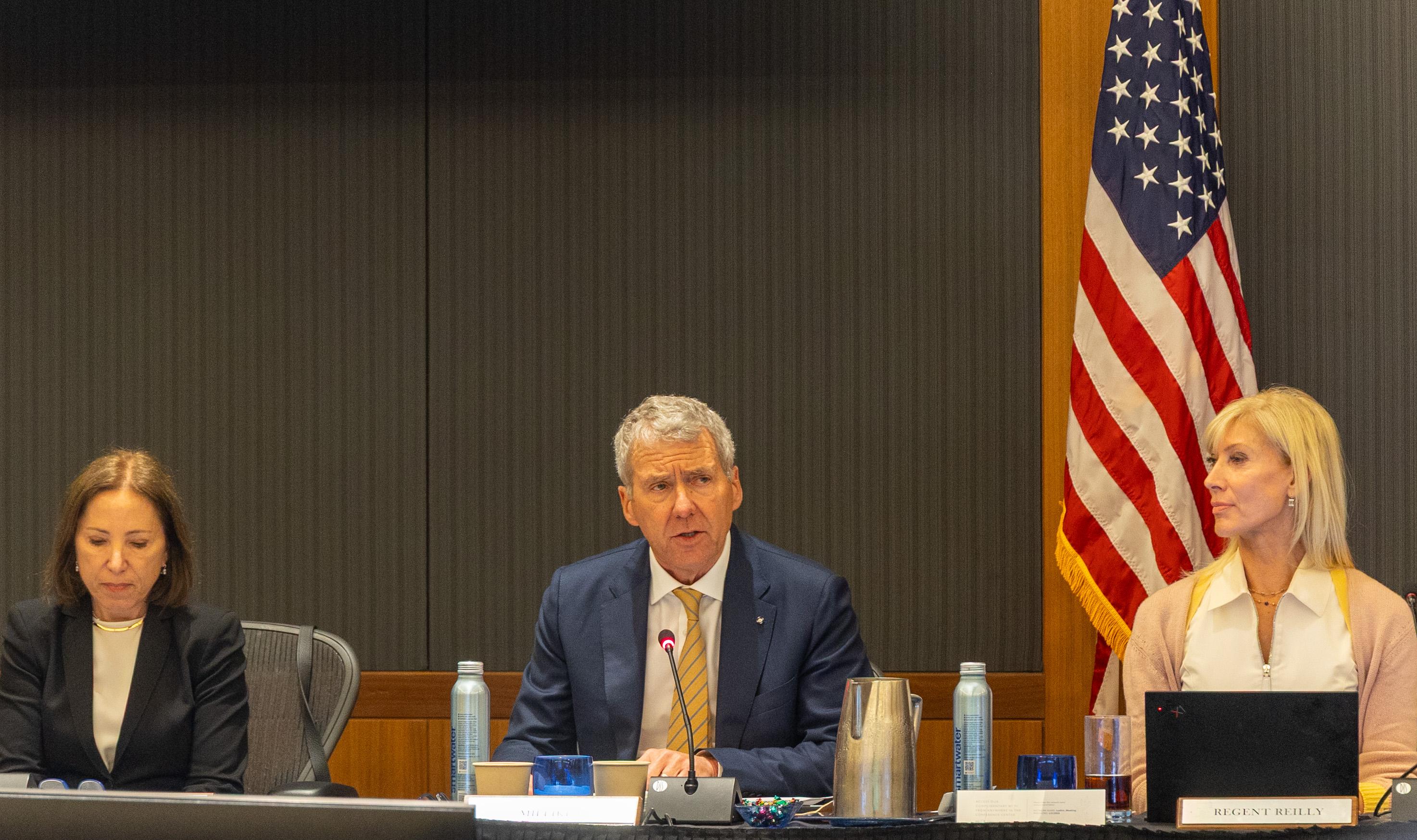
The UC Board of Regents increased tuition for UCLA’s Master of Fine Arts in design media arts and Master of Music programs Jan. 25. In November the regents also agreed to increase tuition rates for undergraduate students by 5% for the 2026-27 academic year.
[Related: UC Board of Regents approves plan to raise tuition for 2 UCLA graduate programs]
In 2024 the regents voted for a $3,402 tuition increase for students who enroll from outside California beginning this academic year, bringing total out-of-state tuition to $37,602. Furthermore, ABC News reported that tuition rates were increased to cushion funding gaps caused by the reduction in funding from the state and federal governments, as well as inflation.
[Related: UC Board of Regents recommends tuition increase for out-of-state students]
The UC schools are not the only universities raising tuition fees for their students.
According to the Hechinger Report, in 2025, college students across the country faced tuition increases of up to 10%, along with hikes in the costs of other educational amenities, such as dormitories and dining halls.
Eddie Cole, an education and history professor, said the rising cost of tuition contributes to a trend of students reluctant to seek higher education.
“There’s information coming from so many different directions now that people also can raise a curious eye around, ‘Should I go to campus for four to five years when surely I can just read some books and look at these reels and sort of try it myself?’” Cole said.
High tuition rates have also contributed to increasing dropout rates among college students, especially among students from lower income families.
As of 2024, California had the highest dropout rate in the country at about 6 million students per year, according to the research group Education Data. The same source reported that, as of 2023, 41% of the total 43 million students who have dropped out in the United States have done so because of financial hardship.
In a 2025 survey conducted by loan provider Sallie Mae, over 40% of college students reported that they have considered alternatives to college such as trade schools or apprenticeships.
Cole said many students are attending college solely for economic reasons and salaries earned upon graduation, rather than a love for learning.
“There’s a lot of focus on job placement, so a lot of people are going to college strictly for economic reasons,” Cole said. “Basically a return on investment is sort of the way a lot of people sit in classrooms now.”
The steady increase in the cost of attending college has contributed to the increasing number of students who decide not to attend college, according to the Hechinger Report. The financial burden and affordability of earning a degree is often one of the top deciding factors when high school students decide whether to attend college.
Tuition was not always so costly in California, as many students attended UC schools free of charge before Ronald Reagan’s governorship in 1967.
Since Reagan’s governorship established a precedent for charging tuition at public universities, student loan debt has escalated to approximately $1.6 trillion as of 2022, reported by the Swarthmore Undergraduate History Journal.
Reagan reasoned that imposing tuition at UC institutions would raise money to fund the system as well as incentivizing students who had a true interest in learning, rather than inspire student protestors to continue attending.
Reagan cited budget shortfalls and a desire to reduce the deficit as the main reason for proposing the implementation of tuition at universities.
The newly imposed tuition led to cuts in state funding for UC schools to curb the institutions’ support for student political activism.
Lynn Pasquerella, president of American Association of Colleges and Universities, said in addition to the cost, there has been a misalignment between the goals of students and the educational opportunities they receive.
“We see now that college graduates are often employed in jobs that don’t require a college degree,” Pasquerella said. “Their education is no longer relevant a few years later, so we have to address curriculum the career concerns.”
Pasquerella added that a misalignment in preparing students for their career aspirations and the workforce itself has contributed to the apprehension students have when considering furthering their education. To alleviate this, she said college curricula must change to better fit the goals of students and the communities they serve.
For instance, a Gallup poll conducted in 2023 found that 36% of polled Americans expressed confidence in higher education, whereas confidence in 2018 was 48% and 57% in 2015. These numbers indicate a nearly 20% drop over the past decade.
When asked how to improve people’s perspectives of higher education, the Association of American Universities found that survey respondents wanted universities to prioritize practical skills, reduce tuition costs and place less emphasis on political issues.
Many students have also shifted away from traditional approaches to learning under the current uncertainty created in this political climate, said Helen Fox, a lecturer emeritus of social theory and practice at the University of Michigan.
“‘Just tell me the answer, and I’ll memorize it, and I’ll get my A or I’ll get my A plus, and then I’ll be able to make a lot of money in my future life.’ A lot of that has exploded in the current political crisis,” Fox said.
Pasquerella said there also must be an outreach on the institution’s behalf to mend the relationship between the general public and institutions, like vocalizing their care for student success.
“We can engage in humanistic identification, imagining what it’s like to be in the shoes of another, different from oneself,” Pasquerella said. “This is the link between liberal education and our nation’s historic mission of educating for democracy.”
According to Inside Higher Ed, institutions have failed to sufficiently adapt to changing student needs in the 21st century. Students have voiced concerns about insufficient university support in fostering a sense of belonging and providing guidance on life direction.
Fox said she encourages students to use their voices and openly express their frustrations with their universities.
“This is a very dangerous time or freedom of thought and critical thinking, which is what the university is supposed to be all about,” Fox said. “What you can learn outside of the classroom sometimes will stick with you longer than what you learn inside the classroom.”