Court tentatively rules in favor of UC administrators in lawsuit by UCLA lecturer
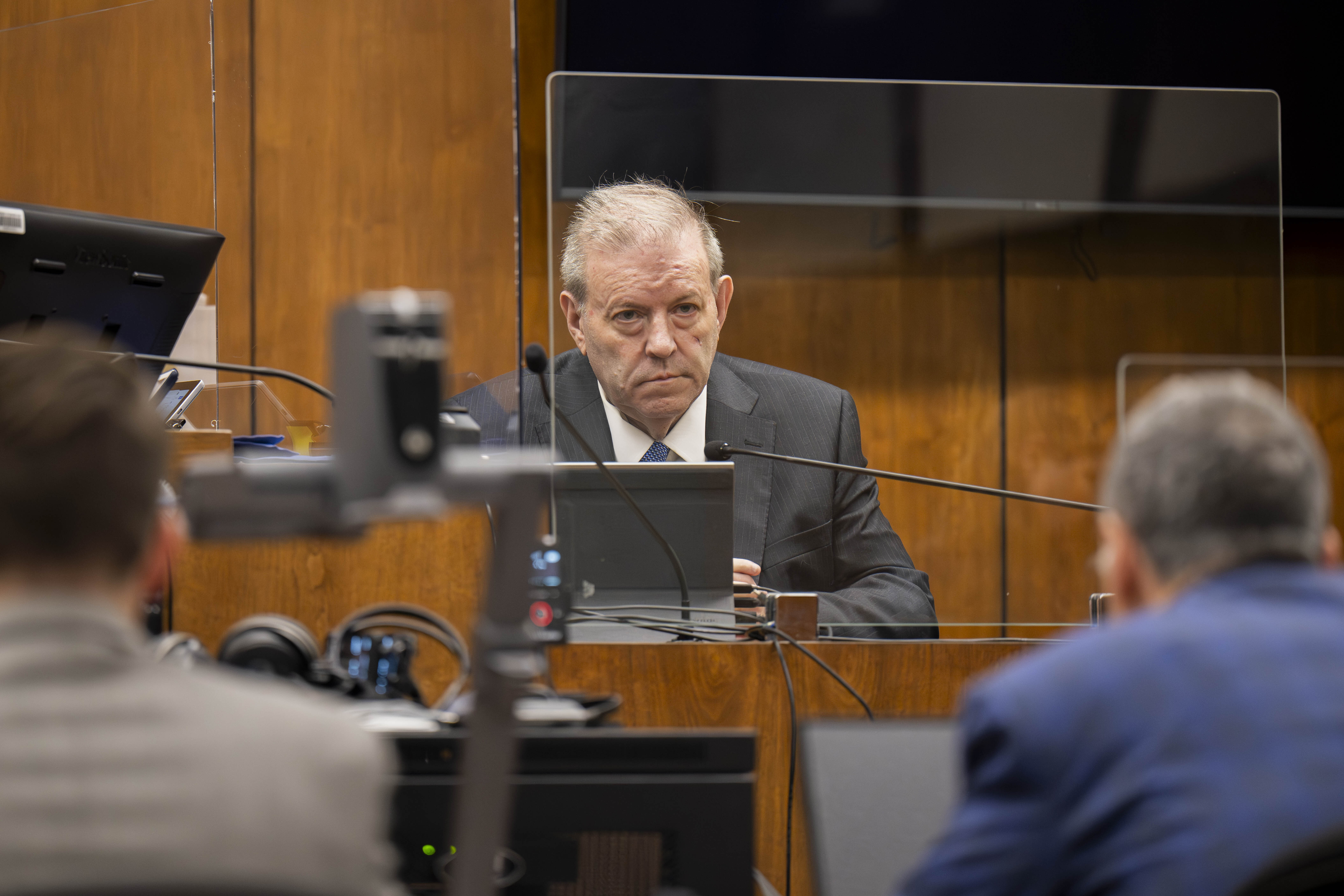
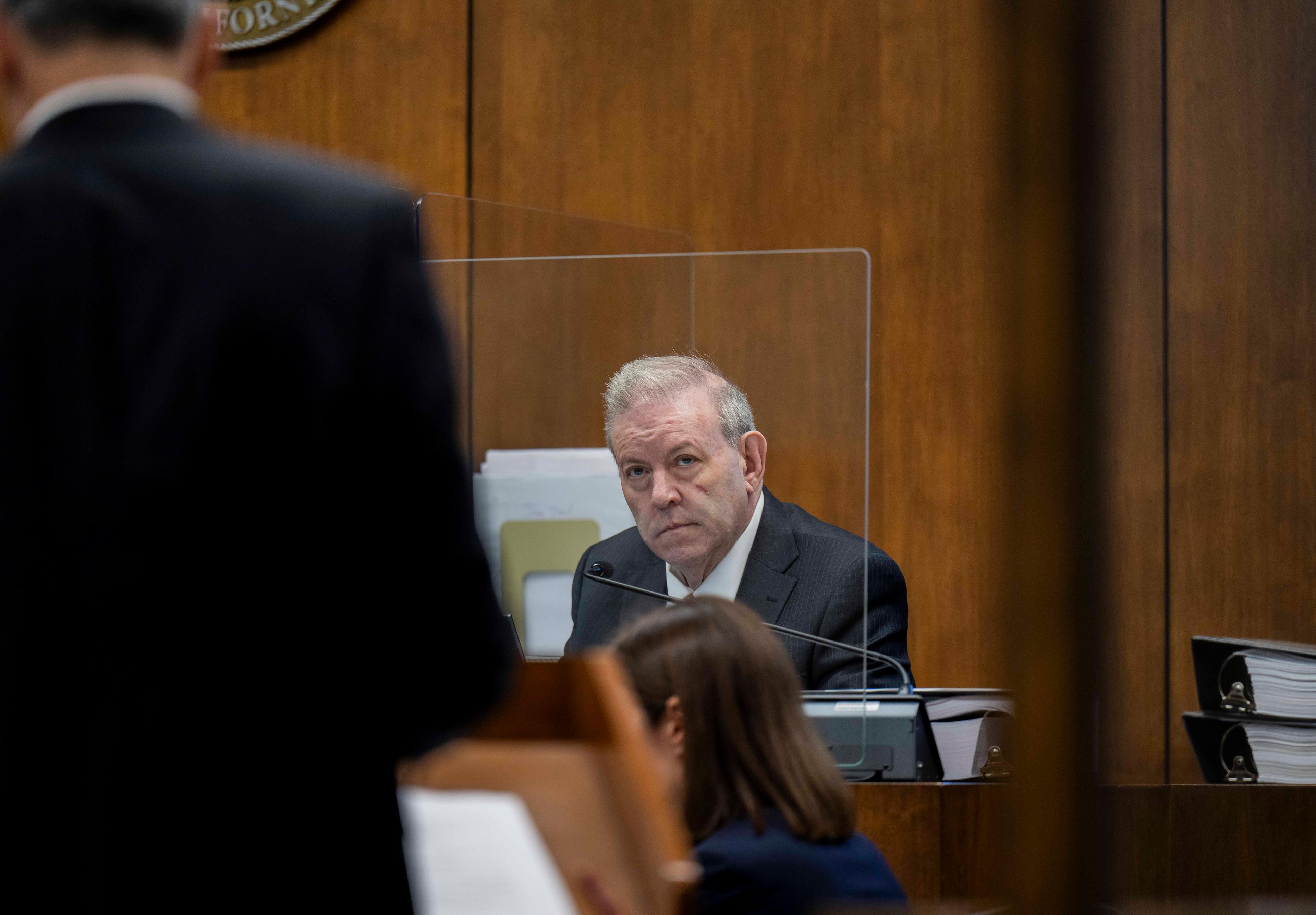
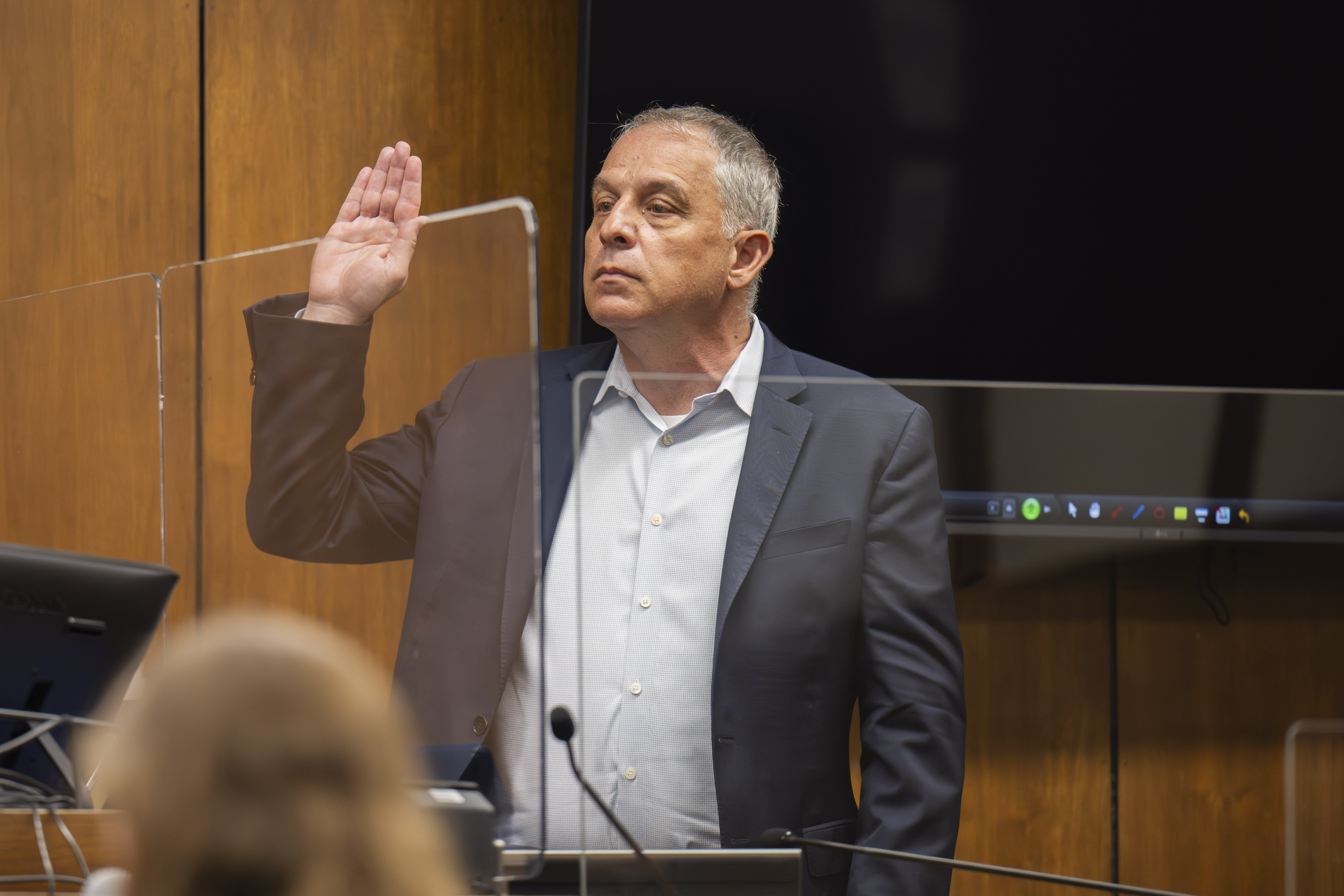
Gordon Klein is pictured. A superior court judge in Santa Monica ruled in favor of UC administrators in a lawsuit brought by Klein. (Zimo Li/Daily Bruin senior staff)

By Zimo Li
Dec. 23, 2025 8:40 p.m.
This post was updated Jan. 6 at 10:02 p.m.
A Superior Court judge in Santa Monica tentatively ruled in favor of UC administrators in a lawsuit brought by a UCLA lecturer requesting more than $13 million in damages.
Gordon Klein, a continuing lecturer in accounting, initially sued Antonio Bernardo – the former dean of the UCLA Anderson School of Management – and the UC Board of Regents in September 2021. The lawsuit followed UCLA placing Klein on administrative leave in June 2020 because of an email in which he said he would not provide grading accommodations for Black students in the wake of the murder of George Floyd – an unarmed Black man killed by a Minneapolis police officer.
Judge H. Jay Ford III sided with the Regents and Bernardo on all claims in his tentative Dec. 1 ruling. Klein’s lawyers filed an objection to the entirety of the tentative ruling Dec. 16.
[Related: Live: Klein v. Bernardo and UC Regents]
In response to a student who emailed him requesting that Black students be given accommodations on their final exam, Klein said granting accommodations would constitute “special treatment” for Black students. He added in the response that students from Minneapolis may also be affected by the protests in their hometown and that white students “might possibly be even more devastated.”
“Are there any students that may be of mixed parentage, such as half black-half Asian?” Klein wrote in his emailed response. “What do you suggest I do with respect to them? A full concession or just half?”
Klein’s email was posted on social media and resulted in a petition calling for his removal that amassed more than 21,000 signatures, as well as a counterpetition arguing for his reinstatement receiving over 75,000 signatures.
Bernardo said in a June 2020 email to students who complained about Klein’s email that his words were “outrageous” and “inexcusable.” He also announced an investigation into the lecturer and said in an email to the Anderson School of Management later that month that Klein would be placed on administrative leave.
Klein argued in the suit that his administrative leave should have been confidential. He added in the suit that Bernardo’s email publicizing his leave to the Anderson community was misleading and damaged his expert witness practice.
Klein sought $13 million in damages for “a decline in income” based on losses from his expert witness practice after his leave.
The suit also alleged that the Regents committed a breach of contract, arguing that placing Klein on administrative leave violated his right to academic freedom. Klein alleged that the UC acted in bad faith by denying him a merit raise in 2021, calling it “retaliation.”
The trial, which took place at the Santa Monica Courthouse under Judge Ford, began in July and had 22 witnesses testify, according to court documents. The trial became a bench trial after all parties waived their right to a jury trial in 2024 – meaning that Ford III, rather than a jury, decided the outcome.
The trial date was pushed back several times ahead of opening arguments in July.
Sandra McDonough, an attorney for Bernardo and the UC Regents, said during closing arguments Sept. 5 that Klein pushed the false narrative that the university suspended Klein for “refusing to give preferential treatment to Black students.”
Steven M. Goldberg, an attorney for Klein, said in an interview with the Daily Bruin following closing arguments Sept. 5 that he hoped the case would lead to improvements in intellectual and political diversity on university campuses. Goldberg also repeatedly praised the judge, saying that Ford III was “outstanding” and restored his faith in the justice system.
The court ruled that Bernardo and the Regents did not violate Klein’s academic freedom by putting him on administrative leave. He added that Bernardo’s testimony – in which he said he was concerned about student safety – was credible.
The judge also said in the decision that there was a valid need for further investigation into Klein aside from the email about accommodations for Black students after other emails surfaced online in which Klein referred to a female student as his “favorite.”
Ford wrote that Klein’s request for damages was unsubstantiated because the expert witnesses who testified on his behalf depended on speculation and intuition, rather than data or an independent investigation.
The judge also said Klein was unable to prove the damage to his work and reputation was caused by the UC Regents and Bernardo, adding that administrative action happened after Klein’s response went viral online. According to court documentation, 18 million people viewed Klein’s email to Leslie Giovanny, the student who requested accommodations, before Bernardo placed Klein on administrative leave or sent internal messages to Anderson faculty, students and staff.
Goldberg said in an objection that the judge’s ruling was not a fair representation of the evidence presented and that it ignored important aspects of Klein’s case.
Goldberg also alleged that the court used inappropriate and hostile personal attacks against Klein, creating an impression of an unfair process.
“We believe that we have been subjected to a shocking and inexplicable judicial head fake,” Goldberg said.
The court, Goldberg said, failed to address Klein’s main claim that Bernardo unfairly suspended Klein because he wanted to appease angry students and was personally offended by Klein’s email. Goldberg said Bernardo’s claim of a safety risk to students was “ludicrous,” citing that Klein returned to teaching within three weeks.
Goldberg also alleged that the court ignored legal precedents and deviated from existing legal practices.
He also accused Ford of failing to equally question witnesses from the plaintiff compared to the defense, and highlighted the 87 day-long wait for the tentative ruling despite the judge’s promise for a “prompt” decision.
Goldberg wrote in the objection that Klein requested that the Court throw out the tentative ruling in its entirety or declare a mistrial.
An additional hearing is scheduled for Jan. 9, 2026, which will give the lawyers an opportunity to argue their perspective before Judge Ford III makes a final decision.
“Klein has failed to prove Bernardo engaged in any wrongful conduct that caused the decline in Klein’s expert witness practice or was the cause of any emotional distress,” Ford III said in his tentative decision. “To the contrary, the more persuasive evidence shows placing Klein on administrative leave was not wrongful.”