Regents hear report on outcomes of UC’s sexual violence and harassment policy
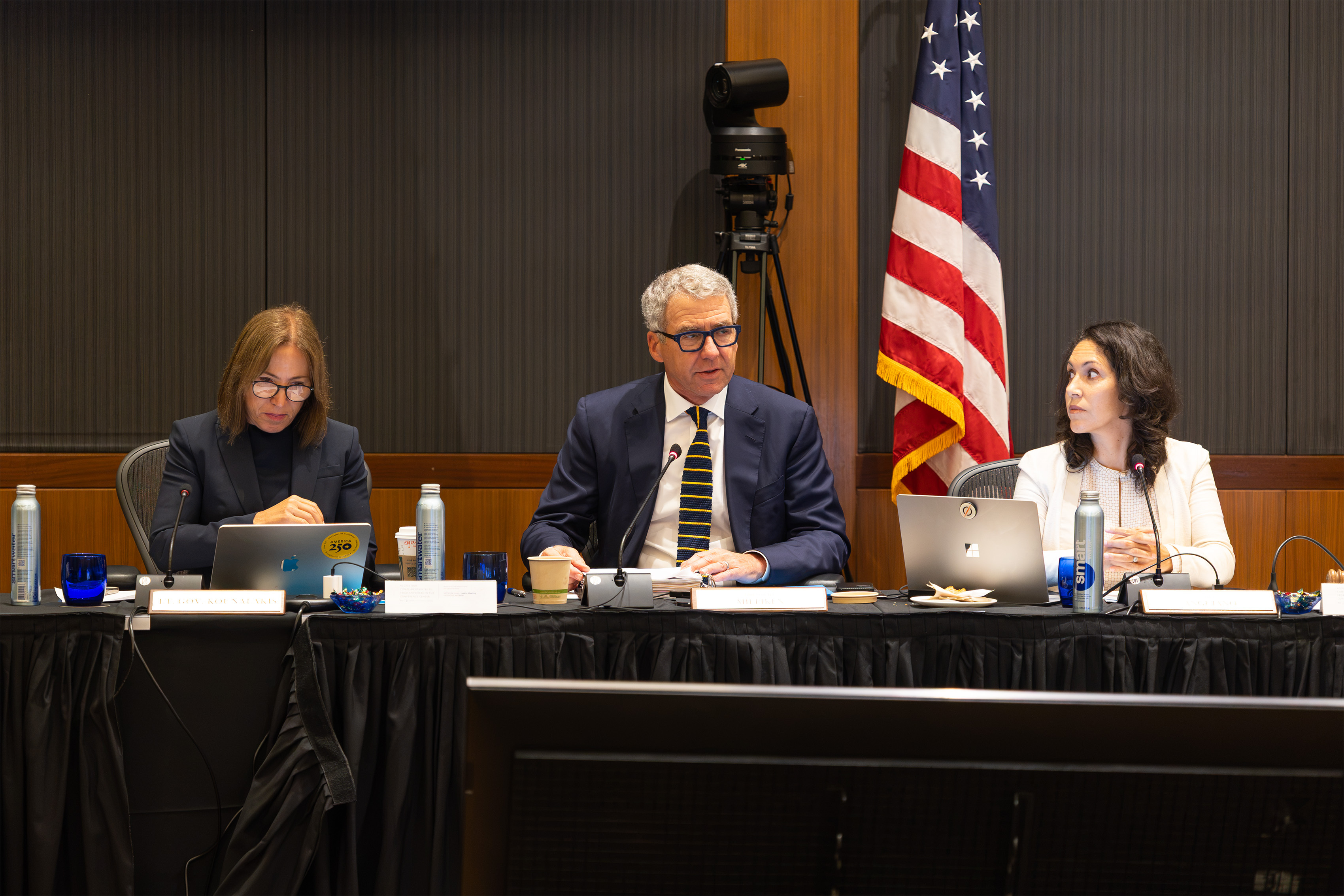
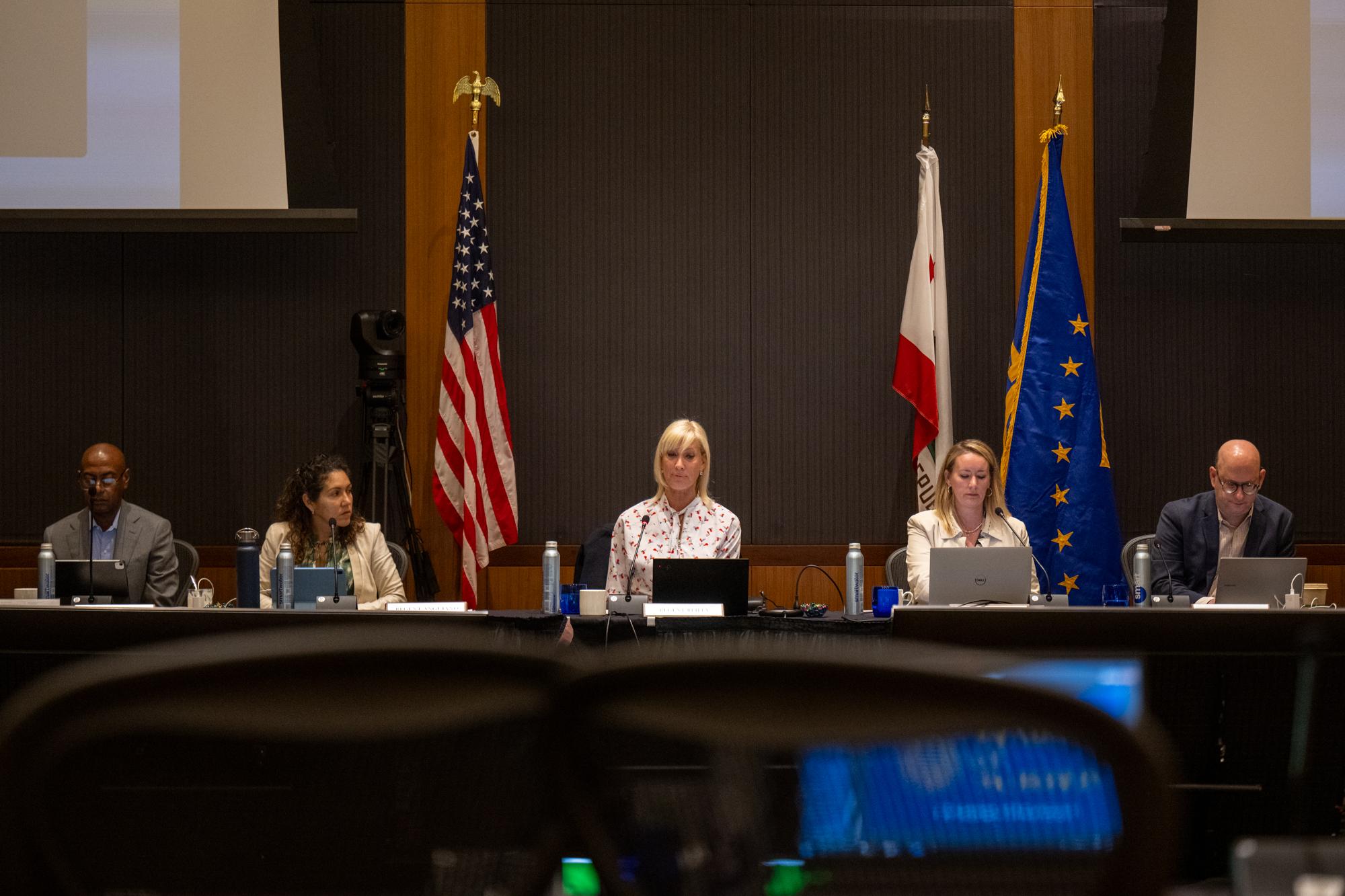
The UC Board of Regents attends a meeting. The board’s Compliance and Audit Committee met at UCSF on Tuesday at the regents’ bimonthly meeting. (Chenrui Zhang/Daily Bruin staff)


About 70% of 2025-26 systemwide requests for investigations into alleged violations of the UC’s sexual violence and harassment policy resulted in sanctions, a University official said at the UC Board of Regents meeting Tuesday.
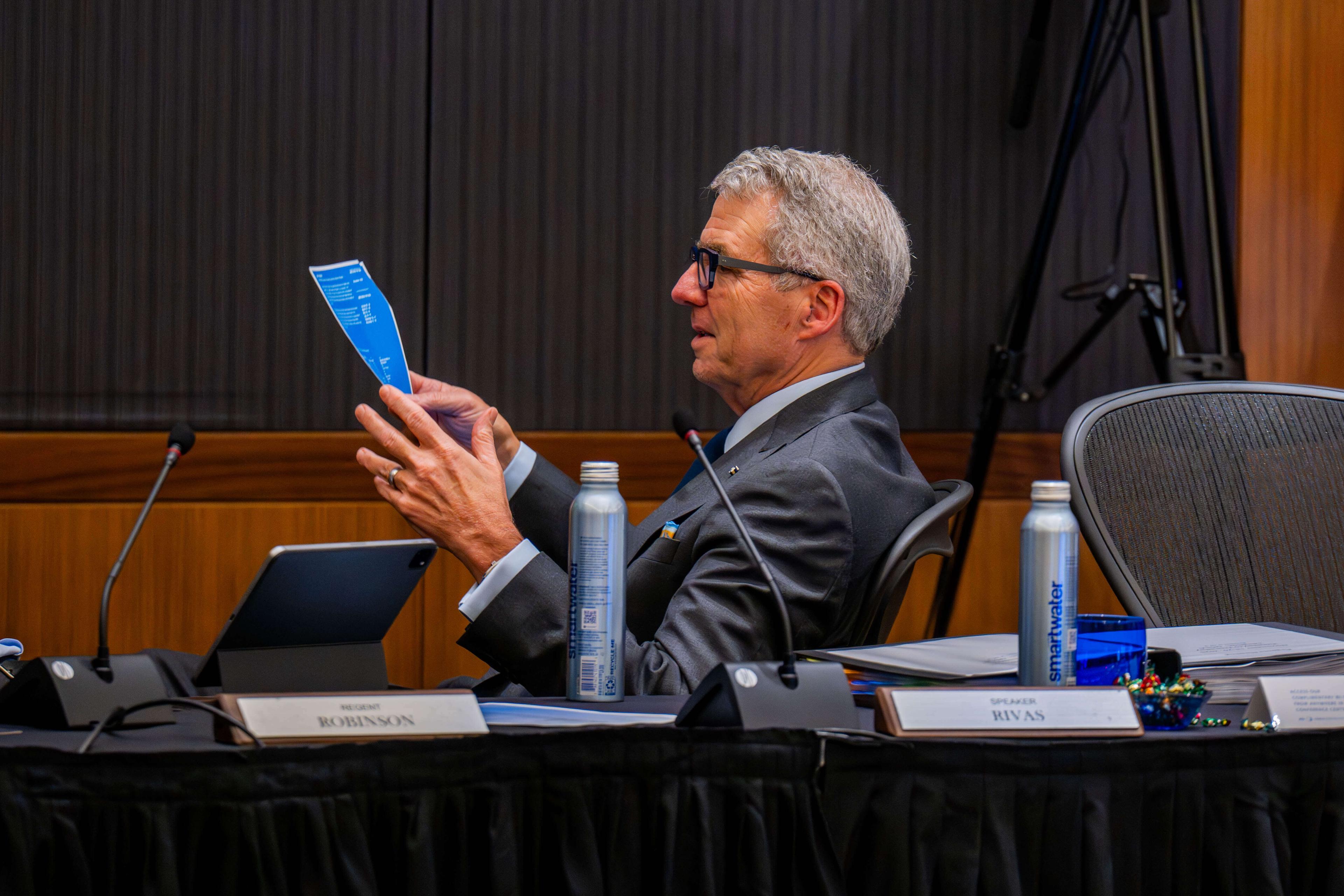
The regents’ Compliance and Audits committee met at the board’s bimonthly meeting Tuesday and Wednesday at UC San Francisco’s Mission Bay Conference Center. The regents heard from UC officials about how the University is upholding Assembly Bill 2326, which requires the UC to present an annual overview of its protocols to prevent discrimination, harassment and sexual assault across campuses.
This year, the University changed its Office of Civil Rights case management system to permit the UC to capture data pertaining to the anti-discrimination policy, including cases about discrimination on the basis of race, sexual orientation and religion, Systemwide Title IX Officer Nicoli Richardson said at the meeting. She added that this data includes the investigative steps taken and the outcome of such cases.
Out of 6,251 total systemwide reports in the 2025-26 year disclosing potential violations of sexual violence and harassment policy, the UC received 244 complaints – reports which are not resolved after an initial assessment and can lead to further actions, such as investigations, Richardson said at the meeting.
Investigations typically last 60 to 90 business days from the date of the notice of investigation, Richardson said at the meeting. From 2025-26, 168 out of the 244 reports led to sanctions, including 32 terminations or expulsions and 27 suspensions, she added.
The UC complied with AB 2326 by publishing methods of investigation and adjudication to enforce the anti-discrimination policy, established in 2024 alongside the Systemwide Office of Civil Rights, Executive Director of the Systemwide Office of Civil Rights Catherine Spear said at the meeting. The policy expanded the definition of discrimination to include protected categories of race, gender identity, heritage and disability status.
The annual civil rights compliance report showed that 91% of incoming students, 85% of continuing students and 91% of all University employees in the 2025-26 fiscal year have completed the UC’s online Sexual Harassment and Prevention Education course.
The course provides information on how to recognize prohibited conduct – such as sexual harassment and discrimination – and shows people how to report such conduct and access supportive resources.
Spear said the University designates trained personnel at individual campuses and the systemwide level to ensure the UC fulfills state and federal civil rights obligations.
“Training and education are key aspects of an effective civil rights program that prioritizes prevention as a proactive step,” she said at the meeting.
Richardson said at the meeting that 63% of total systemwide reports received by the Title IX Office are made by responsible employees or mandated reporters, indicating that the training is effective.
In the future, the UC intends to expand the content of required trainings to include information about discrimination on the basis of race, ancestry and disability status, Spear said at the meeting.
“Being available and accessible for those conversations both at the systemwide level with our colleagues and then especially at the campuses is key to assessing how we are doing and where we may need to make improvements,” Spear said.
The committee also reviewed audits from KPMG, a global accounting and advisory firm, which helped the University address $45.6 million in potential contract underpayments over the past three fiscal years.
Alex Bustamante, the senior vice president and chief compliance and audit officer for the UC, said at the meeting that the University negotiated $20.4 million in settlements to address the underpayments with the help of UC Legal.
Next year, the UC plans to automate the process of finding potential underpayments and help campuses choose candidates for audits, he added.
“Those funds are being returned to the campuses and to the faculty,” Bustamante said at the meeting.