


Past meets palate: Scholars stir the pot on Southeast Asian cuisine, history
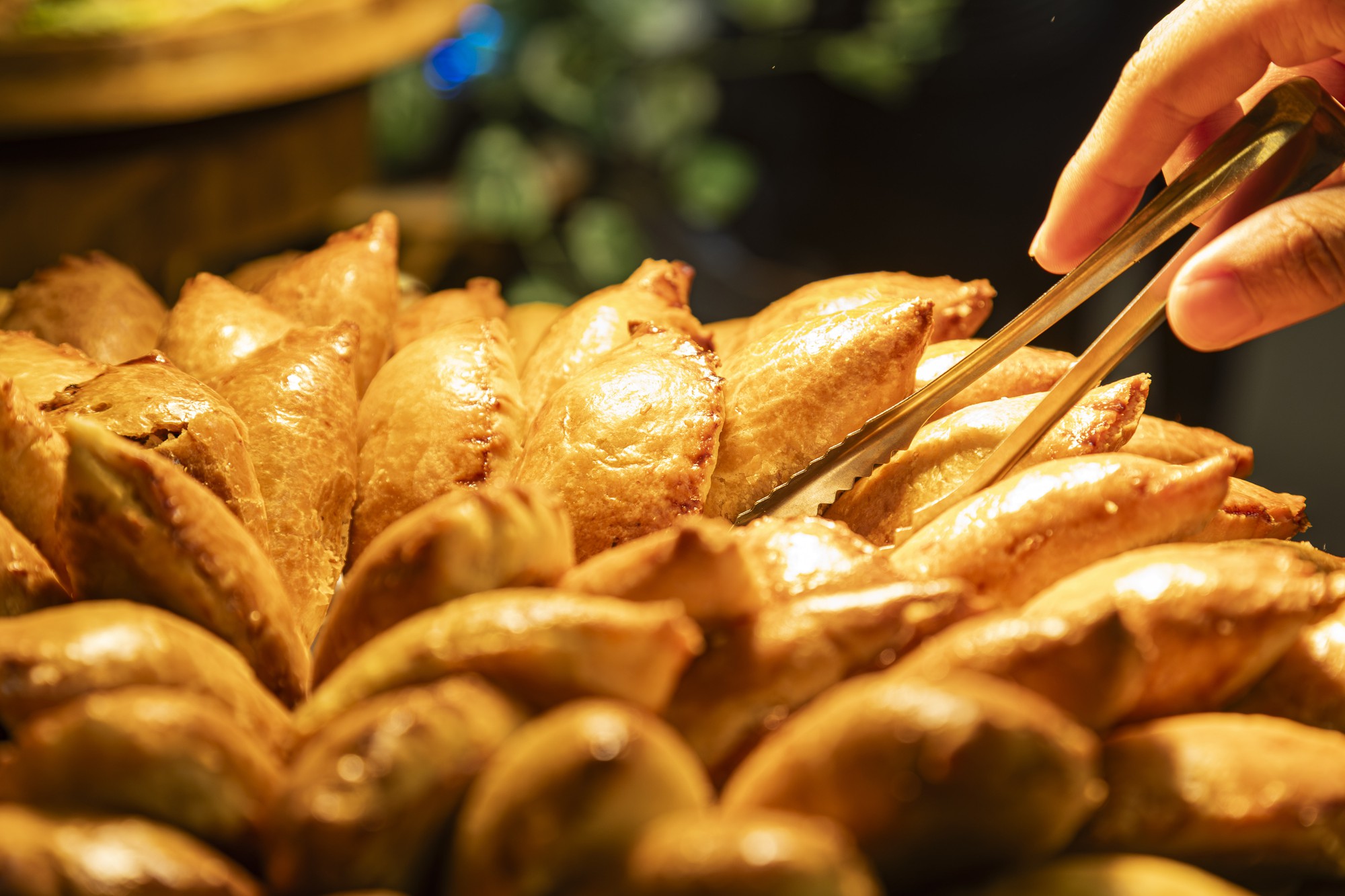
A pair of gold tongs reaches into a tray of pastries at the reception for “Global Cuisine: Stirring the Pot and the Past—Southeast Asian Food Stories.” The event welcomed scholars and cultural-conservation advocates to the Fowler Museum on Thursday. (Jiah Jung/Daily Bruin)

By Jacob Tristeza
Oct. 27, 2026 4:28 p.m.
A recent panel at the Fowler Museum cooked up conversations about heritage, Indigenous identity and culinary authenticity.
“Global Cuisine: Stirring the Pot and the Past—Southeast Asian Food Stories” welcomed scholars and cultural-conservation advocates to the Fowler Museum on Thursday. Co-sponsored by the Philippine Consulate General in Los Angeles, the event discussed the evolving histories of Southeast Asian food. The panel was held in conjunction with the museum’s “Mountain Spirits: Rice and Indigeneity in the Northern Luzon Highlands, Philippines” exhibition, which opened April 12, and Stephen Acabado’s book “Stirring the Pot & the Past: Food Stories and Philippine History.” University of Hawaiʻi at Mānoa professor Vina Lanzona moderated the event, which featured Acabado, visiting assistant professor Arnoud Arps, and Marlon Martin, the executive director of the Save the Ifugao Terraces Movement, which does conservation work for the UNESCO-listed Ifugao Rice Terraces.
“Food has never respected national borders, and what we call traditional cuisine is often the product of centuries of exchange and experimentation,” Acabado, a UCLA anthropology professor, said. “Tonight we’re going to stir the pot, both literally and historically, and perhaps challenge a few assumptions about Southeast Asian food.”
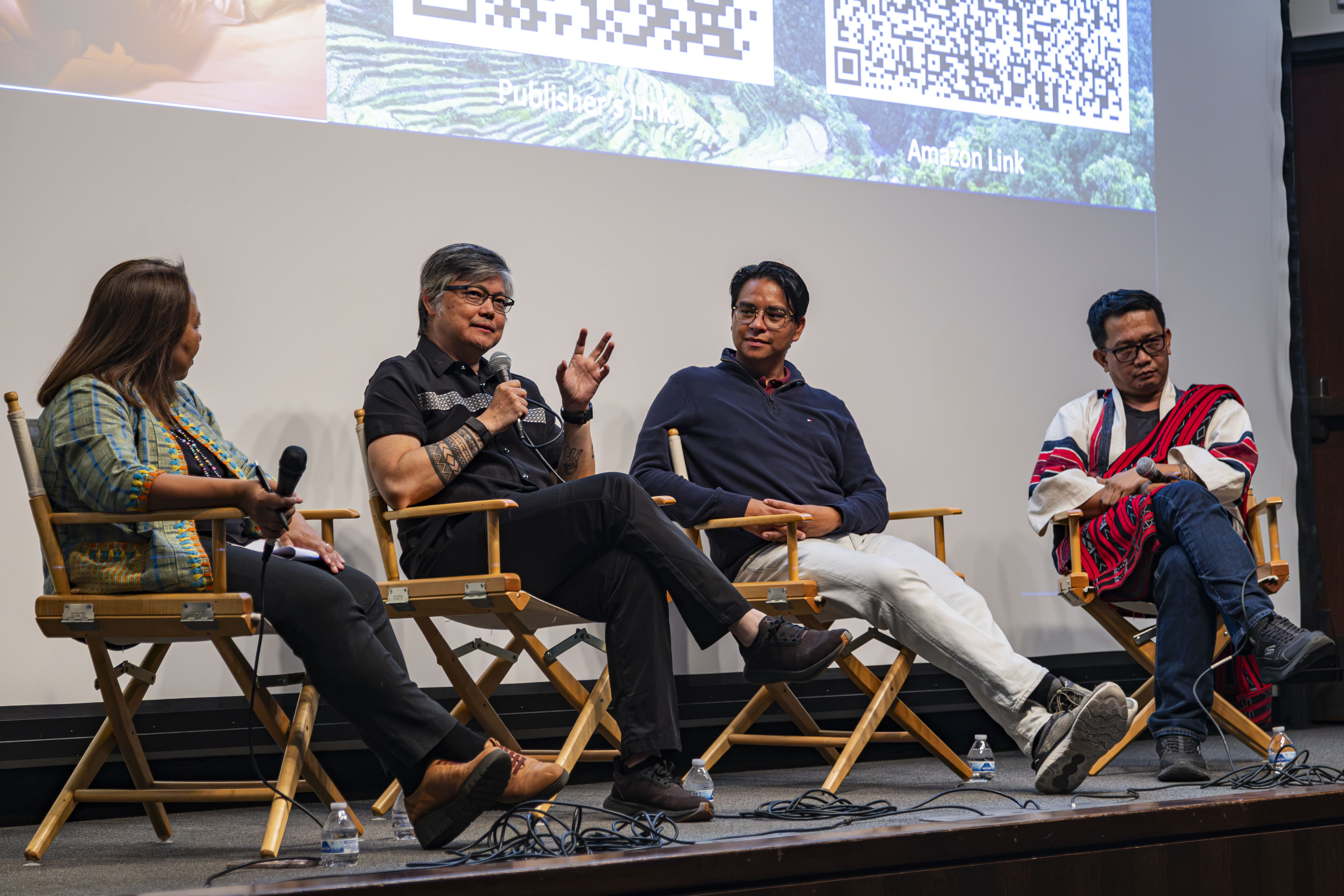
The three panelists and the moderator sat onstage at the Fowler Museum’s Harry and Yvonne Lenart Auditorium. Acabado began the evening by dissecting the longstanding association between rice and Filipino heritage. Although rice is a staple of the contemporary Philippine diet, archaeological evidence suggests it became one only 700 years ago, he said. Acabado said this history is difficult to reconcile with modern understandings of Filipino culture, noting that taro, yams and other crops sustained communities before rice became more prominent.
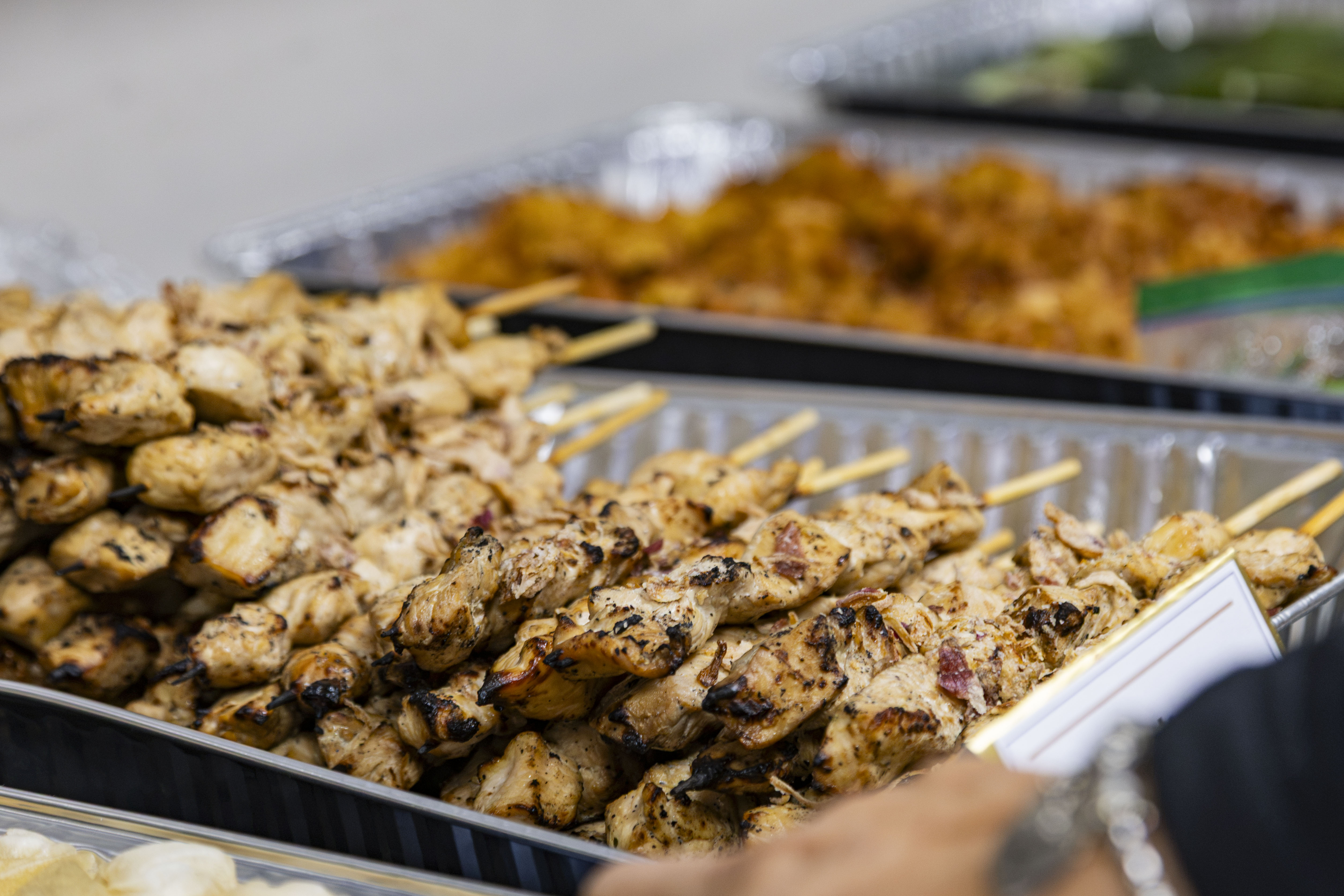
Adobo reflects centuries of cultural exchange in Filipino cuisine, Acabado said. The dish, he added, predates Spanish colonization, though it existed under different names. Its ingredients also reflect influences from beyond the Philippines, including soy sauce from China and bay leaves from the Mediterranean, he said. Dishes served during the reception included Filipino ube crinkle cookies and lumpia, alongside Indonesian chicken satay skewers and lemper ayam, or sticky rice filled with chicken.
Martin said his grandfather cooked meat using fermented fruit in place of vinegar, producing a dish with a flavor reminiscent of adobo. His family in Ifugao did not have a word for the dish, he said. In the town center, he encountered a soy sauce-based version similar to adobo found elsewhere in the Philippines, he added. Martin said he encountered another adobo-like dish that used American seasonings, like McCormick spices, while visiting family in New Jersey before the panel. His relatives still called it adobo, he said.
[Related: Bruins bond over global flavors, performances at International Food Festival]
“Which is the true adobo?” Martin said. “Who defines this authenticity?”
Acabado said he doesn’t dismiss the search for a shared identity, but he argues that the search for a pre-Hispanic Filipino culture risks adopting other overarching labels, like the Austronesian identity, that could erase the Philippines’ diversity of approximately 180 languages and cultures in the Philippines. Acabado said Doreen Fernandez coined the term “indigenizing” food to describe how pancit and lumpia, though originating elsewhere, became Filipino through local adaptations.
Arps, who studies cultural memory and heritage, said the Netherlands; colonial rule of Indonesia’s similarly complicates what is considered traditional cuisine. Rijsttafel, or rice table, is a meal with colonial Dutch roots and features rice elaborately surrounded by two dozen or more accompanying dishes, he said. Its opulence was intended to impress, he said, drawing on communal eating traditions in both Europe and Indonesia. Rijsttafel was added to the Inventory of Intangible Cultural Heritage in the Netherlands in 2022, and Arps said some Indonesians are now reclaiming it as Indonesian cuisine as well.
“When we talk about authenticity, it has to be attached to a tradition,” said Acabado. “But what is traditional now is probably different tomorrow.”
Martin said questions of authenticity have implications for his work in the Philippines. An advocate for the preservation of the Ifugao rice terraces, Martin said maintaining the landscape’s World Heritage status requires meeting standards of authenticity. He added that these standards could prevent his community’s practices from being recognized as Indigenous.
The panel also examined the role of gender in preserving culinary traditions. Arps said mothers and grandmothers often pass down cultural knowledge through recipes that rely on intuition rather than precise measurements and evolve over generations. Martin added that cooking generally fell to men in his Ifugao community, while women oversaw agricultural production, from planting to harvesting. He also said his father and grandfather prepared family meals, and his mother only learned to cook adobo after his father died.
Arps said countries such as Indonesia and Thailand have used gastrodiplomacy to promote their cuisines abroad, in part for economic gain. Martin, however, said the Philippine Department of Tourism sought to adapt regional dishes for tourist palates, sometimes removing culturally significant ingredients such as the bitter, partially digested grass traditionally used in papaitan.
[Related: ‘Super empowering’: Black365 highlights Black history, culture through speaker series]
Martin said ube’s widespread popularity in the United States has influenced how Philippine media portrays preparations of the crop as traditional. Ube has a long history as a root crop, but his grandparents simply boiled it, he said. Ube halaya, a sweetened jam popular in many modern ube desserts, has also become a source of national pride despite the different preparation, he added.
“I don’t like to call it not authentic,” Martin said. “But it’s authentic American ube.”
As the panel concluded, Acabado said his cookbook grew from experiences cooking for Indonesian, Cambodian and Thai students while studying in Hawaii. The students would pool money for groceries, and Acabado would combine ingredients and traditions from their different cultural backgrounds, he said. Beyond traditional recipes, Acabado said the book interweaves archaeology and Philippine history to explore the foods that have shaped his life.
“That’s what makes tonight’s conversation interesting,” Acabado said. “We tell stories about migration, great colonialism, indigenous knowledge and identity. Many dishes we proudly claim as our own have traveled farther than most of us.”



