Newsom signs laws letting CA community colleges add up to 12 new degrees per year
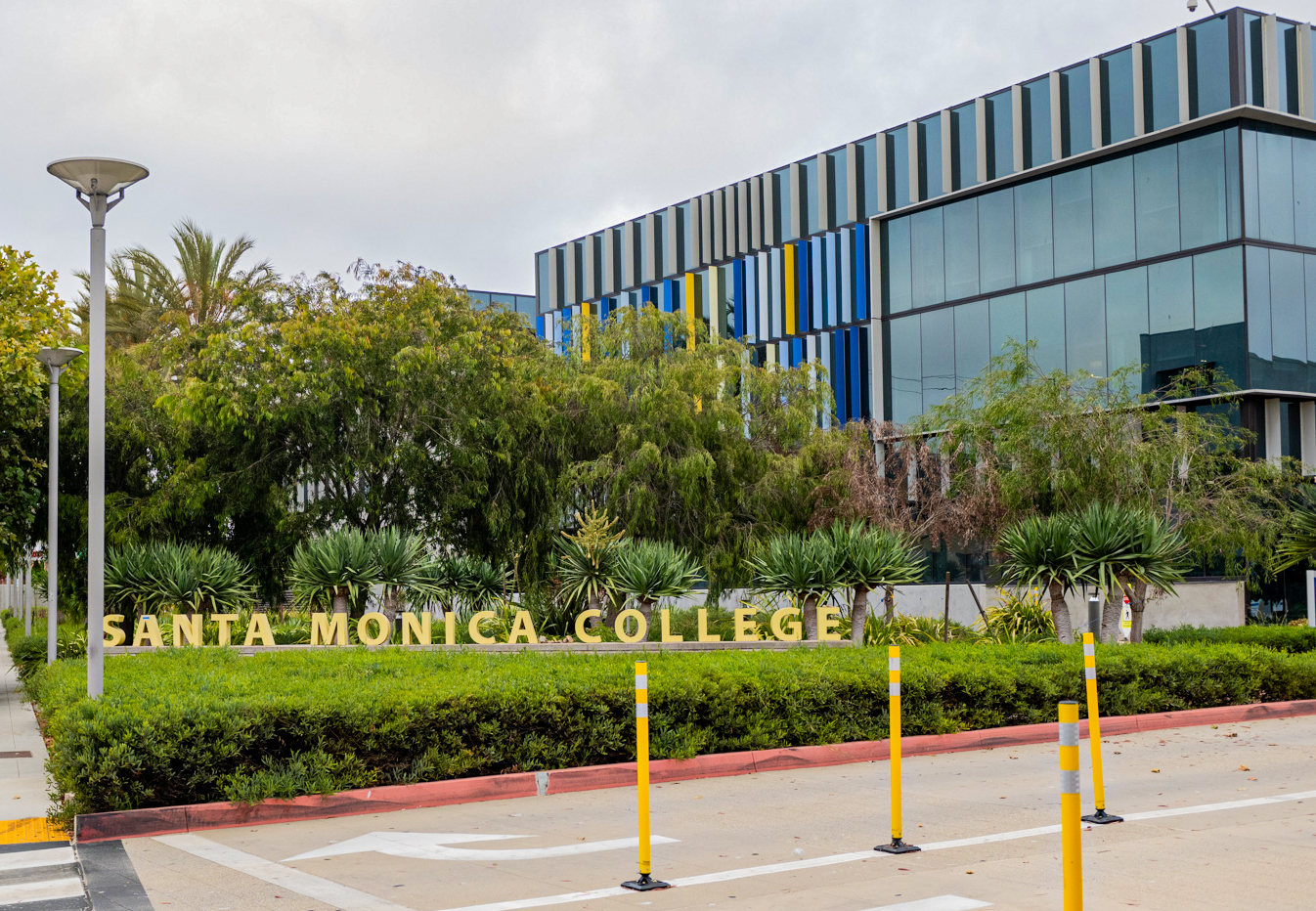
Santa Monica College is pictured. Two new laws will allow California community colleges to offer new bachelor’s degrees, including some that duplicate programs offered by the University of California, with approval. (Daily Bruin file photo)

By Lilly Leonhardt
Oct. 8, 2026 8:38 p.m.
Two new laws will allow California community colleges to offer up to 12 new bachelor’s degrees, including duplicates of some UC degrees, upon University approval.
Gov. Gavin Newsom signed two bills – Senate Bill 960 and Assembly Bill 2694 – on Sept. 18, which will allow community college districts to add two to 12 bachelor’s degrees a year starting in 2028. The bills allow community colleges to duplicate California State University degrees depending on the district and transfer acceptance rates and, with written permission, offer the same UC degrees.
Before the bills passed, community colleges offered some bachelor’s degrees in addition to their primary offering of associate degrees. But they could not have any bachelor’s degree options that were also offered at a CSU or UC – even if that degree option was hundreds of miles from the community college.
“Anything that makes education more accessible is a valuable program,” said Ashley Ma, the Undergraduate Students Association Council transfer representative.
About 66 bachelor’s degrees that were already offered at community colleges – including cyberdefense, physical therapy assistance and transborder environmental design – will not count toward the 12-degree cap instituted by the new laws.
Community colleges in districts with higher graduation and transfer rates will be allowed to add more bachelor’s degrees because of a last-minute amendment to the bills.
Some community colleges that originally advocated for these bills rescinded their support after the revision, arguing that it will adversely affect historically underserved communities.
Students from such districts complete associate degrees and transfer at lower rates than their higher-income counterparts, said Sonya Christian, the chancellor of California Community Colleges, in an Aug. 29 letter to Sen. Christopher Cabaldon.
Assemblymember David Alvarez, who sponsored Assembly Bill 2694, said in a written statement that he believes these revisions were beneficial.
“I am comfortable with the numbers that are being allowed in this legislation,” Alvarez said in the statement. “With these new laws, community colleges who have identified needs using labor market data will be able to offer bachelor’s degree options that the prior framework may not have allowed.”
Ma, a fourth-year labor studies student, said she believes the change could hurt some community colleges.
“The goal of these programs is to make education more accessible,” they said. “Only awarding it to schools that already have high transfer rates would disadvantage lower-income communities or community colleges with less resources.”
However, Ma added that she believes the bills are still a step in the right direction.
Iryne How, the community events coordinator for TransferMed at UCLA, a pre-med student organization, said some people see community colleges as a less rigorous form of higher education, but the bills could change that.
“I’m glad (the stigma) is going away, and people are going to see how beneficial community college can be,” said How, a fourth-year human biology and society student.
The bill could also help students advance their education, regardless of where they live, Alvarez said in the statement.
“The goal was to update the framework in a way that would increase opportunities of higher education for students who are place bound, giving more access to degrees that are needed for the workforce in their region,” he said.
A UC Office of the President spokesperson said in an emailed statement that higher education is a powerful tool for public education institutions in the state.
“As California’s economy, workforce, and student population continue to evolve, we have an opportunity to strengthen the connections between K-12 and higher education, expand support for students and create more seamless pathways to college, and the workforce,” the spokesperson said.
These bills will ultimately give community college students the chance to receive more specialized and high-level degrees, Ma said.
“We at UCLA are very lucky to have such a high quality of education,” they said. “Everybody should have access to a good education, should be able to pursue what they want to pursue, and this bill makes that possible for a lot of people.”