Students are free to grieve beloved icons. We should let them
(Luna Fukumoto/Daily Bruin)

By Caitlin Brockenbrow
Oct. 5, 2026 10:05 p.m.
Can you mourn someone you never met?
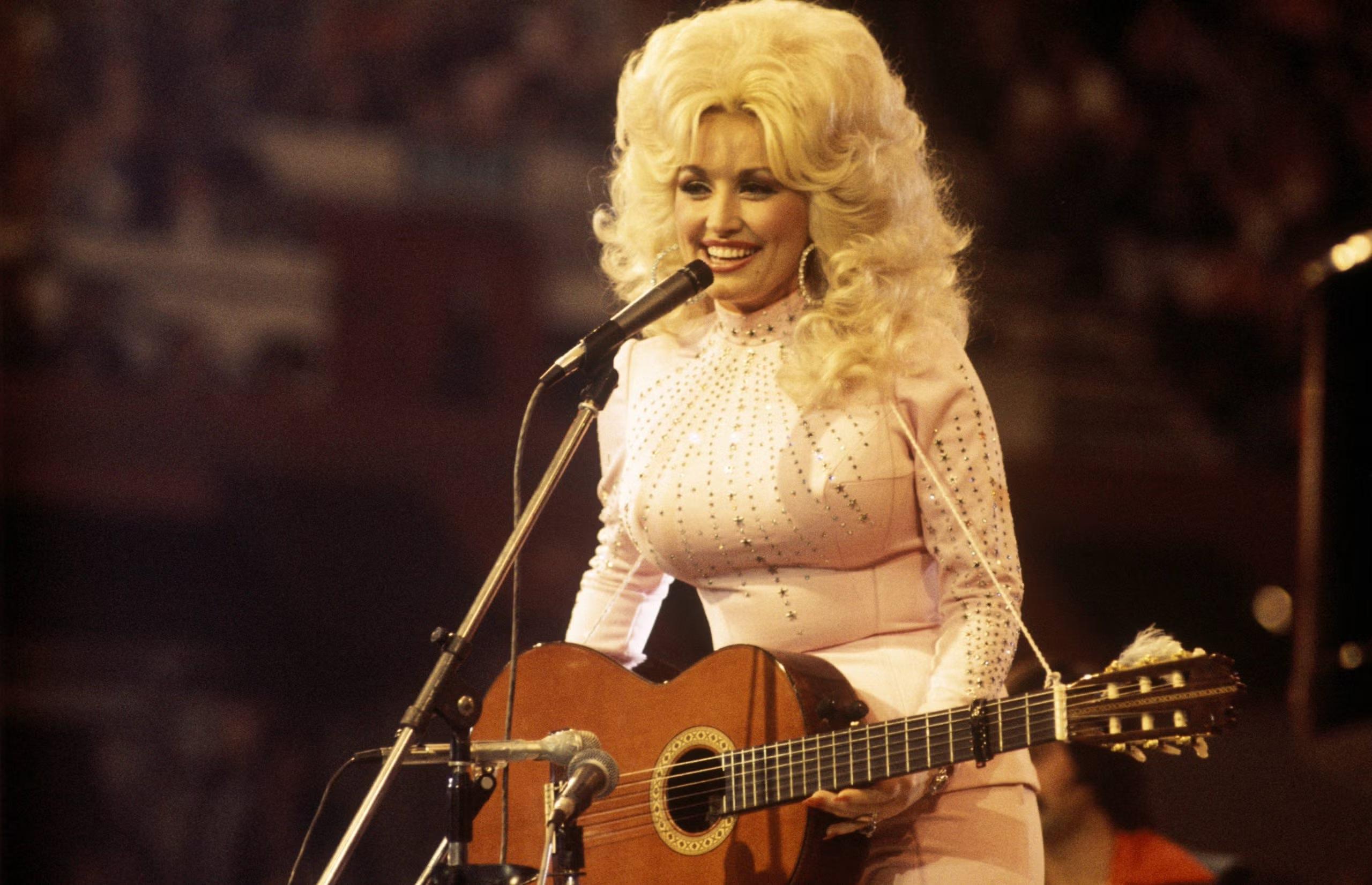
With the recent deaths of many notable public figures, including Dolly Parton, Tim Curry, Gloria Steinem, Glen Hansard, Bob Mackie and others, discourse surrounding this question has increased online.
UCLA is feeling this loss. The university memorialized some of those celebrities, including with the UCLA Library Special Collections’ one day exhibit dedicated to materials of Dolly Parton in “9 to 5” and “The Best Little Whorehouse in Texas” and the UCLA Irv and Xiaoyan Zhao Drasnin Communication Archive’s 1988 Tim Curry Q&A.
Whether in the form of gatekeeping by so-called “real fans,” accusations of parasocial behavior, or the belief that you cannot mourn a person you never knew, minimizing grief is toxic and misplaced. Students should feel free to grieve beloved icons and have compassion for others to do the same.
Lizzie Cleary, a licensed clinical psychologist and former senior psychologist at Simms/Mann UCLA Center for Integrative Oncology, said while mourning fans may be identified as having a disenfranchised form of grief – one that is typically not publicly acknowledged or accepted – it is still real.
“The individual is unlikely to be grieving time that they shared together in person or hopes for a shared future,” she said. “But instead, they are grieving things like the fact that they won’t be able to enjoy more of that individual’s music, or writing, or other creative outputs or athletic successes.”
Emily Santana, a co-social chair for Cadenza A Cappella, said when recently listening to Parton albums, it felt horrible to know that somebody who was so forward-thinking died.
“I didn’t know Dolly Parton, but what she put into the world mattered to me, and that distinction is important to this entire conversation about grief,” said Tiffany Naiman, the director of the UCLA Berry Gordy Music Industry Center.
Even without a personal connection, people may feel emotionally bonded to public figures through memories and experiences that are connected to particular times in their lives.
People often grieve the loss of anything or anyone they cared for. Mourning the death of a celebrity should not be any different.
All that is needed to grieve someone’s death is a sense of connection or impact, which does not have to be affection or admiration, Cleary said.
She added that individuals may also be grieving a sense of predictability in the universe.
“We like to think that good things happen to good people,” Cleary said. “So it can be really unsettling from an outlook perspective, to have tragedy impact people who, in our minds, should be protected from such things.”
The death of a public figure can be a jarring reminder to people of their own mortality, said Santana, a fourth-year business economics student.
“There are certain figures in pop culture that you just assume either can’t die, or you just can’t imagine living in a world without them because they are so revered,” Santana added.
Regardless of who or what a person is grieving, there is harm in judgement. Minimizing or invalidating people’s grief is unhelpful and unhealthy, Cleary added.
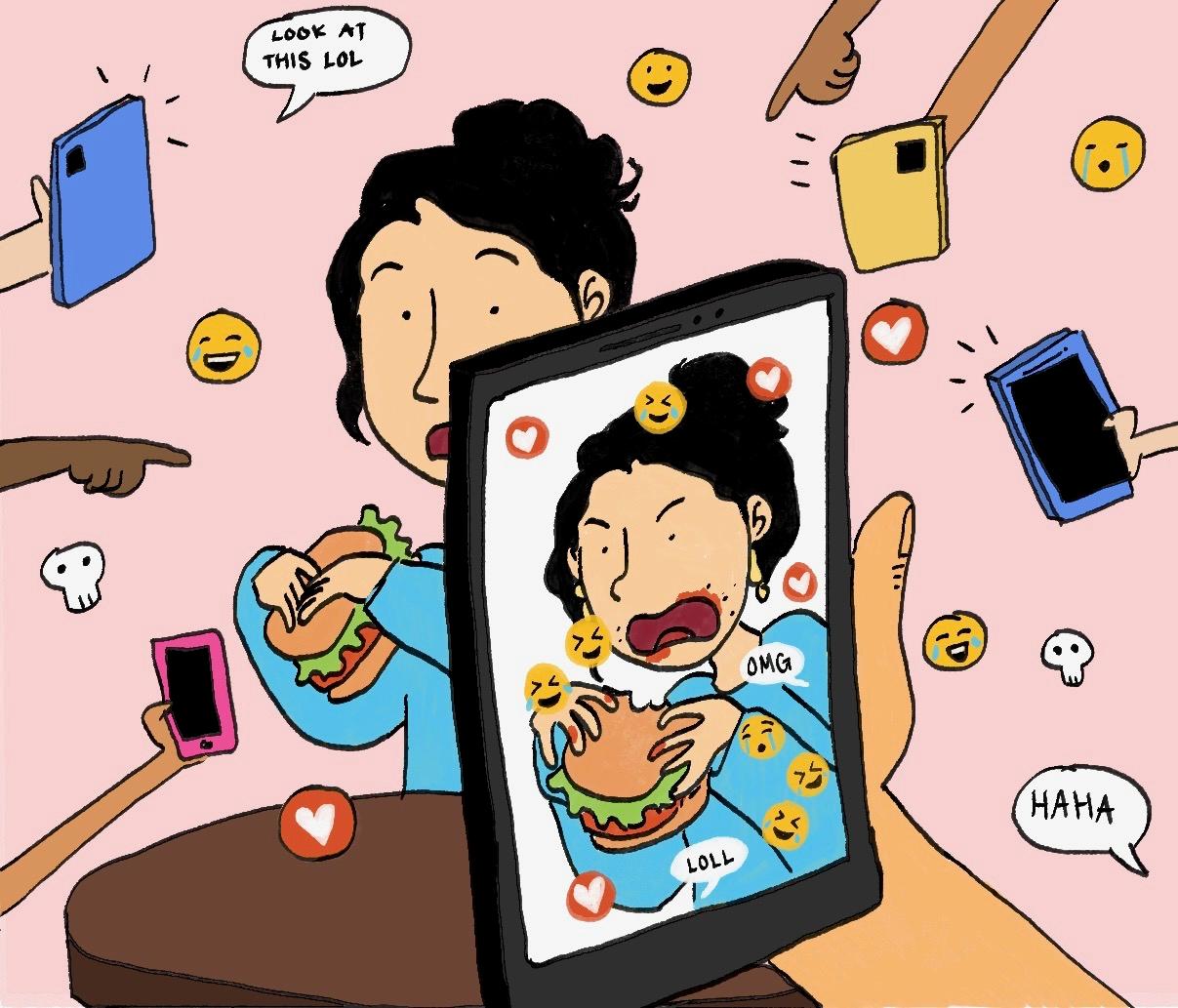
The criticism revolving around this grief may stem from fans feeling as though they have some kind of ownership over public figures. When others try to express similar feelings, those fans may lash out.
People type angry comments, gatekeeping grief without considering the person on the other end. That is where the harm comes into play.
“I have certainly encountered the idea more broadly that grieving a celebrity is somehow excessive, performative or evidence of an unhealthy attachment,” Naiman said. “Social media probably amplifies both sides of that conversation: Public displays of grief become much more visible, but so does the policing of those displays.”
No matter the connection, celebrities’ impact can still be enough to make a person justifiably upset.