Gift of Life at UCLA connects student donors with blood cancer patients
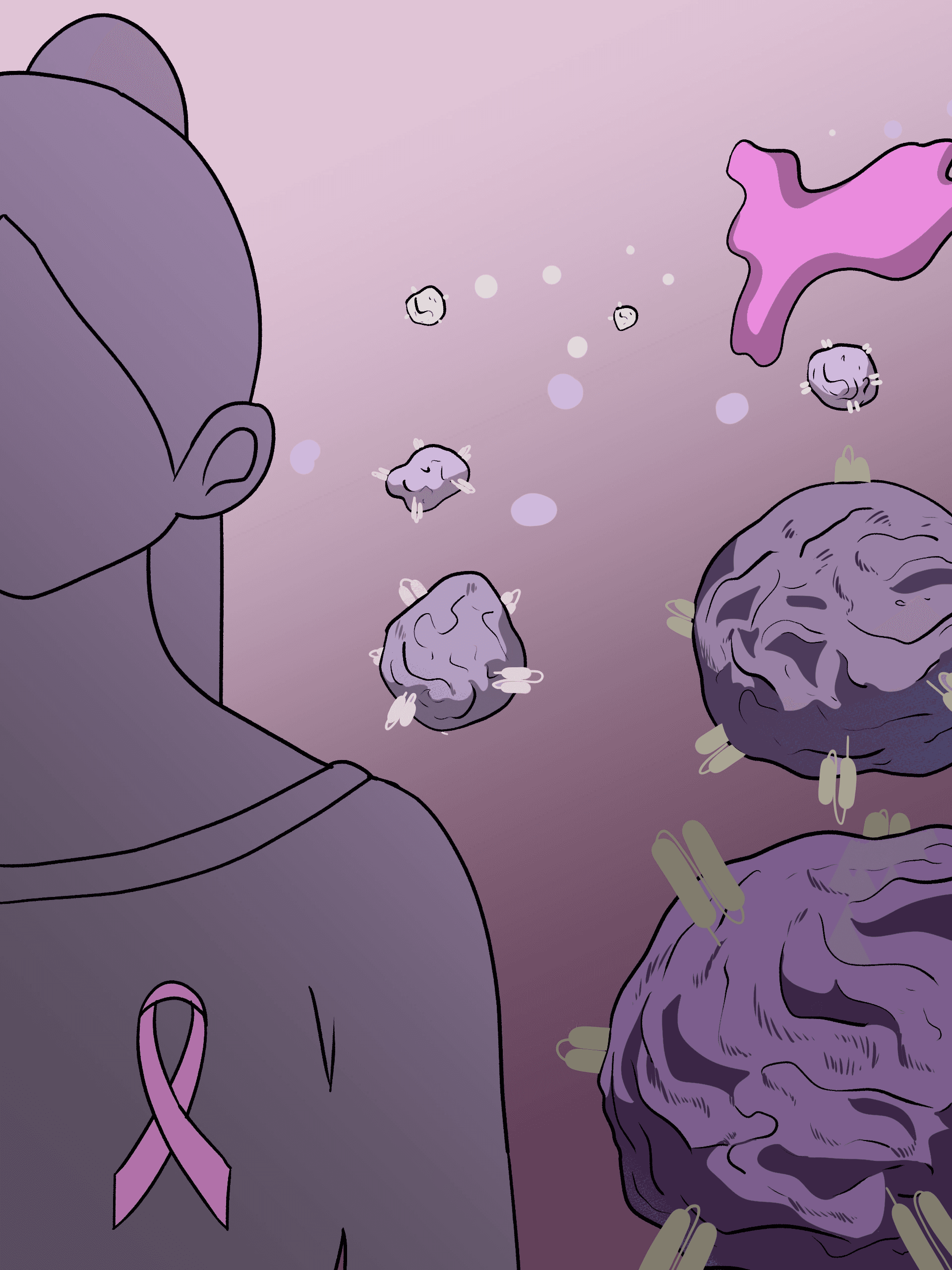
(Sara Green/Daily Bruin senior staff)

By Presley Liu
Sept. 4, 2026 1:43 p.m.
Every three minutes, someone in the United States is diagnosed with blood cancer.
Blood cancers affect 1.2 million people each year, according to the Cleveland Clinic. Amid the widespread need for potentially lifesaving transplants, Gift of Life at UCLA seeks to connect patients in need of bone marrow or stem cell transplants with potential donors through an international registry. For Joseph Noorvash, one of the club’s co-presidents and a rising third year sociology student, joining the organization showed him how many people have been affected by blood cancer, making the global issue feel more personal.
“It made a massive global issue feel incredibly urgent for me, especially now that I know how easy it is to get involved,” Noorvash said
Student volunteers help potential donors swab their cheeks, and then send the swabs back to the organization to see if they are a match, Noorvash said. Gift of Life keeps the donor’s data – which is HIPAA protected – in its system until they find a match, he added.
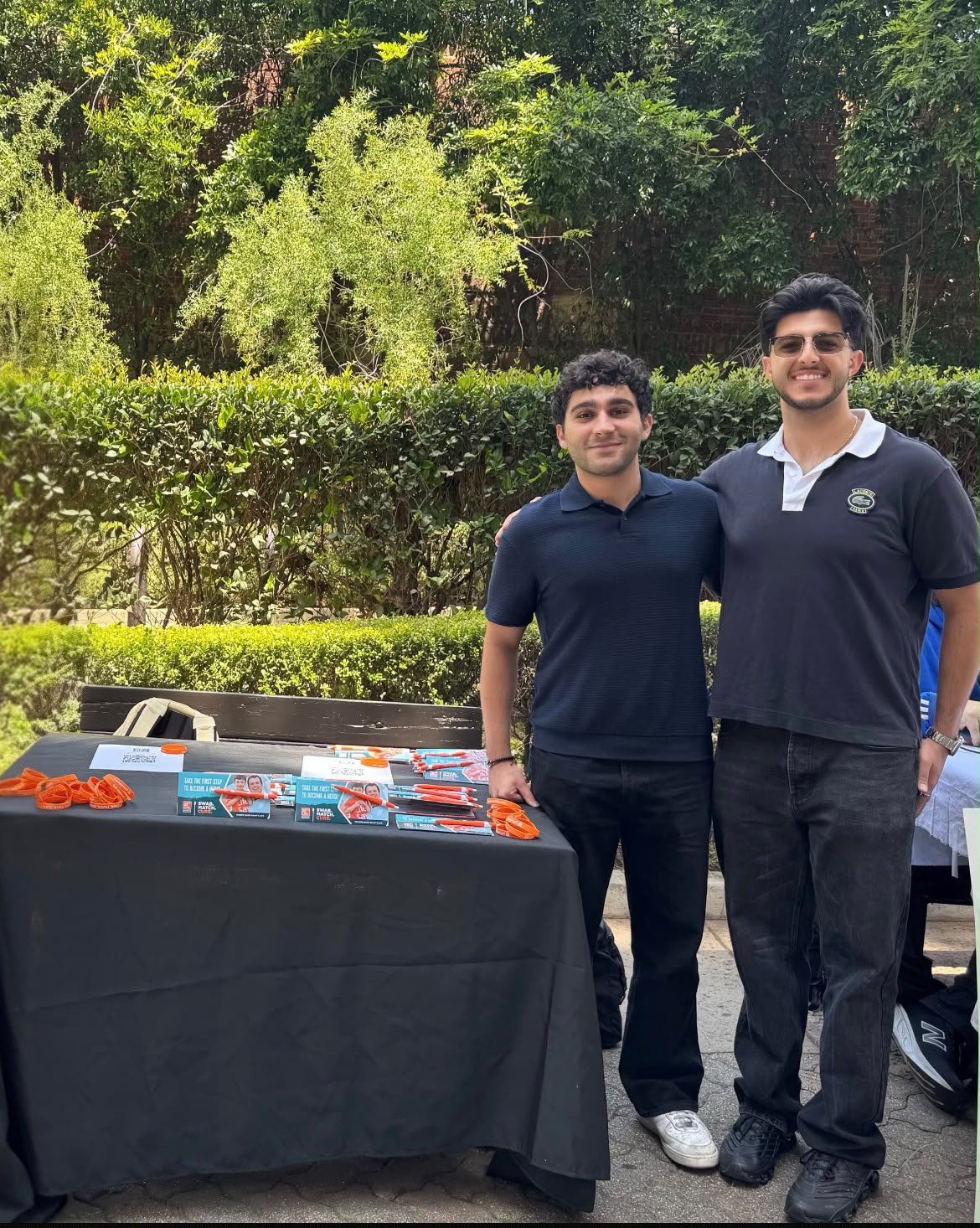
Brayden Khani, one of the club’s co-presidents, said he finds it rewarding to facilitate connections between donors and matches. But, he said, for those connections to happen, the donor registry must reflect the diversity of the patients who rely on it – a gap Gift of Life at UCLA hopes to address through outreach.
About 70% of patients diagnosed with blood cancer do not have a matched sibling and must turn to unrelated donors. Minority communities are statistically less likely to find a match, according to the National Library of Medicine. To address this disparity, Gift of Life at UCLA partners with cultural organizations on campus, Khani added, by hosting collaborative events. Expanding those collaborations is one of the club’s biggest goals for the upcoming year, Khani said.
“It’s (UCLA is) such a diverse school,” Khani said. “It’s especially good for this cause.”
Gift of Life at UCLA officially became a club during spring quarter, although the national foundation has previously had a presence at UCLA through the campus ambassador program, said Alyssa Galicia, the club’s secretary. Galicia, a rising third year physiological science student, became a campus ambassador for the national organization in fall 2025. She provided informational guides and led events such as AEPuppies, a partnership with fraternity Alpha Epsilon Pi, during which volunteers guide attendees through the swabbing process.
Noorvash added that swabbing does not commit potential donors to donating. College students often get intimidated, thinking the swabbing process leads to a major time sacrifice, Noorvash said. Swabbing takes just five minutes, Galicia said, so people on their way to class can briefly pause, participate and progress with their day.
[Related: Crafting for Cancer crochets handmade items for children affected by cancer]
Another misconception students have about swabbing is that if they participate, they’ll definitely have to donate bone marrow, Galicia added. Bone marrow is primarily used when addressing pediatric cancers or blood diseases, she said, and stem cell donation is a more common occurrence. She added that stem cell donation is similar to donating blood and less invasive than people realize.
The need for donors is urgent, Galicia said, and actually finding a donor is pretty rare. With the National Marrow Donor Program, another blood stem cell donor registry – formerly the Be The Match Registry – the likelihood of finding a match ranges from 29% to 79%, depending on a patient’s ethnic background. While there’s a low likelihood of a match occurring, Khani said he still believes swabbing is important because it’s an opportunity to save a life.
Galicia added that it can be difficult to get people to swab outside of the organization’s main events such as AEPuppies. If there are no incentives, she said, students are unlikely to stop and swab. Galicia said the club hopes to look for ways to motivate students to participate. She added that the organization aims to double their student outreach and collect about 700 swabs annually.
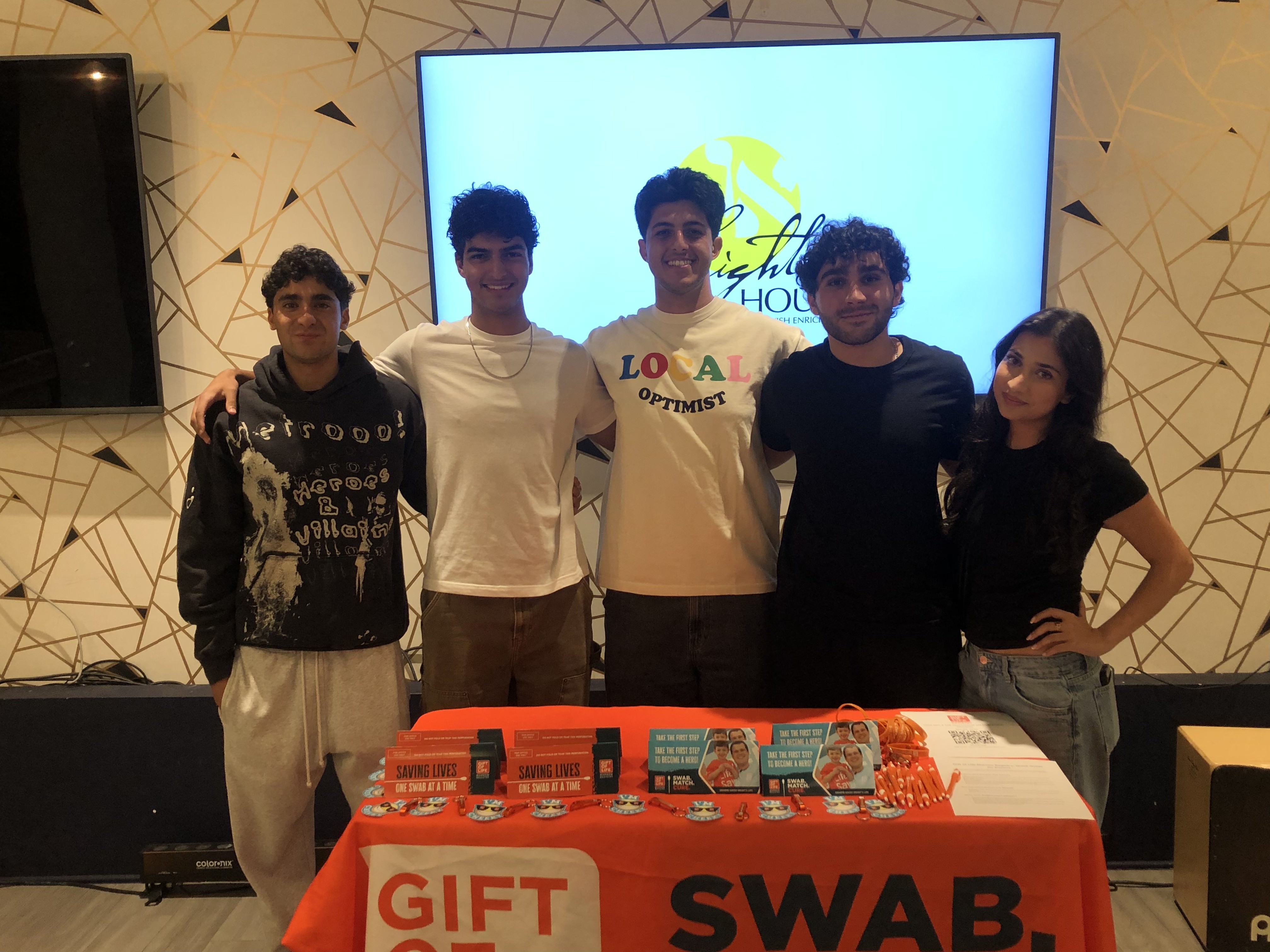
“That’s our biggest goal – increasing the swabbing number,” she said. “Secondly, we want to grow the club, because the more volunteers we have, the more people we have in the club and the easier it is to reach out to the public.”
Noorvash said people have come up to him to share their experiences with matching through Gift of Life when he’s been tabling at events. Hearing their reflections and gratitude, he said, motivates him to grow the organization’s presence at UCLA.
“Finding people who have been matched through our registry has been the most rewarding,” Noorvash said.