Progress toward full repatriation of Indigenous items differs across UC
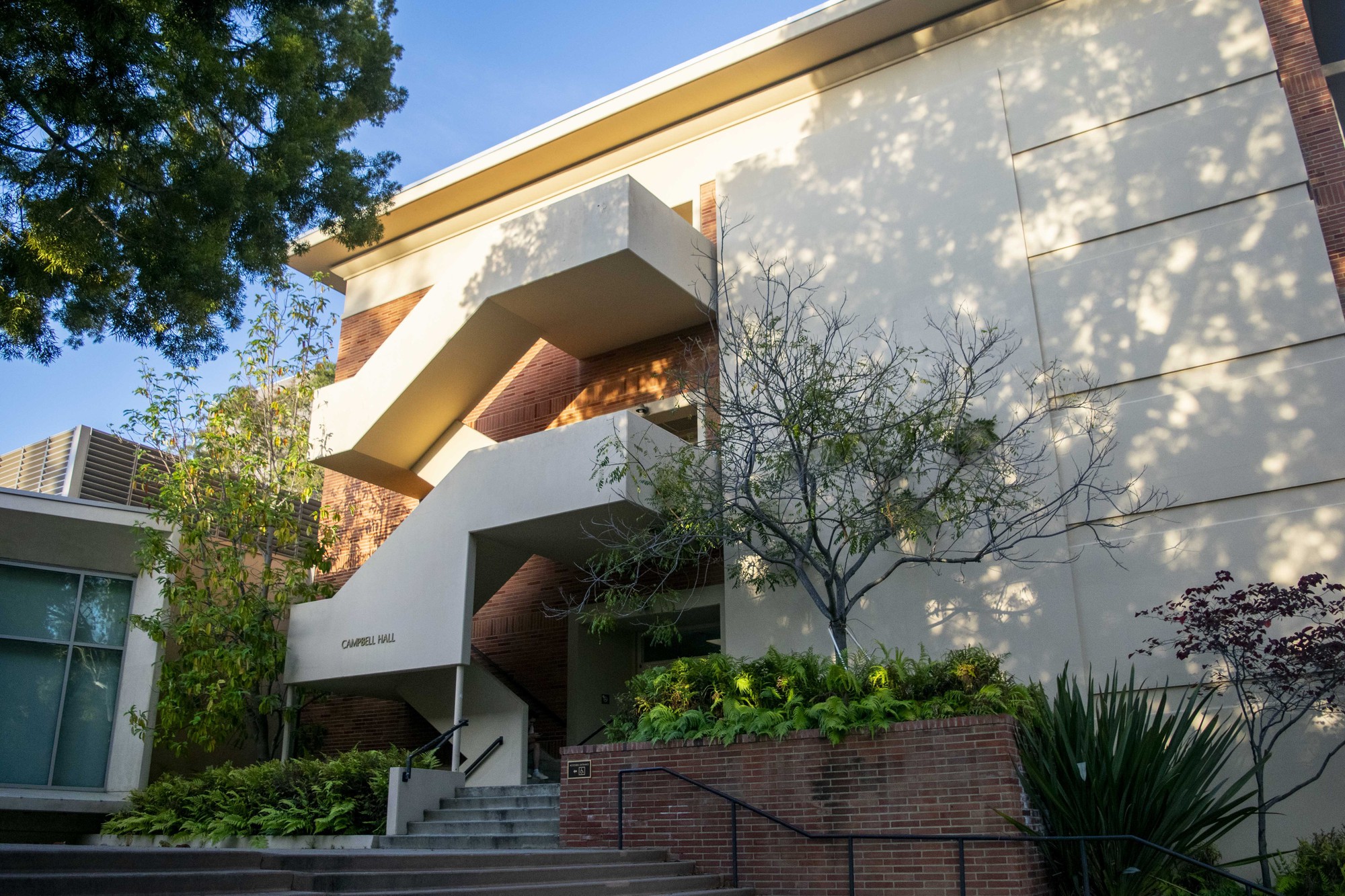
Campbell Hall is pictured. Progress toward the repatriation of Native American cultural items, which is required by law, varies across the University. (William Gauvin/Daily Bruin staff)

By Rune Long
June 7, 2026 12:40 p.m.
Progress toward full repatriation of Native American cultural items, as required by state law, varies greatly across the UC system.
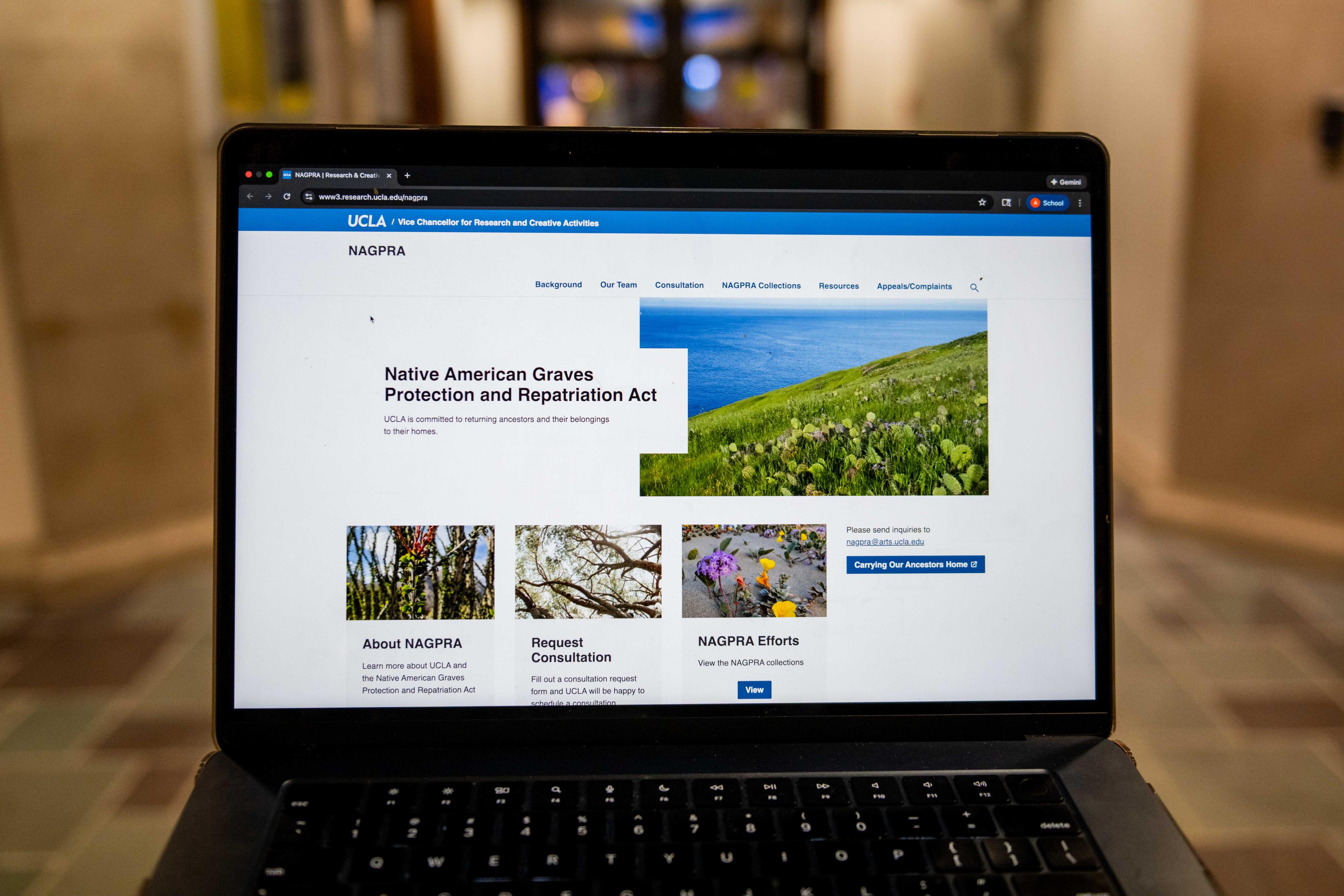
UCLA has repatriated 58,482 items – about 92% of the 63,897 in its possession – as of February 2026, according to the UC’s website. But some other UC campuses – including UC Berkeley, which has returned less than 25% of the items in its collection – lag behind in these efforts.
California’s state legislature passed the California Native American Graves Protection and Repatriation Act in 2001, an extension of the Native American Graves Protection and Repatriation Act, a 1990 federal law. The state law requires all institutions receiving state or federal funding, including the UC, to return Native American cultural items in their possession – such as human remains, funerary objects, sacred objects and objects of cultural patrimony – to descendants and relevant Indigenous tribes.
A 2018 amendment to the law required all UC campuses to develop and implement repatriation oversight committees in consultation with the California Native American Heritage Commission, which catalogs and identifies Native American cultural resources. The UC also introduced an online dashboard to report the status of repatriation efforts.
A 2020 amendment expanded the law once more to include non-federally recognized tribes and require institutions to consult with Native tribes throughout the repatriation process.
“Repatriation is really about getting our loved ones back into the ground for proper reburial,” said Assemblymember James Ramos, who authored the amendment. “When they were digged up, there wasn’t contact to tribes and their families to do a proper reburial. Instead, they were taken to institutions like the UCs, Cal State (Universities) and even museums, to be put on shelves as more of a trophy. They see Native American remains not as somebody’s loved one, but as a prized possession to hold onto.”
The University is committed to repatriating cultural items and ancestral remains, a spokesperson for the UC Office of the President said in an emailed statement.
“We acknowledge that UC’s past practices were deeply harmful to Tribal communities,” the spokesperson said. “There is still much more work to be done, and UC is committed to continuing our progress while centering core principles of respect for Tribal sovereignty and sustained, meaningful consultation.”
UCLA’s repatriation process occurs through the Fowler Museum – where these items are housed – under the oversight of the university’s repatriation committee. The university is committed to submitting all potential NAGPRA-eligible items under its control to its national program, a spokesperson for the Fowler Museum said in an emailed statement.
“UCLA works with its Tribal partners throughout the consultation process to determine what will be published in the Federal Register and to move through the rest of the process,” the spokesperson said in the statement.
Growing up on a reservation, Ramos said he witnessed institutions disregard tribal elders’ perspectives when it came to repatriation efforts, which he sought to rectify with his changes to CalNAGPRA.
“Compliance with NAGPRA is an important step in acknowledging and rectifying injustices against Native American and Native Hawaiian peoples through damaging museological, academic, and scientific practices,” said Allison Fischer-Olson, the repatriation coordinator for UCLA’s Fowler Museum in an emailed statement.
She added in the statement that she believes complying with NAGPRA and CalNAGPRA is the least the UC can do to support Tribal sovereignty over cultural heritage. UC campuses have the ability to voluntarily return items that are not NAGPRA-eligible.
Arianna Osuna, the vice president of UCLA’s American Indian Student Association, said while the UC has taken steps toward repatriation, it still needs to earn the trust of Native communities.
“NAGPRA is obviously very sensitive to Native people, but it’s something that we always know, we always carry with us,” said Osuna, a third-year political science student. “Within tribal nations, it is a lot harder because they have such distrust within the UC system because of how the past was, and so slowly we are rebuilding trust within the UC system and tribal nations across California.”
The California Native American Heritage Commission – a nine-member, governor-appointed council – is responsible for overseeing CalNAGPRA.
Institutions must consult with and keep a record of Native tribes to which an object may belong once they have identified an object as a cultural item under NAGPRA. After completing the consultation process, the institution submits an inventory determining the origin of the item to all consulting parties, then submits a notice to them and the National Park Service for publication in the NAGPRA Federal Register.
Upon publication of the notice, any lineal descendant, Native American tribe or Native Hawaiian organization can submit a request for repatriation, which the institution must respond to within 90 days.
Amiee Scott, the president of the AISA, said UCLA administrators need to do more to support the Native American community.
The university is committed to supporting Native American and Indigenous students through campus resources and academic programs – including the American Indian Studies Center, the Native American and Pacific Islander Bruins Rising Initiative and the Native American and Indigenous Student Success Center, a spokesperson for the American Indian Studies Center said in an emailed statement.
“They want to claim that UCLA is a diversity and equitable school,” said Scott, a fourth-year psychology student. “Then, you need to align yourself with those beliefs and fight for our rights as well, and fight for our visibility here.”