Study finds California workers feel underprepared to join workforce
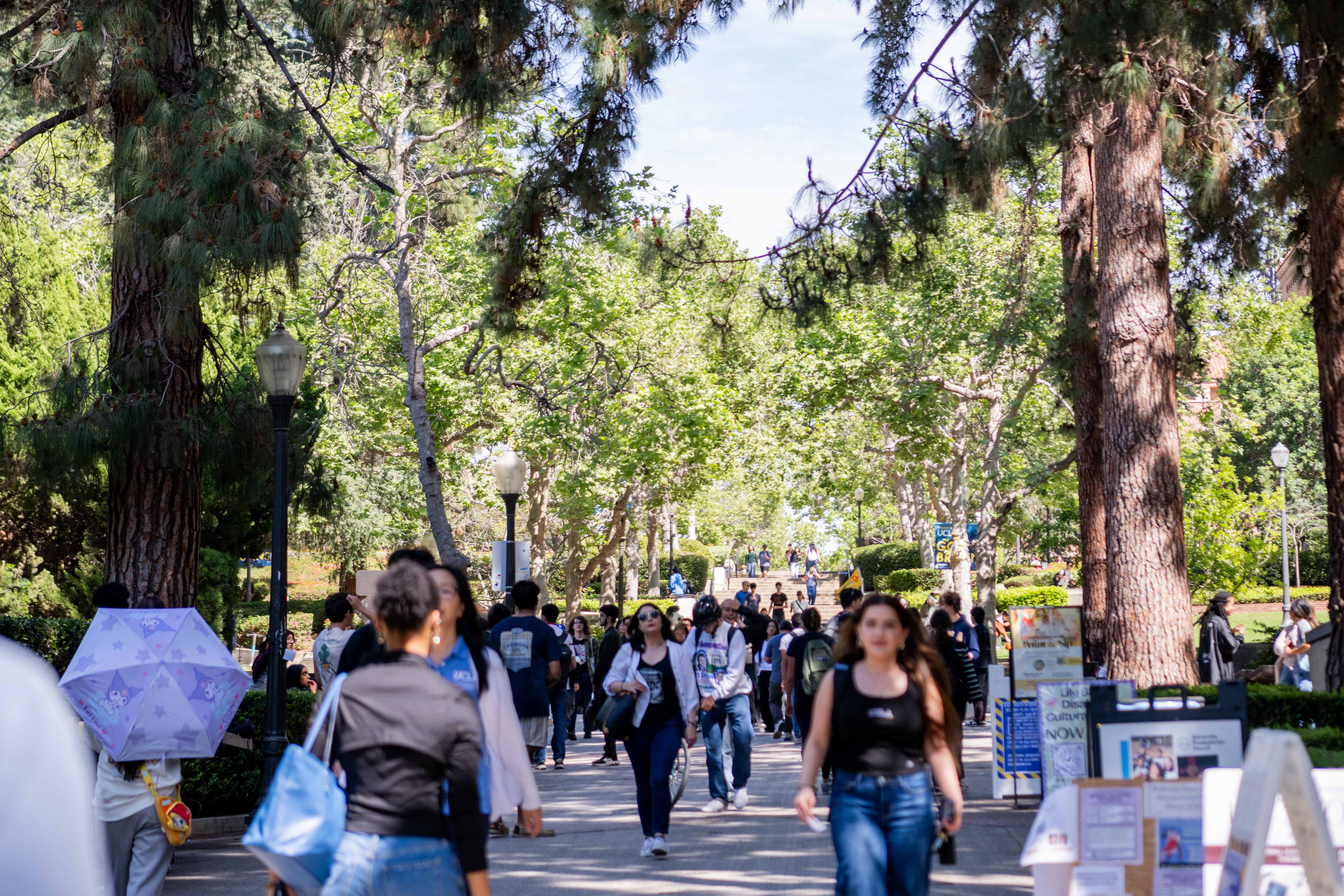
Students are pictured walking on BruinWalk. Nearly 70% of California workers feel unprepared for today’s workforce, according to a study published Tuesday by Canvas’ parent company. (Crystal Tompkins/Daily Bruin senior staff)

By Delilah Brumer
April 16, 2026 5:18 p.m.
This post was updated April 16 at 11:06 p.m.
Nearly 70% of California workers feel unprepared to succeed in today’s workforce, according to a study published Tuesday by Canvas’ parent company.
The study, which focuses on the state of skills, education and employment in California, was commissioned by Instructure – the company that owns Canvas, the learning management system used by UCLA and hundreds of other universities. The Harris Poll, a public opinion research firm, conducted the study for Instructure.
One of the study’s main findings is that 84% of California workers are interested in upskilling, or learning new or advanced skills, to remain competitive for jobs.
Ryan Lufkin, the vice president of global academic strategy at Instructure, said the study demonstrates a demand for skills-based education – especially as higher education institutions grapple with the impacts of artificial intelligence on the job market.
“The pace of change has become so fast,” Lufkin said. “We often feel like what we’re studying in college isn’t the skills we’re going to need when we enter the job force.”
Colleges should prioritize partnerships with employers – as well as other higher education institutions – to support workers as the economy evolves, Lufkin said. California has been a pioneer of such collaboration, working with the California Community Colleges, UC and California State University systems, he added.
“There’s the appetite to really create equity and access to education at all levels in California that is incredible,” Lufkin said.
The study also found that 90% of California workers support more standardized requirements – such as which courses or certifications are necessary for a specific role or degree – across different employers and educational institutions. Some students opt to attend multiple colleges or universities throughout their educational journeys to take courses that can help them stay relevant in the job market, which can be a complex process.
Raquel Cruz, a third-year Spanish student, said she plans to attend a Southern California community college to earn an associate degree in community interpreting after graduating in the spring.
Cruz said she hopes to work as a court interpreter because she wants to increase access to legal resources for people who speak languages other than English. She anticipates having substantial job opportunities once she earns her certification and becomes licensed, she added.
“I do think it would be helpful for institutions like UCLA to have more opportunities for humanities majors to get more technical experience as well,” Cruz said.
Janna Shadduck-Hernández, a project director at the UCLA Center for Labor Research and Education, said many young adults work low-wage jobs in retail and restaurant industries as a way to make ends meet, pay for college or support their family members.
Although these workers typically see such jobs as temporary, it is still important that employers provide job training and skill advancement opportunities, she added.
“A lot of times, there’s this notion that young people – or just people who are re-tooling because they’ve lost their jobs – should just be happy that they have a job and that they should be grateful that they’re getting experience no matter what it is,” Shadduck-Hernández said. “I would contest that notion and say that it is our responsibility as a society to create jobs that are just, fair, have mobility within them and that they pay a living wage.”