UCLA symposium urges lawmakers to promote renewable energy for affordability
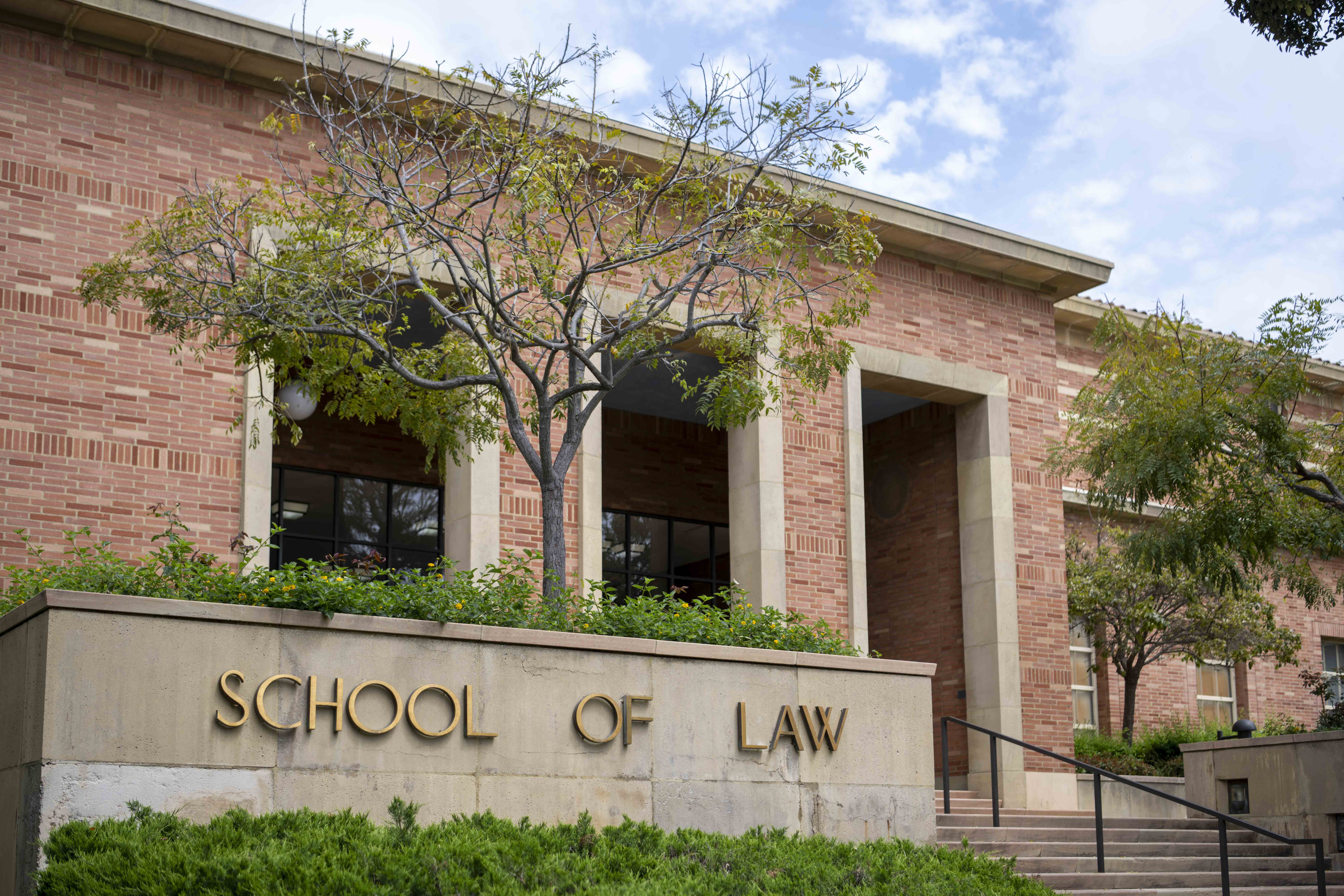
The UCLA School of Law, which hosted the event that discussed the impacts of sustainability policies on affordability and featured policymakers and environmental advocates, is pictured. (Crystal Tompkins/Daily Bruin senior staff)


This post was updated April 11 at 5:33 p.m.
Speakers at an April 3 UCLA symposium called on California lawmakers to promote affordability by investing more in renewable energy.
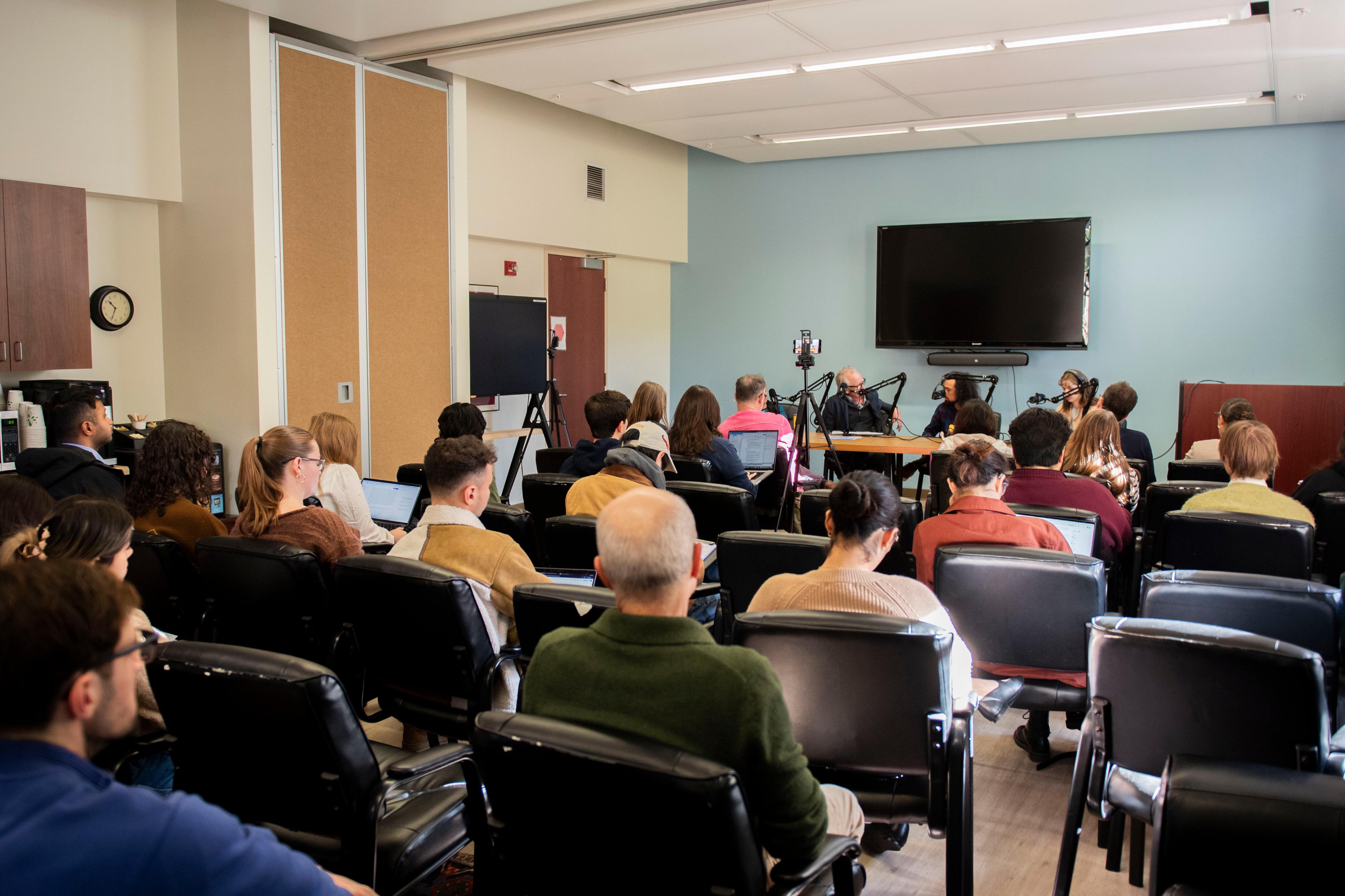
Nearly 200 people attended the UCLA School of Law event, which addressed the impacts of sustainability policies on affordability and featured policymakers and environmental advocates.
“Affordability has been the issue on top of mind for policymakers in California and nationwide following the 2024 election,” said Brennon Mendez, one of the event organizers. “It’s really dominated the public discourse and particularly in the environmental law space.”
The event began with a keynote address from John Reynolds, the president of the California Public Utilities Commission, a California regulatory agency responsible for overseeing access to utilities.
The war in Iran – which began when the United States and Israel launched an attack on the nation Feb. 28 following months of the Islamic Republic killing protesters seeking regime change – has created an energy crisis in the U.S., Reynolds said.
The attacks disrupted the Strait of Hormuz, a passageway through which nearly 20% of the world’s oil and gas supply passes. The latest Consumer Price Index report showed that the U.S.’s overall energy index rose nearly 11%, with gasoline prices increasing 21%, according to The New York Times.
Transitioning to solar energy would create a more resilient economy that is insulated from changes in the global oil supply, he added.
“We’re in a world now where rates are very high, and bills are increasingly high,” Reynolds said.
Energy prices in California have continued to rise primarily due to wildfires destroying electrical utility infrastructure and fixed costs for people who do not use solar panels, he added.
Inflation-adjusted electricity prices are only rising in select states, including California, said William Boyd, a faculty co-director of the Emmett Institute on Climate Change & the Environment at UCLA.
Boyd added that this was due to California’s reliance on a vertically integrated, cost-of-service model – a model where a single utility company owns full control over all assets needed to generate and provide electricity – instead of a fully deregulated, competitive utility market.
“Is there a model that can deliver investment and affordability at the same time, simultaneously?” Boyd said. “We are moving toward a world of radically different cost structures for the technologies that we use to generate electricity.”
Abre’ Conner, the director of the Center for Environmental and Climate Justice at the National Association for the Advancement of Colored People, said the federal government’s reversal of prior investments in renewable energy projects, as well as the construction of new artificial intelligence data centers, have contributed to energy affordability concerns.
Conner said she believes the Trump administration’s push to build more data centers is encouraging the use of fossil fuels to meet energy demands.
The Trump administration has also removed EPA regulations aimed at mitigating carbon emissions and has terminated existing financial awards for clean energy projects, while signing executive orders to increase fossil fuel extraction since January 2025.
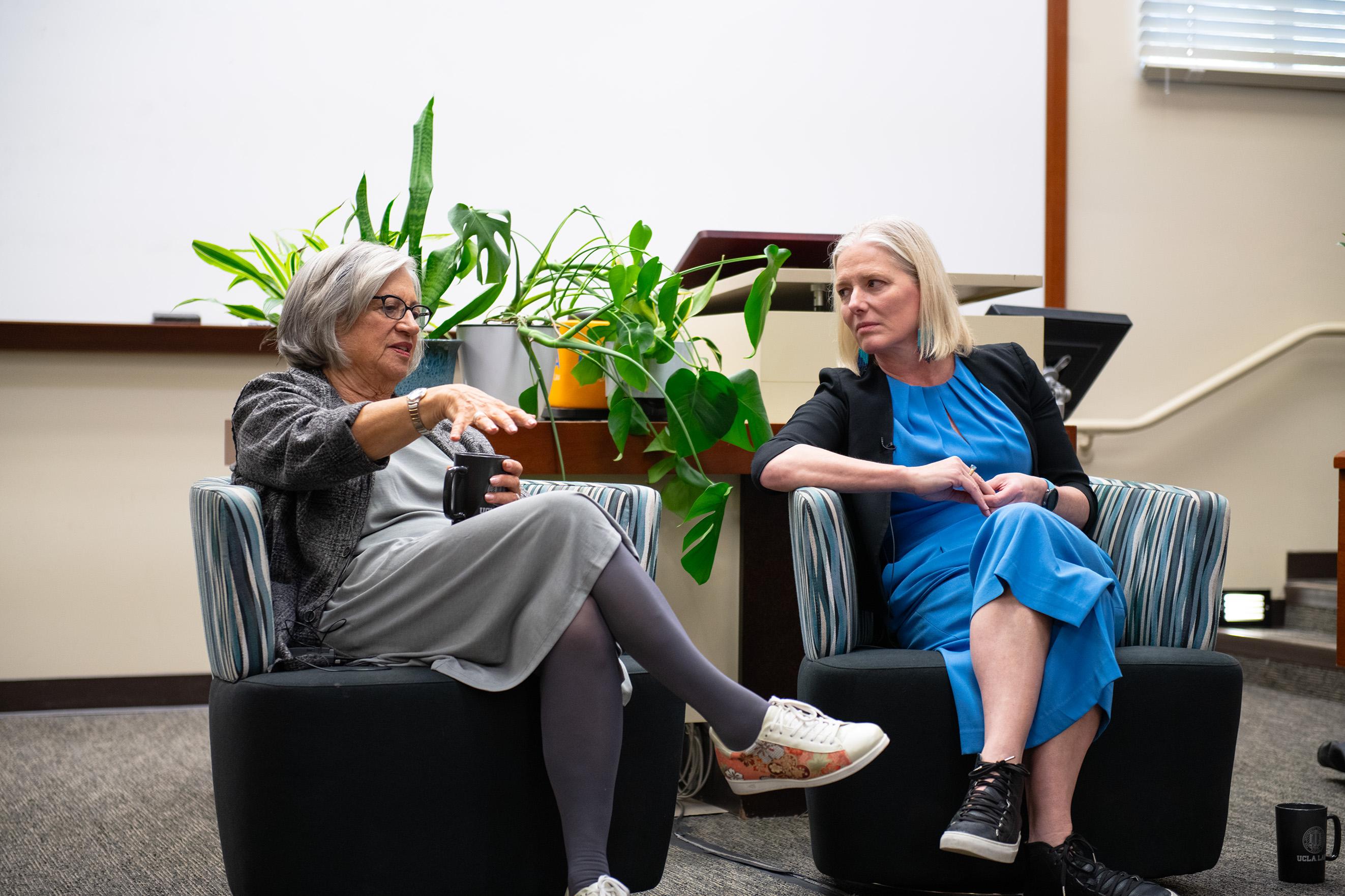
“It’s very clear that climate policies are under threat nationally, under threat very explicitly from the Trump administration,” said Cara Horowitz, the executive director of the Emmett Institute and one of the event moderators. “It’s important for us to think hard about how California can continue to be a role model for other jurisdictions that want to make progress in this space.”
David Spence, a panelist and the Rex G. Baker Centennial Chair in Natural Resources Law at the University of Texas at Austin School of Law, said he hopes attendees understand the difficulties of transitioning to clean energy. He added that he hopes the event inspired students to consider working in energy.
“I know the most satisfying thing about my career is watching my students go into the energy world and then hearing from them 10 or 20 years later,” Spence said.
Armaan Diwan, a high school junior at the Orange County School of the Arts, said he attended the event because he is passionate about sustainability. He added that he appreciated the panelists’ passion and hearing their opinions on how different stakeholders can fight climate change.
Jennifer Ganata, a panelist and UCLA alumnus, said all three panels addressed the importance of combating social disparities when creating sustainability policy.
Sarah Hernandez, an event attendee, said she enjoyed hearing the panelists speak about how community organizations – rather than just lawmakers – can make change.
“I really appreciated having somebody that represents community organizations,” she said. “Having all those perspectives at the same time really paints a bigger picture.”