UCLA student organization sponsors state bill targeting digital sexual harassment
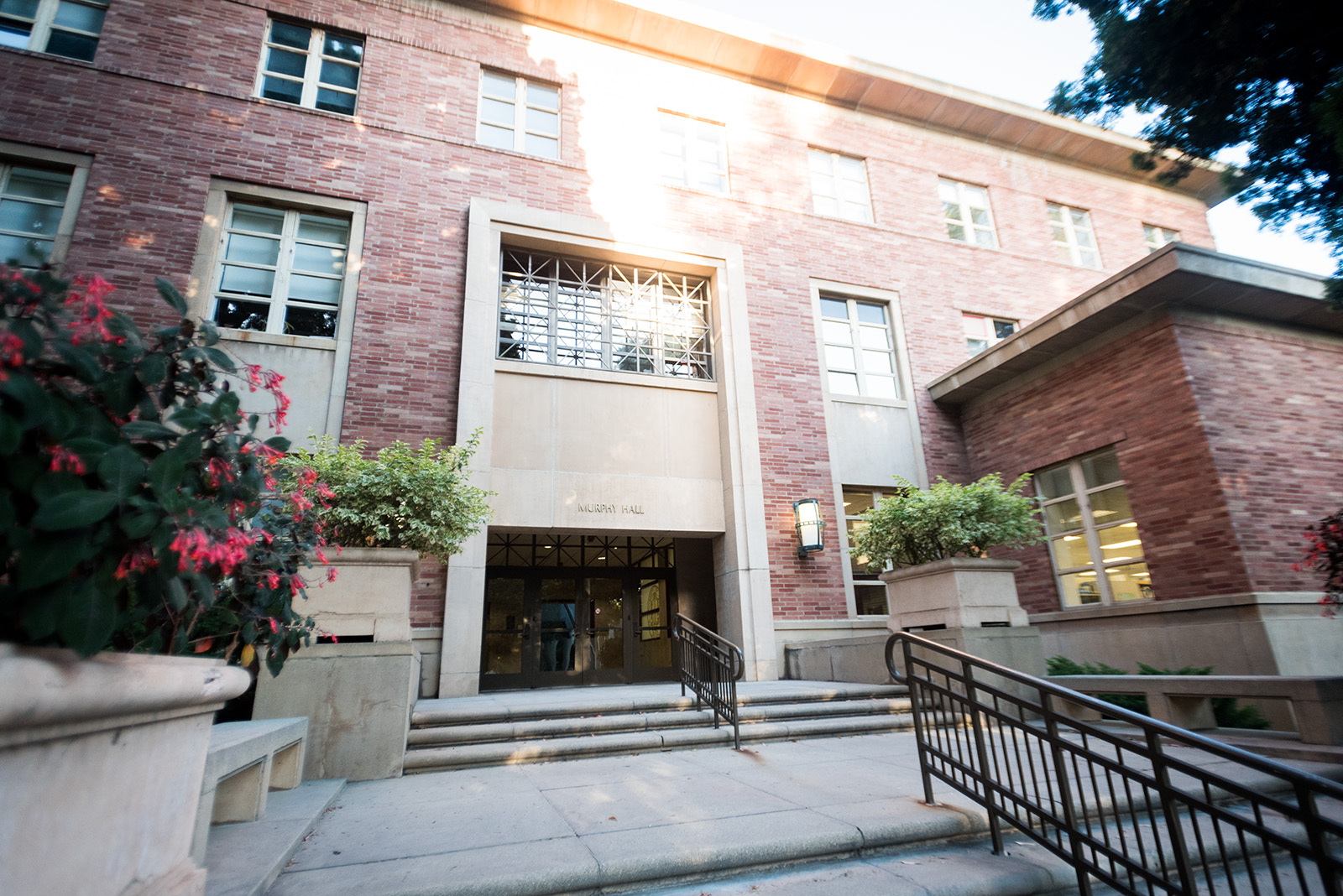
Murphy Hall, where UCLA’s Title IX office is located is pictured. A UCLA student organization sponsored a state bill to require California colleges to create policies that address technology-facilitated sexual harassment. (Daily Bruin file photo)

By Josephine Murphy
April 2, 2026 10:10 p.m.
A UCLA student organization sponsored a state bill to require California colleges to create policies that address technology-facilitated sexual harassment.
The bill, if passed, would require California community colleges, California State University and the UC to provide students who have digitally generated sexually explicit materials made of them with funds of up to $1,000 to help them identify and remove the material. Universities that fail to comply could have their state funds withheld, according to the bill’s text.
The bill also intends to address concerns regarding image generation tools and generative artificial intelligence, according to a fact sheet from the office of Rebecca Bauer-Kahan, the assembly member for California State Assembly’s 16th district.
Survivors + Allies, an organization in the UCLA Center for the Study of Women sponsored the bill. Members of the organization, which was founded in 2020 because of concerns about Title IX reporting processes on UCLA’s campus, also include students from other UCs, CSUs and community colleges, said Victoria Copeland, a community mentor and co-founder of the organization.
S+A conducts research on sexual assault survivors from California colleges and has met with the UC Board of Regents and Title IX office, Copeland said.
If implemented, the bill would require UCLA’s CSW to award grants – which the legislature would fund – to institutes, organizations and universities to support research on handling reports of sexual harassment, violence and assault, as well as preventing these incidents, according to the bill.
The bill would also add several terms to the state Education Code, including technology-facilitated sexual harassment and affirmative consent. It would also revise the definitions of sexual harassment and sexual exploitation to include specific language related to digitized forms of sexual violence.
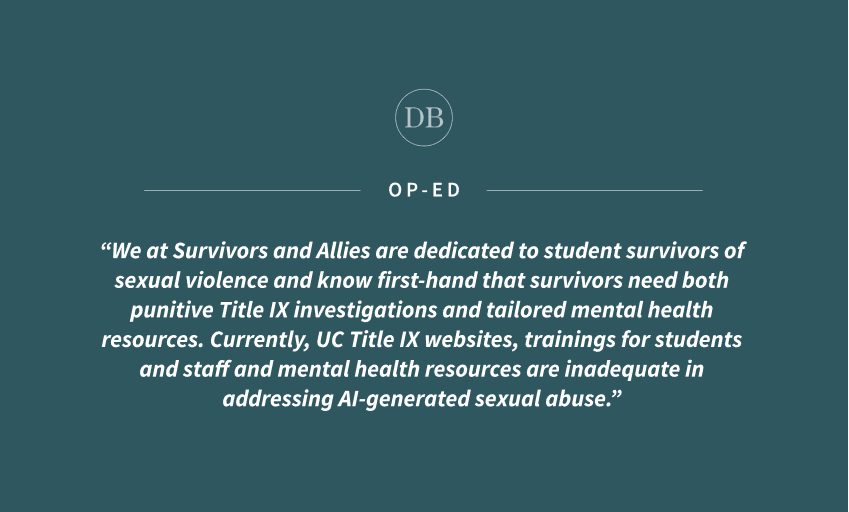
Copeland said the organization examined UC policies available to student survivors of sexual violence who have experienced online abuse. They discovered gaps in support after an S+A report found that one in seven sexual violence survivors experience technology-facilitated sexual harassment.
She added that S+A then began looking for legislators to collaborate with to address the issue on a legislative level.
“It’s really special that this is our first bill that we get to sponsor, just because it was rooted in, not only what we were seeing across the state, but also what we saw in our actual report,” Copeland said. “It’s really special that we are getting to see how our research can be translated into actual change.”
S+A met with several state legislators before beginning to work with Assemblymember Bauer-Kahan, said Alexandra Dildine, a fourth-year political science student and S+A member. She added that S+A decided to work with the assembly member because she chairs the state assembly’s Privacy and Consumer Protection Committee, which has helped lead statewide AI regulation.
The bill has been referred to the California State Assembly’s Higher Education and Privacy and Consumer Protection committees, which will vote on it. Dildine said if the bill advances, the organization will encourage organizations to write letters in support and engage in other forms of publicity.
Amber Warnke, a UC Davis student and S+A member, said she plans to speak in front of the Privacy and Consumer Protection Committee later this month in support of the bill.
She added that she is frustrated that developments in technology led to a new form of sexual violence.
“As this technology becomes more and more advanced and more and more relevant, it’s important to make sure that the law follows up by ensuring that survivors don’t fall by the wayside as the technology advances,” she said.
Copeland said survivors often tell S+A they want greater awareness and transparency in terms of resources available to those who face sexual violence.
“We’re hoping that by us pursuing this state legislation, that other campus organizations will also feel inspired to take up their own mantle and pursue this sort of legislation in their states,” Copeland said.