UC basic needs programs might be in danger. What now?
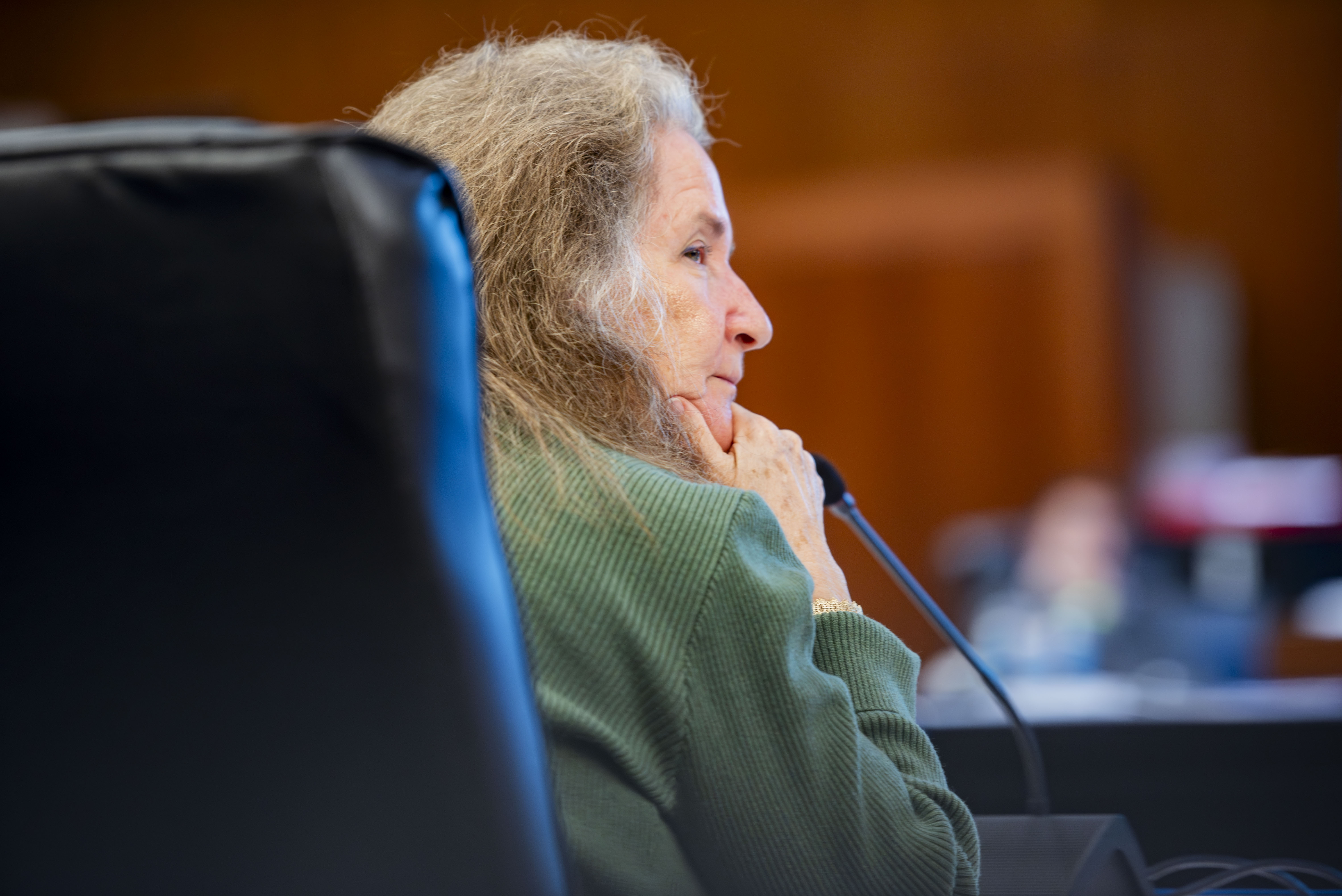
Katherine Newman, the UC’s provost and executive vice president of academic affairs, is pictured at UC San Francisco. Nearly half of all UC undergraduates and one-third of graduate students are currently facing food insecurity, according to data presented at a UC Board of Regents meeting Wednesday. (Maggie Konecky/Daily Bruin senior staff)

By Maggie Konecky
March 20, 2026 11:20 p.m.
SAN FRANCISCO – Nearly half of all UC undergraduates and one-third of graduate students are currently facing food insecurity, according to data presented at a UC Board of Regents meeting Wednesday.
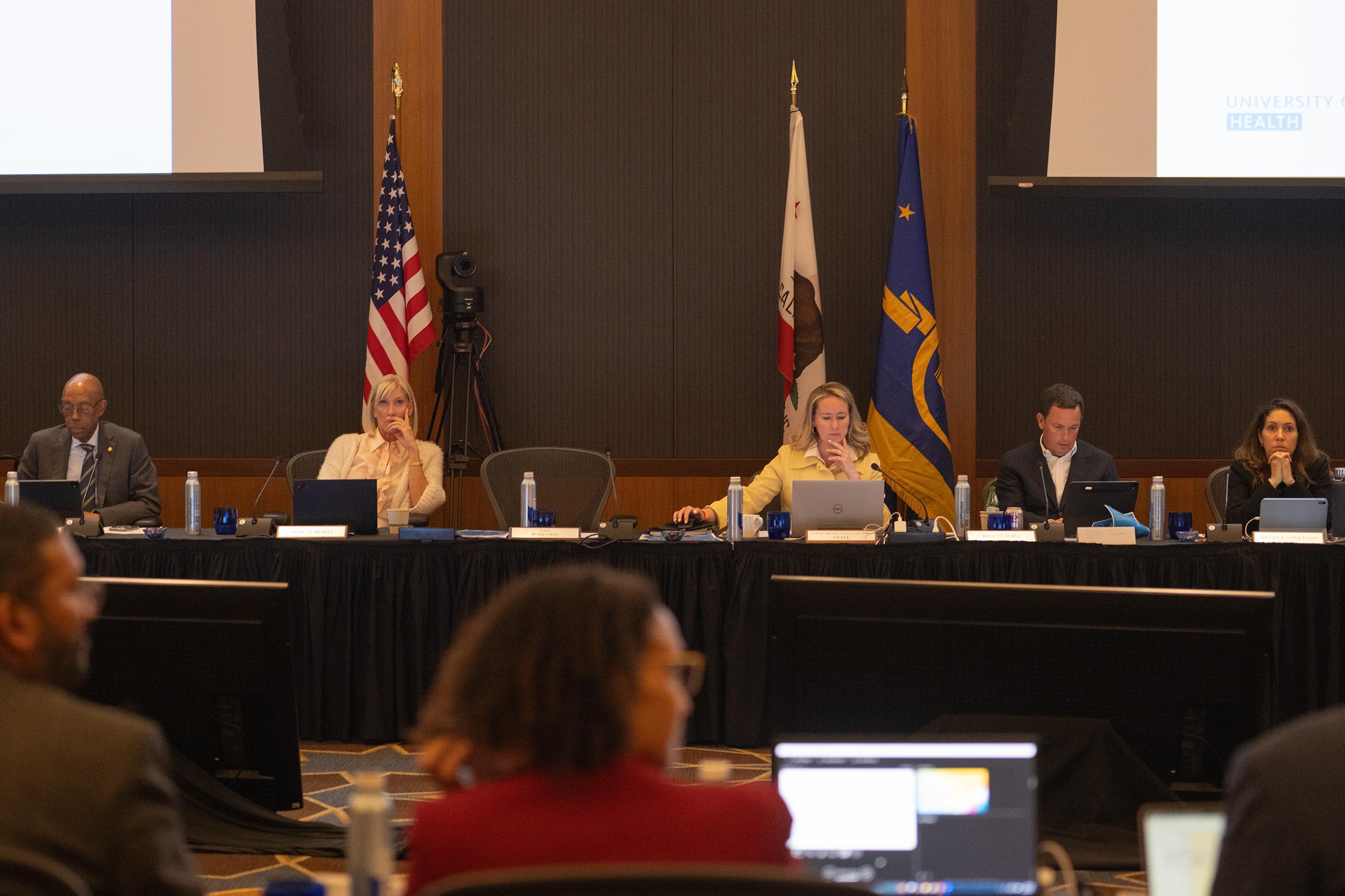
Several University administrators presented the 2024-25 UC Basic Needs Annual Report at the board’s bimonthly meeting Tuesday and Wednesday at UC San Francisco.
Katherine Newman, the UC’s provost and executive vice president of academic affairs, said during the meeting that basic needs initiatives across UC schools had long been led at a campus level, meaning that support varied across campuses. However, following continued support from the state legislature that began in the late 2010s, resources became more consistent across campuses, she said.
The UC receives $19.5 million annually in state funding, which goes toward developing campus basic needs centers and strengthening the University’s ability to respond to emergency needs, according to the agenda item.
Many students across UC campuses use resources the basic needs initiative provides, such as food assistance, Newman said. The state allocations also support CalFresh application help and rapid rehousing efforts for students experiencing homelessness, she added.
However, more people may find it harder to access state and federal social services this year, which will make infrastructure like food pantries and produce distribution more critical, Yvette Gullatt – the UC’s vice president of graduate, undergraduate and equity affairs – said during the meeting. Many other students who could benefit from basic needs resources are not using them at all, Newman said.
“Many students in need do not actually make use of our services,” she added during the meeting.
The One Big Beautiful Bill Act – a Republican-backed law passed in July – put hundreds of thousands of Californians at risk of losing CalFresh, according to the state’s Legislative Analyst’s Office.
Beginning in April, people classified as refugees, asylum seekers and other types of immigrants will no longer be eligible for the program, according to the California Department of Social Services. The law also tightened work requirements in determining CalFresh eligibility, which will go into effect in June.
The UC will continue to offer basic needs services regardless of a student’s immigration status, Newman said.
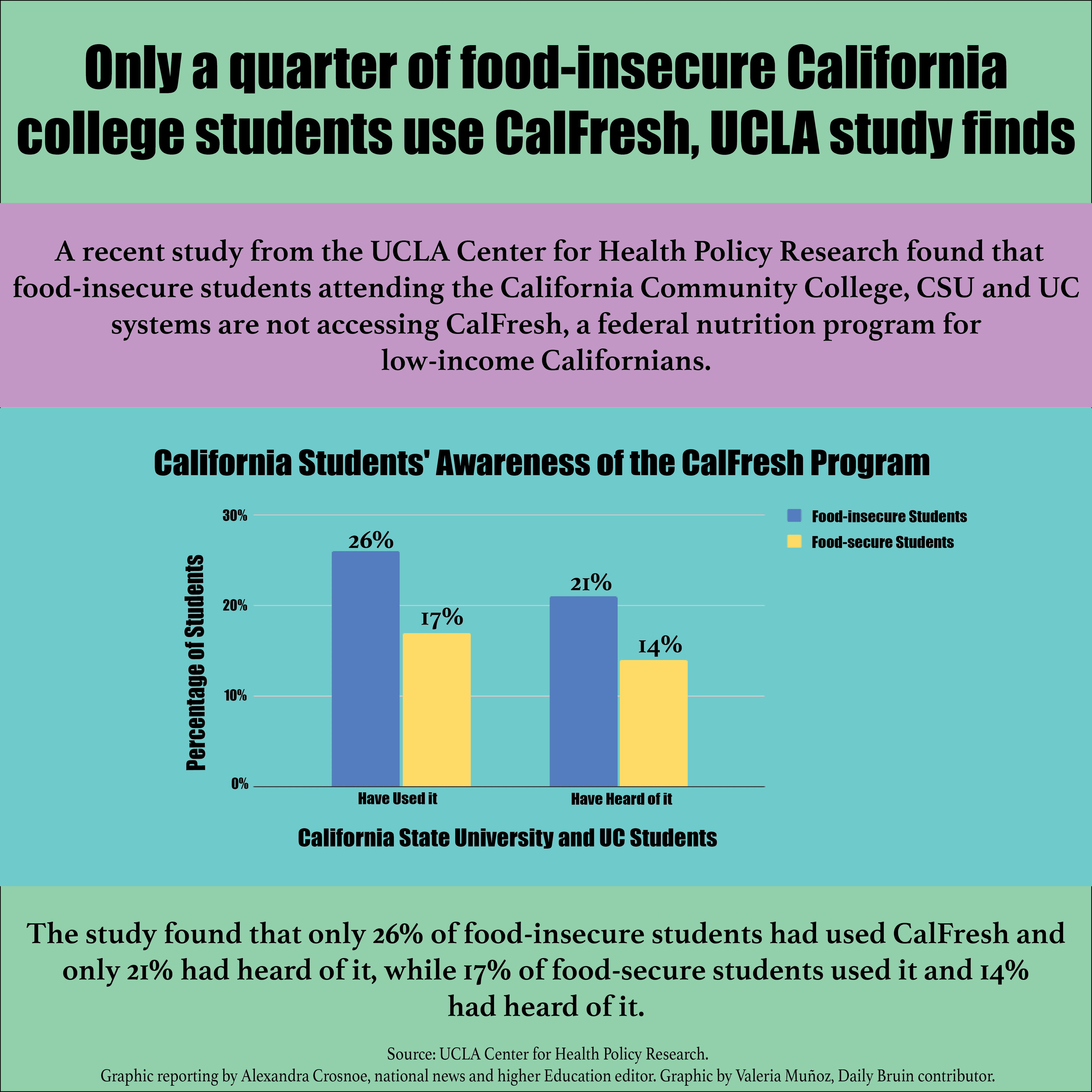
Gullatt said there is still a large difference between the number of students the state estimates to be eligible for CalFresh and the number who actually use it. She encouraged the UC to continue collaborating with the California State University and California Community College systems on getting more students to access the program, as well as create alternatives for students who cannot use state benefits.
“The state estimates 300,000 students are potentially eligible for CalFresh who are not receiving it,” Gullatt said. “Let’s close that gap.”
Miguel Craven, the student regent-designate, said supporting basic needs services is even more important as the centers themselves face rising operational costs.
“They’re working tirelessly and doing amazing work,” he added. “A lot of these students are putting in their own time, their own effort, volunteering to be able to support these services and support their own peers.”
Craven also said the UC should continue providing some level of support to students who once relied on basic needs resources and become independent of the program. He added that he hopes someone who began using basic needs services as a freshman may no longer need the program by the time they are a junior or senior.
Newman added that students who are financially providing for family members alongside themselves can be impacted more by shifts in the economy and the rising cost of living. She added that periods of economic downturn like the Great Recession and COVID-19 pandemic have worsened the basic needs problem among Californians.
[Related: Anderson Forecast finds Trump’s tariffs slow US, California economic growth]
“When I was an undergraduate, I worked 40 hours a week, and most of that went home to my family,” Newman said. “I could cover my own costs, but I had to help my siblings. Thousands of our students are in exactly the same situation.”
Genie Kim, the UC’s director of student mental health and wellbeing, said she believes the initiative’s current infrastructure and funding will not be enough to develop new support strategies beyond essential needs. She added that they have been focusing on partnering with student associations across campuses to advocate for future policy.
Regent Michael Cohen said while he believes the UC has gained more understanding of the issue throughout past years, the number of students requiring basic needs assistance has not trended down as much as he anticipated. Regent Ann Wang suggested the University should use artificial intelligence to gain more data about the initiative’s capacity and how it is currently accessed.
Craven said he was concerned that basic needs centers’ funding would remain the same despite the surrounding cost increases for both students and the centers themselves.
Newman said she views the UC’s ability to maintain its current level of basic needs funding as a victory – even though it is not yet the outcome the University is working toward. She added that although the initiative will continue to support its centers at the same level, they will be impacted as resources that make up safety nets for Californians and Americans become harder to access.
“I don’t envision any reduction in those services, but I do envision an increase in the demand for them,” Newman said. “The entire architecture that we all rely on is a little on the shaky side, but our commitment to these investments is not going to waver.”