Q&A: Joachim Trier reflects on politics, family and cinema after Oscars win
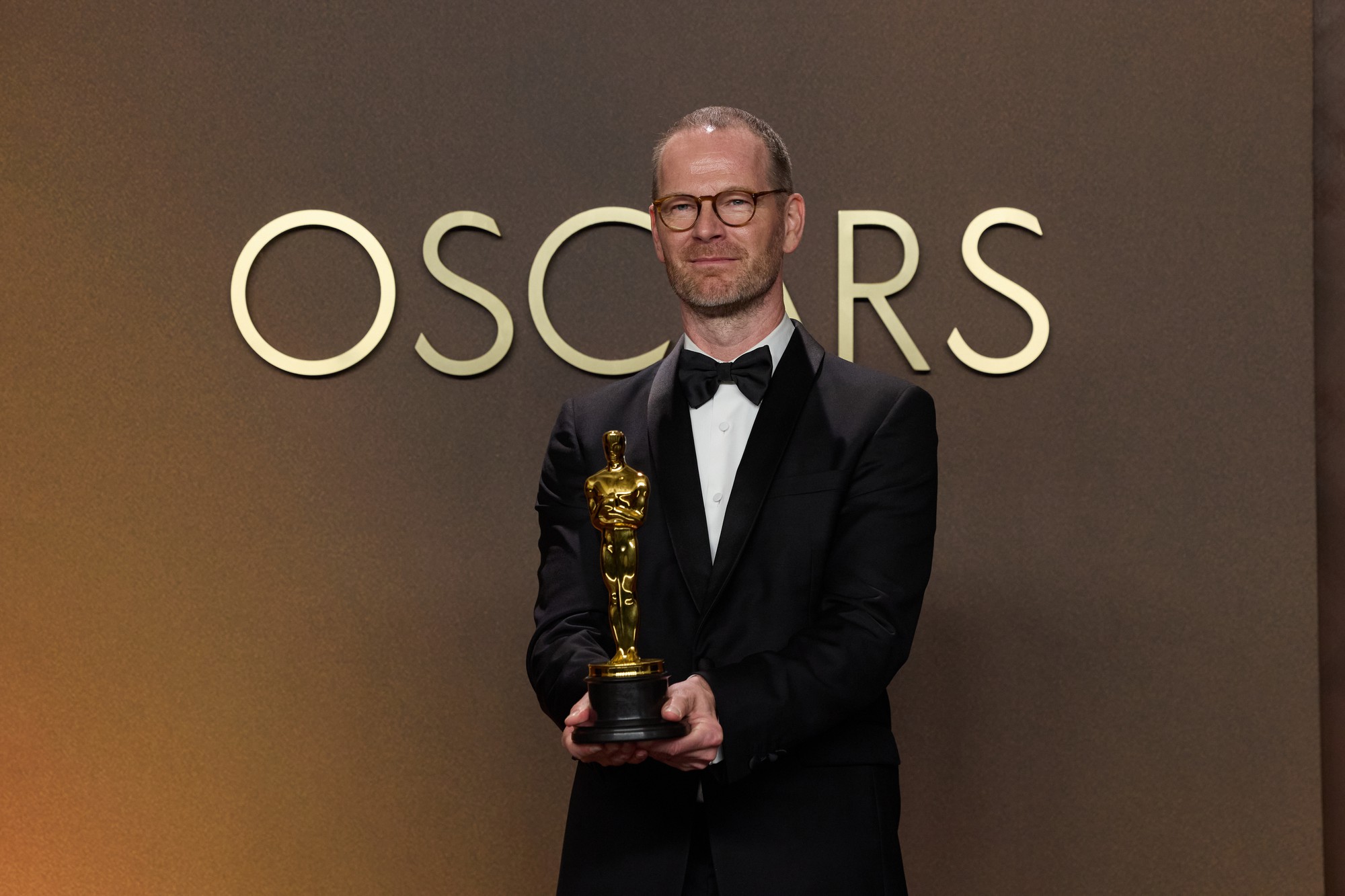
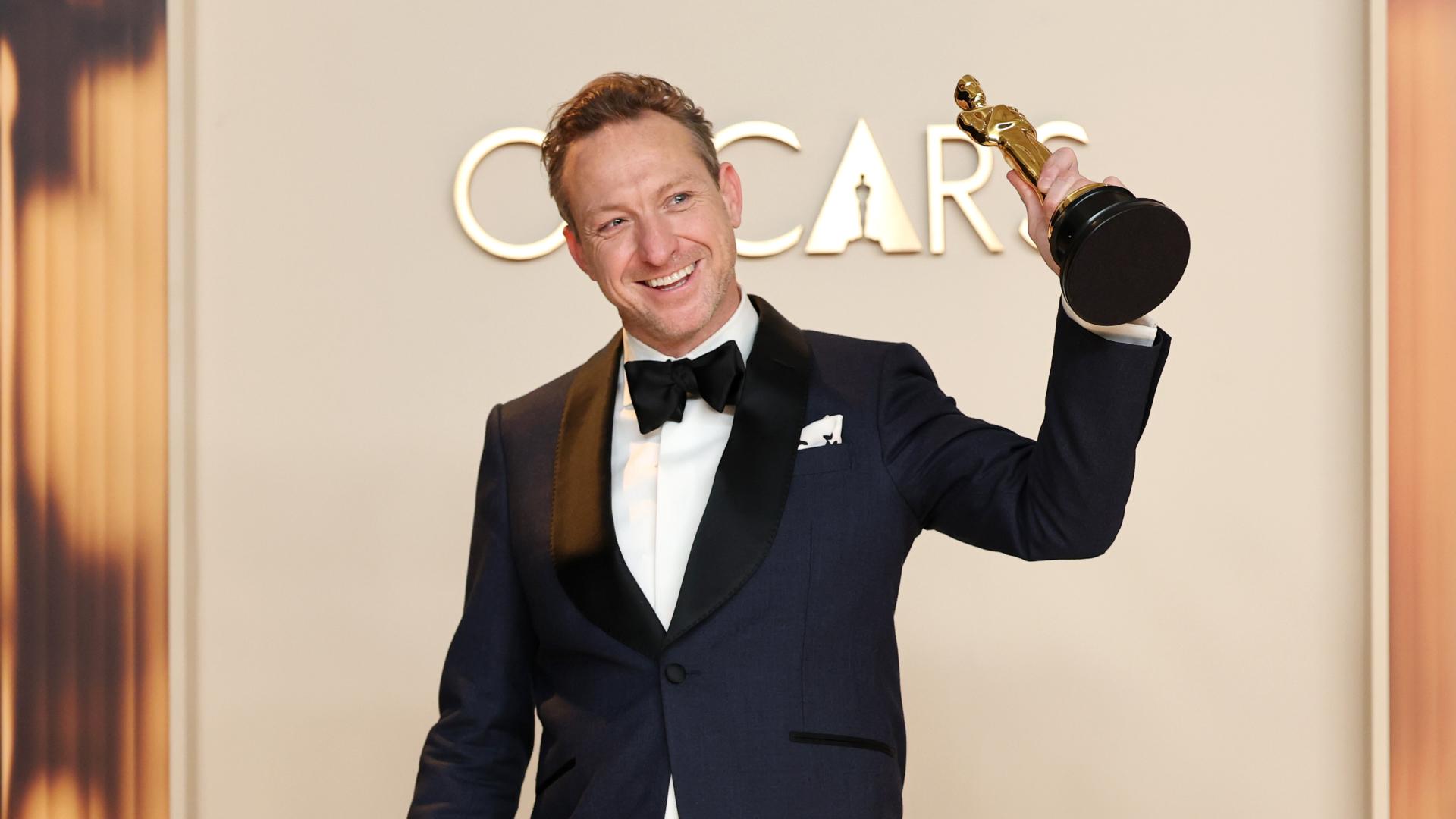
Director Joachim Trier smiles as he holds his Academy Award. On Sunday, Trier won the Oscar for Best International Feature Film for his film, “Sentimental Value.” (Courtesy of The Academy Awards)

By Eleanor Meyers
March 20, 2026 4:30 p.m.
This post was updated March 20 at 9:50 p.m.
“Sentimental Value” has found its place in the Oscars record books.
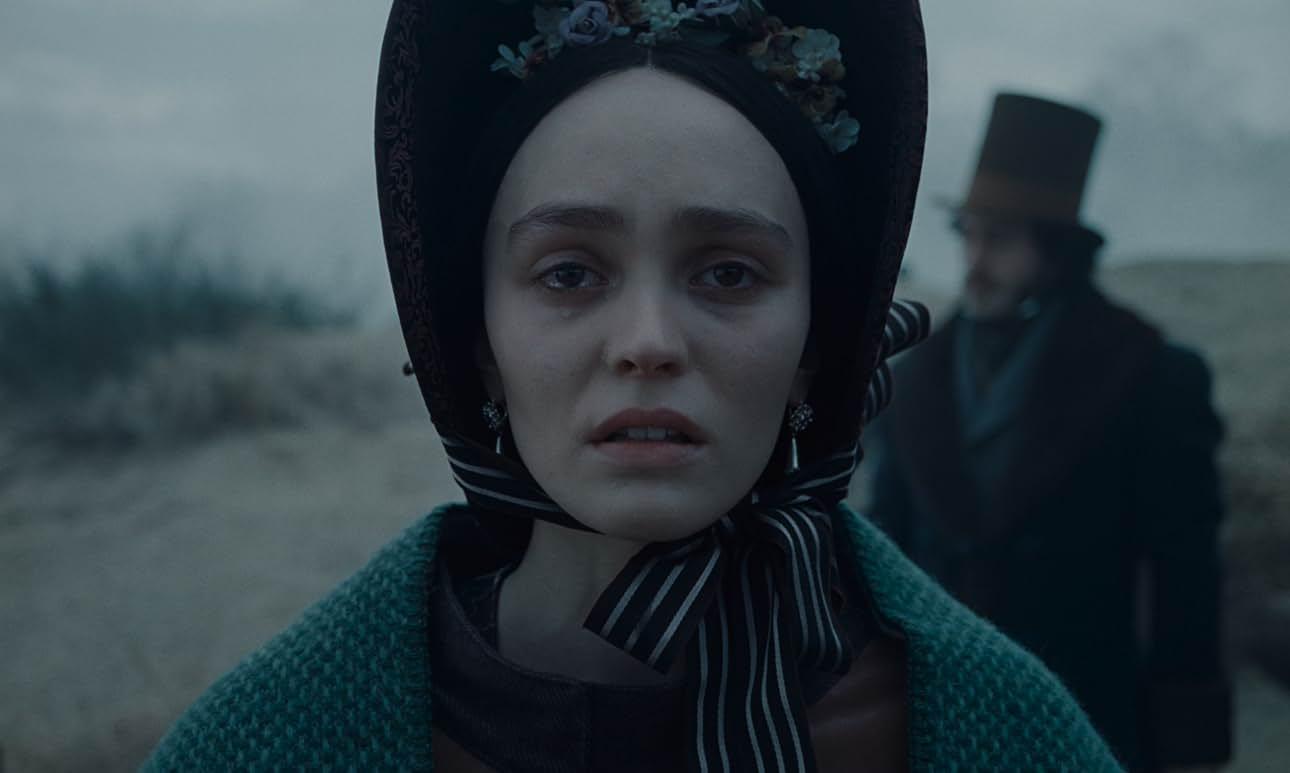
The Norwegian psychological drama from director Joachim Trier earned the Academy Award for Best International Feature Film at Sunday’s 98th annual Oscars ceremony. Centered around two estranged sisters, Nora (Renate Reinsve) and Agnes (Inga Ibsdotter Lilleaas), the two-hour film portrays the death of their mother and untimely return of their negligent director father, Gustav (Stellan Skarsgård), who hopes to cast Nora in his newest cinematic endeavor. “Sentimental Value” is the first Norwegian film to win in the category.
Following his victory, Trier spoke with the Daily Bruin’s Eleanor Meyers and other journalists in the Loews Hollywood Hotel press room about his filmmaking process and artistic approach to directing.
[Related: Oscars 2026: ‘One Battle After Another’ wins 6 awards, Michael B. Jordan claims Best Actor]
This interview has been edited for length and clarity.
Dagbladet: Why did you choose to quote James Baldwin in your speech and talk about what kind of politicians we should elect? And also, how are you going to celebrate this evening?
Trier: I’ll do the easy answer first, which is that I’ll celebrate with the cast. A lot of them are here – I think we’re about 60 or 70 people. I quoted James Baldwin because I think the world is at a moment when we are getting more information than ever about the wrongdoings made towards children and several wars going on at the moment. Personally, I have two small kids. And me and most people around me have been at times crying a lot, weekly, daily, feeling incapable of doing stuff because we’re seeing Palestinian children suffer. We’re seeing people in Ukraine suffer. People in Sudan suffer. There doesn’t seem to be any accountability at the moment. And I can mention many other conflicts, so I hope that you won’t make a case of who I mentioned and didn’t mention – any child that dies at war is a responsibility for all adults that elect politicians.
In dictatorships, we see a lot (of) very strong men – we’re in a time of strong men again. I think of Hannah Arendt, who taught us about what happened during the Holocaust and the Second World War, in which my family suffered tremendously. I talked about this in the context of the film. My grandfather was a resistance fighter during the war, and when you’re young, you think, “Oh, these things are far away in time,” but actually, it happened quite recently, and it happens again and again.
As an artist, I’m not a politician. But I do believe that we need a unanimous thing across the aisle, as we say in America, or as they say in America, to be more collaborative about how we protect children in conflict situations. But also in society in general.
[Related: Oscars 2026: Daily Bruin writers predict 98th Academy Awards winners]
Daily Bruin: One of the most significant aspects of your film is the emotional depth and impact that it has on audiences. I’m curious what emotions you’re feeling right now, and also what you would say the most rewarding part of this whole experience has been for you?
Trier: Thank you. I’m quite emotional now, I’m understanding this slowly – a bit of a shock. It’s been a long journey. I’ve been traveling with this film since Cannes. How many months is that now? Eight, 10 months since May last year. The most rewarding (thing) is that alongside promotion, and glamorous things that can sometimes feel very important when you talk to a good journalist, and sometimes a bit superficial when you’re just dressing up. … In all of that, it’s the effort of getting this film to the world. It’s now by far the Norwegian film that’s been watched the most in theaters around the world.
I’m very proud that all the distributors are supporting the theatrical experience. I shoot on 35 – I’m old school. I go to the theater. I like to see things on a big screen. I also bring the next generation – the kids – to the theater. They love it, they want to go back. The theatrical experience is something that’s a little bit vulnerable right now, … but people have shown up in many countries, more than we expected, to watch it on a big screen. It means a lot to us.