‘Numbskull Revolution’ marks punk filmmaker Jon Moritsugu’s return from pause
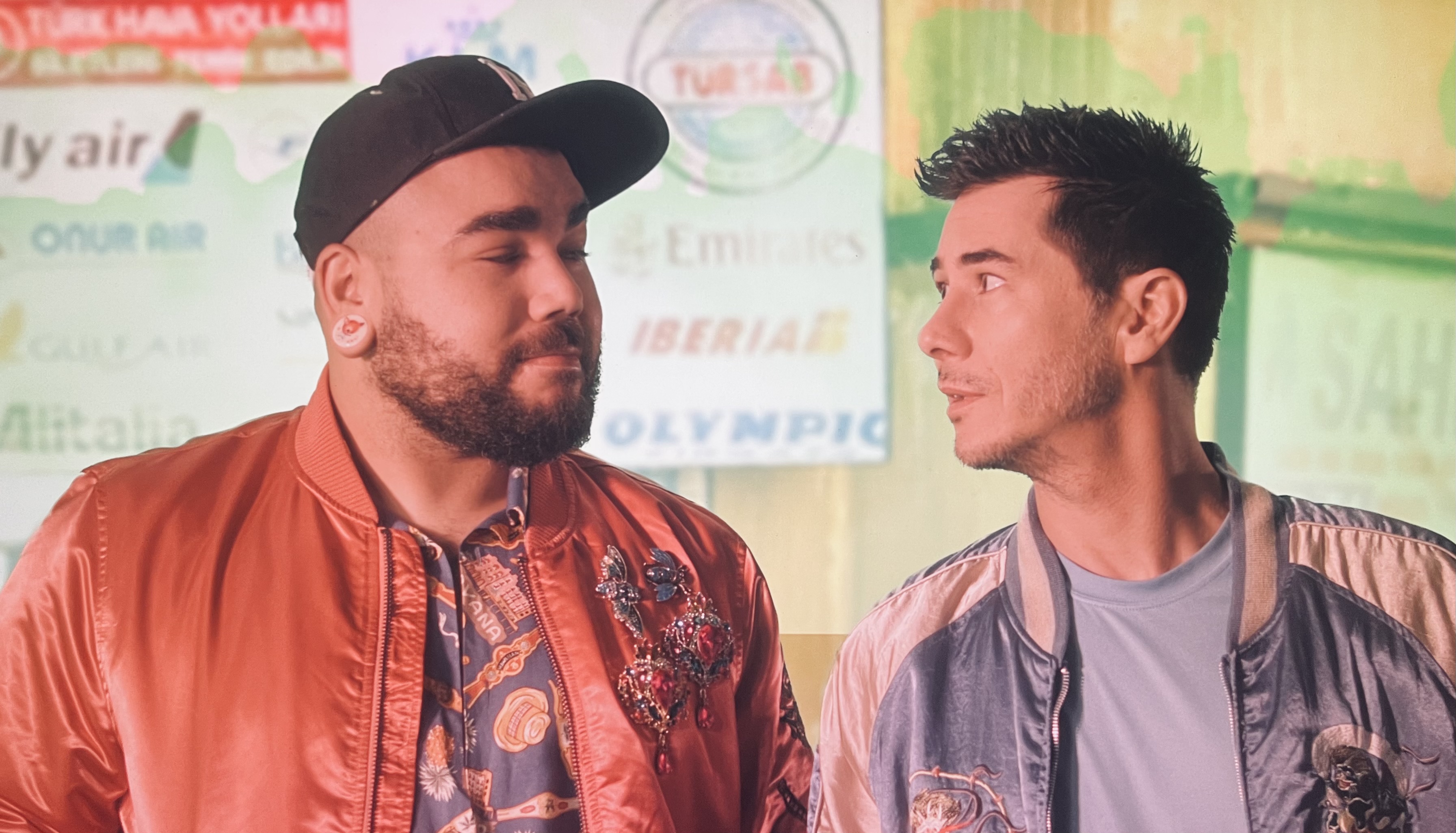
Actors Max Sanders (left) in an orange jacket and James Duval (right) in a blue and pink jacket are pictured staring at each other. (Courtesy of Apathy Productions)

By Abby Shewmaker
Feb. 18, 2026 9:23 p.m.
Punk cinema is alive in Los Angeles.
Filmmaker Jon Moritsugu, known to those around him as the godfather of punk cinema, screened “Numbskull Revolution” – his first feature in over a decade – for the UCLA Film & Television Archive at the Hammer Museum on Feb. 7. LA audiences can see it next at Brain Dead Studios in the Fairfax District on Feb. 21 as Moritsugu self-distributes the film.
“We have this lack in our lives,” Moritsugu said. “Punk rock takes these missing elements of lack – this scarcity of material – and makes it a strength.”
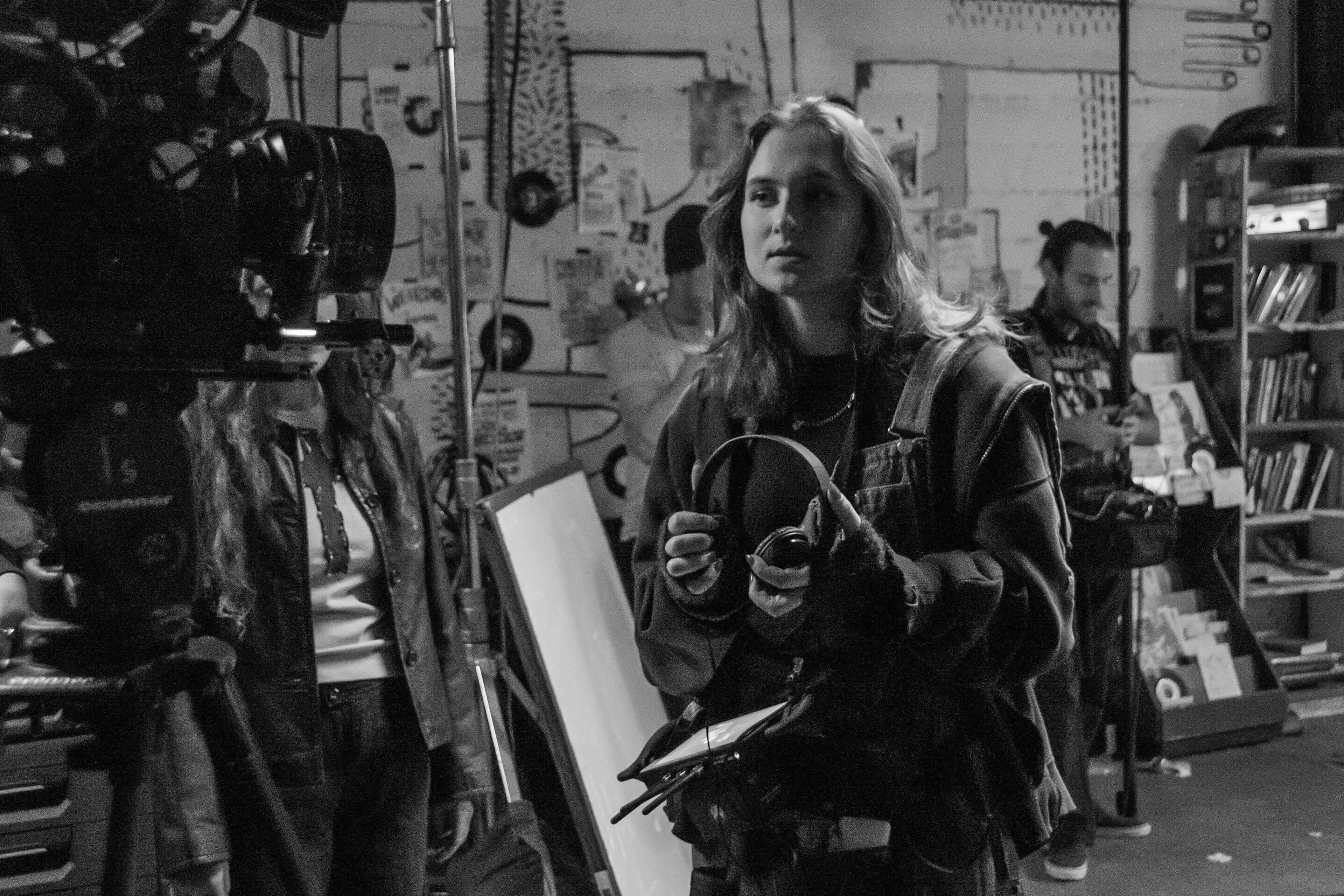
Shot on raw 4K video by Director of Photography Anne Misawa at locations scouted by Production Designer Jennifer Gentile, “Numbskull Revolution” wrapped filming in the fall of 2017, aiming for a 2018 release, according to the film’s initial trailers. The film was shot across a 16-day period. However, a few years into post-production, Moritsugu’s marriage with his long-term creative partner, Amy Davis, ended. The Honolulu-based director became depressed and stopped working on the film altogether for a few years – extending what was originally supposed to be a one-year post-production period to a nine-year process, he added.
“I became a ghost,” he said. “I was physically alive, (but) everything else – my heart, my soul, my spirit – everything was dead.”
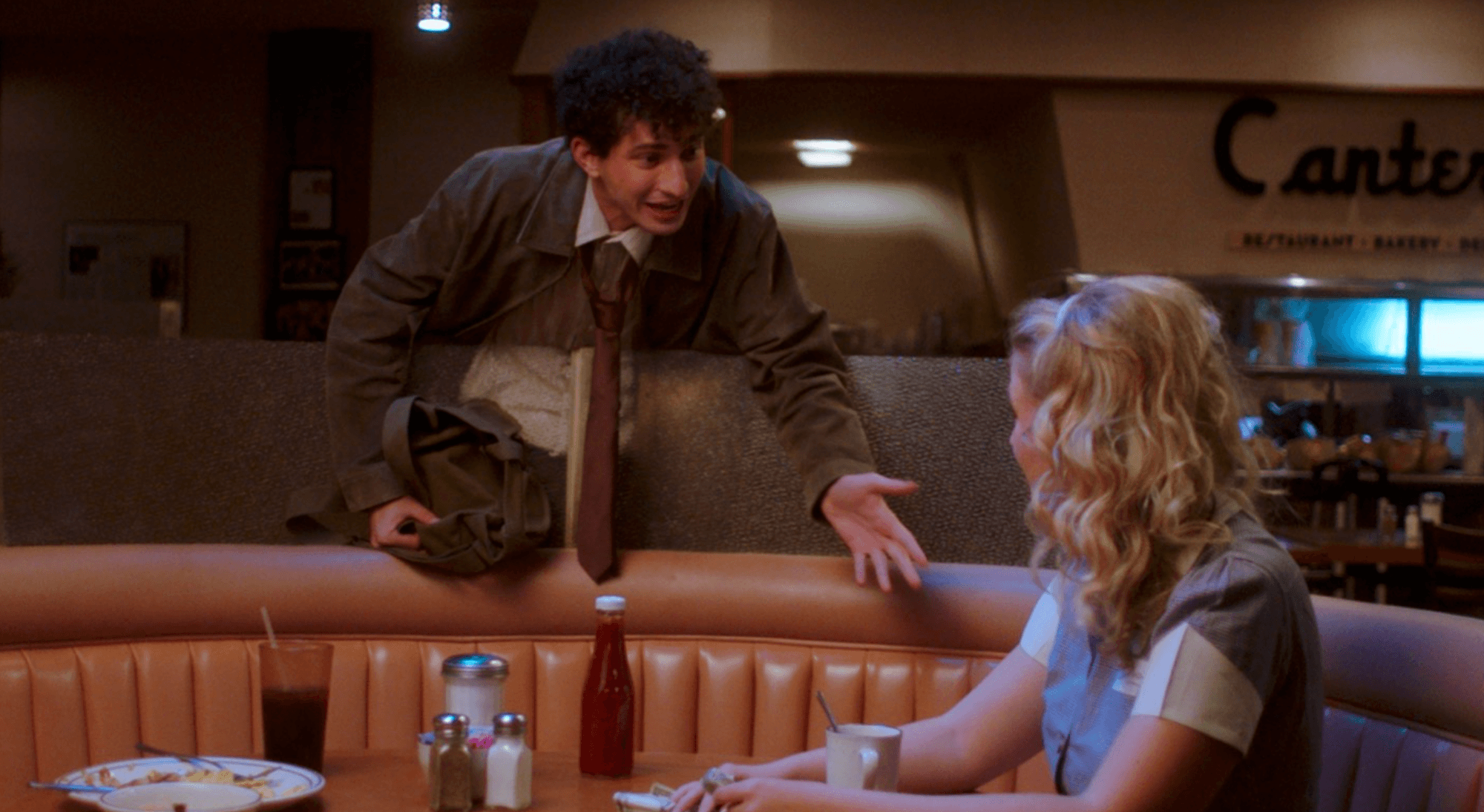
A numbskull, for the uninitiated, is a “doofus,” Moritsugu said. “Numbskull Revolution” explores the absurdity of art through the stories of two warring conceptual artists in the fictional “Shittown.” One artist battles the lures of material wealth and the other explores a new cyber drug. The film stars Davis and James Duval – previously seen as Frank Anderson wearing a rabbit suit in 2001’s “Donnie Darko” – who portray rival artists competing for fame in their near-future dystopia.
“I’m an artist. I’ve always loved art, and (I’ve) also seen the pretension and the sheer stupidity in the art scene,” Moritsugu said. “I figured it was time now to approach the three letter word, A-R-T, and say something about it.”
Gentile, the production designer of “Numbskull Revolution,” said she met Moritsugu in college while she was studying at Rhode Island School of Design and he was at Brown University. Gentile added that she worked with Moritsugu on several previous projects before joining “Numbskull Revolution,” including “Fame Whore” (1997), “Terminal USA” (1993) and acting as art director on 1994’s “Mod Fuck Explosion.”
On “Numbskull Revolution,” Gentile said she scouted shooting locations, constructed props and dressed the set – all to bring Moritsugu’s script to visual fruition. Having worked in mainstream and underground filmmaking, she said she was amazed at the drive and singularity of working on punk cinema films and with filmmakers within the genre.
“Any punk director, they’re doing their own thing,” she said. “They’re not answering to anybody else.”
Misawa said she met Moritsugu as a teenager at Punahou School, a college-preparatory high school in Honolulu. Before the creation of “Numbskull Revolution,” Misawa said she had not worked on any punk cinema projects. “Numbskull Revolution” was one of the most fun sets she had worked on, she said. Relationships on set felt like family, and making the film felt more like play than work, she added.
Early in his career, Moritsugu said his filmmaking was fueled by ego and a desire to prove himself – something he also noted was a theme he explored in “Numbskull Revolution.” It’s a tendency that has lessened since making “Numbskull Revolution,” he said. Moritsugu added that he also explored how his own artistic ego played out over the course of his own marriage in the film.
“I definitely had competition with my wife, Amy, my ex,” he said. “We spent a lot of energy in our marriage trying to get along and be good partners and collaborators. It’s probably been one of the biggest challenges of my life. I wanted to put my problems in this movie with both characters, showing my problems with collaborating with people and how I’ve had to grow.”
He added that his style of filmmaking changed dramatically after his and Davis’ divorce. Now, he wishes to make films that help people through difficult times, he said.
Attendees filed into the Billy Wilder Theater at the Hammer Museum to witness the world theatrical debut of “Numbskull Revolution” and watch a Q&A with Moritsugu. Moritsugu said “Numbskull Revolution” was finished two and a half weeks before its debut.
“I’m not going to control this movie,” Moritsugu said. “This movie has a mind of its own, a spirit of its own, and that’s what I found. ‘Numbskull Revolution’ – it’s calling the shots, not me. I’m asking the movie, ‘Where do you want to play next?’’’
Filmmaking, though no easy feat, is something that anyone can accomplish if they set their mind to it, Moritsugu said. Misawa encouraged UCLA students to push the boundaries of form and content in their creative work, no matter the medium. Student filmmakers shouldn’t be concerned with trends or determinants of “good cinema” when it comes to making art, Gentile said.
“If I can make a movie, you can make a movie. You can write a book, you can write that song,” Moritsugu said. “If I can do this, … you can do this. You can realize your dreams.”