Judge blocks California mask ban, upholds ID laws for federal immigration officers

Two masks are pictured. A federal judge issued a temporary ruling Monday that blocked a California law banning federal immigration enforcement officers from wearing masks. (Daily Bruin file photo)

By Josephine Murphy
Feb. 11, 2026 10:35 a.m.
A federal judge issued a temporary ruling Monday that blocked a California law banning federal immigration enforcement officers from wearing masks.
The masking law, which was signed as part of a package of five laws restricting immigration agents in September, went into effect Jan. 1. Christina A. Snyder, the presiding judge, said in the decision that the law banning masks is unconstitutional because it specifically applies to federal officers and not state officers – thus making the law discriminatory.
She added in the decision, however, that the federal government has not sufficiently shown why its officers need to wear masks or not identify themselves.
“The Court finds no cognizable justification for law enforcement officers to conceal their identities during their performance of routine, non-exempted law enforcement functions and interactions with the general public,” Snyder said in the decision.
The judge also upheld a different law from the September package, which requires federal immigration enforcement officers to display identification in her decision.
The U.S. Department of Homeland Security directed its agents in a Sept. 22 X post not to comply with the masking law, citing safety concerns. The Trump administration sued California over the mask ban and identification requirement in November.
[Related: UCLA faculty discuss new California laws restricting immigration enforcement]
The Trump administration ramped up immigration enforcement in Los Angeles in June, arresting more than 10,000 people as of Dec. 11, according to the U.S. DHS. Some federal agents have worn masks during their operations, which U.S. Immigration and Customs Enforcement said on its website is a strategy to prevent doxxing.
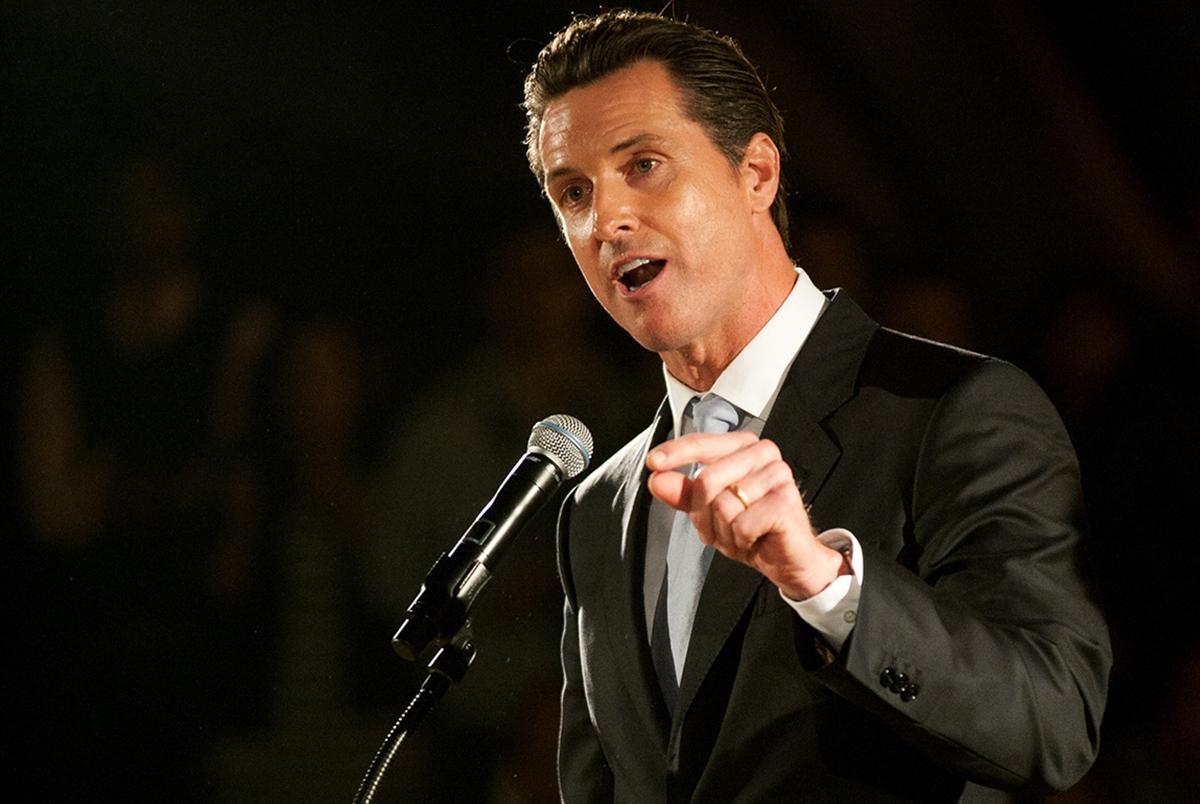
Scott Wiener, the California state senator who wrote the original mask law, said in a Monday press release he is immediately introducing new legislation that will include state officers. He added that he believes Snyder’s decision was a victory.
“We will unmask these thugs and hold them accountable,” he said in the press release.
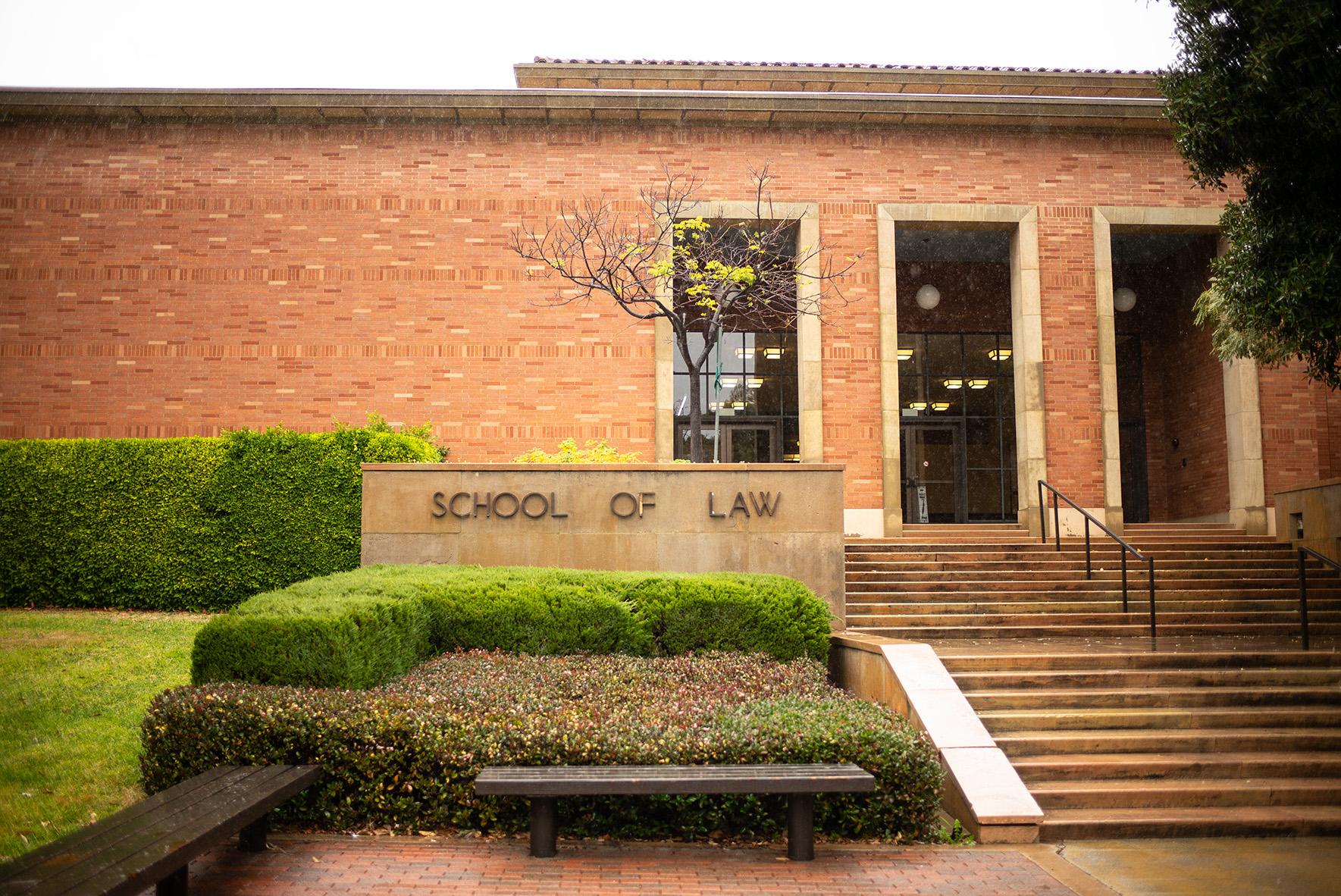
Ahilan Arulanantham, the co-director of the Center for Immigration Law and Policy at the UCLA School of Law, said he was unsurprised by the judge’s decision to temporarily block the mask law due to its narrow application to federal agents.
“What this outcome shows is that California could do more to protect immigrant communities within the state,” they said. “The state has taken some important steps, but it has not gone nearly far enough – and that’s true of this legislation and also of other laws that the state could enact to more aggressively protect immigrant communities in the face of lawless behavior by federal immigration officials.”
Graeme Blair, a professor of political science, said he believes the masking law is insufficient to stop the widespread impacts of federal immigration enforcement action on California communities.
He added that he believes the UC must clearly communicate both on how it is supporting its community and how people can protect themselves from immigration enforcement.
“ICE’s campaign is disrupting life for so many people right now in California, and it is making people stay at home,” Blair said. “I hope that our elected representatives will step up and take the action that people in the streets are demanding.”