UC Regents review systemwide, health clinical quality committee reports
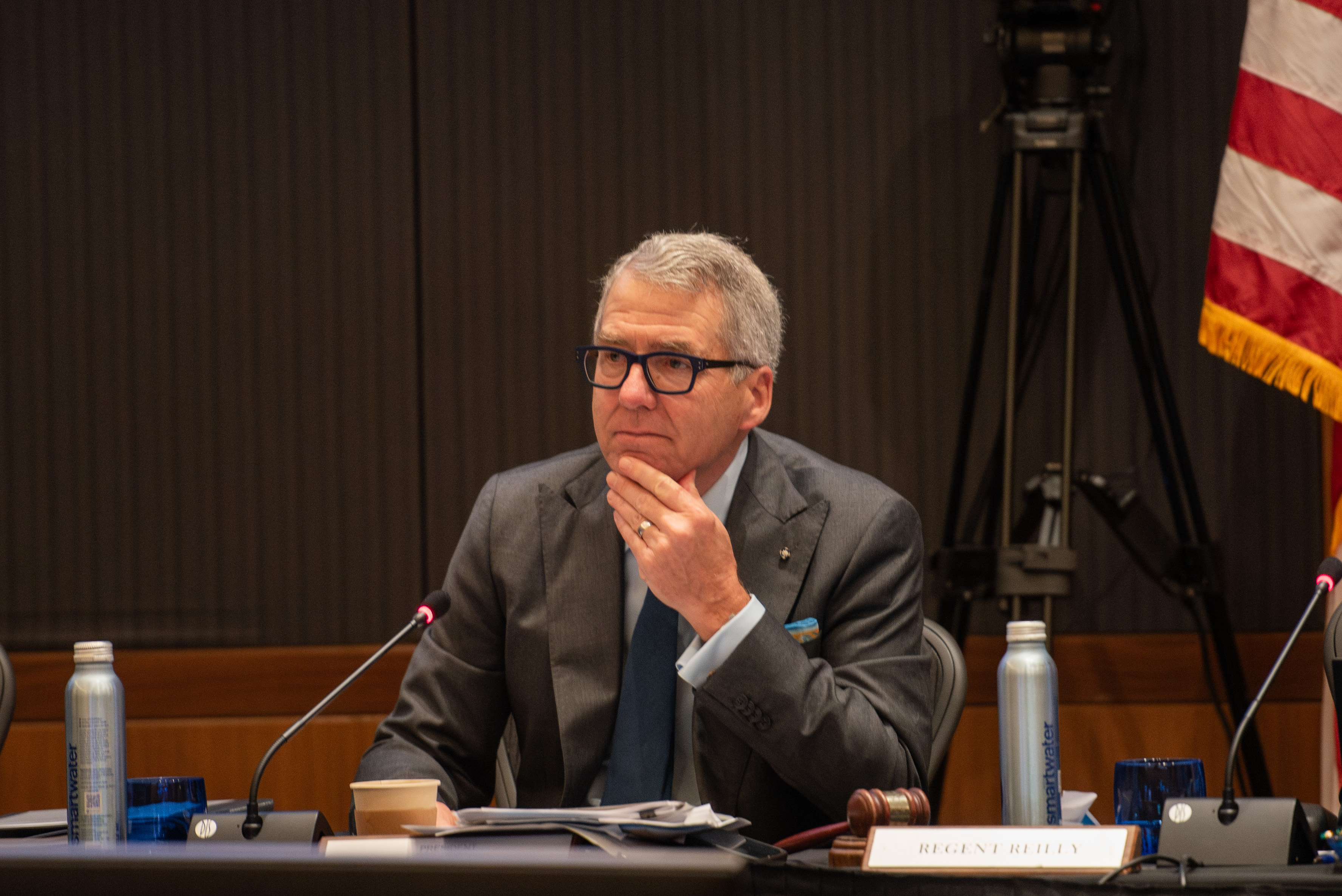
James Milliken, whose office creates the annual UC Accountability Report, is pictured. The UC is making progress toward its goal of a 90% overall undergraduate graduation rate – but disparities in outcomes still exist for underrepresented students, according to an accountability report reviewed by the UC Board of Regents on Tuesday. (Edward Ho/Daily Bruin)

By Delilah Brumer
Jan. 21, 2026 8:02 p.m.
This post was updated Jan. 21 at 11:34 p.m.
The UC is making progress toward its goal of a 90% overall undergraduate graduation rate – but disparities in outcomes still exist for underrepresented students, according to an accountability report reviewed by the UC Board of Regents on Tuesday.
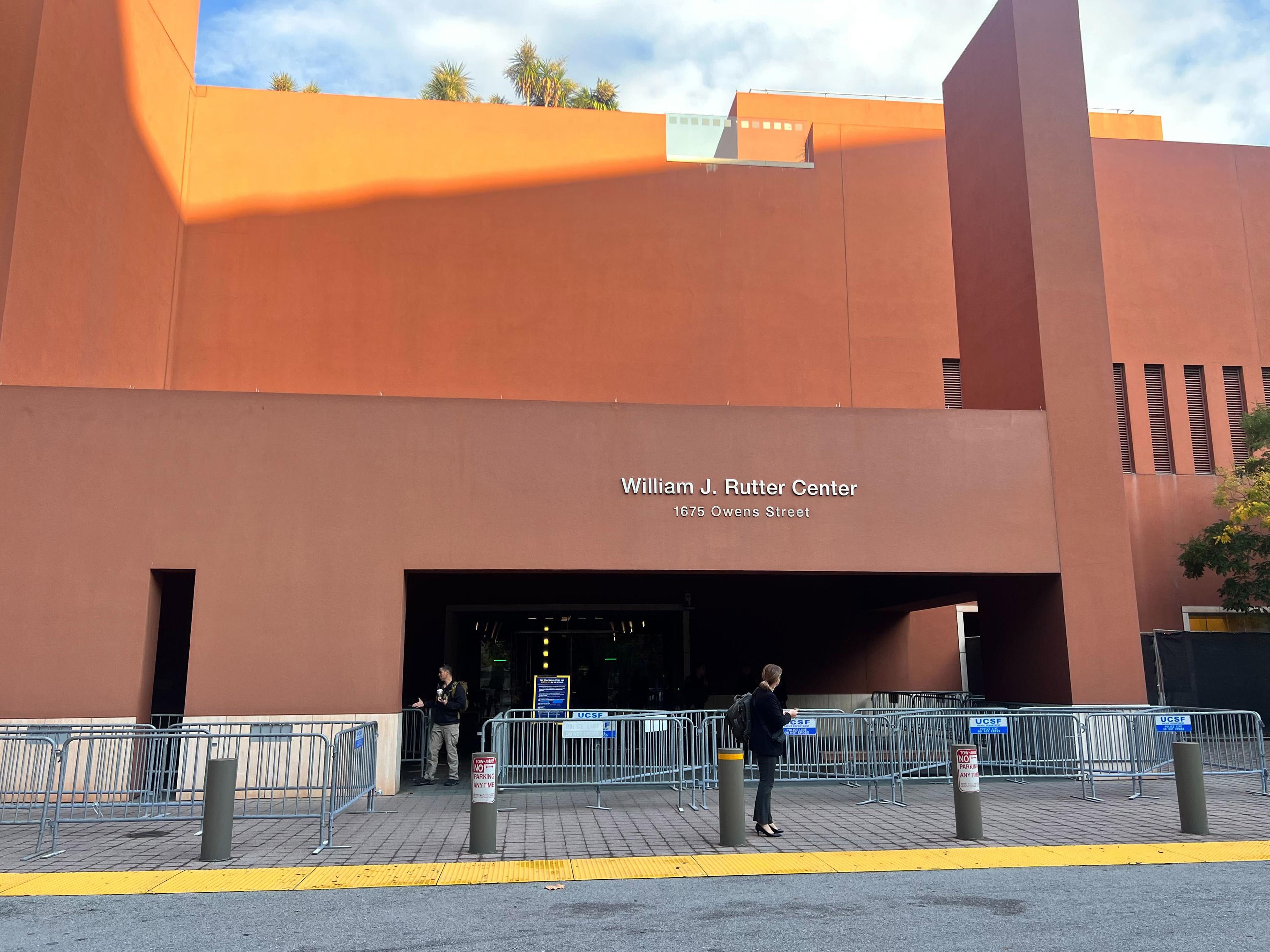
The UC’s six-year graduation rate for students who enter as freshmen is 86%, while the four-year graduation rate for transfer students is 87% as of 2024. The UC Office of the President presented these numbers in its 2025 UC Accountability Report at the UC Board of Regents’ January meeting held Tuesday and Wednesday at the Meyer and Renee Luskin Conference Center.
The annual UC Accountability Report tracks systemwide goals like retention, equity, research and affordability.
Although graduation rates for both freshmen and transfers have increased since 2018, gaps remain for Pell Grant recipients, first-generation college students and students from underrepresented minority backgrounds, according to the report.
As of 2024, freshmen who are Pell Grant recipients graduate from the UC in six years at a rate of 83%, which is three percentage points lower than the overall rate, according to the report. Freshmen who are first-generation college students and freshmen from underrepresented backgrounds have six-year graduation rates of 81% and 78%, respectively.
Aditi Hariharan, the president of the UC Student Association, said she believes the UC should invest more funding to target and address these gaps.
“That’s a pretty significant gap there for freshman six-year graduation rates, which illustrates that the UC has identified this gap through the data but continues to actually scale back on the programs it needs to because of the current compliance with the federal administration,” said Hariharan, a fifth-year nutrition and political science student at UC Davis.
The reduction of support staff positions that focused on tailored groups across several campuses is an example of a “stagnation in progress” at the UC, Hariharan added.
The report also highlights research done by faculty and students across the UC, with the system having spent around $8 billion on research in 2023, the last displayed year. The largest chunk of research funding for the UC comes from the federal government, followed by institutional and nonprofit funding, according to the report.
UC President James Milliken said in a September statement that the federal government provides the University with $5.7 billion in research funding annually.
The Trump administration suspended $584 million in federal research funds to UCLA in late July.
The federal government alleged that UCLA allowed antisemitism, affirmative action and “men to participate in women’s sports” in letters explaining the funding freeze. A federal judge ordered the temporary restoration of the vast majority of the funds in August and September.
[Related: Federal judge orders Trump administration to restore $500M of UCLA research grants]
“It is important to note that our financial challenges are not going away,” Milliken said during the meeting. “While we have benefited from some court rulings on federal cuts, those decisions are under appeal and the ultimate outcomes remain uncertain. What does remain clear is that we need to continue to find efficiencies, economies of scale and additional sources of revenue.”
Another focus of the accountability report is the UC’s goal of awarding 1.2 million degrees between the 2015-16 and 2029-30 school years. The UC is currently 53% of the way toward fulfilling that goal and is on track to meet it, according to the report.
The UC Board of Regents Health Services Committee also met Tuesday with a focus on the UC Health Clinical Quality Committee’s report. The report details the UC’s efforts to improve University system employees’ access to health care.
Several medical leaders representing campuses including UC Irvine and UC Davis spoke to the committee about their strategies for supporting employees. They highlighted methods like expanding medical appointment availability in the mornings and evenings, advertising health care options during new employee orientations and offering more time options for telehealth appointments.
“We treat employees as a microcosm of the broader population,” said Debbie Aizenberg, UC Davis Health’s chief medical officer for ambulatory care. “If we can solve access for our own employees, we improve access for everyone.”