USAC officers fight back against Trump administration’s grant cuts to UCLA
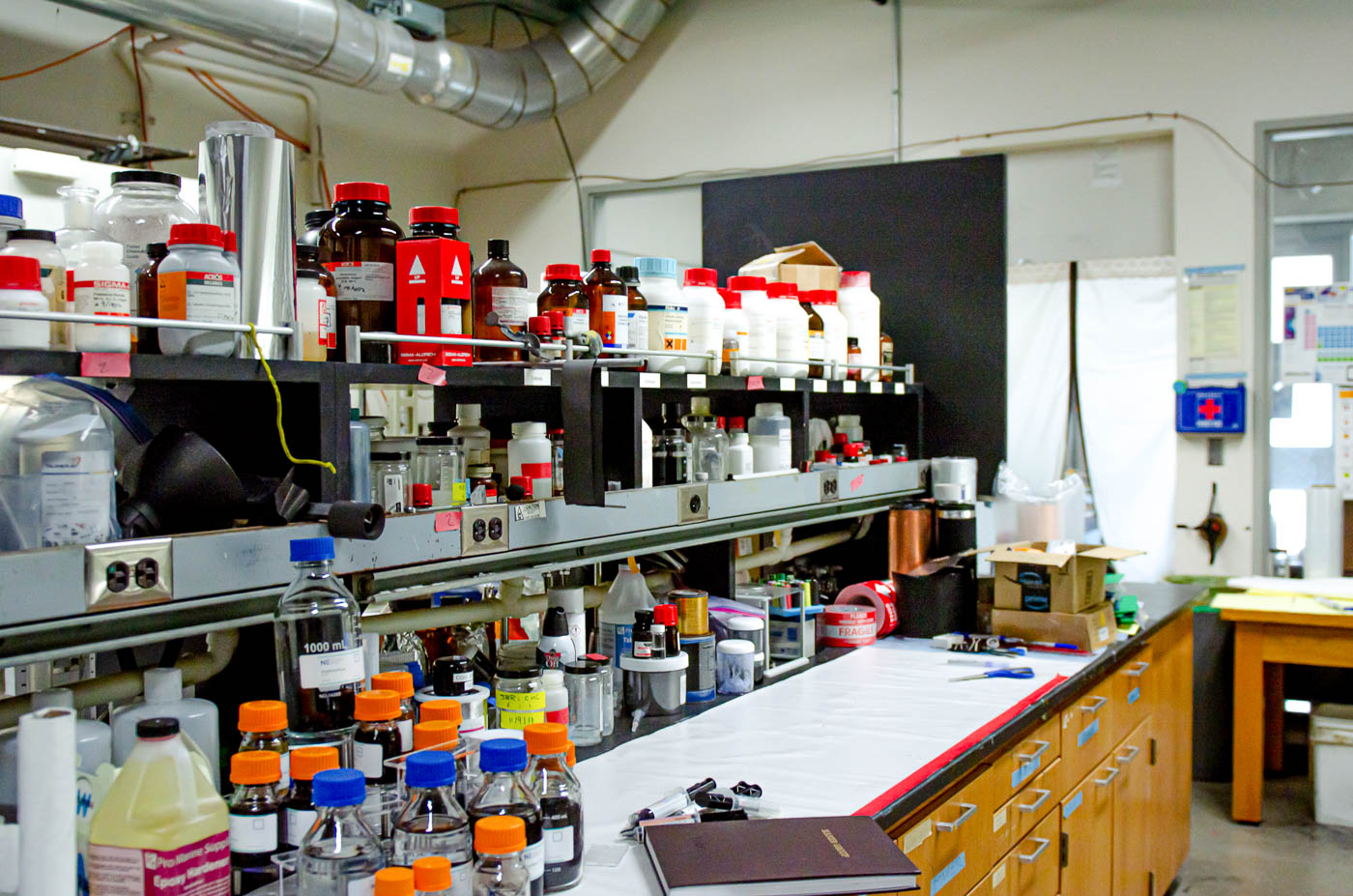
A research lab at UCLA is pictured. Officers of the Undergraduate Students Association Council criticized the pull of research funding and other actions by the Trump administration in the last six months. (Daily Bruin file photo)

By Akshaj Mehta
Jan. 11, 2026 11:12 a.m.
Undergraduate Students Association Council officers said they have tried to fight for students’ interests amid the Trump administration’s grant cuts to UCLA.
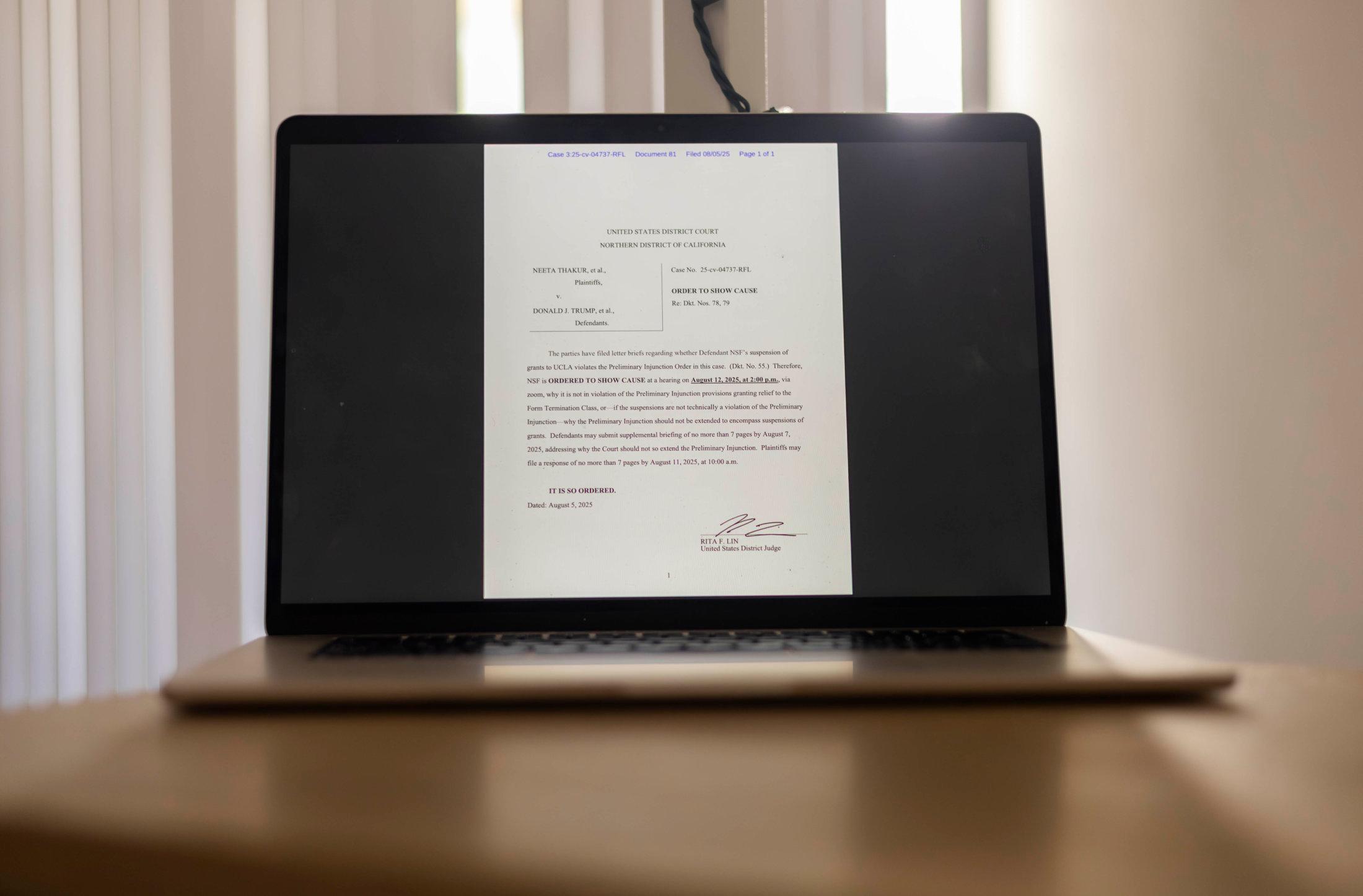
The Trump administration suspended nearly 800 of UCLA’s research grants from the National Science Foundation, the United States Department of Energy and the National Institutes of Health in early July, alleging that UCLA allowed antisemitism, affirmative action and “men to participate in women’s sports.” Rita F. Lin, a California federal district court judge, temporarily reinstated UCLA’s NSF and NIH grants Aug. 12 and Sept. 22, respectively.
[Related: Federal Funding Cuts to UCLA]
Tommy Contreras, USAC’s internal vice president, said he felt betrayed by the federal government when he first learned about the funding freeze.
“At first there was the initial feeling of shock,” Contreras said. “This action would have significant consequences on the amazing work that is done here by our students and faculty.”
Academic Affairs Commissioner Cristopher Espino said his commission is trying to combat negative repercussions from the cuts by increasing student research opportunities.
The U.S. Department of Justice sent a letter to the UCLA on Aug. 8 demanding that UCLA pay $1 billion to regain its frozen federal research grants. The DOJ also demanded in the letter that UCLA must make several policy changes, including banning gender-affirming care for minors in its hospitals, hiring a new administrator to oversee the university and ending diversity initiatives.
USAC passed a resolution in response Sept. 30 demanding UCLA release the letter to the public. The UC Office of the President released the draft settlement Oct. 24 after the California Supreme Court ruled in a lawsuit brought by UCLA faculty members that the draft settlement had to be disclosed under the California Public Records Act.
“[USAC is] also doing our part to put pressure to ensure that UCLA means remains true to the values that they have committed themselves to,” Contreras said.
[Related: Trump administration’s UCLA demands target international students, DEI initiatives]
Five USAC offices joined a coalition of 25 student organizations in filing an amicus brief in support of a lawsuit against Trump on Oct. 30, alleging the administration’s funding suspensions and settlement demands were violated.
They argued in the amicus brief that the Trump administration’s funding freeze harmed students by limiting access to different educational opportunities and causing many research projects to shut down or pause.
[Related: Student organization coalition files amicus brief supporting lawsuit against Trump]
USAC officers also raised alarms about the potential release of UCLA student, staff and faculty data to the government Aug. 18. UC Berkeley administrators handed over the personal information of more than 100 community members to the federal government in September, according to the Daily Californian.
USAC President Diego Bollo said that he asked UCLA Chancellor Julio Frenk and Monroe Gorden Jr., vice chancellor of student affairs, about the potential release of student and employee data to the federal government.
“It was essentially, ‘We can’t tell you, we don’t know. And even if we did know, we are not going to tell you,’” Bollo said.
Bollo added that UCLA administrators said UCOP, rather than UCLA, would decide whether to inform people that their information had been given to the federal government. USAC External Vice President Sherry Zhou said UC President James Milliken refused to answer questions regarding if students would be informed if their information was released.
USAC Transfer Student Representative Hyerim Yoon said she feels a responsibility to ensure that the transfer community feels safe and has a sense of belonging during this time.
“I have a responsibility to make sure that despite everything going on on the federal level, our transfer students feel as though they have a community for them here, and they can make sense of what’s going on around them,” Yoon said.
Yoon said her office is currently continuing research to keep transfer students informed about how the federal administration’s actions could affect them.
She added that she believes students should have a central role in shaping decisions that affect their campus – even amid roadblocks brought by the federal government.
“Organizations are nothing without the students, the student body,” Yoon said. “I feel like we should be at the forefront of every single decision they’re making, because at the end of the day it comes right back to us. We’re the ones that fund the school and keep it going.”
Contributing reports by Natalia Mochernak, campus politics editor.