Second Take: BookTok creates renewed love for reading but lacks in real literacy
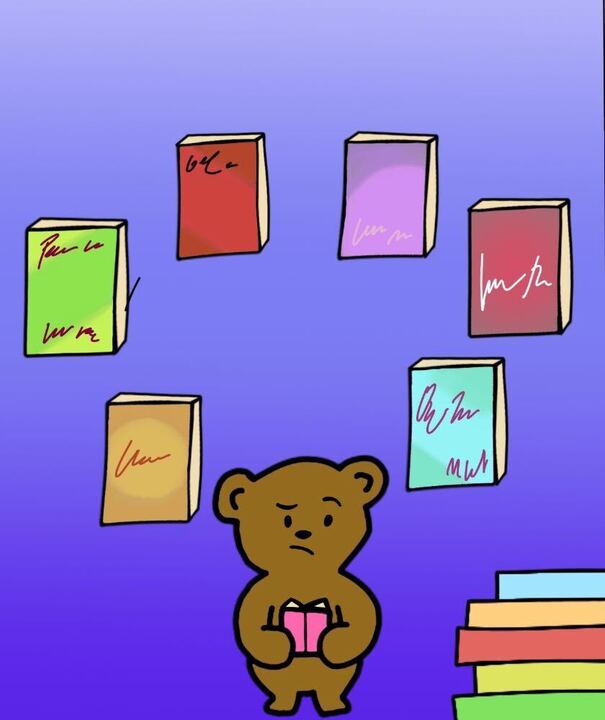
(Caitlin Brockenbrow/Daily Bruin contributor)

By Caitlin Brockenbrow
Dec. 3, 2025 1:14 p.m.
This post was updated Jan. 11 at 8:44 p.m.
Social media made reading cool again, but is BookTok enough to fight the literacy crisis?
Viral TikTok trends have encouraged teens and young adults to pick up a novel instead of scrolling endlessly. On the surface, this seems like a win for literacy, a bright spot in a national landscape where reading levels have been in decline.
Many American children are not reading at grade level, with overall literacy rates having dropped dramatically over the past 20 years. Reading for leisure has also dropped around 40% in the United States, according to a study from the University of Florida and University College London. Poor literacy can impact career opportunities, inome and even health outcomes. In that context, any engagement with books feels like a triumph. Even a romantic comedy, or rom-com – which is light, funny and comforting – is a good step forward.
But there is a catch. While these viral trends are successful at reviving interest in reading, they also risk narrowing readers’ scope. Creators in TikTok’s reading community, often called BookTok, frequently stick to a single genre, and their followers often do the same. Romance novels in particular dominate much of the platform, appealing disproportionately to young women.
For those who might otherwise avoid reading entirely, a rom-com can act as a gateway to casual reading, but, if readers stop there, their exposure to texts that build vocabulary, critical reading skills and stamina remains limited. With the rise in social media content about reading, some bookstores have started curating BookTok tables featuring rom-rcom authors – such as Emily Henry, Sally Thorne and Carley Fortune – that are popular on the app, increasing readers’ exposure to already widespread titles.
One TikToker, @bookishwithb, discussed this issue in one of her videos in 2024, reflecting on how BookTok has boosted reading habits while also questioning whether the trend encourages genuine literacy growth, arguing it promotes anti-intellectualism. BookTok’s fixation on romance and fantasy tropes can limit readers’ exposure to diverse genres and deeper narratives. Her video received more than 280,000 likes and thousands of comments, many of which echoed her concerns about the platform’s literary limitations – indicating that this skepticism resonates with a large portion of the BookTok community.
Rom-coms tend to be shorter, use simpler language and rely on familiar tropes. For example, “The Love Hypothesis” by Ali Hazelwood – a widely popular contemporary romance on BookTok – centers almost entirely on a budding relationship. In contrast, a book such as “The Secret History” by Donna Tartt – one of the few non-rom-coms to become very popular on BookTok – challenges readers to follow a more complex narrative, demanding sustained attention through its nuanced plotline and references to classic texts.
While rom-coms are enjoyable, they do not necessarily cultivate the deep comprehension or sustained attention crucial to addressing broader illiteracy concerns. This trend may boost reading numbers but not reading depth. A reader who devours only light romance may miss out on the cognitive benefits of more challenging texts. This pattern is evident in online discussions, where many readers misinterpret or oversimplify popular literary works into specific tropes because they are accustomed to the straightforward plots and familiar conventions of light romances, as @bookishwithb mentioned.
Genres such as historical fiction or classic novels that stretch readers’ analytical skills can feel inaccessible or outdated to younger audiences accustomed to the emotional immediacy and digestible pacing of BookTok favorites. When popular reading becomes synonymous with entertainment, the idea of reading as something intellectual begins to fade. If reading is treated purely as escapism, the motivation to push through more complex material diminishes.
BookTok’s influence is certainly notable, with viral marketing now seeming as formulaic an industry practice as the books themselves: romantic tension, emotional release and easily shareable quotes. This feedback loop reinforces uniformity. While it keeps the publishing industry afloat, this recipe could also sideline innovative or challenging literature that does not translate well into a 30-second clip. The platform’s algorithm, designed to reward engagement and familiarity, could end up shaping the literary landscape itself in the long run.
All of this is not to say that BookTok is invaluable. Reviving reading habits in any form is better than none, but celebrating a genre-specific craze as a solution to a national literacy problem risks oversimplifying a complex issue. The platform’s virality can make it feel like a cultural win, but, in reality, it may be the bottom rung of a much larger ladder. Without guidance, readers may linger there, never venturing into works that expand their skills or perspectives.
BookTok’s success should not be dismissed. For many, it has created a sense of community around reading, and such communal excitement is powerful – especially in a digital age often criticized for isolating people. If educators and librarians can channel that enthusiasm toward broader reading habits, BookTok could become a gateway rather than a dead end. The hope would be that one viral rom-com could be the first step toward stories that not only entertain but also educate, challenge and transform.
BookTok may have sparked a love for books, but whether it will truly lead readers to the library remains to be seen.