UC Regents discuss UC Health spending, nurse working condition, University funding
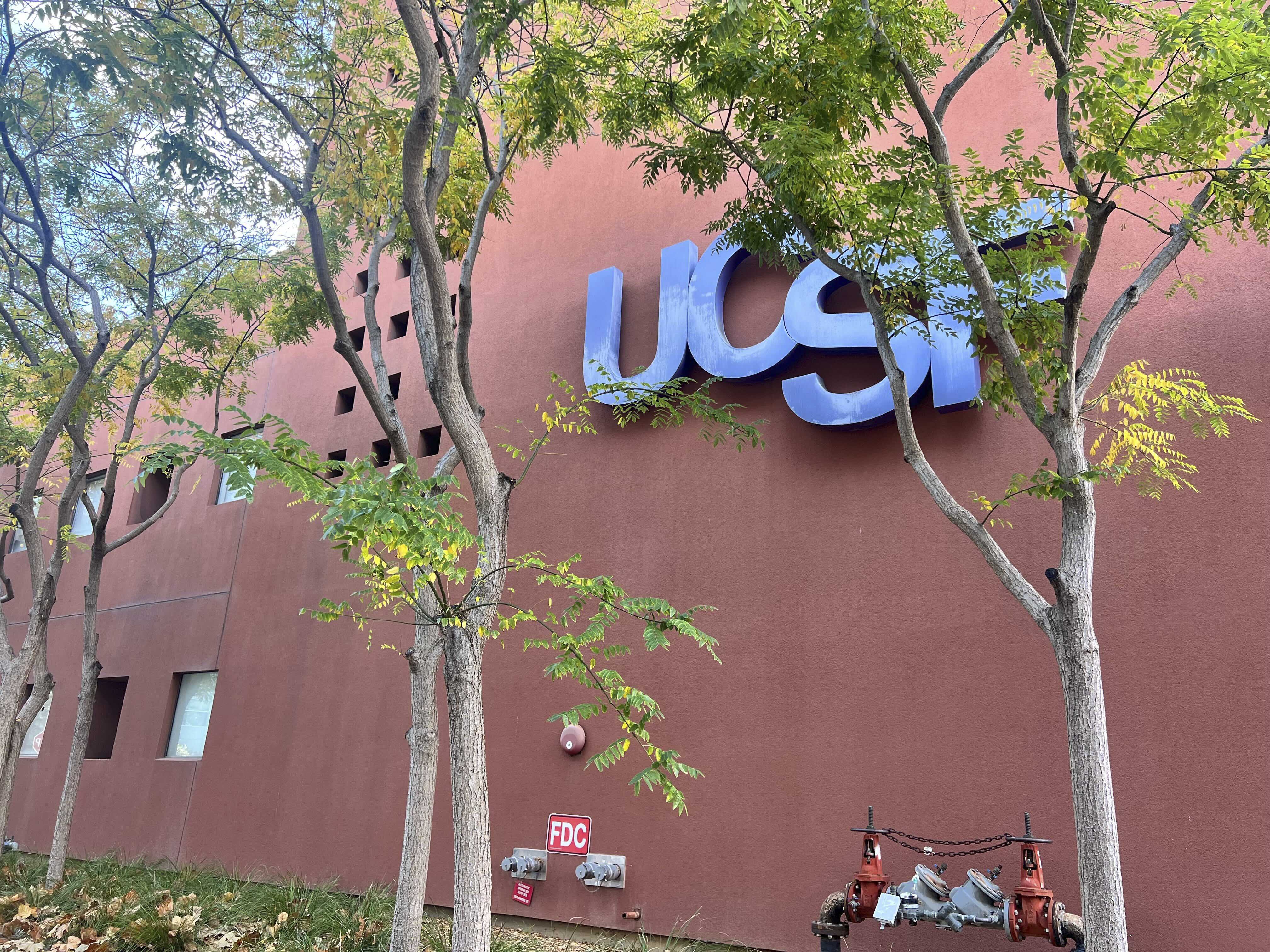
UC San Francisco is pictured. The UC Board of Regents provided an overview of the UC Health’s community benefit spending, discussed raising tuition for students and heard public comment from union members during its September meeting. (Daily Bruin file photo)

By Prannay Veerabahu
Oct. 10, 2025 9:47 p.m.
This post was updated Oct. 12 at 9:38 p.m.
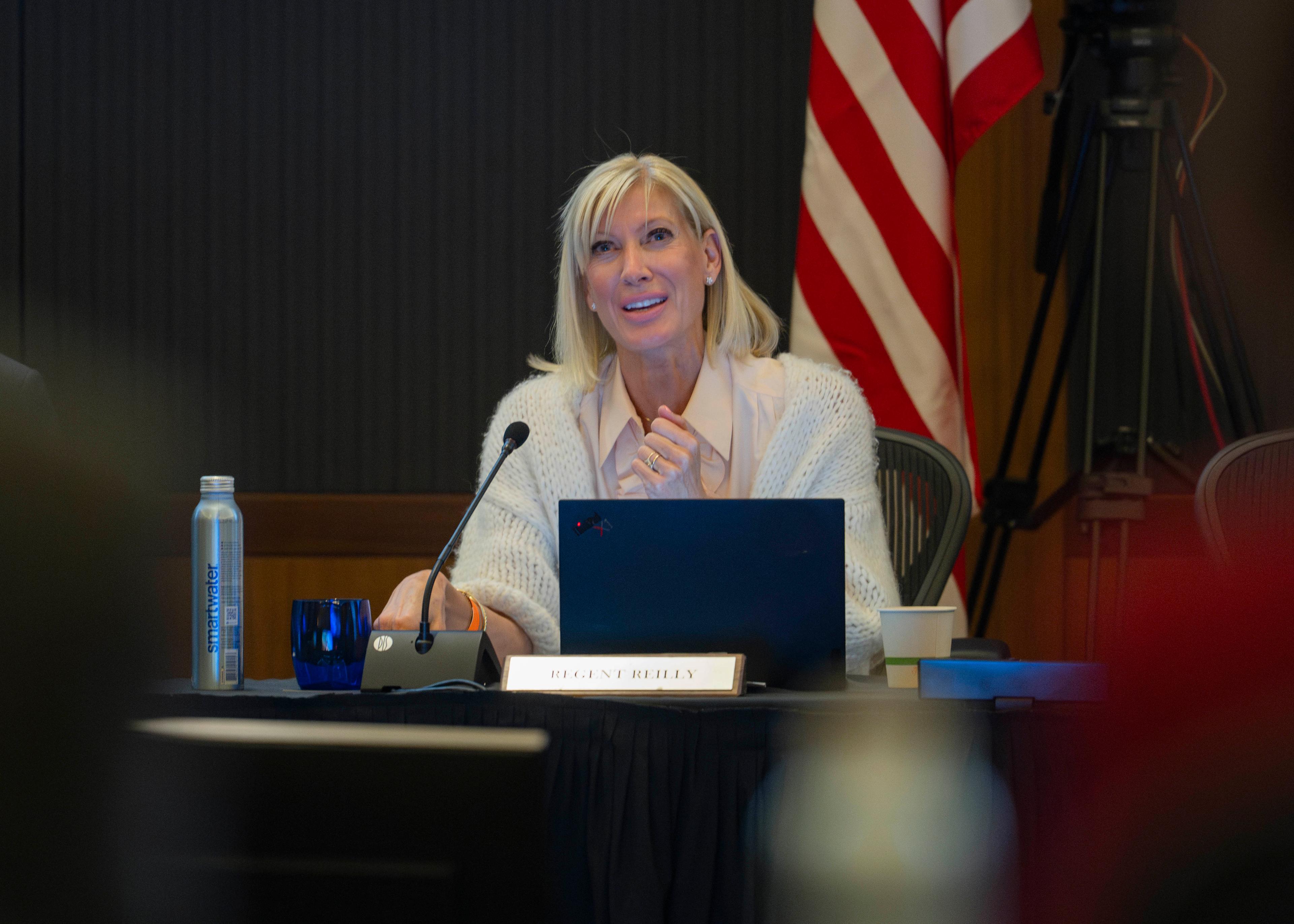
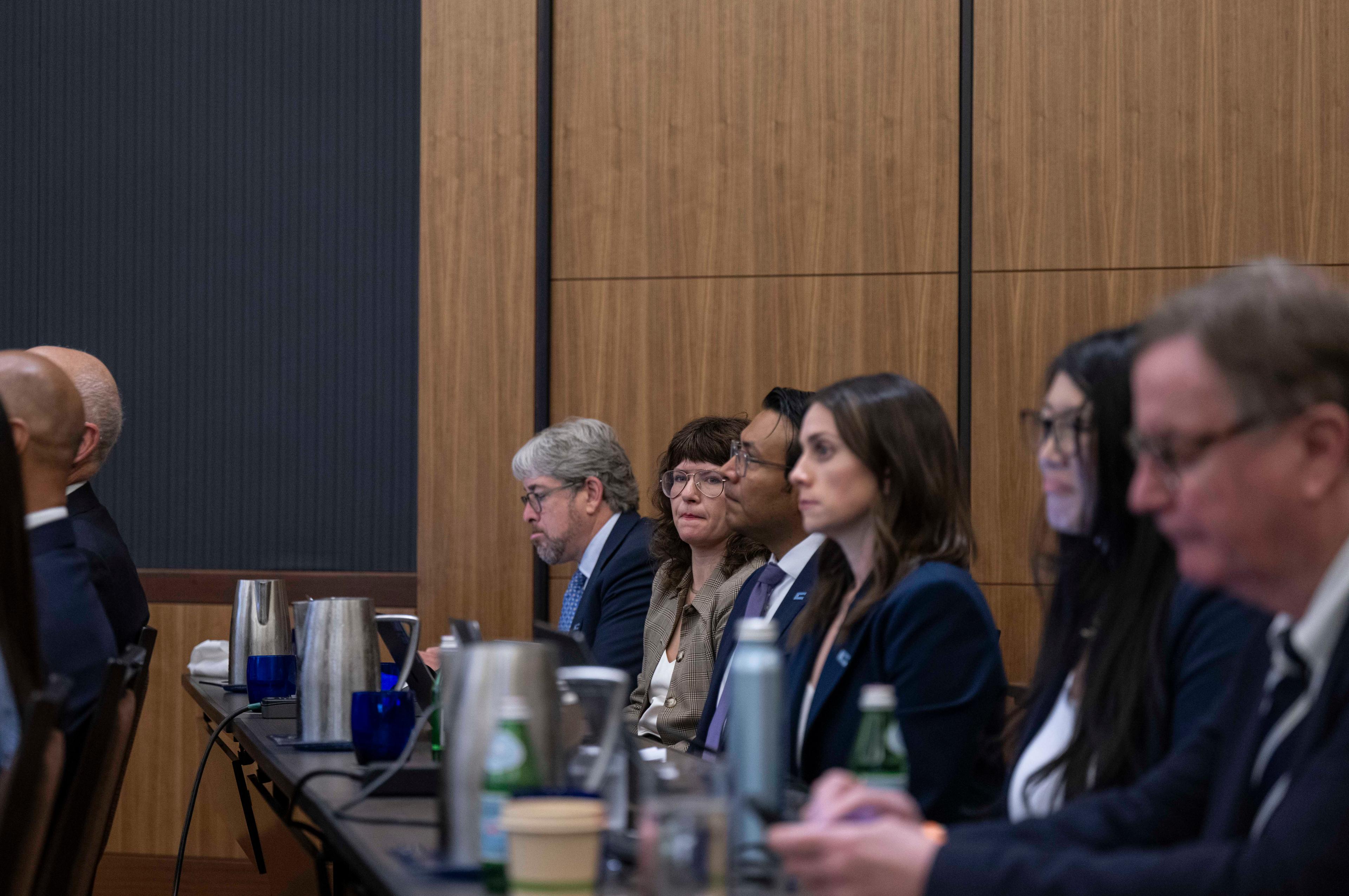
The UC Board of Regents provided an overview of the UC Health’s community benefit spending, discussed raising tuition for students and heard public comment from union members during its September meeting.
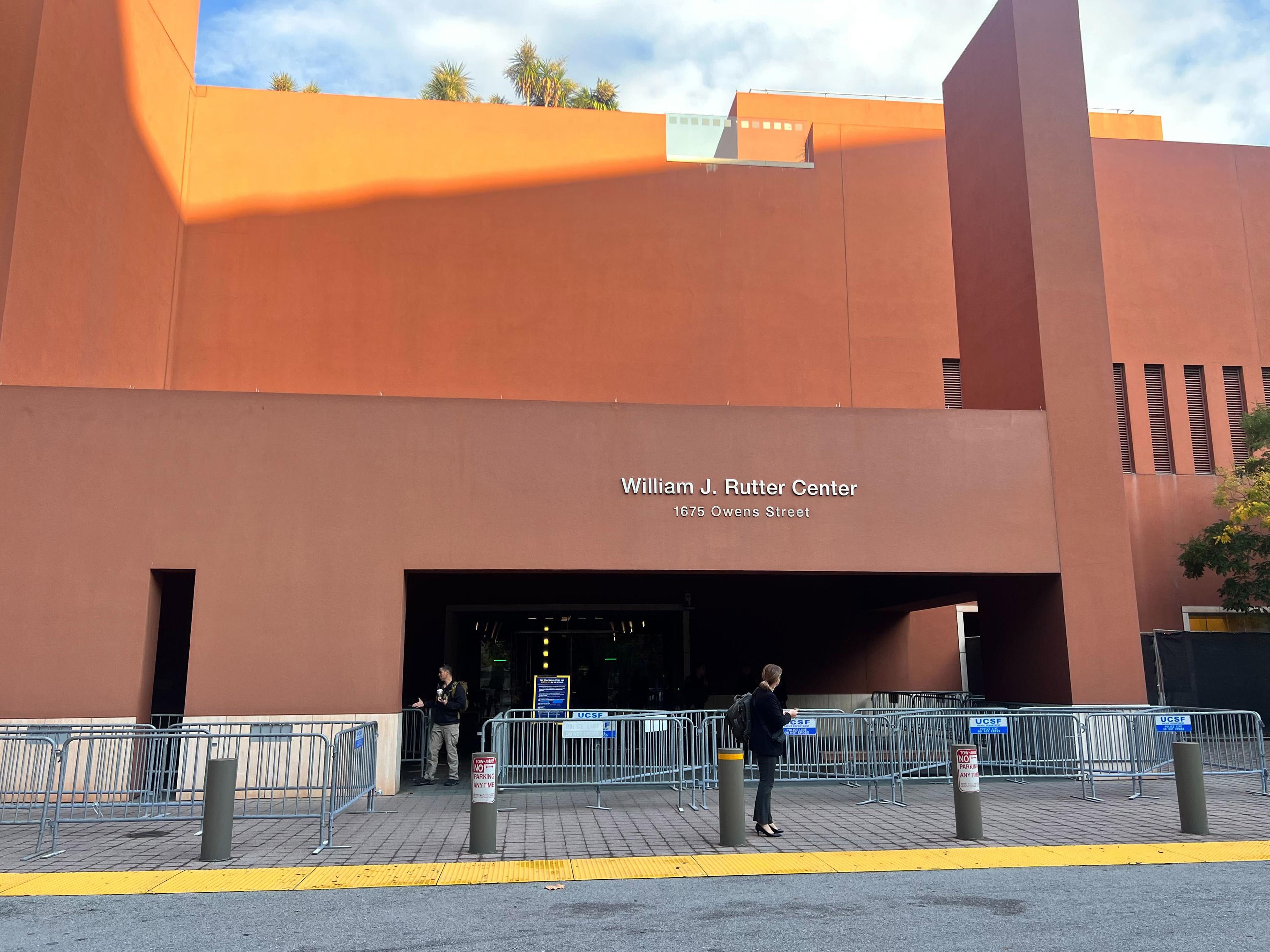
The Regents met Sept. 16 and Sept. 17 at UC San Francisco Mission Bay for its bimonthly meeting – its first since the federal government withheld more than half a billion dollars in federal funding from UCLA.
Over 11,000 additional lives were saved than expected between 2019 and the second fiscal quarter of 2025 compared to another institution with UC Health’s case type and frequency, said Dr. David Rubin, the executive vice president of UC Health.
“Every one of those 11,000 people have a story,” Rubin said. “They have a story about the care that they were provided at a UC Health location. We owe a huge amount of respect to the clinical teams, to all the folks that help support the operations.”
Rubin also said the UC’s five academic health centers comprise 22% to 37% of all community benefit spending out of California’s 204 nonprofit hospitals – ranging from community health improvement, health professional education, research initiatives and uncompensated Medi-Cal hospital care categories, according to the meeting slides.
Rubin added that UC Health spent approximately $5.9 billion on community benefit – and an additional $741 million in direct community investments – in the 2024-25 fiscal year, which, according to the slides, is up $600 million from the 2023 fiscal year.
“Given the patients we serve, over two-thirds of whom are covered by public insurance, the reimbursement rates for that care does not meet the expenses to deliver care to those patients, yet we provide it anyway because that’s our mission,” Rubin said.
Several nurses condemned working conditions and challenges in both staffing and education at UC Health during public comment.
“We have been sounding alarms to nursing and medical leadership for literally years, and we’ve gone unanswered and have been flat out ignored,” said Kiersten Clickner, a nurse in UCSF’s Birth Center.
Clickner alleged that nurses work 16-hour work shifts, have insufficient education and endure burnout from being unable to safely care for patients – putting patients and the community at risk.
Cheyenne Dean, the co-chair of UCSF’s University Professional and Technical Employees, Communications Workers of America 9119 chapter – which represents researchers and technical workers at UCSF – alleged that additional unfilled vacancies at UCSF deeply impact its hospital’s ability to provide critical research and patient care, including by lengthening emergency room wait times.
She added that members of her union – who have been bargaining with the UC since June 2024 – are demanding caps on their healthcare costs, better paid-time-off options, career mobility, job security and work-life balance.
Marina Jurich, a bargaining team member for the Teamsters Local 2010’s CX unit – which represents the union’s clerical and allied service workers – said amid rising inflation and a heightened cost of living, the UC should maintain a cap of healthcare premiums and increase pay for employees during a Sept. 17 public comment period.
Jurich added that as a single-earner, she cannot pay more for copays – the amount of money a patient is personally liable for during medical visits – and insurance.
Jennifer Carrero, a teacher at UC Merced’s early childhood education center, said under the UC’s healthcare plan, she would have to “fight” for tests and pay sums as high as $1,500 per visit to prevent the interruption of her cancer treatment. Carrero added that she believed her insurance would “play the denial game” when approving her treatment and that employees do not receive “a decent wage.”
Jason Rabinowitz, the secretary-treasurer for Teamsters Local 2010, said the UC should reject any potential settlement from the federal government, which conceded money or threatened free speech on campus.
The Trump administration suspended $584 million of UCLA’s federally funded research grants in late July, citing antisemitism and bias. A federal judge temporarily restored the suspended National Science Foundation grants Aug. 12 and the National Institutes of Health grants Sept. 22.
The Trump administration demanded $1 billion from UCLA – along with several conservative policy changes – to regain its federal funding, according to a draft settlement acquired by the Los Angeles Times.
“The administration’s actions are a clear attempt to hold crucial funds hostage, to extract public funds and enforce its agenda on the UC,” said Catherine Cobb, the president of Teamsters Local 2010.
The finance and capital strategy committee also discussed the amount of the University’s revenues that were composed of funds the federal government – with the figure being 30% in recent years.
The UC received over $17 billion in support from the federal government during the 2023-24 fiscal year – with Medicaid, Medicare and federal research support compromising over $16 billion – said Nathan Brostrom, the executive vice president and chief financial officer for the UC. Over 75% of the UC’s federally funded research spending comes from the NIH and NSF, Brostrom added.
UCSD Chancellor Pradeep Khosla said California’s plan to reduce UC funding next year – in combination with frozen federal funding – would force UCSD to reduce its supplemental instruction and number of doctoral and medical students, as well as increase student-to-teaching assistant ratios.
The finance and capital strategies committee also discussed potential changes to the Tuition Stability Plan – a UC-wide initiative to fix tuition at students’ first-year costs for the duration of their undergraduate education for up to six years Sept. 17.
“Amid rising inflation and an uncertain economy and the state’s growing workforce needs, it’s crucial that California continues to provide equitable access for all its students,” said Valerie Johnson, the legislative affairs manager for The Campaign for College Opportunity.
The Regents also discussed maintaining the current 5% cap on tuition increases with inflation adjustments being added on to new classes.
“Both the (borrowing) rates and debt levels continue to decline with the Tuition Stability Plan across all of the income cohorts,” said Brostrom.
[Related: UC Board of Regents recommends tuition increase for out-of-state students]
Khosla added that considering a tuition increase is important, given further predicted operating deficits this fiscal year.
The Regents will vote on whether to renew the modified Tuition Stability Plan in November.
Johnson added that the UC should account for student affordability needs and provide students with predictable and manageable tuition plans to afford a UC education.
While enrollment growth has surpassed the goals set by a compact between the UC and Gov. Gavin Newsom, available student funding has dropped due to limited state funding, said Cain Diaz, the UC’s associate vice president of budget analysis and planning.
Diaz added that operating costs are rising due to the UC’s increased contribution to employee benefits and salary expenditure growth, as well as newly implemented federal tariffs.
“State funding for UC remains unpredictable despite the multi-year compact,” he said. “Despite the gap between anticipated state support and actual state support, the University continues to make progress on the shared goals outlined in the compact.”