Trump administration makes demands for UCLA policy changes in exchange for funding
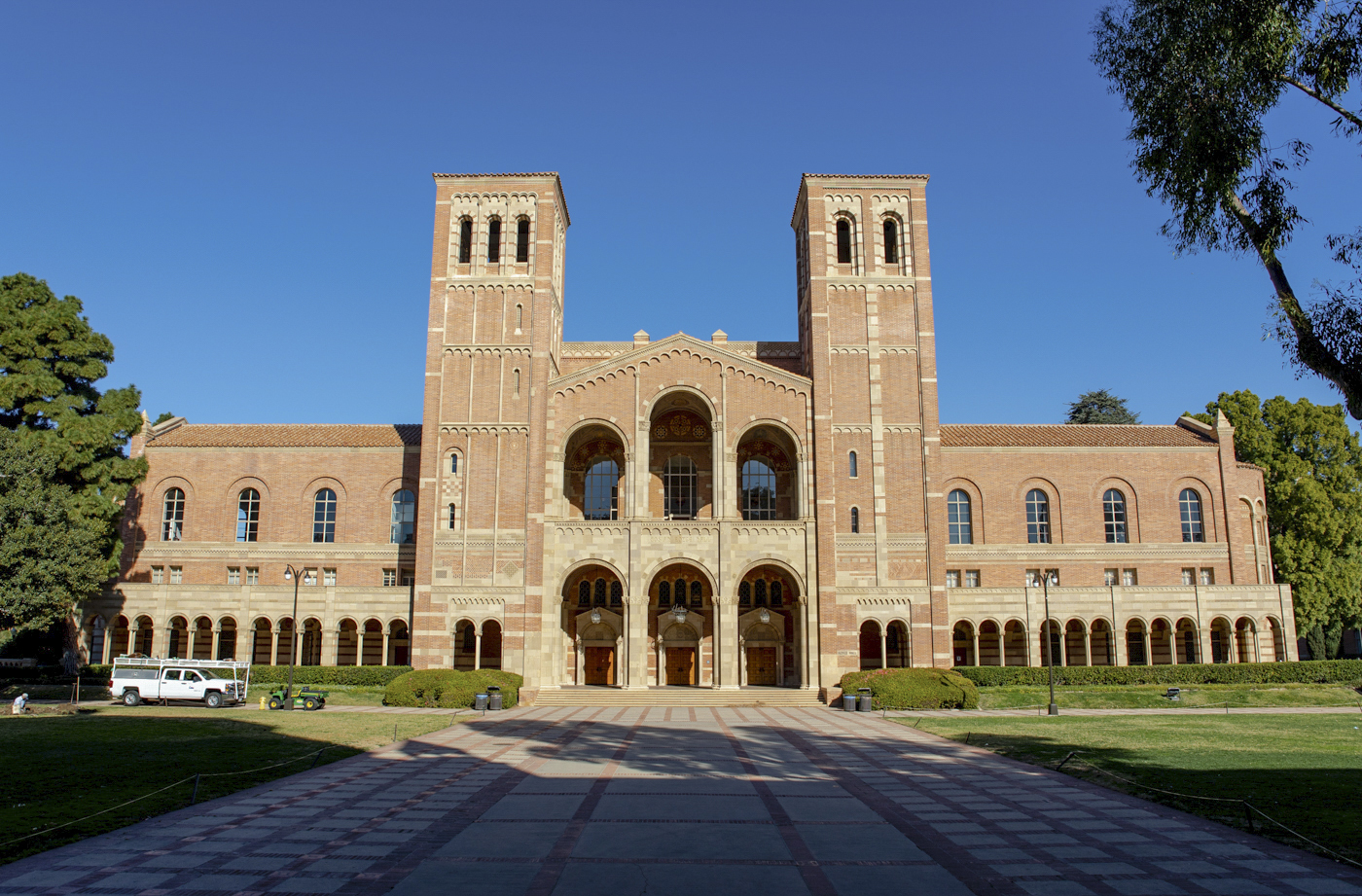
(Daily Bruin file photo)
By Josephine Murphy
Sept. 15, 2025 3:36 p.m.
The Trump administration is seeking to exert control over several of UCLA’s admissions, protest and health care policies in exchange for the university’s research funding, according to a draft settlement acquired by the Los Angeles Times.
UCLA first received a draft settlement from the federal government Aug. 8, which demanded that UCLA pay $1 billion in installments and create a $172 millions claims fund for those who have been impacted by alleged violations of Title VII of the Civil Rights Act of 1964. Title VII prohibits employment discrimination on the basis of color, national origin, race, religion or sex, according to the U.S. Equal Employment Opportunity Commission’s website.
The Trump administration is seeking a three-year agreement with UCLA, in which the university would pay $200 million over five years, according to the LA Times. The university would also have to pay for all policy changes enacted by the settlement.
The settlement proposal also demands that foreign students who are “likely to engage in anti-Western, anti-American, or antisemitic disruptions or harassment” are not admitted to the university, according to the LA Times. It would also require UCLA to create guidelines for international students “to socialize” them to “the norms of a campus dedicated to free inquiry and open debate.”
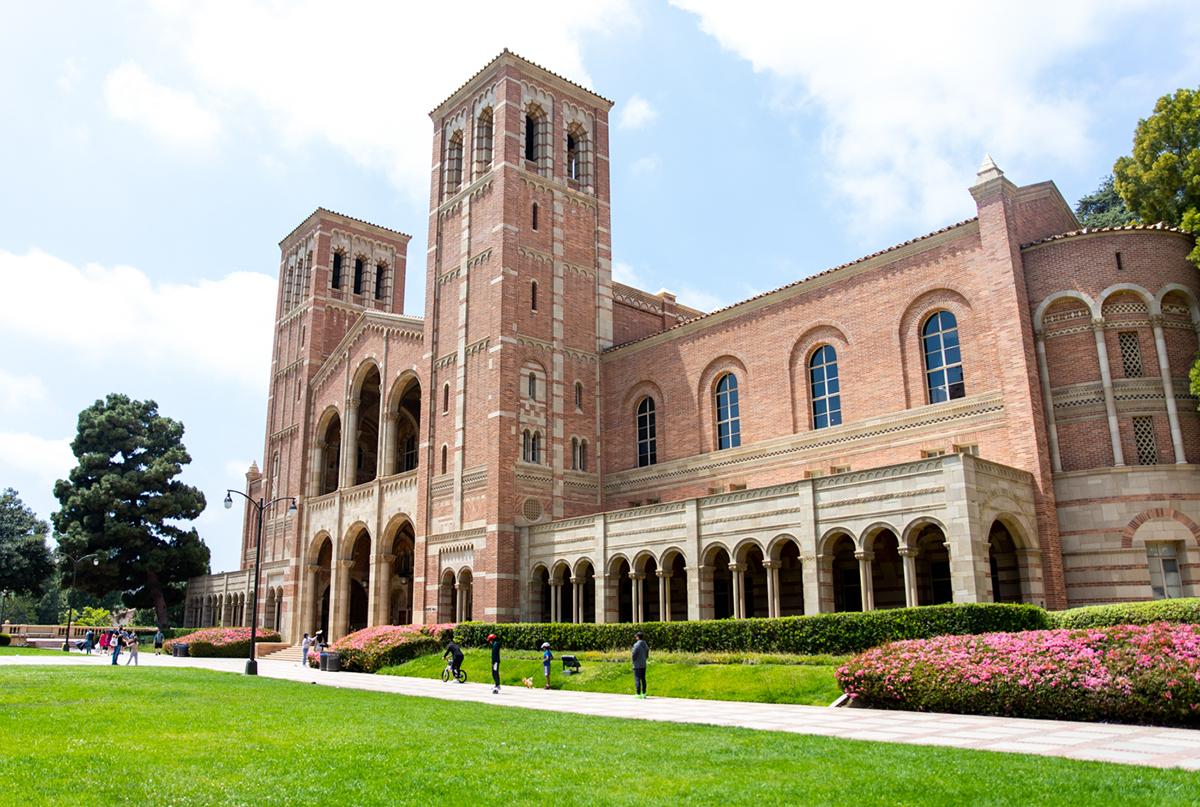
The Trump administration also said in the proposed settlement that UCLA should ban protests in Dickson Plaza and Royce Quad which violate time, place and manner policies, according to the LA Times – although protests in these areas are already banned. The federal government also wants to prohibit overnight demonstrations “in any university locations,” as well as protesters using masks.
Former UC President Michael Drake banned face coverings as a means to conceal one’s identity and encampments across the University in August 2024. However, pro-Palestine protesters continued to wear face coverings during demonstrations on UCLA’s campus throughout the 2024-25 academic year.
[Related: UC President Michael Drake bans encampments on all campuses]
The draft proposal also calls for UCLA to provide the federal government with full access to the information of staff and employees, as well as documents and data which pertain to the agreement and are not protected by attorney-client privilege, according to the LA Times.
The information of about 160 UC Berkeley faculty, staff and students were given to the federal government in August in documents provided for an investigation into alleged campus antisemitism by the Department of Education, Office of Civil Rights, according to the Daily Californian.
CNN reported Aug. 8 that the settlement would also require UCLA to hire two new administrators – a resolution monitor and senior administrator. UCLA would be expected to pay for the resolution monitor, according to the LA Times.
The university will also be expected to make a public statement saying it does not recognize transgender peoples’ identities, and end gender-affirming care for minors at its medical facilities, according to the LA Times. The settlement would also mandate that UCLA offer female-only housing and “ensure recognition for female athletes in women’s sports,” according to CNN.
In a Monday statement, UC President James Milliken said the University receives $5.7 billion in research funding from the federal government, alongside $9.9 billion in Medicare and Medicaid funding and $1.7 billion in student financial aid.
Milliken added in the statement that the federal government is “pursuing investigations and actions” against all 10 campuses across the UC. Campuses have begun experiencing layoffs and “other negative impacts” due to the federal funding suspensions, alongside other financial pressures, he said in the statement.
“This represents one of the gravest threats to the University of California in our 157-year history,” he said in the statement. “Losses of significant research and other federal funding would devastate UC and inflict real, long-term harm on our students, our faculty and staff, our patients, and all Californians.”
The UC Board of Regents will have its first public meeting since the cuts to the UC were announced Tuesday and Wednesday. Since the freeze was announced, the Board has held an emergency meeting and its Advisory Group on Research and Programs Funding Legal Issues has met three times.
“Far too many people depend on us for the University to retreat from its mission,” Milliken said in the statement. “We must do all we can to avoid the harmful possibilities I’ve outlined. That’s why we are working with elected officials in Sacramento and Washington, D.C., to evaluate every option to resolve this conflict to continue serving communities across the state.”