The ascent of ‘stan’: Despite growing apathy toward awards, some still care – a lot
(Helen Sanders/Daily Bruin staff)

By Mya Ward
Aug. 28, 2025 12:40 p.m.
Though they are still sought after by aspiring creatives, some of the most acclaimed creative awards have suffered a decline in prestige among the public in the digital age.
If dwindling ratings and polarizing wins and losses are any indication, the value of a major award has declined over the years. The internet has democratized opinions, providing the public with a voice to rival critics, and thus instilling apathy around major awards shows. Yet there still remains one group that watches award shows, looking closely for specific results for their favorite artists. Enter the “stans.”
Aptly named after the Eminem song “Stan,” in which the titular crazed fan expresses his worrying obsession with Eminem, a “stan” is a self-proclaimed super-fan of a certain celebrity, usually a musical artist. With the increased reliance on digital platforms as a means for social interaction, subcultures have migrated online, and many stan communities tend to treat their interests like team sports. Stans can be competitive with each other, arguing over the authenticity of another person’s fandom, but they’re most often competitive with rival stans.
Furthermore, some stans feel entitled to the interior world of their favorite artist, often going past celebrity gossip to comment on details of an artist’s personal life, as if they were a close friend. Artists such as Chappell Roan and Doja Cat have expressed that the unrequited friendship some stans express toward them is a violation. Beyond the disquieting parasocial bond formed between a stan and their favorite artist, stan culture is also partially to blame for the depreciation of awards shows.
In constructing the person behind the persona, a stan provides a lot of their personality to the idea of their favorite artist. This transfusion is reflected in the way a stan might criticize their favorite artist’s personal actions – “I wouldn’t do this, so why would they?” Ultimately, the parasocial bond is so strong because the stan identifies with their favorite artist. So, what happens when a stan’s favorite artist loses a Grammy that the stan thought they deserved? Better yet, what happens when their favorite artist wins?
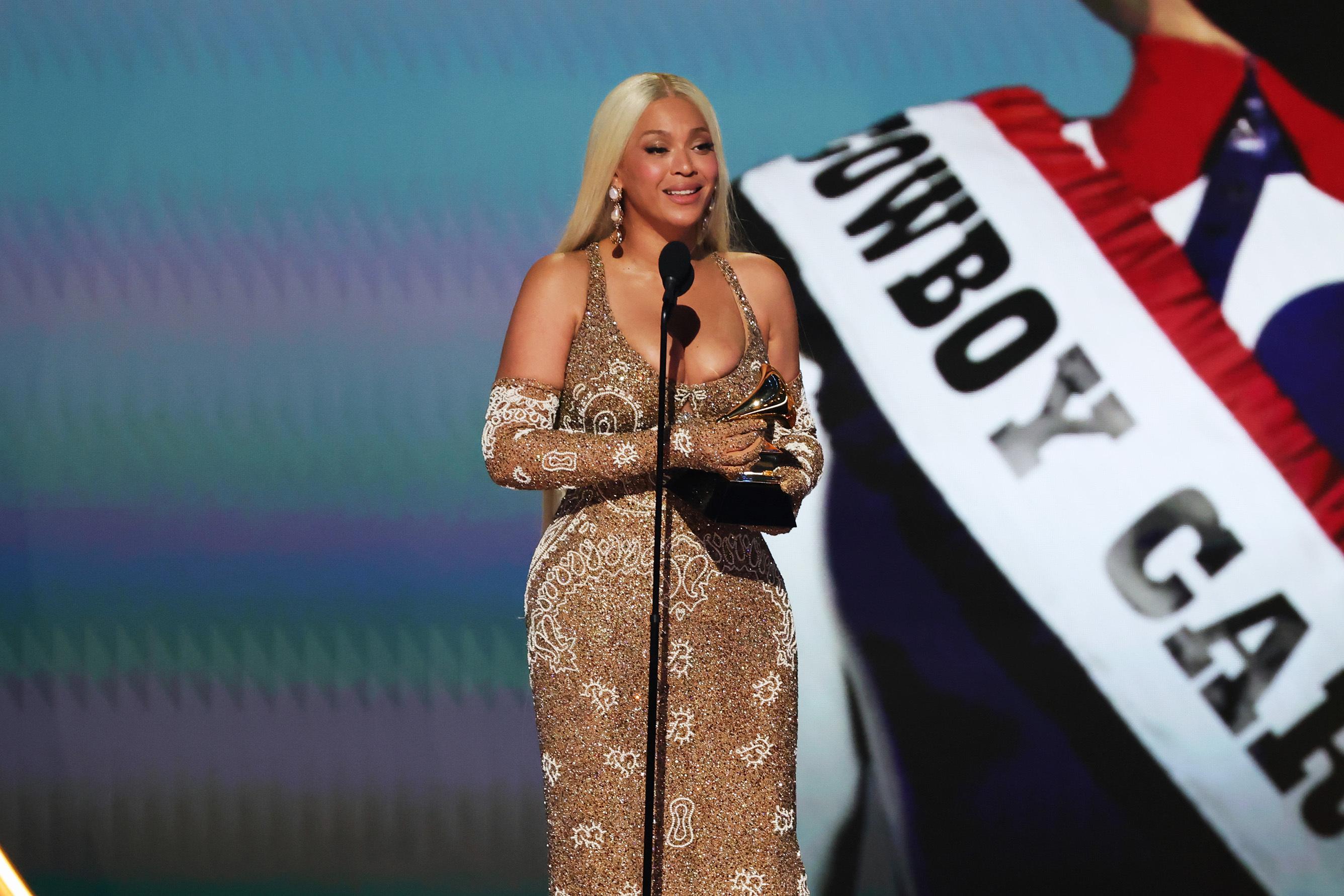
The 2024 Grammys raised a lot of controversy among online fan communities because Beyoncé’s “Cowboy Carter” won Album of the Year over Billie Eilish’s “Hit Me Hard and Soft.” Eilish’s fans were incensed by what they perceived to be an injustice against their favorite artist. Many fans took to social media to repost Eilish’s reaction to learning that Beyoncé won and theorized on the artist’s psychological state in the moment, with some framing her as crestfallen and others pitching her as upset. Beyoncé fans and Eilish fans battled online for weeks, each argument shifting further and further away from the purpose of the Grammys to begin with: to celebrate the arts.
The popularity of awards shows has certainly eroded over the years, with the rise of the internet and the public dismissal of critics’ opinions, but the foundation for which major awards shows were built on was unjust to begin with. Among the various politics that go into why one artist might win an award over another, voting academies have historically ignored the lion’s share of contributions from people of color and queer creatives.
Many creatives have forgone watching and attending awards shows altogether because of this history of injustice. Of these disgruntled creatives, many have gone on to establish award-giving bodies that recognize excellence within their own communities, such as the NAACP Image Awards and the GLAAD Awards. For example, despite acquiring 10 nominations over its run, “Yellowjackets” has never won an Emmy, but won Outstanding Drama Series at the GLAAD Awards.
However, awards shows are unlikely to pivot in order to appease stans. Though televised, awards shows were never for audiences, but were always for the creatives themselves. Much like sports games, fans can feel a heightened sense of investment in the outcome of a competition, even if they themselves have no personal stakes in the winner. The forces of groupthink and team loyalty can impact anyone.
As the conversation around awards shows continues, stans will undoubtedly play a role in redefining the legacy of these classic accolades.