

CalFresh can ease grocery costs for UCLA students, and there’s no shame in using it

(Britany Andres / Daily Bruin Staff)

By Grecia Linares
Nov. 29, 2026 11:49 a.m.
Venturing out to buy groceries is a marker of adulthood: People stand in store aisles with blank stares, children cry and your total has somehow jumped by an extra $100.
Now that I am a student living in an off-campus apartment, any money that I may have used for frivolous expenses is now shelved under the necessary label of “grocery money.”
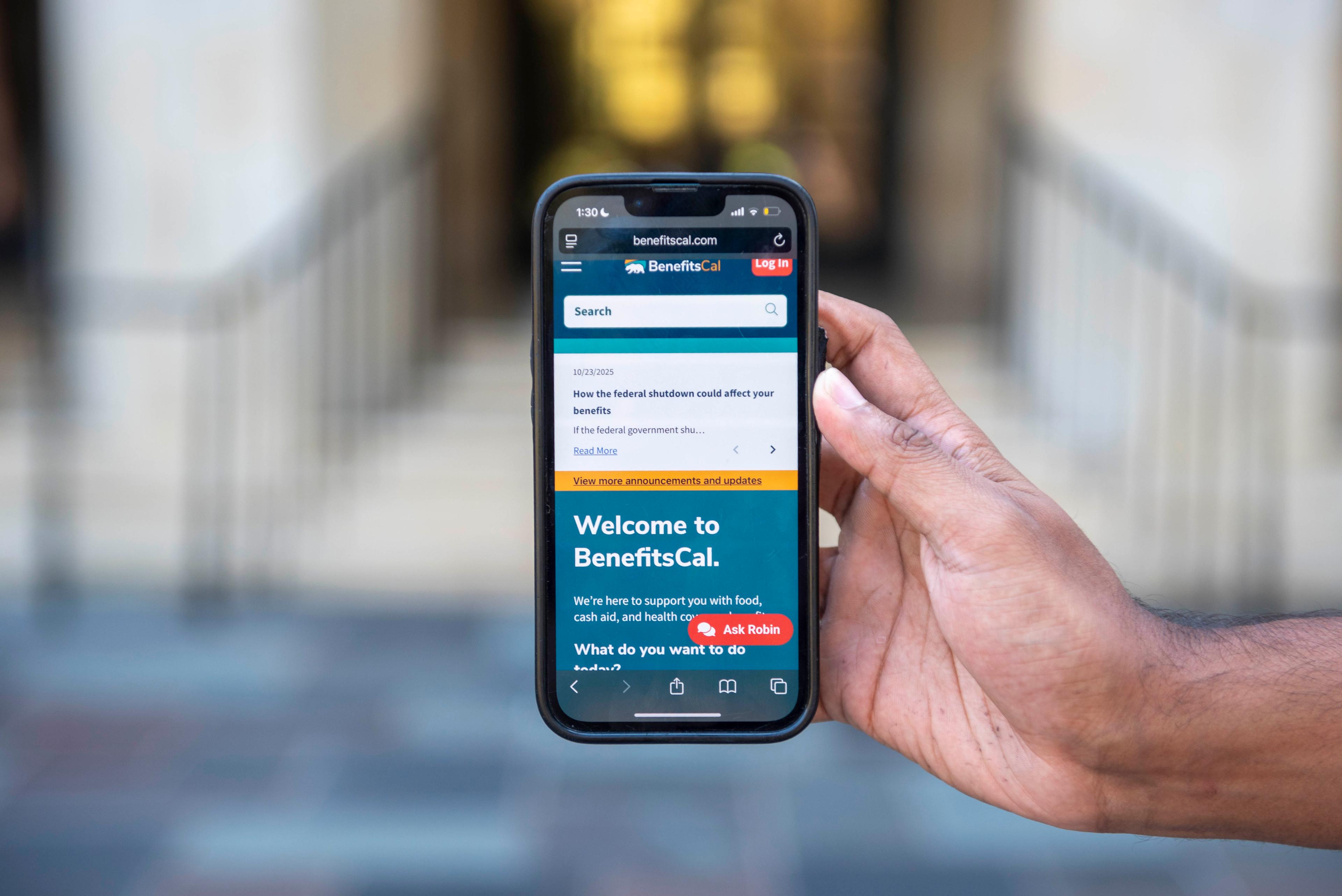
However, the state of California brought some much-needed relief in October. The state expanded some CalFresh eligibility requirements to qualify all undergraduate students enrolled at least half-time in the UC, California State University or California Community College systems for the food assistance program. More than 200,000 students suddenly became eligible for up to $300 a month in groceries.
It is crucial that students take advantage of government assistance that makes their lives easier – even if they originally thought of themselves as not needing it.
“I do get help from my parents when it comes to food,” said Natalie Lancor, a third-year public health student who is currently in the CalFresh application process. “It’s simply just not enough.”
Family income doesn’t always correlate with ease of affordability. Many middle-class families struggle with daily purchases despite having more spare income, according to a December 2025 Brookings report. The report found that at least 20% of the middle class cannot afford to live comfortably – which includes buying basic necessities – in many major U.S. metropolitan areas.
Until the October expansion, neither I nor my family members qualified for any financial assistance despite it being welcomed and quite needed. Now that I receive a reliable stipend through CalFresh, I don’t have to decide between quality and price.
Cynthia Sierra, a third-year biochemistry student, said CalFresh has allowed her to buy high-quality foods, and she’s no longer restricted to basic food items.
“I don’t really have to worry about the price,” Sierra said. “I could actually focus on meal prepping and just my overall health through food.”
Expenses, especially unexpected ones, whirl around students like snowflakes: a trip to the hospital, an expensive textbook or a broken appliance. Programs like CalFresh exist with the purpose of giving people and families less concern over food finances and providing bountiful, nutritious options.
Sky Rogers, a third-year environmental science student, said her CalFresh enrollment and reliable grocery stipend have given her the peace of mind to focus more on her studies, rather than worrying about being able to afford groceries.
Even on an academically rigorous campus like UCLA, it is prudent that students set aside that mentality on occasion and learn to embrace help when it is offered.
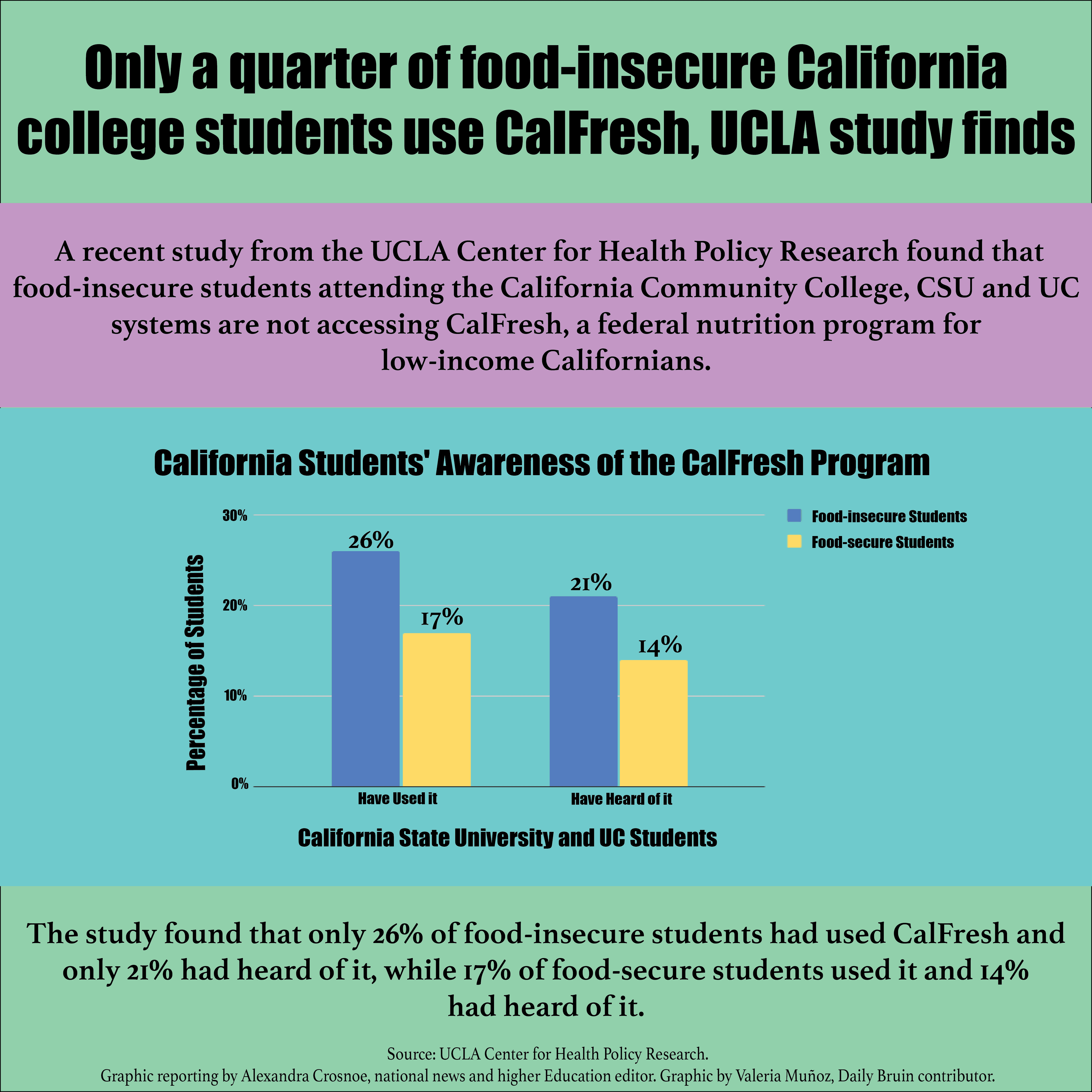
Both Lancor and Rogers said using food stamps could come with a stigma, which may prevent students from getting assistance that could improve their lives out of fear of external judgement.
Students should not have to swallow shame for dinner. According to a study published in the Social Science & Medicine journal, Supplemental Nutrition Assistance Program – which CalFresh is California’s version of – participation may be deliberately avoided because of stigma toward welfare programs, whether it comes from workers or internalization.
The CalFresh expansion should foster solidarity and motivate students to accept aid, especially when living and cooking alone. If Bruins need help or a bit of grace in their demanding lives, they shouldn’t be ashamed to ask for it.