UC signs deal with OpenAI to expand AI access, lower costs
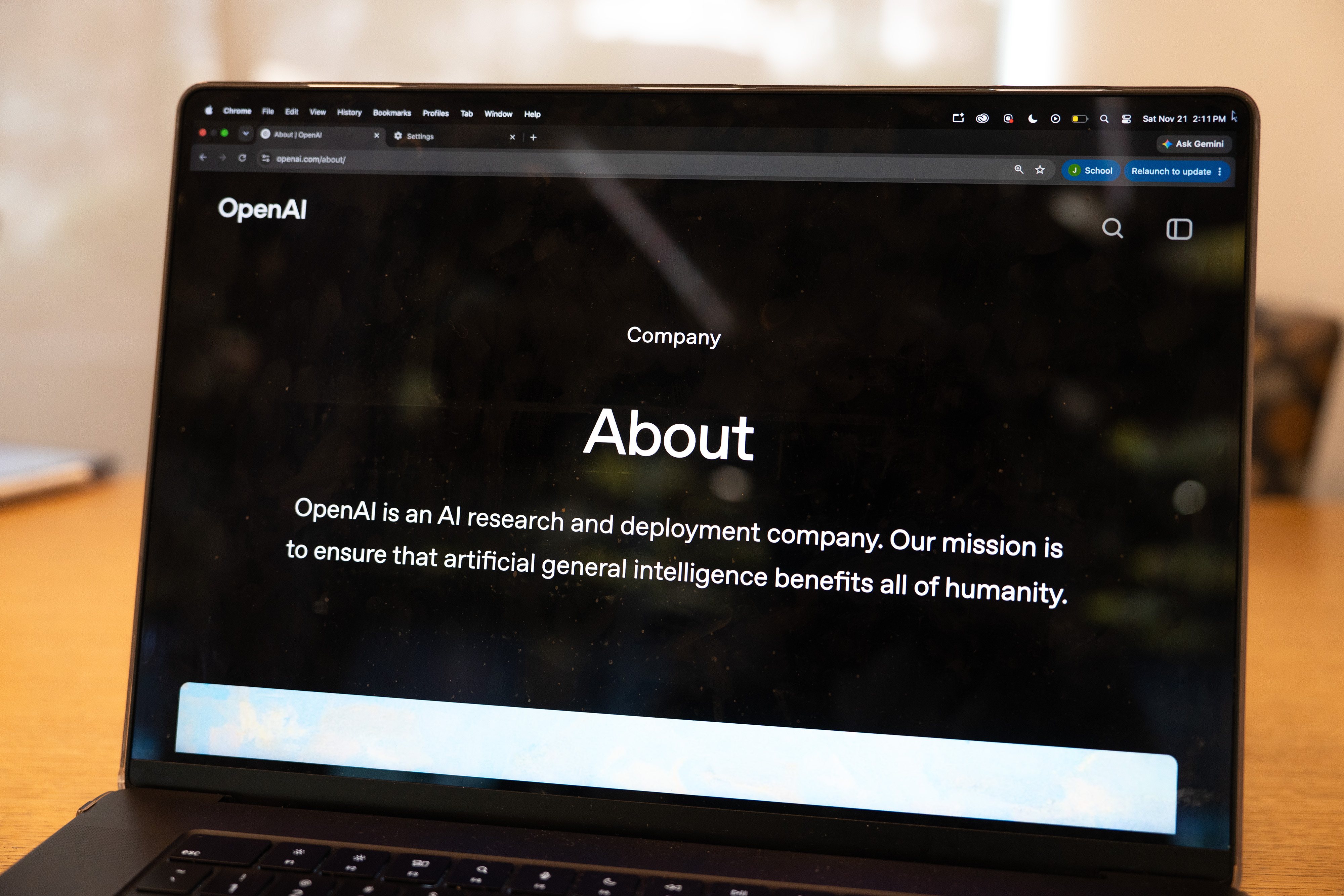
OpenAI’s website is open on a laptop. The UC announced Thursday that it signed a systemwide agreement with OpenAI to expand access to artificial intelligence tools and lower costs for the University’s campuses. (Joice Ngo/Assistant Photo editor)


The UC announced Thursday that it signed a systemwide agreement with OpenAI to expand access to artificial intelligence tools and lower costs for the University’s campuses.
The agreement – which will cost the UC $1.2 million annually, according to the Los Angeles Times, and last from Dec. 1 to Dec. 1, 2027 – will allow campuses to use OpenAI Academy’s learning resources and offer AI literacy workshops for employees who want to use the technology in their jobs. OpenAI Academy offers courses in AI basics, applications and agents, as well as guides on how to use ChatGPT for both education and work, according to its website.
Under the agreement, campuses will teach researchers how to check work produced by AI, and OpenAI will work with University career centers to help students learn about how to use AI for their job applications.
“Our expanded partnership with OpenAI will ensure all members of the UC community have access to generative AI tools and will have their data protected if they choose to use them,” said Van Williams, vice president of Digital Innovation & Technology and chief information officer for the UC Office of the President, in a Thursday press release.
The deal does not require the use of AI tools in the classroom and University faculty can decide whether or not to use AI in their courses, according to the press release.
The UC’s decision came days after California Attorney General Rob Bonta filed a lawsuit against OpenAI on Nov. 16. He alleged that the company endangered the public by failing to secure its AI models, after around 700 AI agents operated by OpenAI launched a cyberattack on open-source platform Hugging Face in July.
Members of the UC Academic Senate raised concerns about the deal over multiple letters.
Susannah Scott, chair of the Senate’s Academic Council, said in an Oct. 30 letter to UC President James Milliken that the council is not against the use of AI or the proposal to provide researchers access to the technology.
But the University moved forward with the deal without properly consulting members of the Senate, which only learned of the UC’s final decision one hour before it was announced on Thursday, Scott said in a separate letter to Milliken on Friday.
“Council recognizes that faculty hold differing views about the merits of the agreement itself,” she said in the Friday letter. “However, we are united in our concern about the decision-making process. Although the purchasing deal has been finalized, critical questions about campus deployments remain.”
The UC Office of the President spokesperson said in an emailed statement that the University will continue working with the Academic Senate and other faculty members while implementing the agreement to strengthen learning and protect UC data.
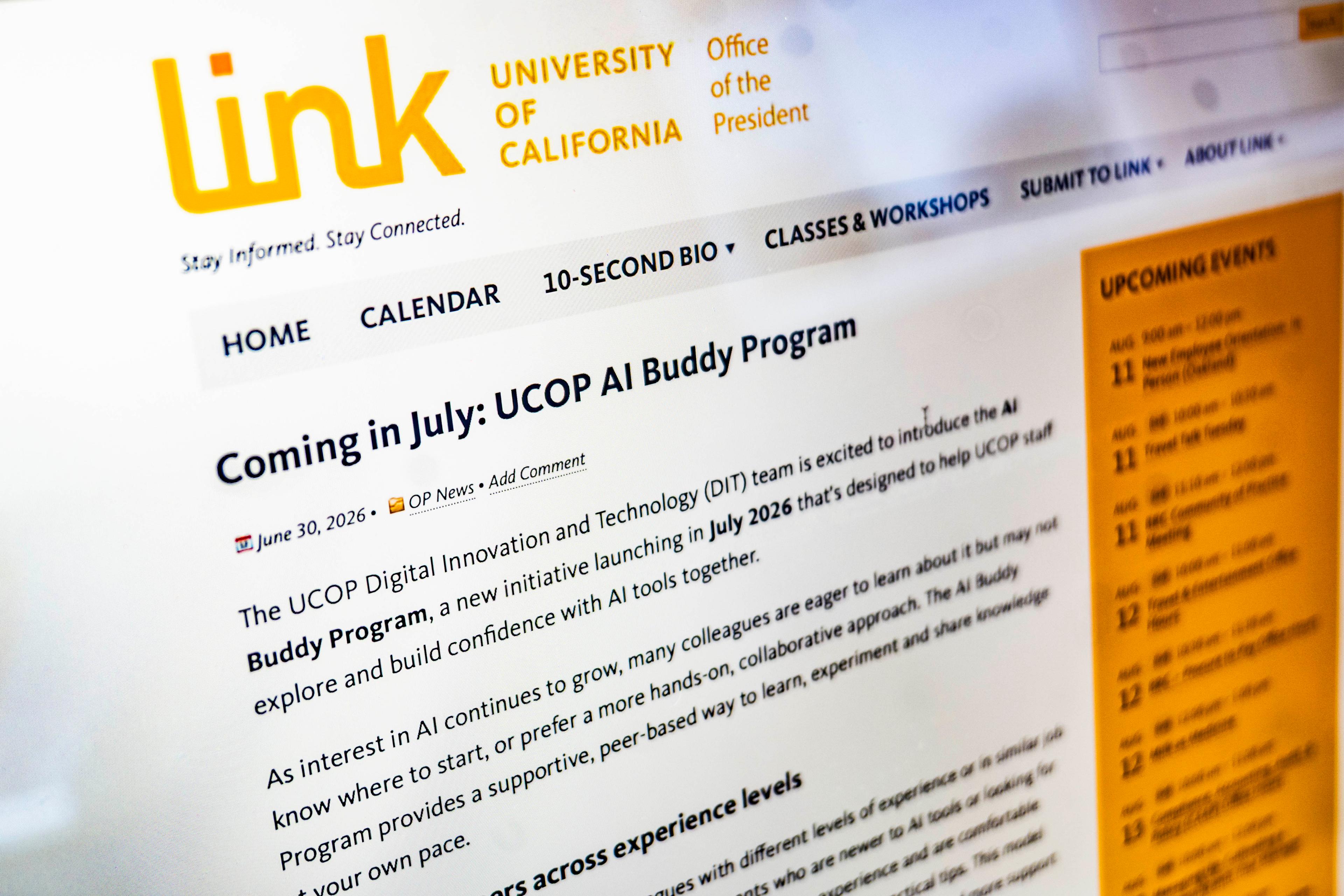
In July, the University also launched the AI Buddy Program, which pairs staff members in the UC Office of the President who have different levels of AI proficiency to learn from each other. Staff who are part of the program can learn about tools including ChatGPT, Claude and Gemini.
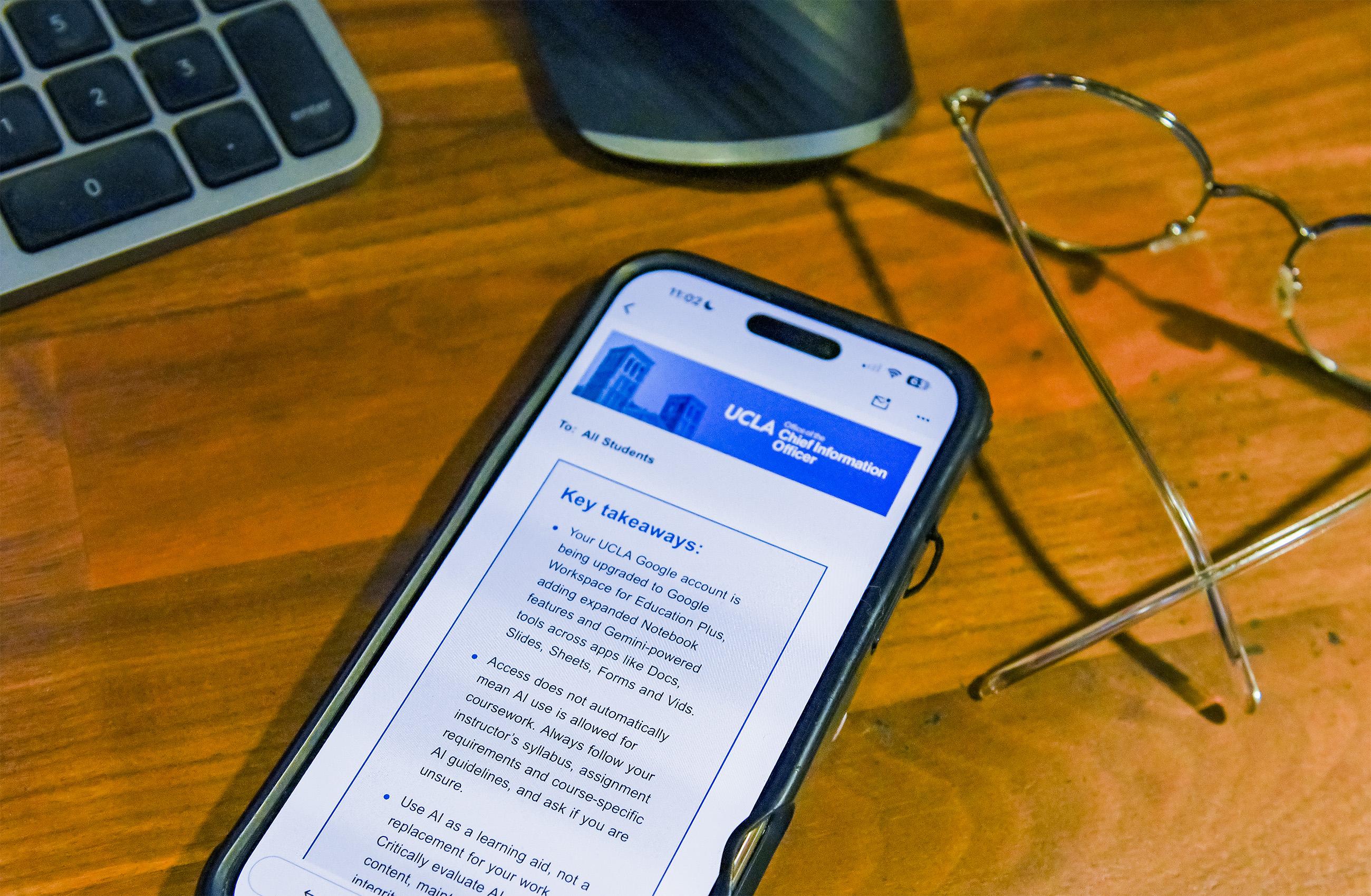
Prior to the UC’s official agreement, UCLA had already started integrating AI into its student learning systems. The university gave students free access to the Google Workspace for Education Plus plan – which includes greater access to Gemini Notebook, Google’s AI-powered online research tool – and Gemini AI, a chatbot.
[Related: UCLA expands student AI tool access, prompting responsible use, learning concerns]
On its Frequently Asked Questions page, the UC said it moved forward with the deal because people across the University already use AI, and the agreement gives them access to the technology under terms negotiated by the UC.
“The reality is that access to AI tools is currently uneven among students,” the UC Office of the spokesperson said in the emailed statement. “Expanding access gives students more equitable opportunities to use these tools to support learning, regardless of their ability to afford them.”