Event brings physicians, students together to discuss brain health
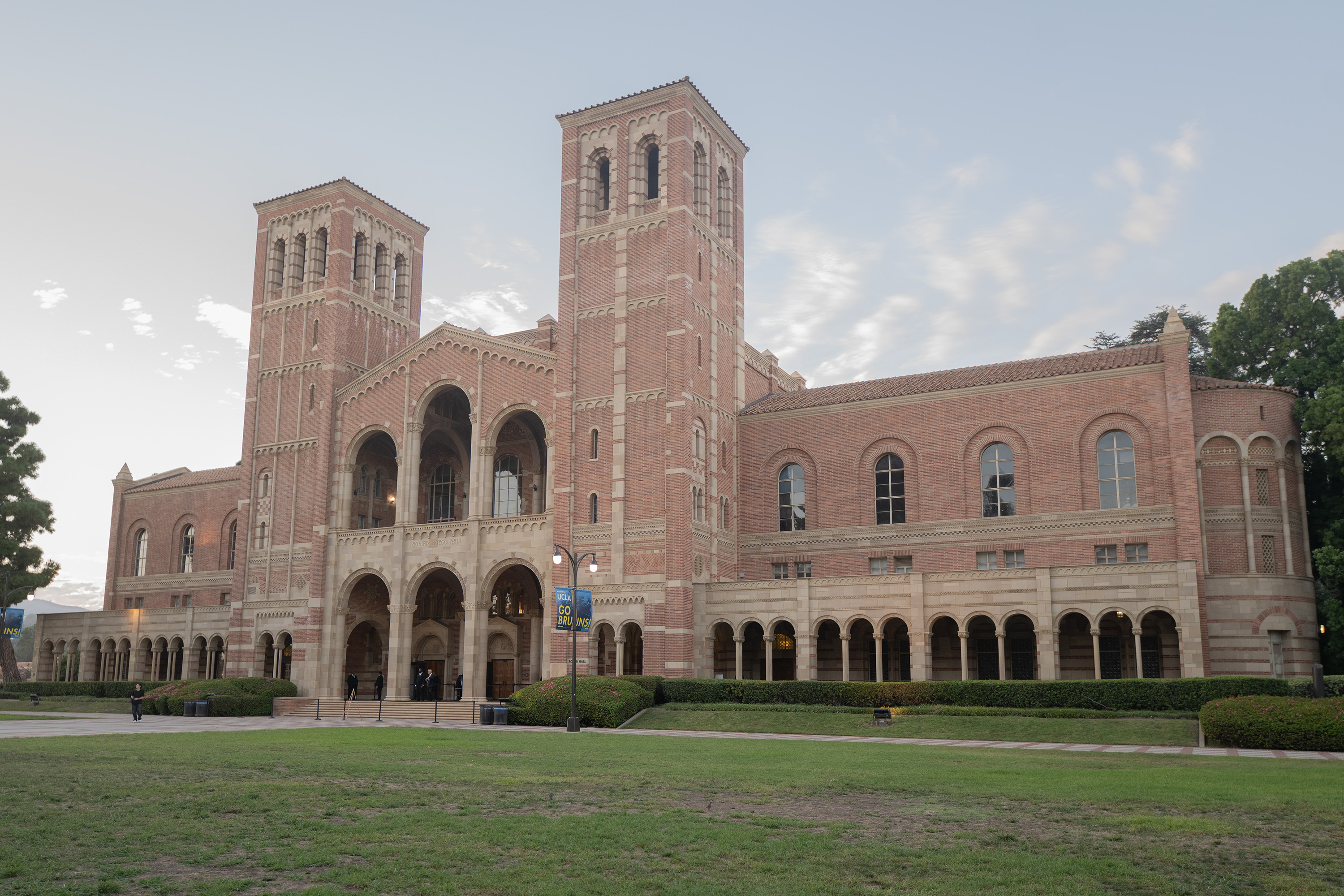
The Brain Health Event was held at Royce Hall on Thursday. Five physicians spoke about pathways to careers in medicine, new developments in mental health treatment and ways to manage stress. (Andrew Ramiro Diaz/Photo editor)

By Kyan Wang
Nov. 15, 2026 11:50 p.m.
Medical experts raised awareness about the importance of brain health amid rising depression rates at an event in Royce Hall on Thursday.
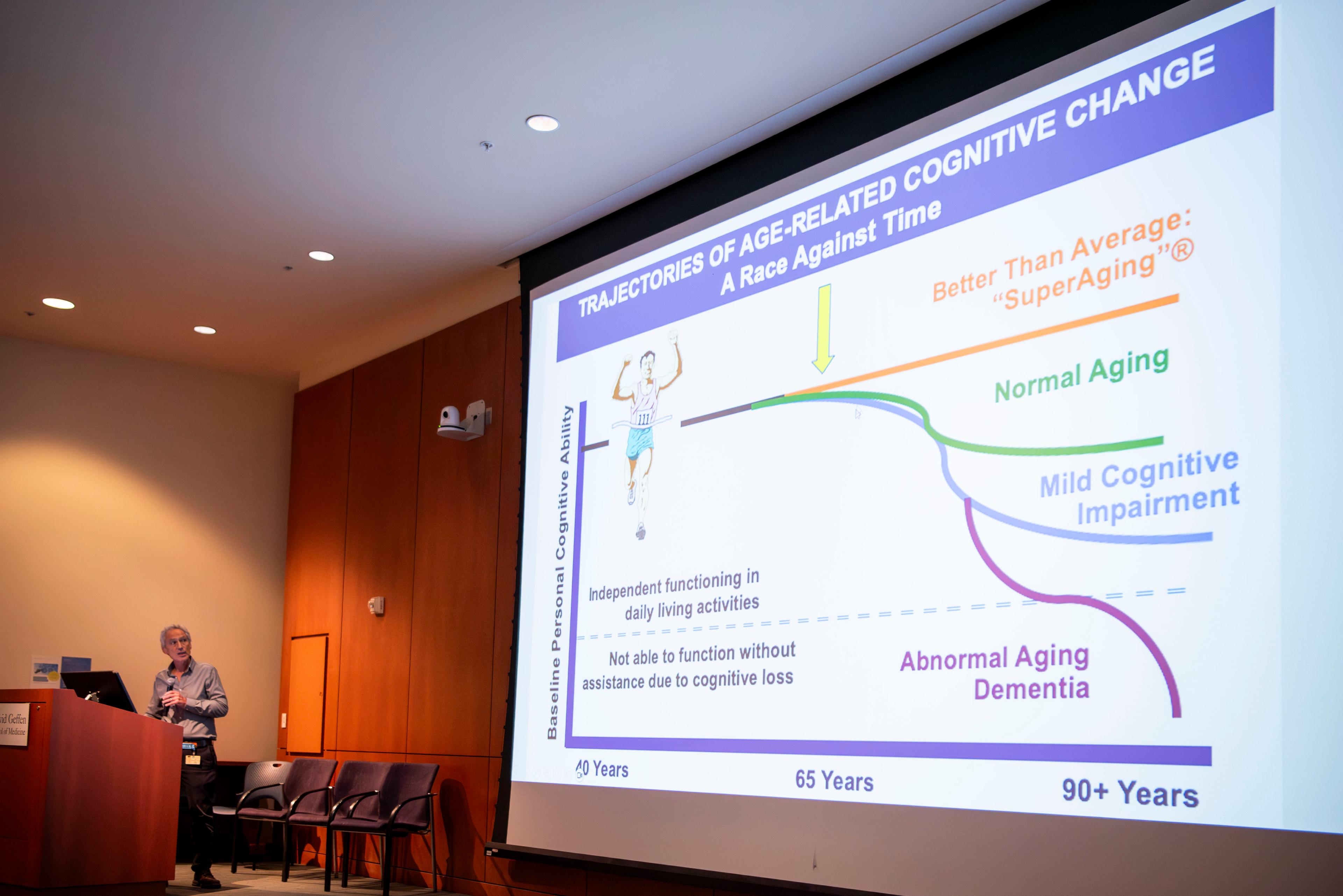
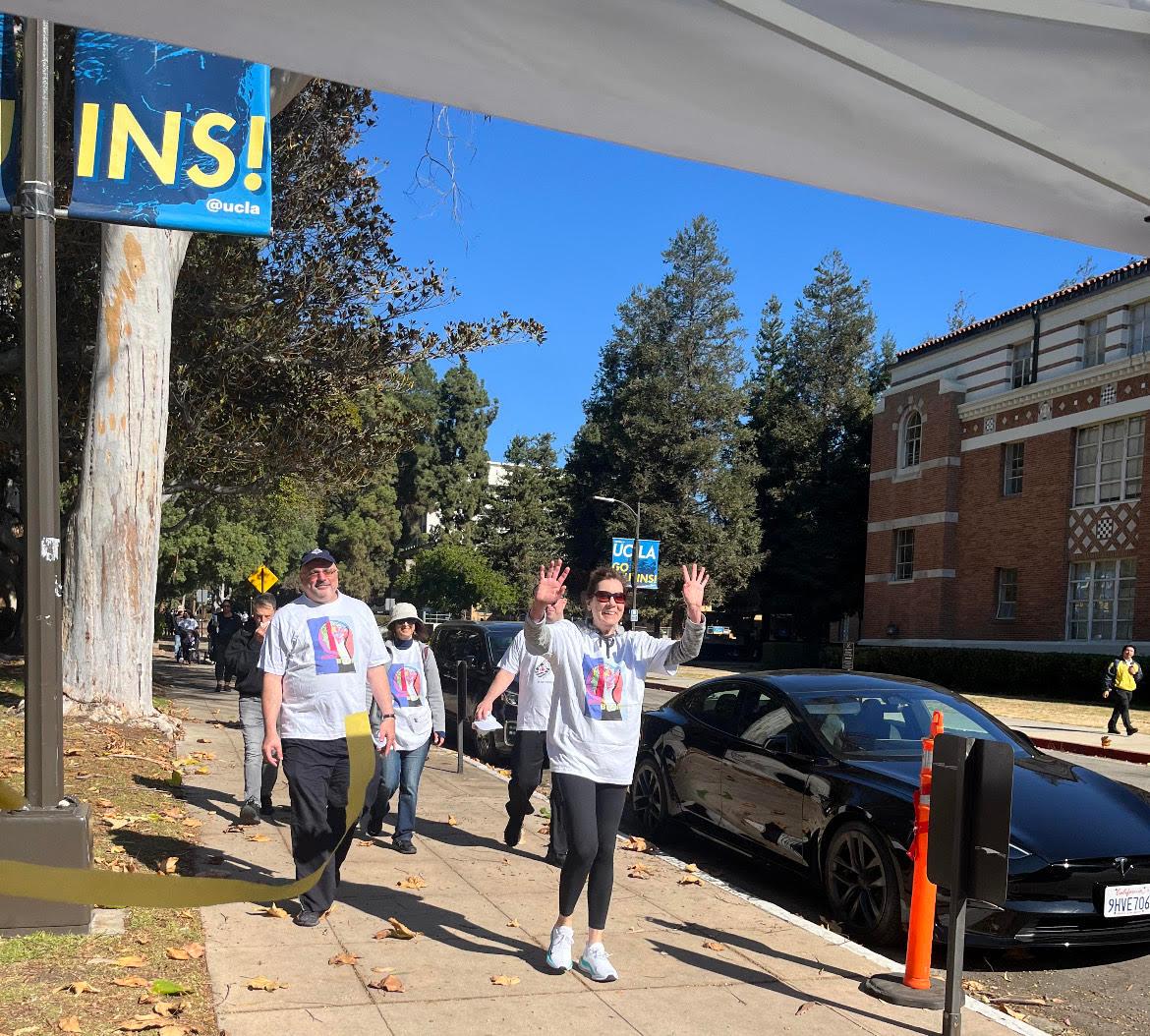
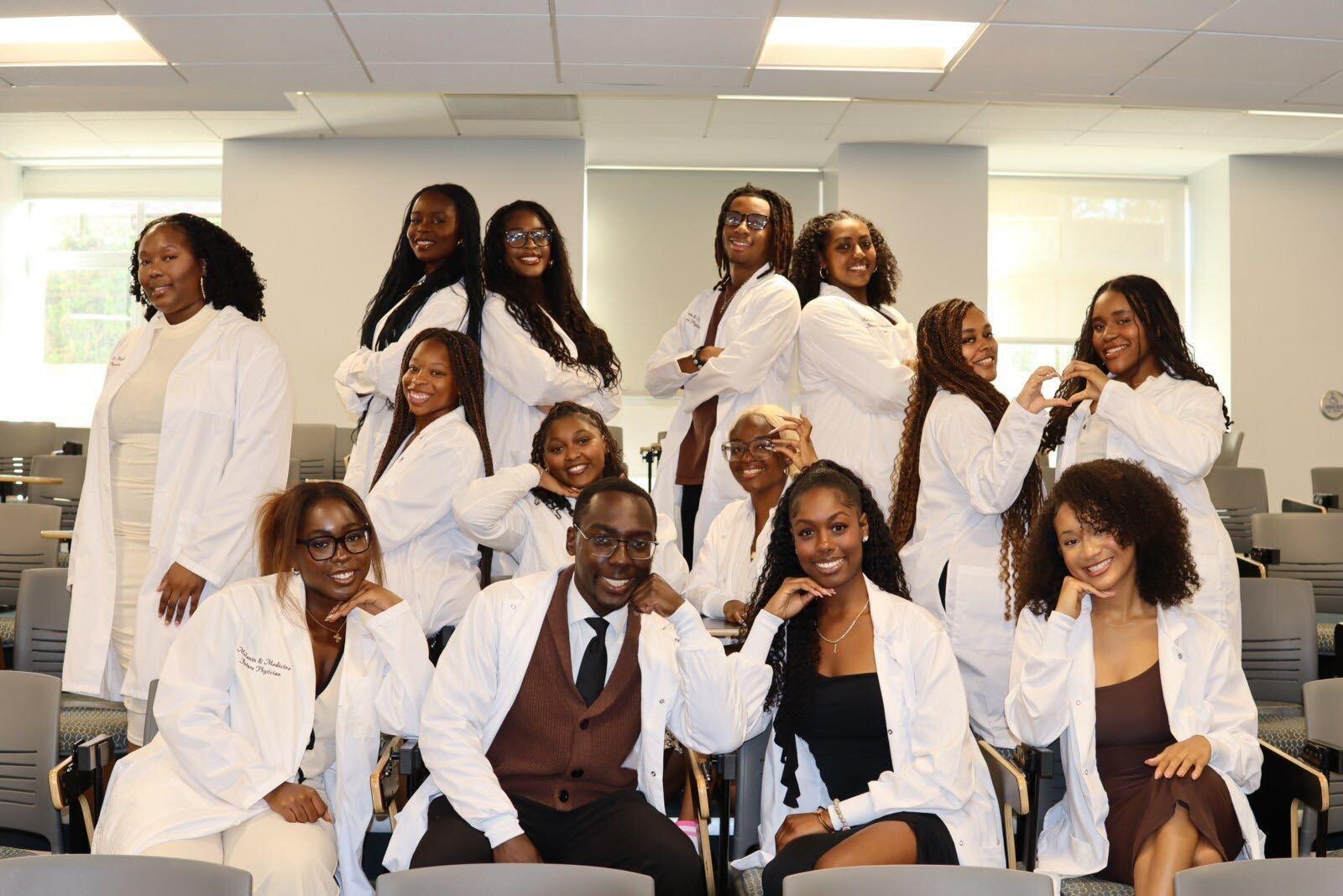
The Brain Health Event – which featured five physician guest speakers – allowed students and community members to learn about mental and neurological health, pathways to careers in medicine, new developments in mental health treatment and ways to manage stress.
Dr. Joshua Eldridge, a speaker and psychiatrist based in Santa Monica, said people should prioritize balance in their schedules and physical health to protect their mental health.
He cited a 2022 World Health Organization study, which found that rates of depression and anxiety rose worldwide by 25% during the first year of the COVID-19 pandemic.
“We could all imagine how that might come to be – social isolation, immense chronic stress over that period of time and probably effects of COVID infections themselves potentially having a role,” Eldridge said.
Eldridge said his clinic uses transcranial magnetic stimulation, a noninvasive alternative that uses magnets to stimulate parts of the brain to treat depression with minimal side effects.
Dr. Daniel Nagasawa, a speaker and a neurosurgeon based in Santa Monica, said physical safety is also important for brain health. His clinic has seen an uptick in e-scooter-related traumatic brain injuries because people often ride their e-scooters without helmets at high speeds, he added.
Students interested in neuroscience should not be deterred by setbacks when preparing for careers in medicine, Nagasawa said during his speech. He added that he became a neurosurgeon despite initially receiving a low score on step one of his medical licensing test.
“Don’t let a three-digit number decide the rest of your life, and that three-digit number could be an o-chem (organic chemistry) test, it could be financial struggles, it could be a number of different obstacles,” Nagasawa said. “But if this is what you’re passionate about, get after it.”
Two students also had the opportunity to present their research related to brain health.
One of the students, Rumaisa Subhani, a third-year physiological science student, presented research on how different genetic mutations could affect symptoms of Arboleda-Tham Syndrome, a rare genetic neurodevelopmental disorder.
Subhani said hearing from the guest speakers reinforced her interest in getting both a medical and doctoral degree, as she was initially unsure of whether she wanted to take a gap year or pursue further education immediately after graduating.
Dr. Shane Creado, a sleep medicine physician and guest speaker, said at the event that sleep is crucial for brain health because a frequent lack of sleep can increase one’s risk for dementia and high blood pressure.
“Poor sleep, quality, quantity, timing, irregular timing can mess with 711 genes,” Creado said.
Miriam Goslins, a UCLA alumnus and attendee, said she learned from Creado that quality of sleep – not just the amount – also impacts the brain’s health.
“I find even as I get more hours, the quality’s not the same necessarily,” Goslins said.
Henry Hohm, a medical student at Romania’s Victor Babeș University of Medicine and Pharmacy who helped organize the talk, said his research on treatments for multiple sclerosis – an autoimmune disorder that attacks the central nervous system – began in conversations at an event in Germany.
Hohm hoped to foster the same innovations in Los Angeles through the Brain Health Event, he added.
“We believe that giving out the talks and the information from the event is the starting seed,” Hohm said. “The flower is the people talking to each other and coming up with ideas – that’s how most of us came up with the research that we were doing.”