UCLA researchers may be able to treat depression by stimulating the brain itself
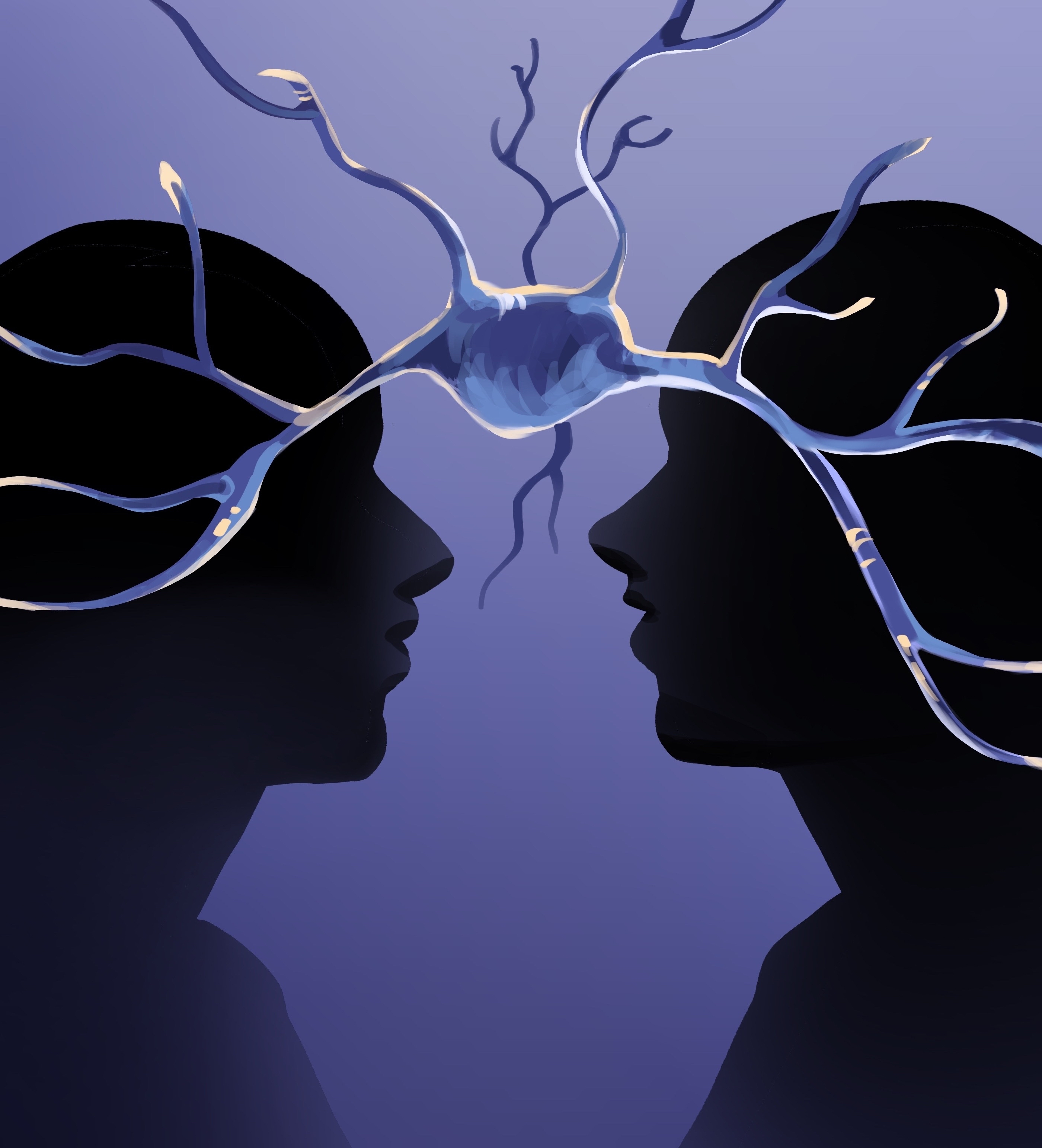
(Polina van Hulsen/Daily Bruin staff)

By Angelina Alkhouri
Nov. 5, 2026 9:50 p.m.
Treatment for severe depression can include a combination of medications, therapy sessions and specialized care.
Now, however, UCLA researchers are trying to expand those options. Patients may now be able to stimulate their brain with an implanted device.
Researchers with the Abbott TRANSCEND study designed a device that is surgically implanted in the brain for deep stimulation, a technique that targets specific areas of the brain that are underactivated in people with depression. Several sites around the United States – including UCLA – are evaluating its effectiveness as a treatment for major depressive disorder alongside medication.
The treatment is not yet FDA approved for depression. About 100 adults across the country ages 22 to 70 are participants in the study.
“They (brain implants) were invented for movement disorders like Parkinson’s and tremor, but we are trying to treat other brain disorders by tapping into different circuits in the brain,” said Dr. Ausaf Bari, an associate professor and vice chair of neurosurgery who surgically implants the devices in the study’s participants.
Deep brain stimulation quiets the two regions of the brain that tend to be overactive in depression, said Dr. Evan Einstein, a psychiatrist at UCLA’s TRANSCEND site.
“Treatment-resistant depression is a major problem, and there are some patients whose illness is so difficult to treat that the usual kinds of treatments don’t work – either medication or some of the brain stimulation treatments, like transcranial magnetic stimulation. So we wanted to develop deep brain stimulation as an alternative,” said Dr. Andrew Leuchter, the study’s principal investigator and a distinguished professor of psychiatry.
Participants at UCLA can get psychiatric treatment and have the device implanted in their brains through the clinical trial.
“It’s a fairly minimal surgery that uses computer navigation,” Bari said. “Using very precise imaging, we can actually pinpoint targets in the brain, and we can put a wire in those targets down to one-millimeter precision, and then those wires get connected to a battery that goes inside the body.”
The lab’s neurostimulation system involves a stimulator device placed in the chest and thin wires implanted in the brain. The devices are implanted in all patients’ brains, but only half of the systems are turned on to minimize bias, Einstein said.
A 2025 review published by the National Institutes of Health found that deep brain stimulation’s effectiveness remains inconclusive and remains unapproved because of mixed outcomes. Researchers in the TRANSCEND study acknowledge the difficulty in finding good candidates and emphasize a need for further research, Einstein said.
“The real innovation of the TRANSCEND study is that the placement of the electrodes within the brain is much more precise and targeted than it has been for prior studies,” Leuchter said. “We’re optimistic that this will be the study that will finally be successful in establishing that deep brain stimulation can work.”
Deep brain stimulation, Einstein said, is a promising treatment that he hopes will help people who have exhausted all other options.
“The patients who motivate this research overall are the ones for whom existing treatments haven’t been enough, and the goal is not to replace treatments we already have but to expand what’s possible and reach these patients with this unmet need,” Einstein said.