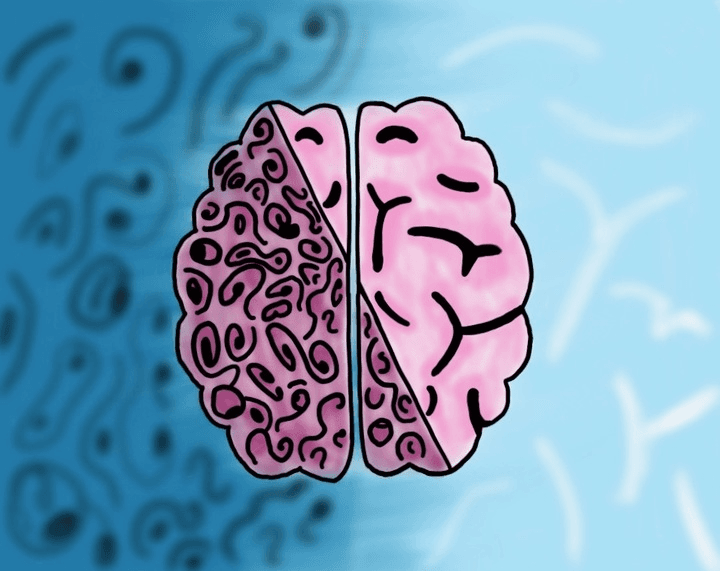
UCLA professor discovers new cause of narcolepsy in ‘blue spot’ brain region
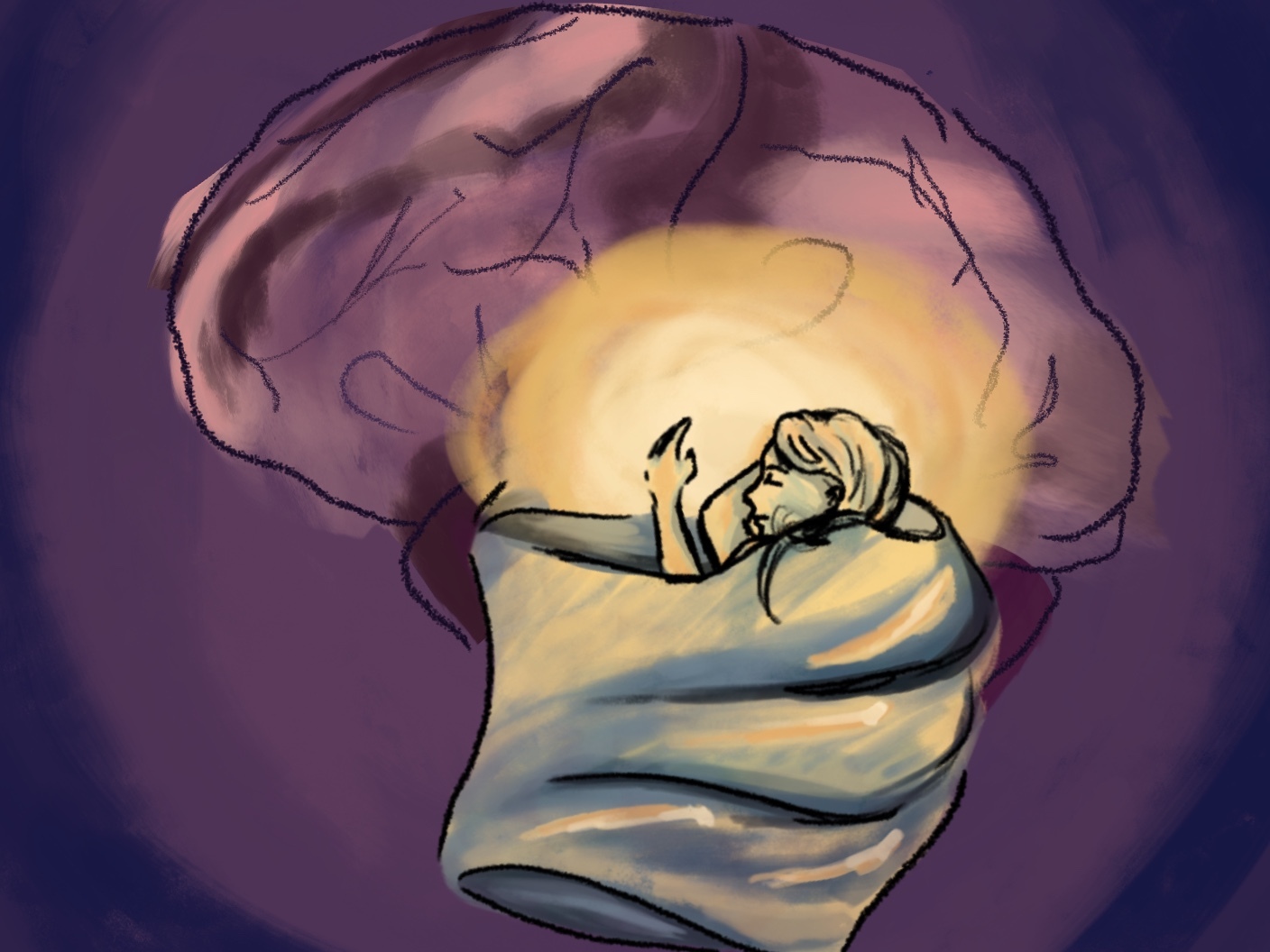
(Lauren Trautenberg / Daily Bruin)

By Zoya Alam
Oct. 1, 2026 7:42 p.m.
For over 20 years, many scientists believed that a loss of a particular group of brain cells – termed hypocretin cells – found in the brain’s hypothalamus was the cause of narcolepsy.
A UCLA professor recently discovered that belief is not entirely true.
Narcolepsy is a chronic brain disorder associated with excessive daytime sleepiness and, oftentimes, cataplexy – a loss in muscle control with sudden excitement. Dr. Jerome Siegel, a professor of psychiatry at the David Geffen School of Medicine and chief of neurobiology research at the Sepulveda VA Medical Center, said he and his team found that narcolepsy is instead caused by cells in a completely separate part of the brain: the locus coeruleus, a nucleus located in the brainstem.
Siegel said his team’s research, published in Nature Communications, provides new insight into the brain’s link to the immune system.
“People think narcolepsy is caused by loss of hypocretin cells, but it’s obvious to me that it’s not,” Siegel said. “Most narcoleptics don’t have low hypocretin levels.”
Siegel’s latest publication details his research on the degeneration of cells in the locus coeruleus, which he found to be the primary cause of narcolepsy.
The locus coeruleus – which translates to the “blue spot” in Latin – contains cells that release norepinephrine, a molecule used for communication in the brain that helps regulate attention and wakefulness.
Siegel said he found that the brains of narcoleptic patients had substantial damage in this region, which is why narcoleptic patients are less alert. Hypocretin cell destruction, however, was variable among patients, he added.
The study’s findings will help scientists better understand the connection between the brain and the body, said Ronald McGregor, a project scientist who has worked in Siegel’s lab for nearly 20 years.
“The locus coeruleus is a very important structure in the brainstem and modulates many behaviors,” McGregor said. “The article shows that narcolepsy is a multifactorial disease, or neuropathology, rather than uniquely a hypocretin problem. … Another system (the locus coeruleus) which is very important in motor control and attention is also degenerated.”
Ming-Fung (Frank) Wu, a research staff member who has worked with Siegel since 1986, said their research can help bring relief to patients.
“We always find new things and new treatments for disease,” Wu said. “If we can continue to support this kind of research, it would be very helpful for these people.”
Siegel said his study, along with his other research, both clarifies the cause of narcolepsy and reveals broader connections between the immune system and the brain.
The best part of his job, he added, is his ability to make new discoveries.
“It’s (the locus coeruleus is) one of the biggest focuses of neuroscience research, and nobody knew it had anything to do with narcolepsy,” Siegel said. “Now it’s pretty clear to me that it is the main actor in narcolepsy. That’s something that, at one point, I was the only one who knew.”