Californians demand progress but balk at paying for it. Voters must back Props 3 and 40
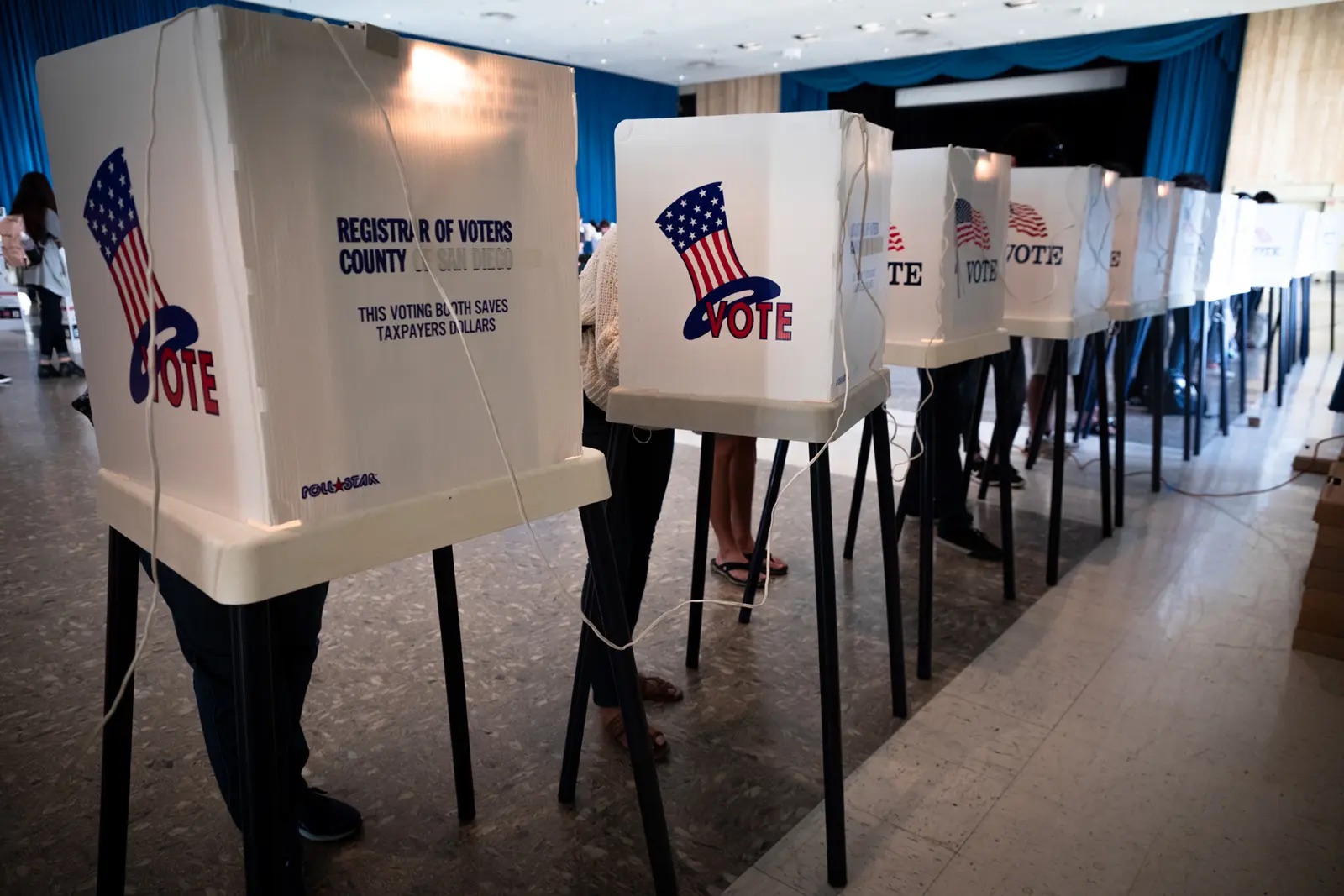
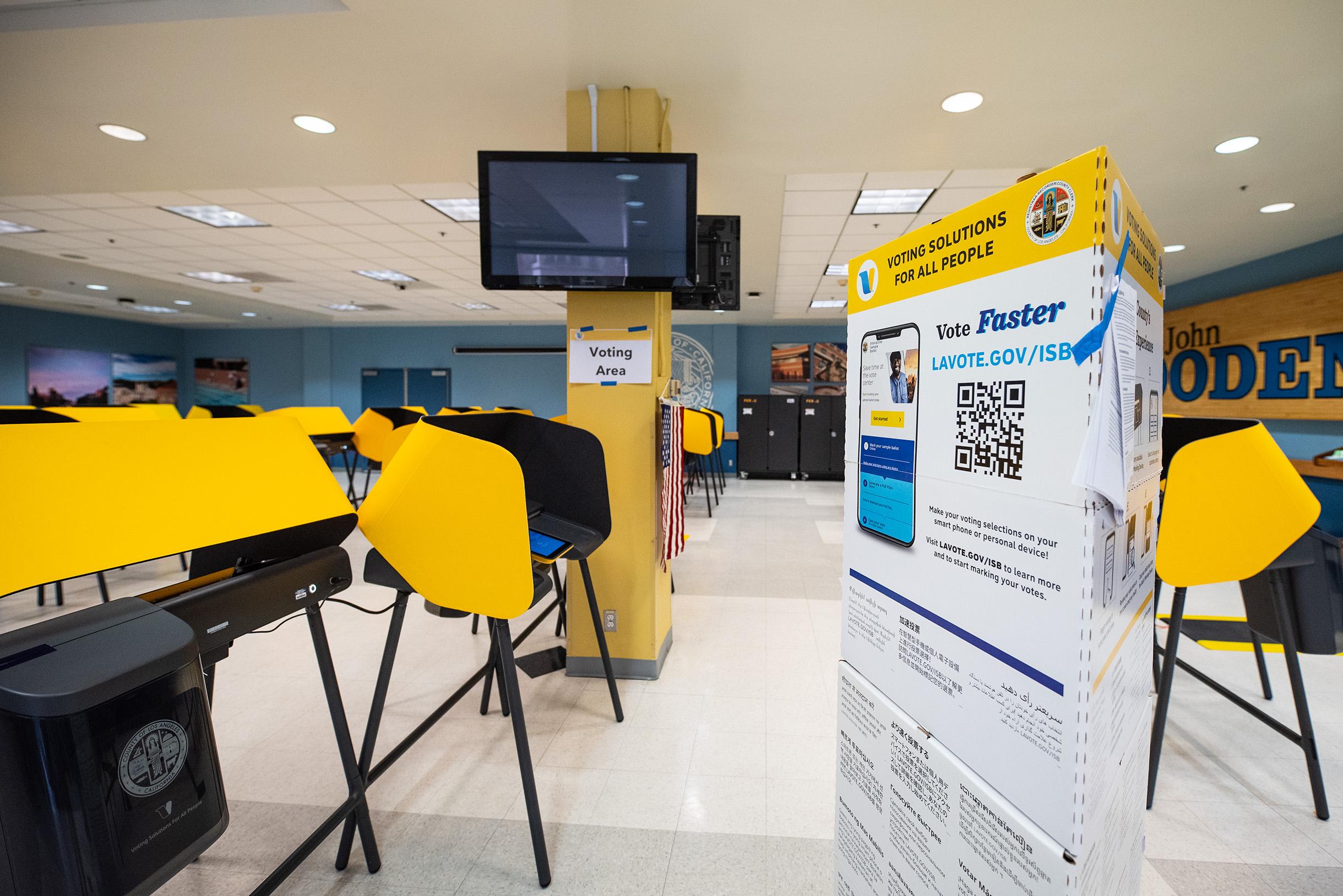
People vote in Ackerman Grand Ballroom. Columnist Eli Lynch argues that voters must vote in favor of Propositions 3 and 40 and against Propositions 41 and 42. (Daily Bruin file photo)

By Eli Lynch
Nov. 1, 2026 6:41 p.m.
This post was updated Nov. 1 at 8:51 p.m.
California voters have never-ending grievances with their state’s tax policy. And they’re impeding the very progress they demand.
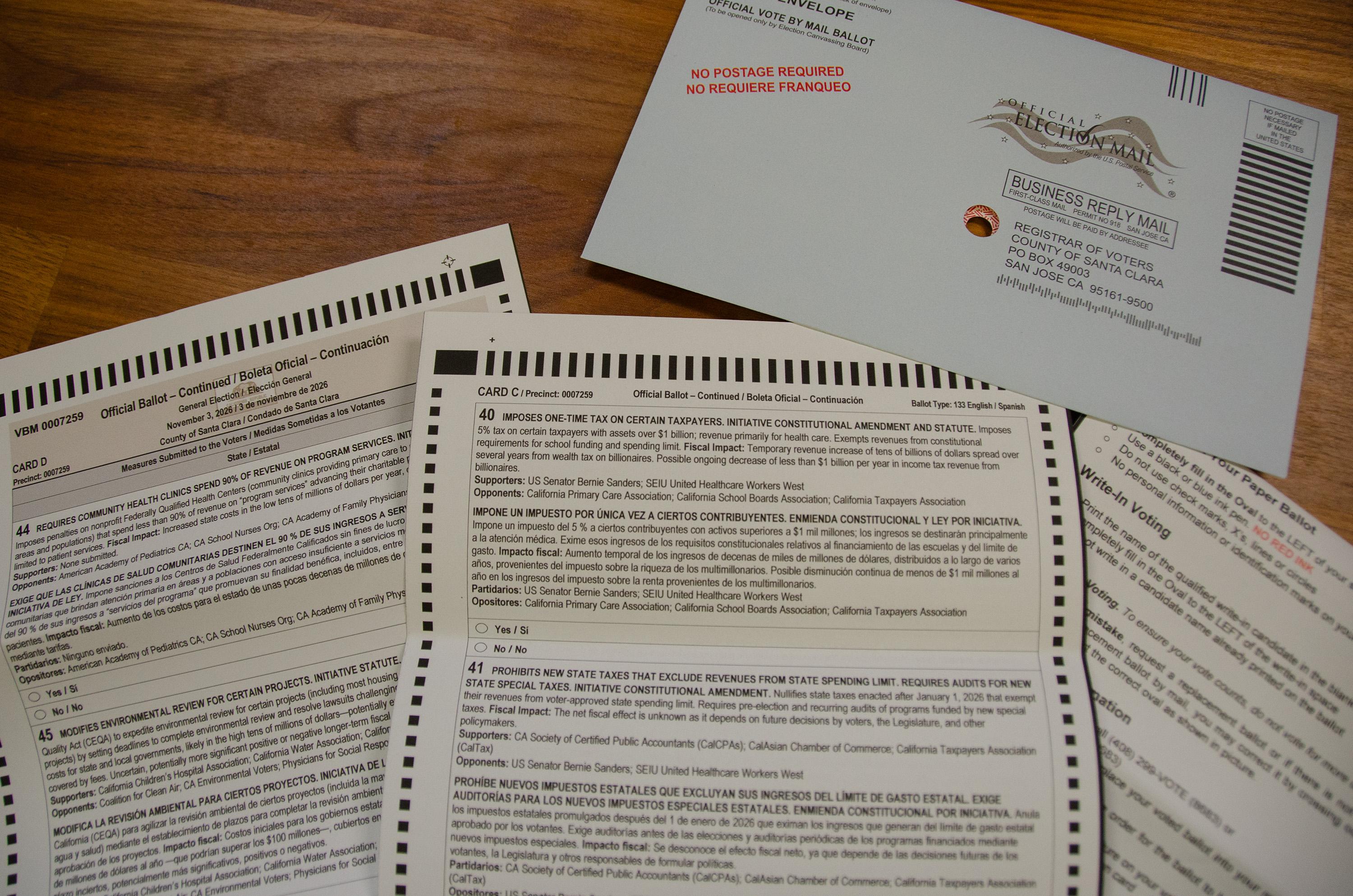
Propositions 3, 40, 41 and 42 all aim to alter California’s tax policy or the procedure for doing so in various, sometimes conflicting, ways.
Students, and Californians at large, must come to terms with the costs necessary to achieve progressive policy and vote for Propositions 3 and 40 and against Propositions 41 and 42.
Propositions 3 and 40 both try to compensate for incoming funding gaps for education and healthcare by taxing the state’s wealthiest citizens. A recent survey from the Public Policy Institute of California shows Proposition 3 is enjoying 58% support from voters, whereas a survey from the UC Berkeley Institute of Governmental Studies indicates Proposition 40 is narrowly failing with 50% of voters against the measure.
This disparity exists even though most Californians support the proposed programs the propositions seek to fund. A February 2025 poll from the California Health Care Foundation found 75% of Californians believe every resident of the state is entitled to health insurance. An April 2026 poll from the Public Policy Institute of California found that 68% of the state’s residents support a universal transitional kindergarten program.
Confusingly, Californians also appear open to Propositions 41 and 42, both of which would prevent the creation of said programs.
If passed, Propositions 41 and 42 would nullify Proposition 40 by either requiring the state auditor to review tax proposals or by banning new taxes on personal property altogether, respectively. They would also make it virtually impossible to expand funding for existing programs that Proposition 3 supports.
According to PPIC polling, roughly half of likely voters support both propositions.
“The populace is definitely very reticent to support property tax increases,” said Adam Peddie, the external vice president of Bruin Democrats.
For example, California’s current caps for property taxes have been in effect since the 1970s, he added.
These anti-tax propositions, should even one of them pass, would cancel out not only Proposition 40 but also social programs like Medi-Cal and public education that Propositions 3 and 40 are seeking to preserve.
But these attitudes from voters should not be surprising.
After all, it is natural for voters to want well-funded government services and low tax rates, said Chris Tausanovitch, a professor of political science, in an emailed statement. The problem is voters don’t know how to balance these two extremes in propositions, he added.
To find this balance, voters need to recognize that expanded social programs, like universal Medi-Cal, will save the stateand people money. They just may have to stomach a higher tax bill come April.
[Related: The proposition system is needlessly obtuse. It’s time for reform]
To make a decision this November, voters also must understand how propositions like the billionaire tax will support Californians.
“If Prop 40 fails, 80 hospitals could close across California. Three and a half million people could lose healthcare coverage,” said Kris Cuaresma-Primm, the head of partnerships for the Proposition 40 campaign.
Opponents of raising taxes argue that Californians don’t need more taxes because they are facing the same cost-of-living crisis as the rest of the country, compounded by a tax burden that ranks 11th nationwide, according to WalletHub.
But this argument ignores that California is the state with the sixth-highest real median annual household income and the top 20% of California earners pay the same rate as or lower than the second-lowest 20%.
Voters should recognize that financial sacrifice is necessary to improve the well-being of all Californians and vote with their beliefs – and not their wallets.