

Salsa Society at UCLA transforms dance floor into space for connection, community
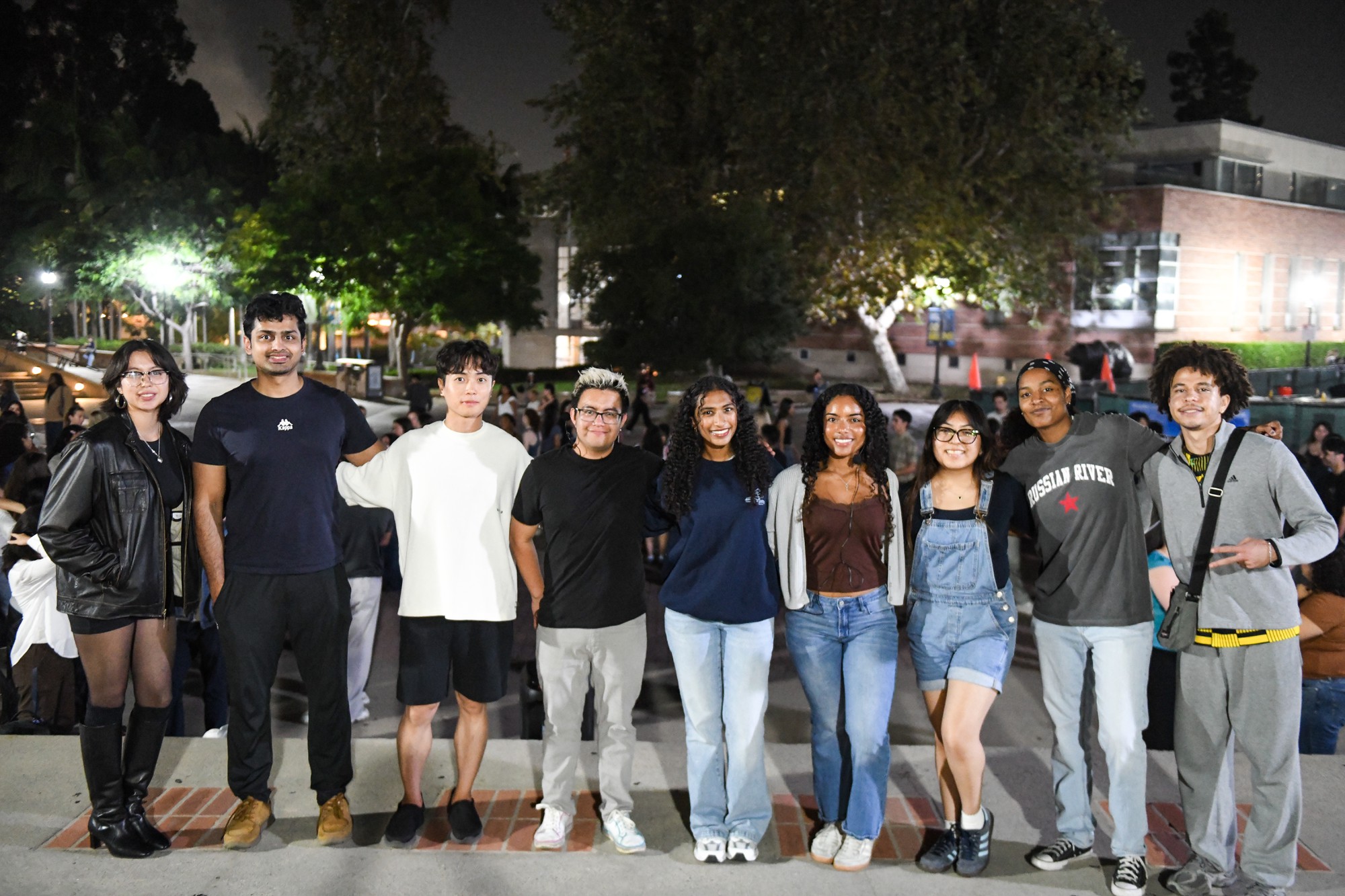
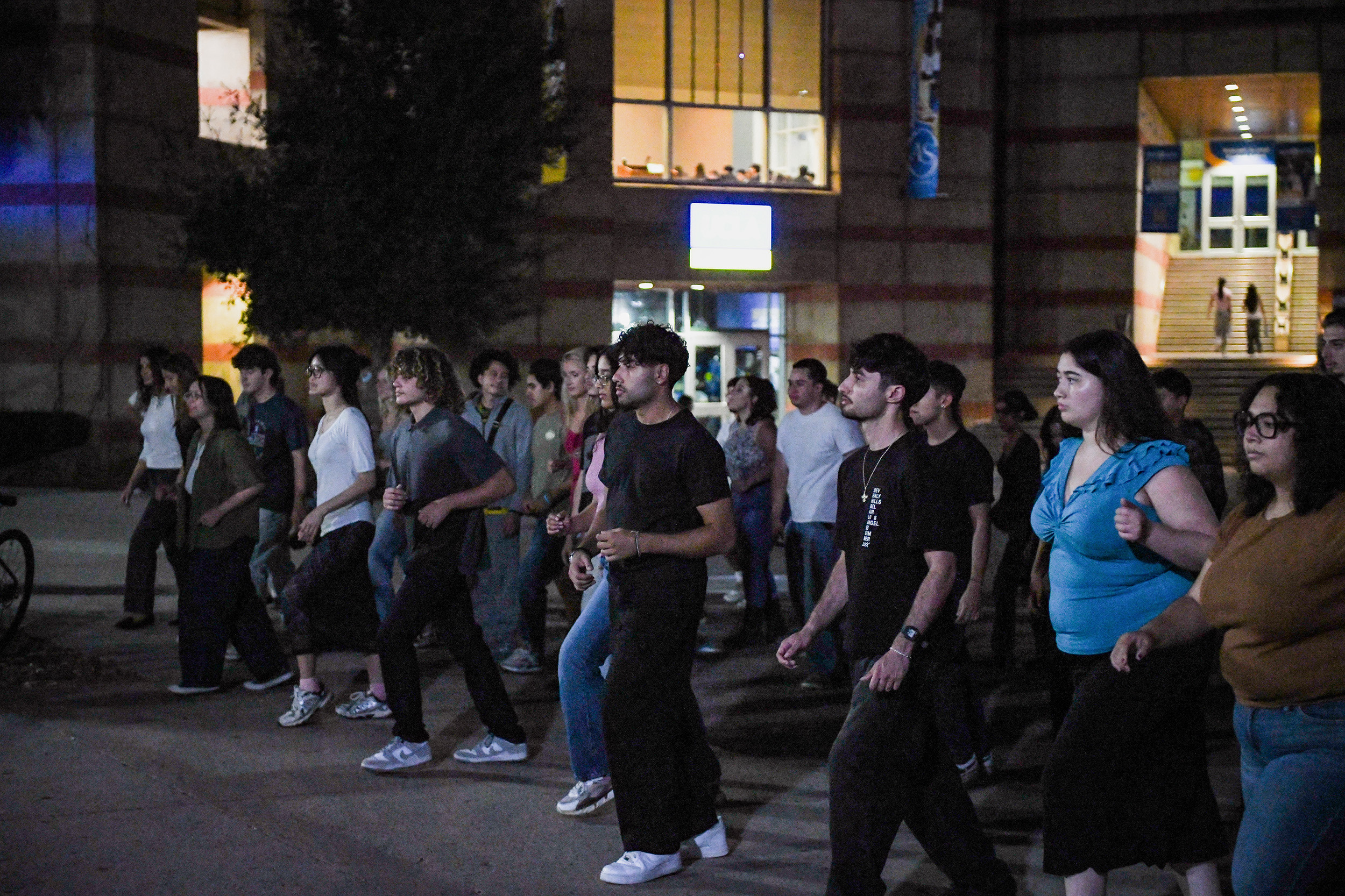
Members of the Salsa Society at UCLA gather around Bruin Plaza. The group meets every Wednesday at 8 p.m. for an hour of guided instruction, followed by an hour of socialization. (Aiden Martinez/Daily Bruin)

By Parsa Arshi
Oct. 11, 2026 11:12 p.m.
Class isn’t the only place where Bruins are breaking a sweat.
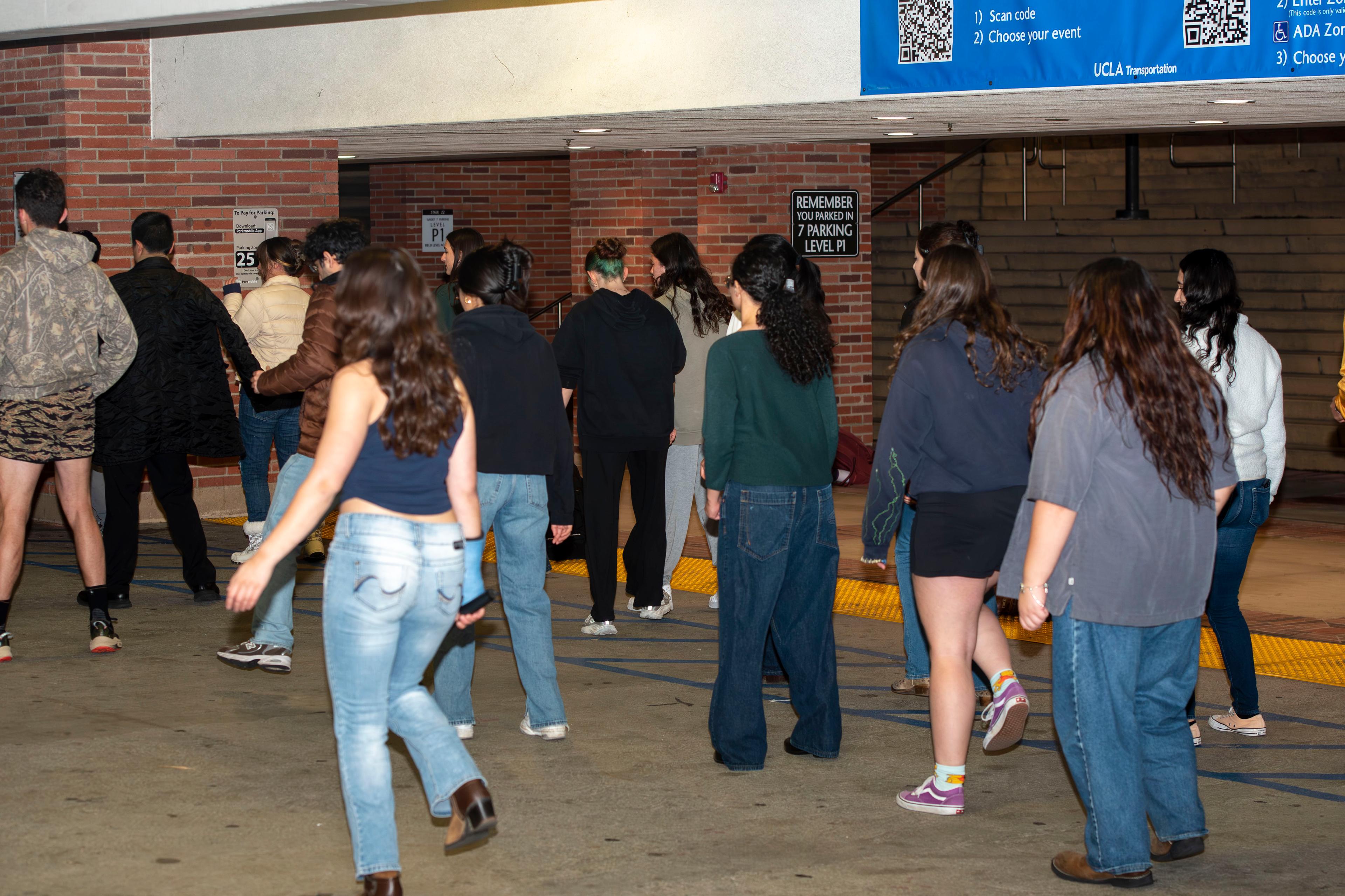
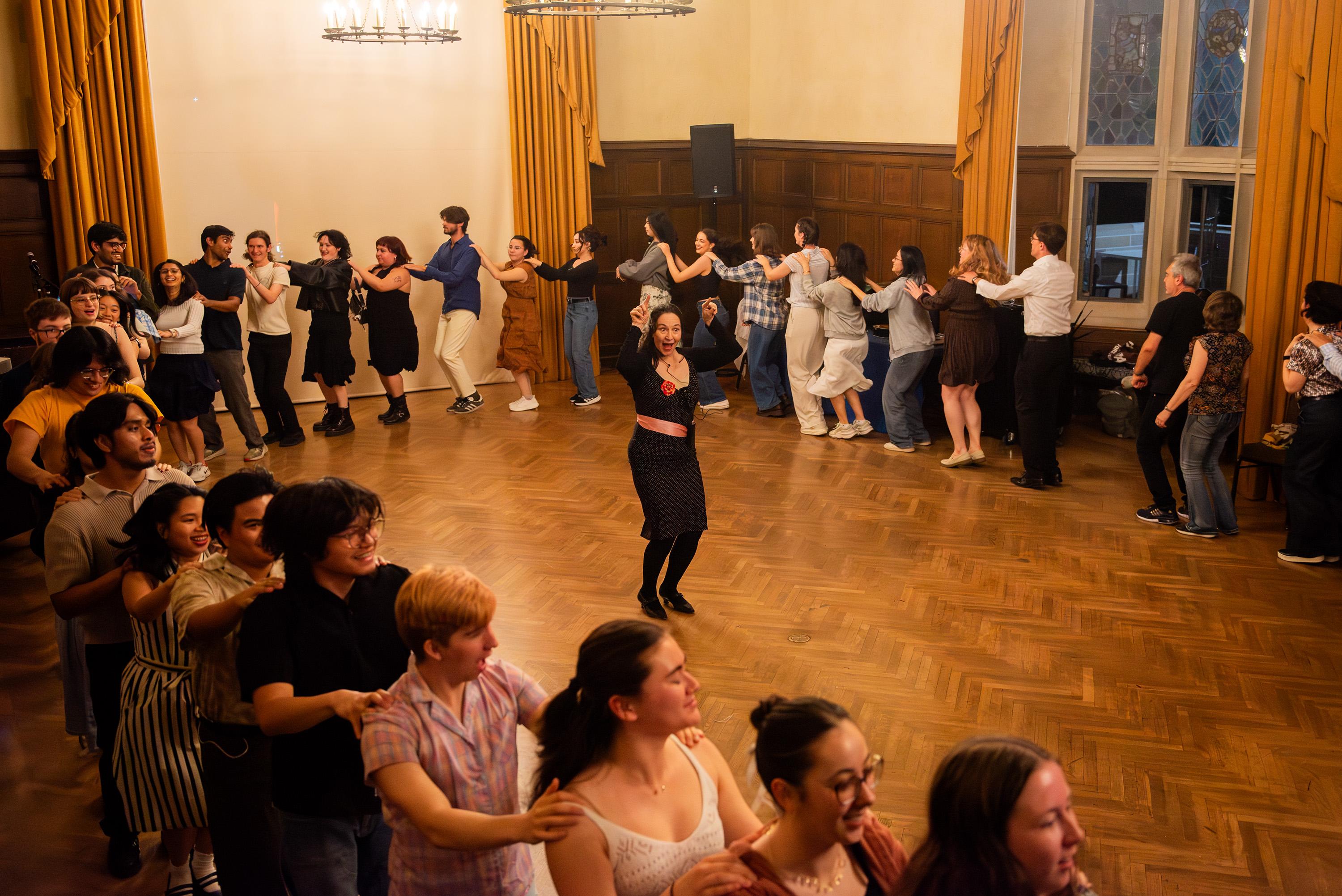
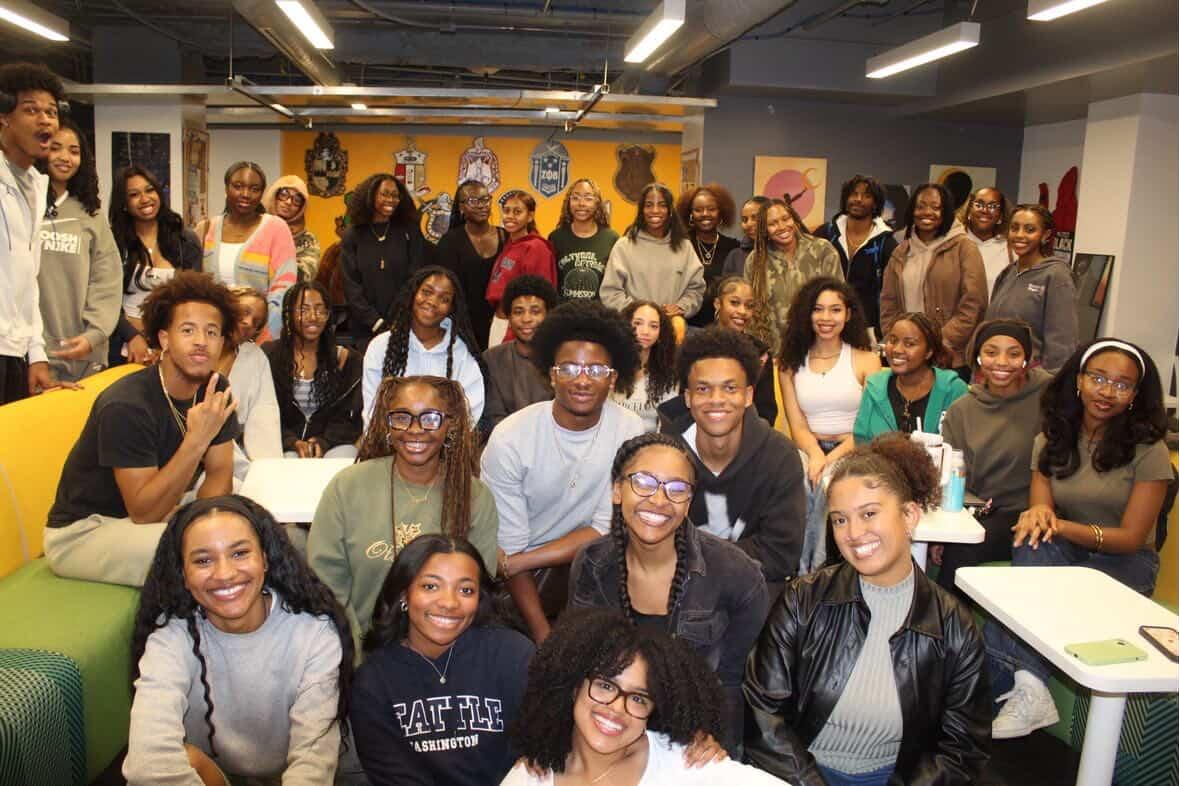
The Salsa Society at UCLA is a social dance club that teaches beginners the basics of salsa and bachata and hosts community events. The student-led organization was founded around 20 years ago and has more than 50 weekly members. The Salsa Society meets every Wednesday at 8 p.m. in Bruin Plaza for an hour of guided instruction and a social hour afterward.
“People come here, and they get off their phones – they’re just talking to people,” said Jasmine Crozier, the club’s president. “It’s a good opportunity to break away from the normal things you do on the day to day.”
Salsa dancing is a style of energetic, improvised dance rooted in Latin American culture and involves performing with a partner over an eight-count beat. It is rhythmic, unchoreographed and traditionally danced over Latin music, Crozier said, although the style can often work with any genre. Salsa is slightly different from bachata, which is inspired by Caribbean culture and involves a slower, more intimate mode of movement, she added. While both styles of dance still fall in the same arena, she added that salsa involves dancers moving forward and backward, whereas bachata prompts dancers to shift from side to side.
[Related: Hip Hop Congress at UCLA ‘edutains’ students on history, culture behind the music]
Crozier, a fourth-year human biology and society student who first joined the club as a first-year, said dancing can be a source of connection for UCLA students. She added that the club offers unique opportunities to meet people at a time when social media and reliance on technology have isolated students. The Salsa Society acts as a third space to fulfill that need, Crozier said.
Elizabeth Perez, the club’s vice president and a third-year psychobiology student, said dancing offered her a way of connecting with her culture. She said while she grew up listening to salsa and bachata music, it was not until she learned to dance to those genres that she started enjoying them on a more personal level. Perez said the weekly ritual was a source of relief from her busy schedule.
“It took me a while to adapt to the quarter system, and every time I would come back to my dorm after a lesson, I would go straight to sleep,” Perez said. “I felt like all my stress was left on the dance floor.”
Crozier said it’s important to create a safe space where people from all backgrounds, especially oppressed groups, can relax together. She added that dance is a universal language, allowing people to connect without speaking.
Leo Soria, the club’s co-chair of fundraising and a fourth-year economics student, compared UCLA to a melting pot and said people from diverse backgrounds can find common ground on the dance floor as they learn together.
“I was just terribly offbeat my first year,” Soria said. “It wasn’t until this year that I’m getting into the flow of things, and now I can learn how to improvise better, plan out the dance and to be a better lead.”
Since last year, the club has collaborated with guest instructors from SoHo Studios Westwood and Dancer University, Soria said. Aside from improving the group’s technical equipment, Soria added that his goal for this year is to bring live bands to future meetings to make the club more social.
Crozier said the fun in dancing is not about being the best competitively but in continuing to learn from one another. The Salsa Society can be both a core part of someone’s personality and a simple evening escape, Soria added. Perez said the club is different from other organizations on campus because it’s not about advanced performance but instead about fostering an inviting space for beginners.
“We didn’t know how to dance when we were born,” Perez said. “We acquired these skills over time, and it’s okay to make a mistake right now because later you’re going to be an expert.”
[Related: Group Persona non grata finds community in welcoming various musicians, sounds]
Perez added that dancing has become a key part of her identity, and the practice acts as a sort of therapy for her.
Above all else, Crozier said she encourages students to take that first step.
“For our generation, I definitely see that we’re very disconnected from one another,” Crozier said. “We do need to bring back more dancing and more connecting with others, even if it brings you out of your comfort zone.”