Zuzana Buřivalová named Pritzker Emerging Environmental Genius Award winner
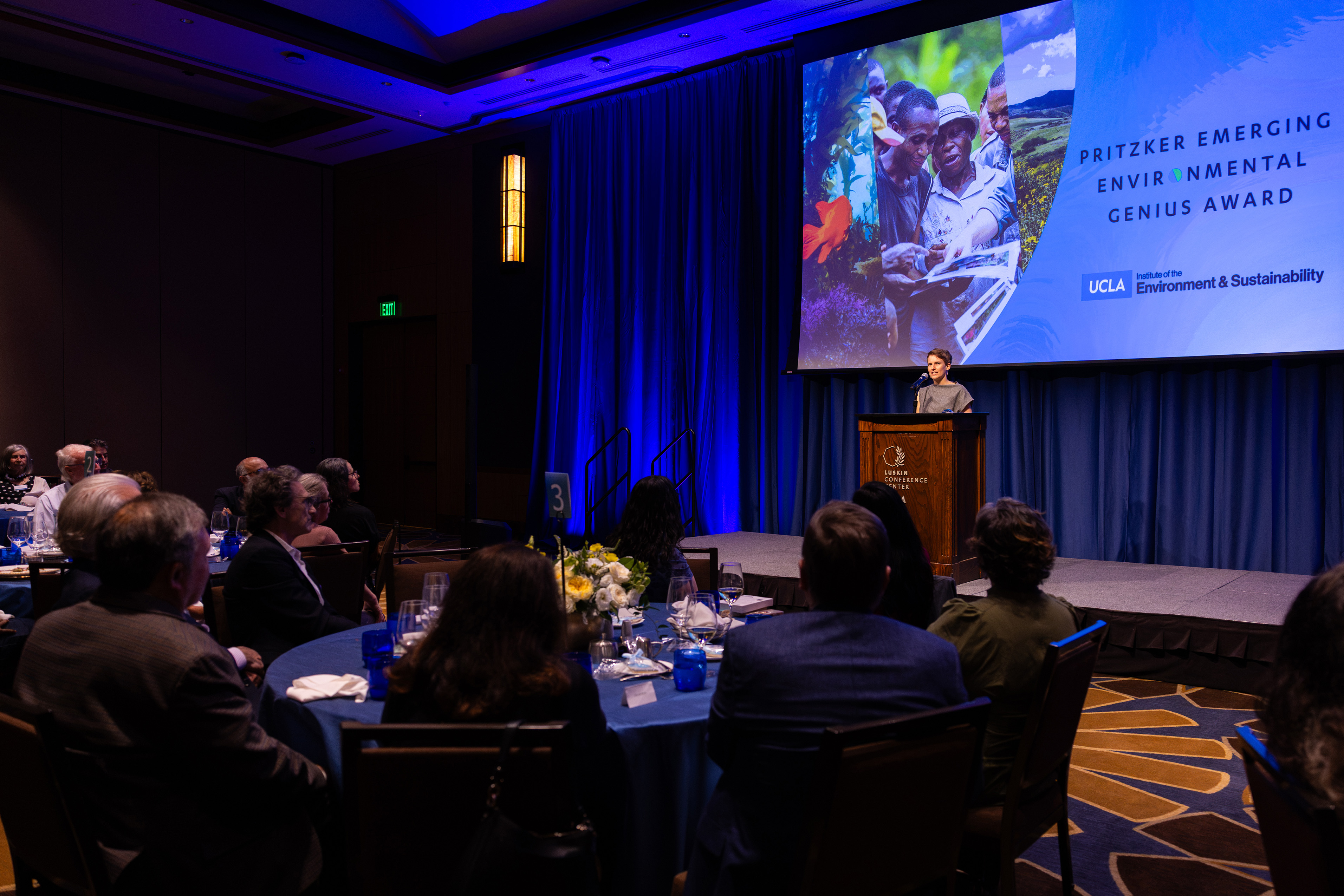
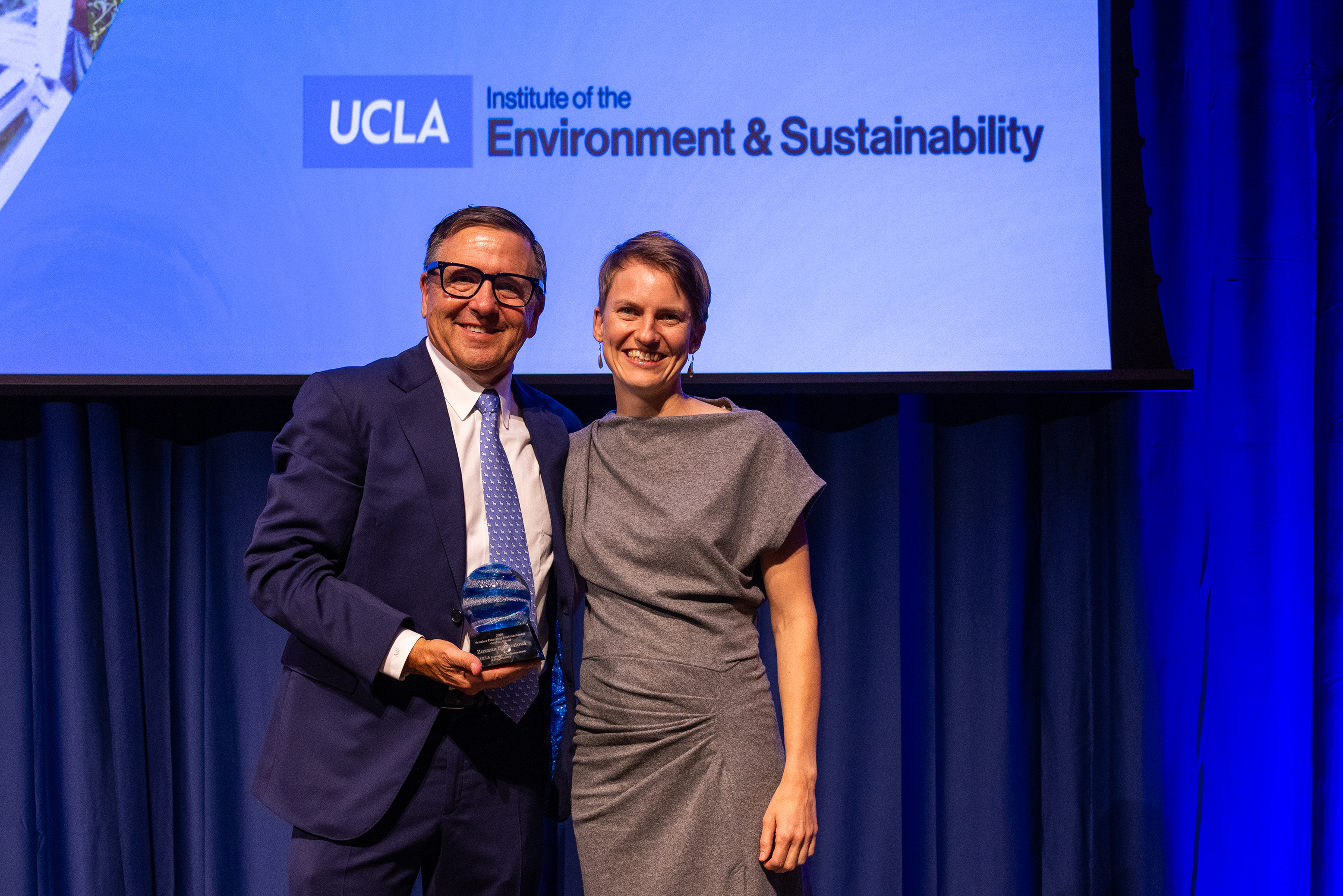
Zuzana Buřivalová, a University of Wisconsin-Madison associate professor and principal investigator of the Sound Forest Lab, won the award and the $100,000 prize. (Courtesy of Alexandra Foley)


The UCLA Institute of the Environment and Sustainability named the winner of the 10th annual Pritzker Emerging Environmental Genius Award on Thursday.
The award – established by the Anthony Pritzker Family Foundation and administered by the institute – recognizes emerging environmental leaders and provides the winner a $100,000 award to help advance their research. Since 2017, the institute has recognized nine winners and 21 finalists from 133 nominees worldwide.
“It is an investment in a person at an important time, perhaps before they have other similar recognitions and resources to do their work,” said Travis Longcore, the institute’s senior associate director. “It found and picked and recognized and lifted up people who were on that trajectory to make real change through their environmental work.”
Zuzana Buřivalová, a University of Wisconsin-Madison associate professor and principal investigator of the Sound Forest Lab, won the award. She uses wildlife monitoring devices to measure the health and diversity of tropical forests.
Buřivalová said the prize money would help alleviate the financial limits of government grants and allow her team to conduct research in Earth’s most remote forests.
“I use technology to basically create a pulse of the forest, and that’s something that I’ve been doing so that conservation can be recountable – can actually show and measure how much biodiversity we have conserved,” she said. “The technology allows me to understand more places at once.”
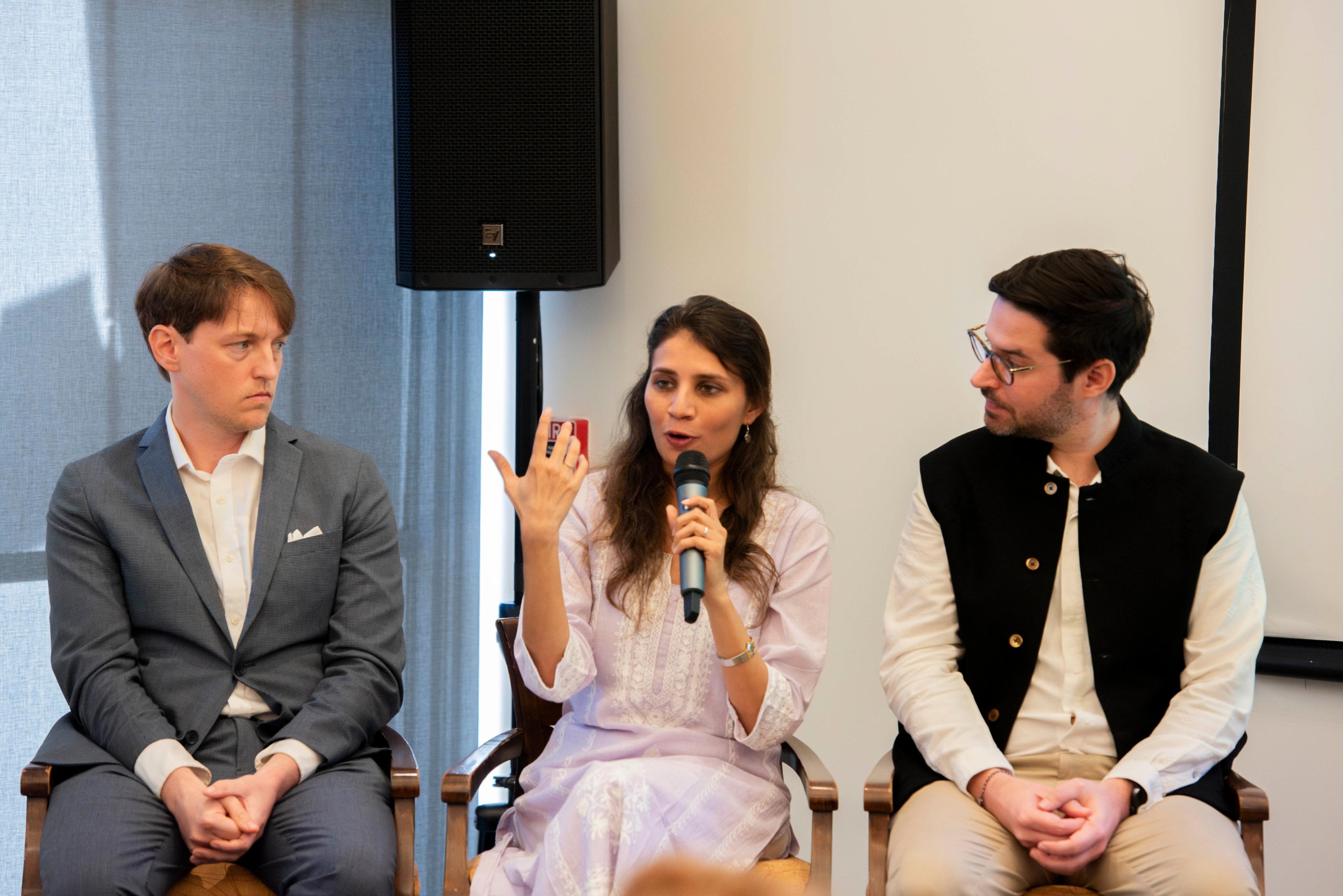
Doris Njagi, founder of Forest Restored, and Suzanne Pierre, founder and executive director of the Critical Ecology Lab, were finalists.
Pierre, a microbial ecologist and soil biogeochemist, said she was grateful to be recognized alongside other experts in conservation and climate change mitigation.
She founded the Critical Ecology Lab in 2020, a nonprofit organization that studies how power and social structures shape the environmental changes that scientists can measure.
A child of immigrants, Pierre said she wanted to explore the impact of climate on both of her parents’ countries.
“We need more opportunities and places where science can be done in the public,” Pierre said. “We need to focus even harder on what we’ve been doing to keep going, to not change course and to show immense continued dedication.”
Joan Chimezie, a doctoral candidate in geography who attended the event for a second year, said she enjoyed hearing fromspeakers who are conducting research locally.
“I’m so happy to be improving the life of the farmers who are at the front line,” Njagi said. “They are the people who are actually helping us with the restoration because, for us to be able to do that restoration, I can’t do it alone – I have to do it with the communities who are actually involved with that.”
The event fostered a space for past finalists, awardees, UCLA faculty and graduate students to acquaint with one another and discuss their respective fields, Longcore said.
As the event closed, Buřivalová encouraged attendees to stay in tune with nature.
“Every forest has its voice,” she said. “Sometimes even you close your eyes and you can learn much more about it.”