UCLA launches digital humanities major, establishes standalone department
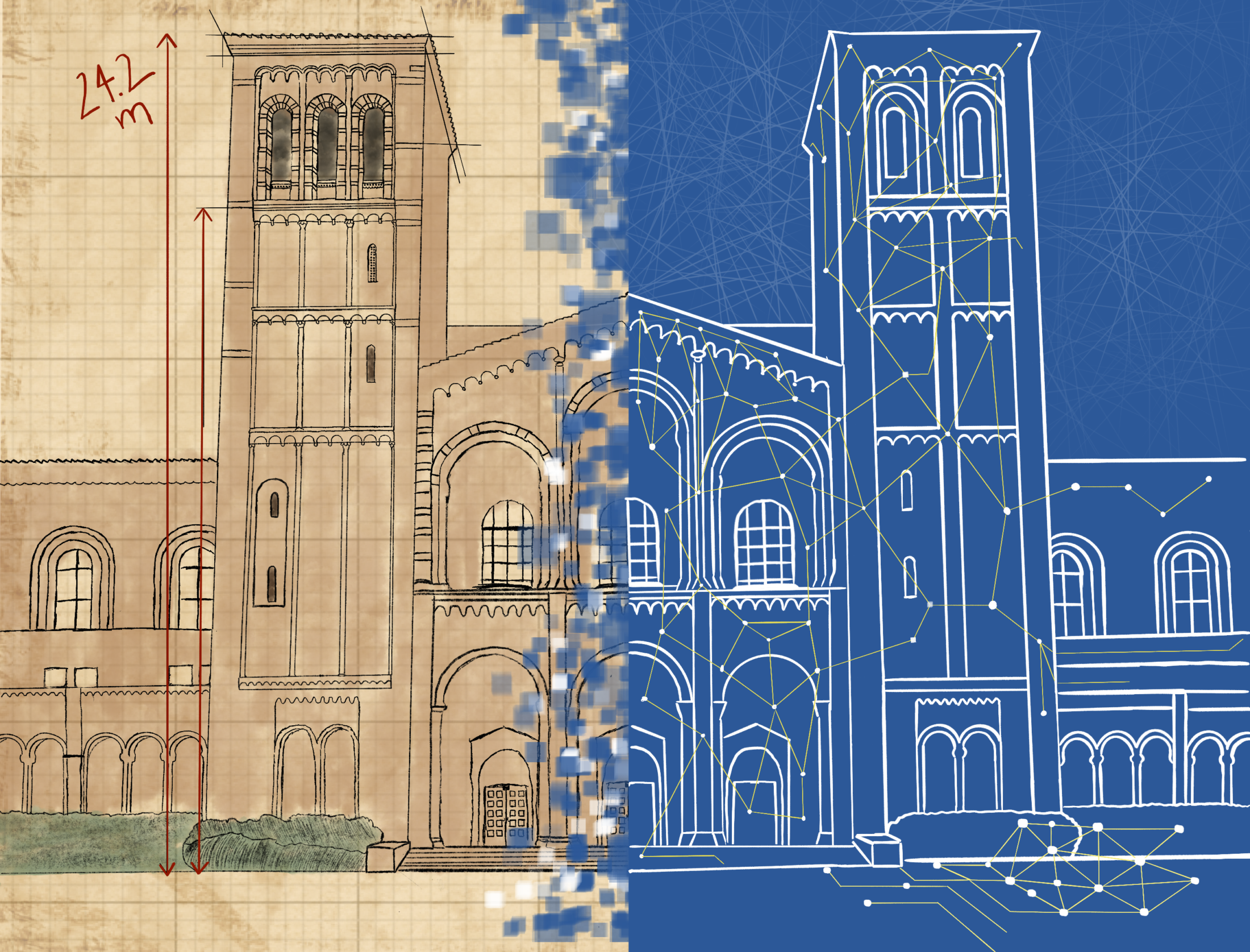
(Nicholas Mouchawar/Daily Bruin senior staff)

By Anna Gu
Sept. 5, 2026 9:41 a.m.
This post was updated Sept. 6 at 9:14 p.m.
UCLA will launch a new digital humanities major this fall, integrating the study of society with technology.
UCLA announced the new department and major Aug. 27 after offering the digital humanities minor for nearly two decades. The department will be the country’s first independent department dedicated to studying digital humanities.
Incoming first-year students and transfers can declare the major starting in fall 2027, and current students can declare the major this fall. Third-year students already in the process of completing the requirements for the digital humanities minor may declare the major by consulting with their student affairs officer, a spokesperson for UCLA Humanities said in an emailed statement.
Students must complete two courses to prepare for the major – one that covers an introduction to humanistic inquiry and another that covers data networks – according to the UCLA Catalog website. Coursework for the major itself consists of 10 classes, including Digital Humanities 101: “Introduction to Digital Humanities,” upper-division classes from the digital humanities or humanities core and a capstone seminar.
The major is exciting for students who want to explore their humanities research interests in a new way, said Benno Herz, an adjunct lecturer within the new department.
“There is no future of the humanities without the digital, so I think embracing that opportunity and thinking about new ways of researching within the humanities is a wonderful opportunity,” Herz said.
Digital humanities is the second-largest minor at UCLA and growing student interest in the field inspired the creation of the new department, according to a UCLA Humanities spokesperson. During the 2025-26 academic year, more than 750 students took a course in digital humanities.
As the world continues to be shaped by computation, the discipline focuses on using digital tools to better understand the field of humanities and the role technology plays in organizing society, according to the UCLA Digital Humanities website.
The department and degree reflect a broader trend among universities nationwide to adapt their curricula to meet the growing demand for artificial intelligence expertise and prepare students for the workforce.
USC’s Viterbi School of Engineering announced its inaugural undergraduate AI degree last year, and Carnegie Mellon University launched its program in 2018.
Jessica Chen, a UCLA alumnus who graduated with the digital humanities minor in 2025, said she enjoyed the independence and customization that the minor offered.
Chen said she plans to draw on her data analysis experience from her digital humanities minor to pursue data-driven jobs.
“A lot of what I did was very creative,” she said. “I got to choose what projects I wanted to do, and a lot of it involved taking data, working with data, learning how to take a lot of data and turn it into valuable information.”
Knowledge of AI is important for students who want to apply for internships in certain fields, said Arushi Parikh, a rising third-year human biology and society student minoring in digital humanities.
“Showing that you have some sort of AI background definitely makes you stand out to recruiters in interviews,” she said. “I’ve definitely been able to leverage that in an interview, showing that I do have an AI background and technical skills through my minor.”
Herz said he encourages students of all backgrounds, regardless of their familiarity with technology or experience in the humanities, to consider pursuing the major.
“Digital humanities has a place for all kinds of scholars and students,” Herz said. “It’s just very exciting because for every student, there is a different approach or a different niche they can carve out for themselves, and I think that’s a wonderful opportunity that maybe other departments or other fields don’t have.”