Navigating the sprawling university campus between courses with portable transit Submit live link


By Classifieds
July 21, 2026 11:13 a.m.
Navigating the sprawling university campus between courses with portable transit
The University of California, Los Angeles, spans 419 acres of rolling hills, historic staircases, and winding pedestrian pathways. Moving from the humanities buildings in North Campus to the engineering and science facilities in South Campus often feels like an exhausting hike. With only fifteen minutes between classes, students have little cushion for trekking nearly a mile through dense crowds. To manage these mandatory journeys without the burden of heavy commuter bicycles or the uncertainty of overcrowded shuttles, many undergraduates are turning to portable transit. A popular choice among students are adult kick scooters at USA Skate Shop, which combine speed with a folding frame that fits neatly under a lecture hall desk.
Bridging the physical gap between distinct academic zones
Leaving an early morning lecture at the Broad Art Center for a section at the Math Sciences building is a notoriously tight transition. The terrain connecting these two hubs involves significant elevation changes and heavy foot traffic near the main student union complex. While traditional bicycles require paved cycling routes and designated parking zones—adding precious minutes to a packed schedule—a push scooter offers much-needed flexibility. Riders can easily navigate pedestrian zones and step off the deck when walkway congestion peaks. Once past the busiest intersections, students can glide down the paved slopes toward the southern medical plaza, turning a stressful twenty-minute cross-campus trek into a swift five-minute transit across the architectural heart of Westwood.
Maneuvering campus regulations and secure indoor storage
UCLA enforces strict guidelines regarding motorized vehicles, electric scooters, and heavy electric skateboards inside campus buildings. Fire safety protocols often prohibit high-capacity battery-powered devices in classrooms, laboratories, dining halls, or residential dormitories. Human-powered transit bypasses these restrictive policies while eliminating the persistent risk of outdoor bicycle theft. Choosing a durable manual model ensures students can legally and safely carry their transit directly into Powell Library during late-night study sessions. The compact, folding design removes the anxiety of arriving at a final exam in Royce Hall only to find every outdoor bike rack already full.
Managing student budgets with affordable transportation alternatives
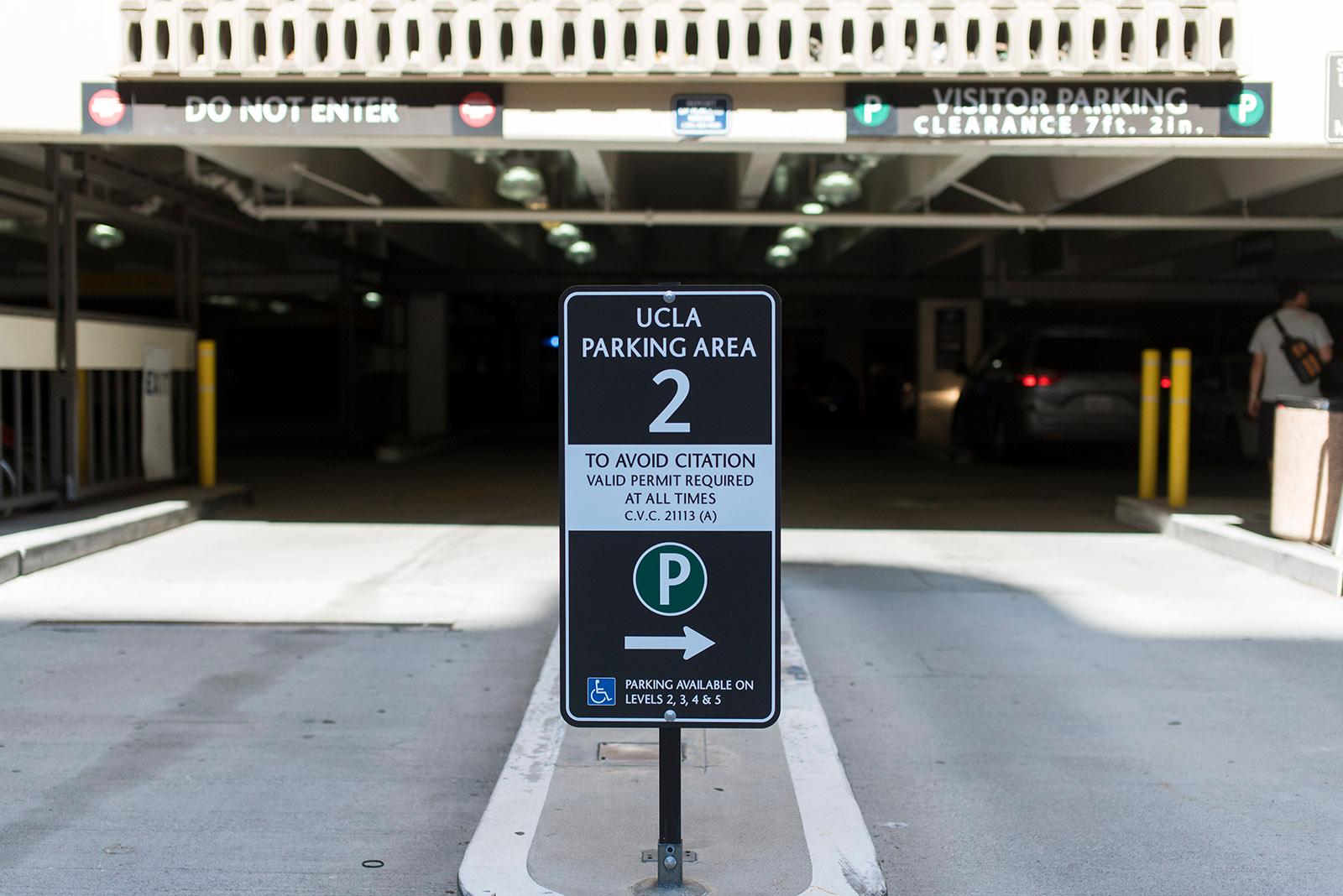
Securing a parking permit near Westwood costs hundreds of dollars each quarter, on top of rising housing rents and expensive course materials. Owning a car also means battling unpredictable Los Angeles traffic and paying for constant maintenance. While electric alternatives come with high retail price tags and the need for daily charging, a manually operated scooter requires virtually zero financial upkeep after the initial purchase. Students can save substantial money each term by relying on physical momentum and using free campus shuttles only for longer trips toward graduate housing. This straightforward approach to daily transit requires nothing more than a functional set of wheels, smooth bearings, and the energy to move efficiently down the steep pathways near the residential hill.
Contributing to an active and environmentally conscious student body
The University of California system has established ambitious sustainability goals aimed at reducing carbon emissions across every public campus over the next decade. Minimizing pollution from local commuting aligns directly with these environmental targets. Opting for a zero-emission method of transport reduces noise and air pollution around crowded university corridors while promoting physical activity between long, sedentary library sessions. The massive daily migration along UCLA’s main pedestrian arteries serves as a reminder that individual mobility choices contribute to a cleaner campus. By adopting these transit methods, students enjoy the benefits of consistent cardiovascular movement while managing the mental pressures of a demanding academic schedule.