SB 79 takes effect, paving the way for more high-density housing in Westwood
(Photo by (Chenrui Zhang/Daily Bruin staff. Illustration by Yejee Kim/Daily Bruin senior staff)

By Jennifer Michel
July 4, 2026 6:28 p.m.
This post was updated July 7 at 5:06 p.m.
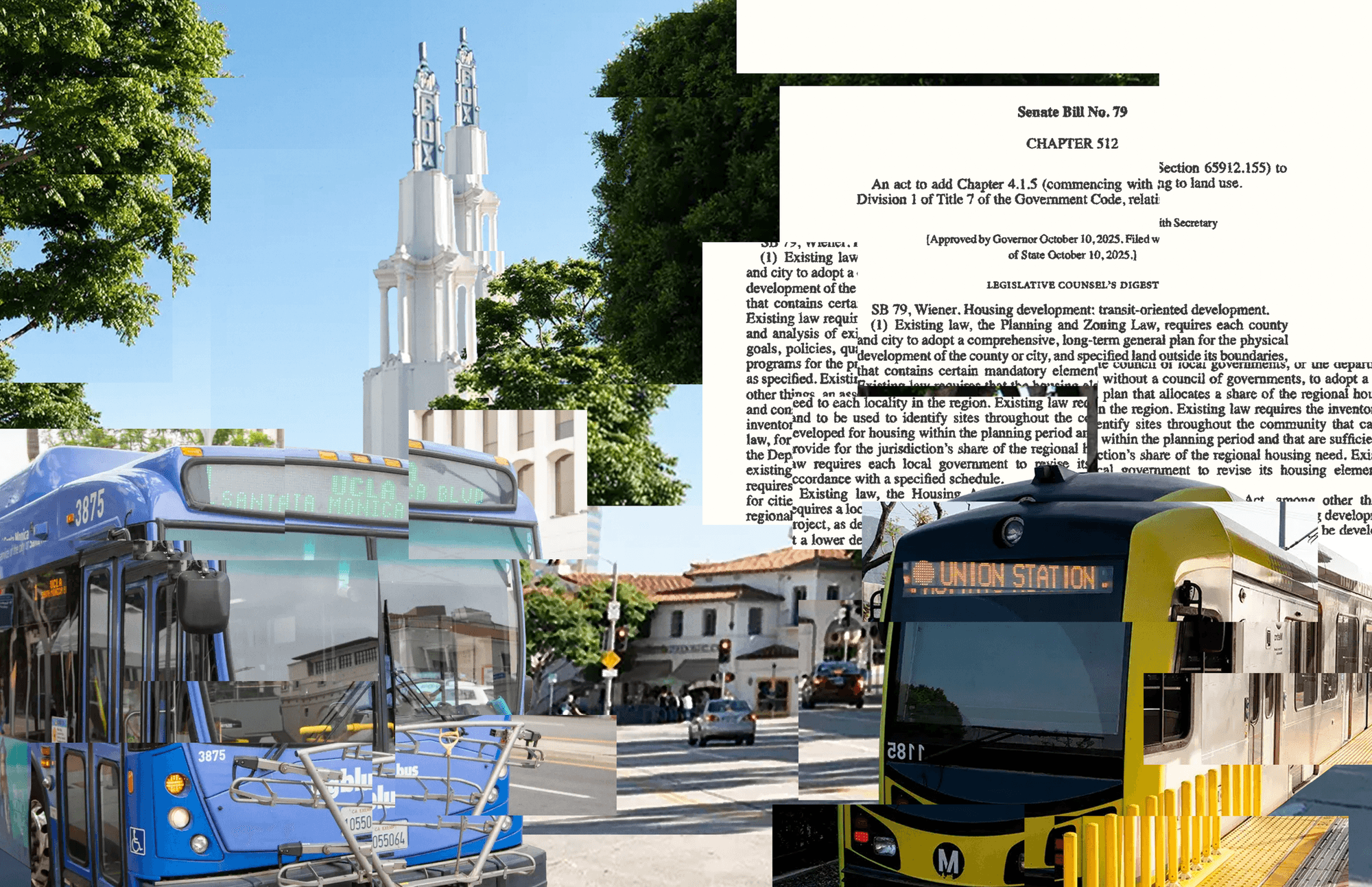
A California law that took effect Wednesday could bring more high-density housing to Westwood by loosening development restrictions around major transit stops.
California Senate Bill 79, signed by Gov. Gavin Newsom in October, overrides local zoning rules for residential, mixed-use or commercial properties to allow for high-density residential development near transit stations. The law identifies different transit stops across the state – either labeled as Tier 1 or Tier 2 – as locations for development.
“Ultimately this is going to contribute to more region-wide affordability as more units come online and as the market adjusts,” said Aaron Barrall, a housing data analyst for the Randall Lewis Housing Initiative, which is housed in the UCLA Lewis Center for Regional Policy Studies.
Tier 1 stops connect to heavy rail transit or very high-frequency commuter rail, and are thus afforded more development rights. Tier 1 developments can reach heights up to 75 feet and densities of 100 to 120 units per acre.
Tier 2 stops are served by light rail transit, high-frequency commuter rail, or bus services. Tier 2 projects are allowed heights up to 65 feet and densities ranging from 80 to 100 units per acre.
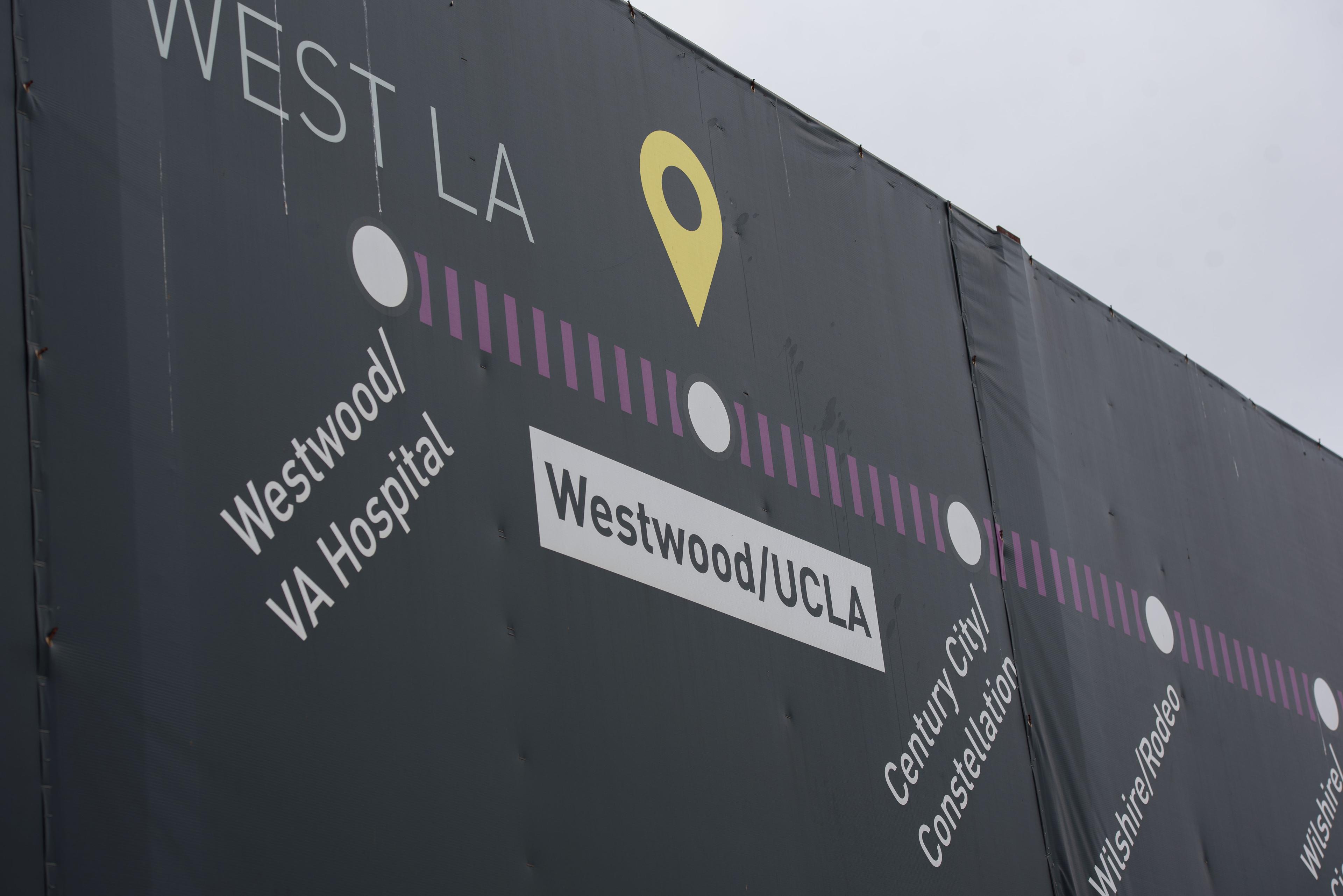
Two Tier 1 transit stations near UCLA, which are part of the Los Angeles Metro D Line and are set to open in 2027, qualify under SB 79, according to a June map from the Southern California Association of Governments. The D Line will connect downtown LA to Westwood.
Source: Southern California Association of Governments. Graphic reporting by Julian Duaybis, Metro editor. Interactive by Bianca Peralta, Data editor.
The qualifying stops include the future Westwood/UCLA station beneath Wilshire Boulevard and between Westwood Boulevard and Veteran Avenue, as well as the future Westwood/VA Hospital station near Wilshire Boulevard and Bonsall Avenue at the West Los Angeles VA Medical Center.
The combination of new housing and transportation in Westwood could make car-free travel easier and reduce carbon emissions, said Jacob Wasserman, a research program manager for the UCLA Institute of Transportation Studies.
[Related: LA Metro connects downtown to Beverly Hills with new D Line subway extension]
However, SB 79 allows cities to delay enforcement until 2030 by submitting alternative housing plans.
In June, the LA City Council unanimously passed the Low-Rise Ordinance, allowing areas near transit stops deemed historically significant, at high risk of fires or low-income to increase their density at a slower rate. The ordinance affects Westwood and surrounding areas, including Sawtelle and Brentwood.
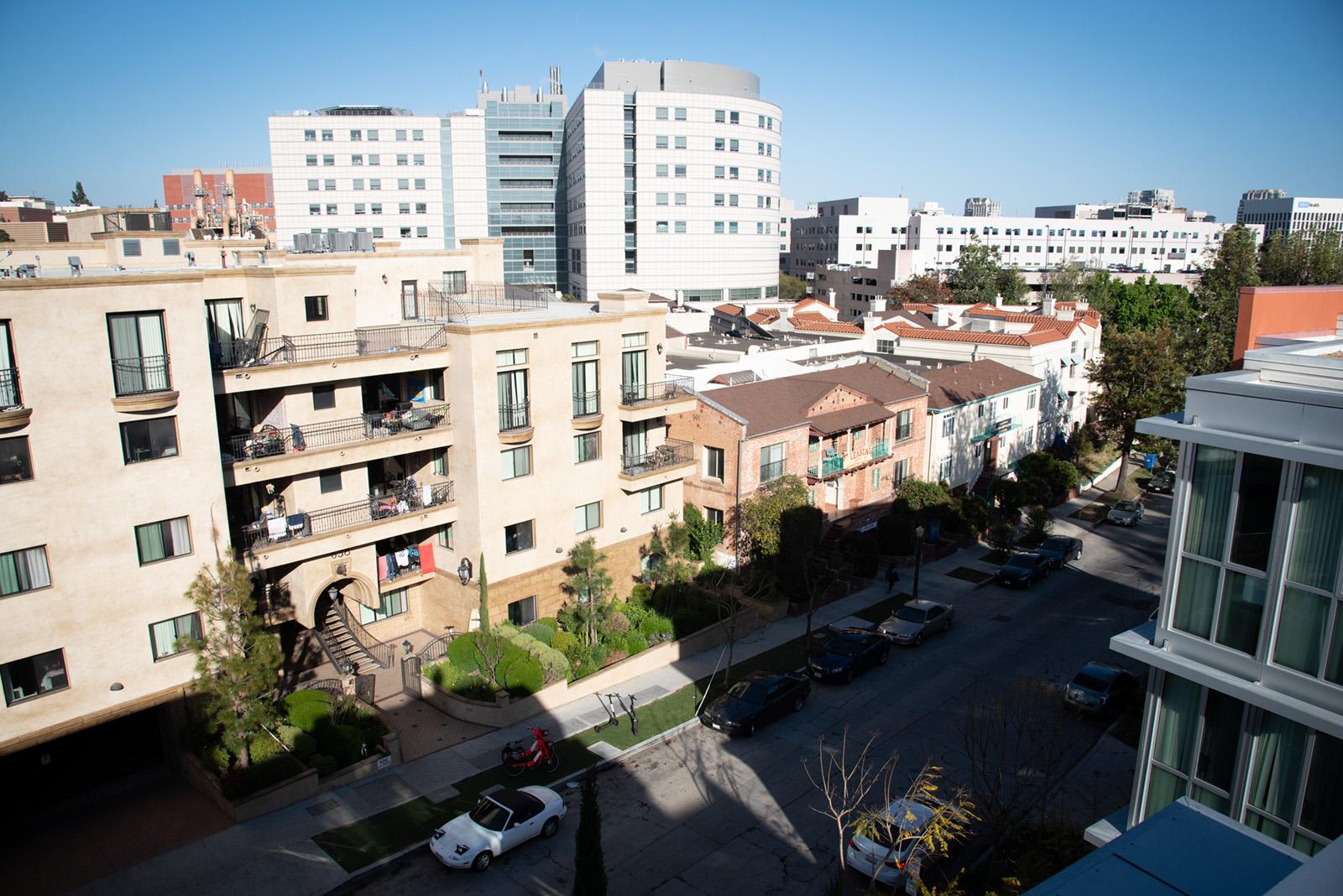
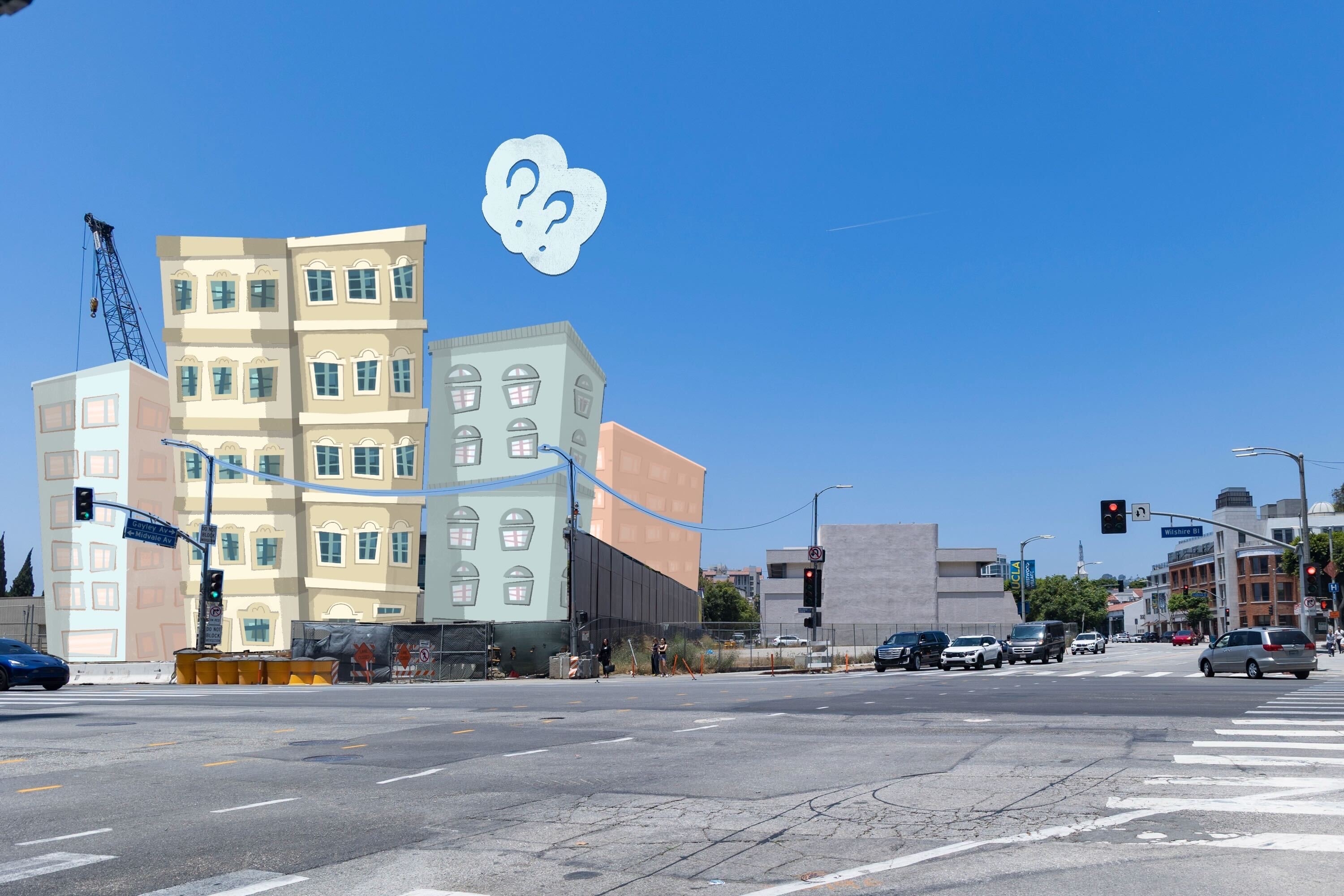
The bill might not be felt immediately because Westwood’s current zoning laws already permit multifamily housing and projects up to four stories in most areas, said Connor Webb, the chair of the North Westwood Neighborhood Council’s Transportation, Environment and Public Space Committee.
Long application, inspection and building processes will likely delay the new developments, Barrall said.
“We will see some project applications come in,” he said. “In general, it’s going to be at least a few years out, just because housing takes a lot of time to build.”
The NWWNC believes the law will positively impact the Westwood community, especially local businesses, Webb said. The council unanimously voted in support of SB 79 at its April 2025 meeting.
“Business owners really understand the importance of density in Westwood, and that if you don’t have people around then it makes it really hard to support businesses in the village,” Webb said. “Getting more students able to live near the village is really important to us.”
While new units may not immediately bring down housing costs in Westwood, having more options contributes to greater regionwide affordability, Barrall said. The average monthly rental price for an apartment in Westwood is $3,691, more than one thousand dollars higher than the California average, according to RentCafe.
“The most important thing about this bill is that it’s addressing what is frankly a housing crisis,” Webb said. “It’s addressing that in the most sustainable way possible and in a way that will ultimately make our communities more livable and more enjoyable.”