Higher minimum wage offers some relief amid California’s rising cost of living
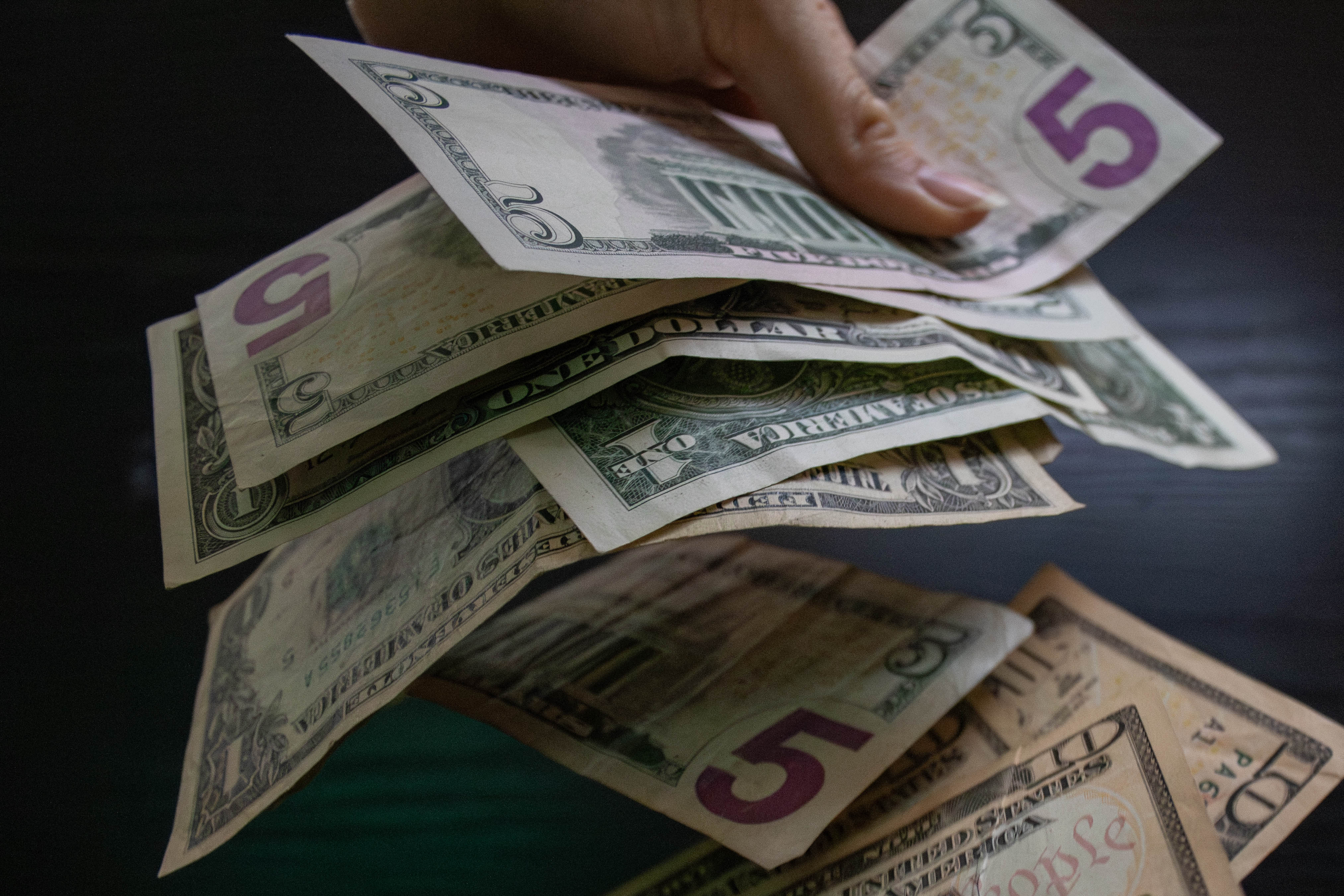
A photo illustration of a hand holding money. California’s minimum wage increased Jan. 1, and Los Angeles is set to increase its minimum wage to $18.42 July 1. (Crystal Tompkins/Daily Bruin senior staff)

By Izzy Becker
June 25, 2026 4:01 p.m.
Anneliese Fiegl, a senior student supervisor at Kerckhoff Coffeehouse, uses most of her earnings to pay for tuition and educational expenses.
The rising third-year biochemistry student earns $20.75 per hour overseeing other employees for around 10 hours each week. She said while she believes ASUCLA generally pays students fairly given its flexibility around class schedules, she thinks California’s minimum wage increase is important because of the high cost of living in Los Angeles.
California increased its minimum wage to $16.90 on Jan. 1, and LA’s minimum wage will increase to $18.42 on July 1. They previously stood at $16.50 and $17.87, respectively.
California residential electricity rates were more than 80% higher than the national average in 2024, and grocery bills per week are about $28 more than the United States average of $270, according to data compiled by the Public Policy Institute of California and CBS News.
Chris Tilly, a professor of sociology and urban planning, said California’s annual minimum wage increases are designed to keep pace with the state’s rising living expenses, rather than give Californians more purchasing power.
California lawmakers calculate adjustments to the state’s minimum wage through the Consumer Price Index, which measures changes in the costs of everyday goods and services, Tilly said. The metric tracks the retail prices of thousands of products and places more emphasis on items that make up a larger share of household spending.
However, he added that the state’s current cost-of-living adjustment is not enough to reduce poverty and slow wage growth.
“If you had a dramatic increase in the minimum wage, that could potentially lift people above those thresholds,” Tilly said. “But that’s not what’s currently happening in California.”
While minimum wage boosts could cause employers to cut workers’ hours, higher pay can increase worker productivity, Tilly said. He added that minimum wage increases do not impact employment much overall, but small businesses often still struggle because they are forced to pay raised rates.
Businesses that rely on in-person service, such as restaurants, are unlikely to move out of California in response to minimum wage increases because they depend on local customers, Tilly said.
Victor Narro, a project director for the UCLA Labor Center, a research institute focused on advocating for workers’ rights, said Black and immigrant workers – including undocumented people – make up much of the workforce in LA’s car wash and garment industries, where low wages and hour violations are common.
“Undocumented immigrants go through another layer of exploitation in the workplace because of their immigration status,” Narro said. “But they also go through this, too, when they try to rent apartments.”
People cannot afford high-quality housing in LA at the current minimum wage, Narro said. Renters need to earn $49.98 per hour, nearly three times the current minimum wage, to afford the average monthly asking rent of $2,599, according to the LA County 2026 Affordable Housing Needs Report.
Narro added that this is especially tough for UCLA students who are searching for housing.
The housing crisis contributes to wage-related issues, as many LA-based workers spend more than half of their income on rent, Narro said.
“A lot of workers that work in the city of LA live 30 or 40 miles away,” he said. “They contribute to LA’s economy, but they cannot live in the city.”
Fiegl said she supports the minimum wage increase because it could help offset some of the financial pressures that students face in LA.
“I do think the increase is good,” she said. “There’s so many different fees and expenses that we have.”