UCLA lecturers allege salaries are not enough to make ends meet
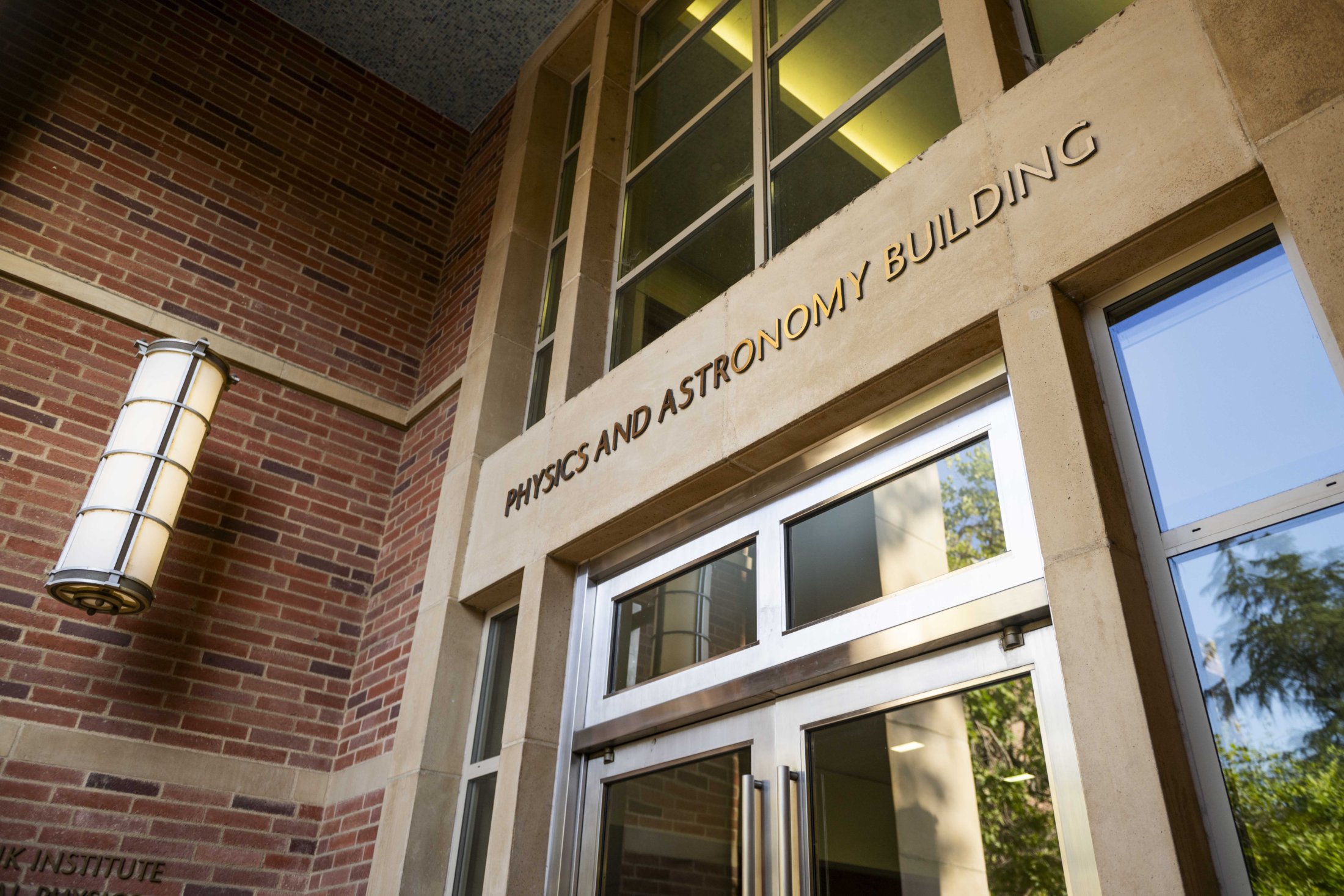
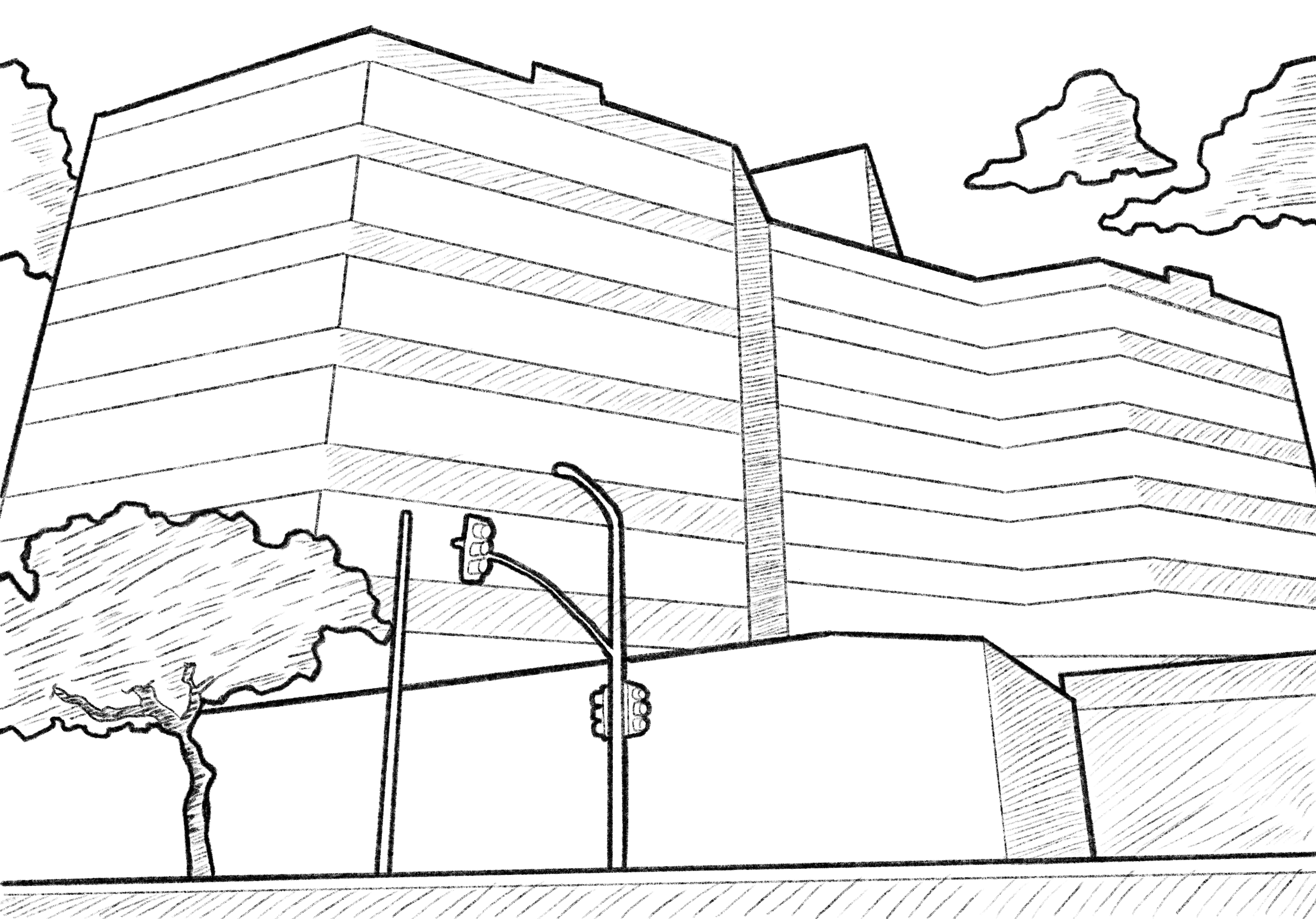
The Physics and Astronomy Building is pictured. Physics lecturer Daniel McKeown went viral on Instagram for alleging that UCLA lecturers are not paid enough to make ends meet. (Andrew Ramiro Diaz/Photo editor)


A physics lecturer went viral in fall 2024 after claiming in Instagram videos that he could not afford to live in Los Angeles on his UCLA salary.
Two years later, the lecturer’s videos have received hundreds of thousands of views. Despite his reach on social media, UCLA lecturers have alleged their pay is still too low to make ends meet.
“When you deal with the betrayal of realizing you’ve worked so hard for something and you’re not being paid fairly, that’s a crushing blow,” said Daniel McKeown, who has 137,000 followers on Instagram. “You can work hard, get a top-notch education, give it your all and you can still not get paid enough to even pay your monthly bills.”
McKeown’s first-year salary of $66,000 was not enough to keep up with high rent prices in LA, he alleged. LA County’s median rent was $2,035 monthly in December 2025, according to the Los Angeles Times.
McKeown added that other fixed expenses – including insulin to treat his Type 1 diabetes – is how he had to use the money he had left after paying rent. And after paying those bills, McKeown said he also had $180,000 in student loan debt.
McKeown said he enjoyed teaching at UCLA and creating memorable educational experiences for his students. But, behind closed doors, he said he struggled with financial anxiety.
While tenured or tenure-track professors hold full-time, permanent appointments, lecturers are contract-based, often on a year-by-year basis – leaving them with limited job security.
David Bauer, another lecturer in the physics and astronomy department, alleged that annual salary increases have not kept up with rising inflation.
Katie Rodger, the University Council-American Federation of Teachers president and a continuing lecturer at UC Davis, said lecturers’ contracts are renewed every 18 academic quarters, in which salary negotiations can occur.
However, unions have limited power to fight for disputes about pay, Rodger said. Union contracts are considered closed during the course of the contract, which limits the union’s ability to make any changes, she said.
Michael Burns, a part-time computer science lecturer, said his job in the technology industry supports him financially. However, he said he continues to work at UCLA because he is passionate about teaching. Burns received a little over $4,000 in 2024 for a course he co-teaches once a year with three other lecturers, according to the UC Annual Wage Database.
Lecturers often feel undervalued because of the low pay and lack of job security, said John Branstetter, a lecturer in political science. Branstetter added that he teaches online classes on the weekend for an education company and serves as vice president for his unit of UC-AFT, which helps financially support him.
UCLA paid Branstetter $67,939 and $82,714 in 2022 and 2023, respectively, according to the UC Annual Wage Database, for teaching full time.
“We don’t have any impact on the standards for academic practice,” he said. “We don’t get to participate in curriculum development, even though we’re the ones who do the majority of the teaching.”
UCLA Media Relations declined to comment on questions pertaining to UCLA lecturer salaries.
McKeown said he raised concerns about his salary to administrators several times in 2024. He alleged that Per Kraus, the vice chair of academic affairs for the physics and astronomy department, encouraged him to look for a second job at a nearby community college to make ends meet.
Kraus declined to comment.
McKeown said he was embarrassed by the idea of holding a doctoral degree without having a stable place to live.
McKeown later moved his fall 2024 class online, alleging that he could not afford to live in LA. The physics and astronomy department asked in emails reviewed by the Daily Bruin that McKeown move his class back in-person immediately.
Instructors cannot hold more than half of a class’s sessions online without prior approval from the Academic Senate, according to the UCLA Undergraduate Distance Education Policy.
McKeown said he decided to return to UCLA as a lecturer in fall 2025, having a lower salary due to teaching fewer classes. To better support himself, McKeown began working a private sector job, which he said pays significantly more than his work at UCLA.
However, McKeown said he is still advocating for higher pay.
“The reason I decided to come back is twofold,” McKeown said. “Number one, I love teaching physics, I’m passionate about physics, and my physics research as well. The second reason I came back is because I want to continue to fight for fair pay, and I am fighting [UCLA] legally.”