Opinion: Music is a powerful tool for processing emotions in fast-paced lives
(Britany Andres/Daily Bruin staff)

By Ayla Knorr
June 3, 2026 2:27 p.m.
This post was updated June 4 at 4:00 p.m.
Music has always captivated me. I constantly gravitate toward outlandish noises in songs and in my day-to-day surroundings.
I used to push these myriad noises to the back of my mind, along with big feelings and thoughts that kept screaming, “I am too much.” Then one day, I opened GarageBand instead.
GarageBand’s software collected my attention-deficit/hyperactivity disorder symptoms into messy yet satisfying notes. I went to class and came home to my microphone and MIDI keyboard.
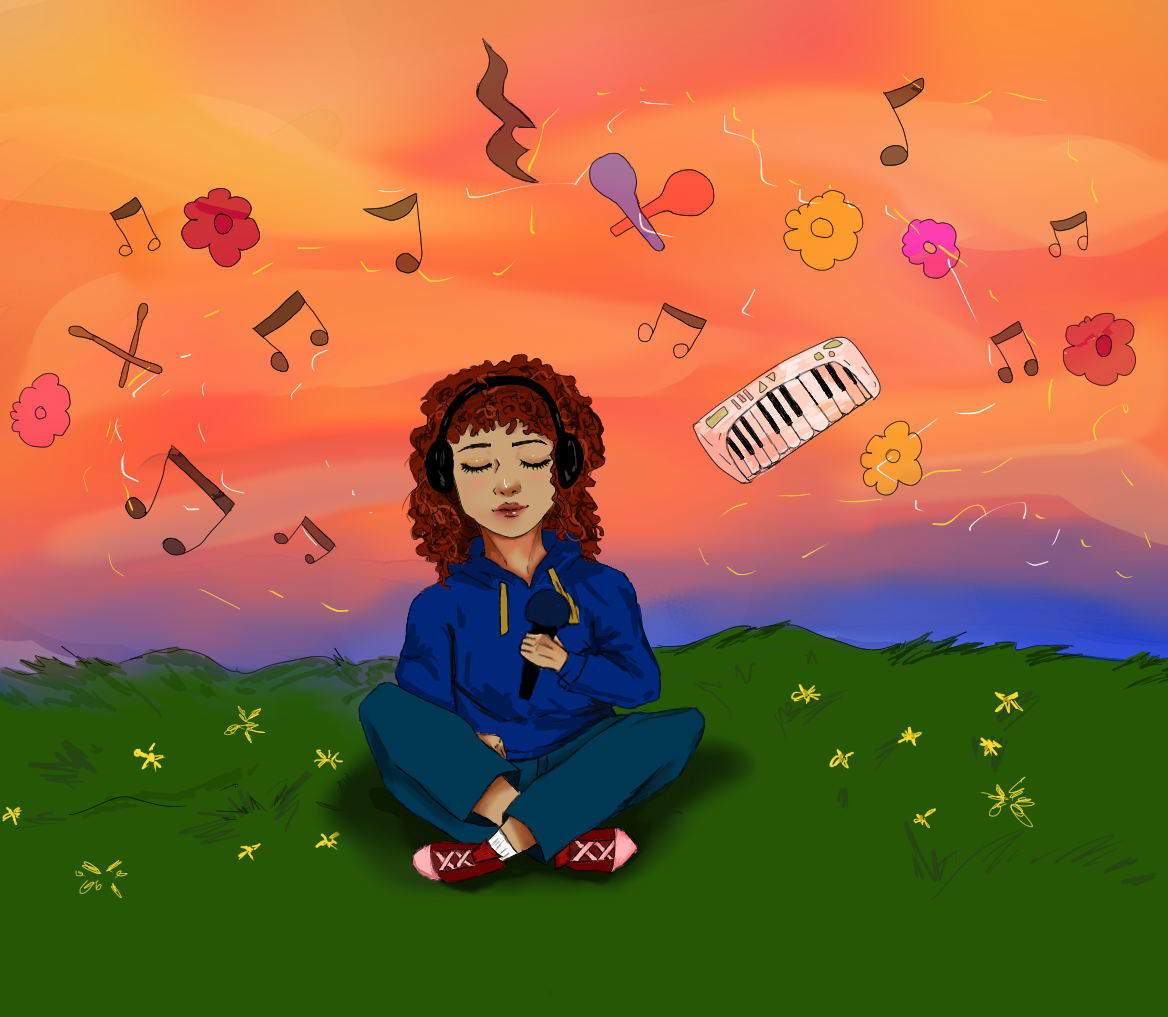
Music creation is now my main coping instrument.
For many students navigating the pressures of rigorous academics, overstimulation and ADHD-related challenges, music can be much more than entertainment. It can act as a source of solace. Whether through creating or listening, students should turn to music for much-needed relief in their fast-paced lives.
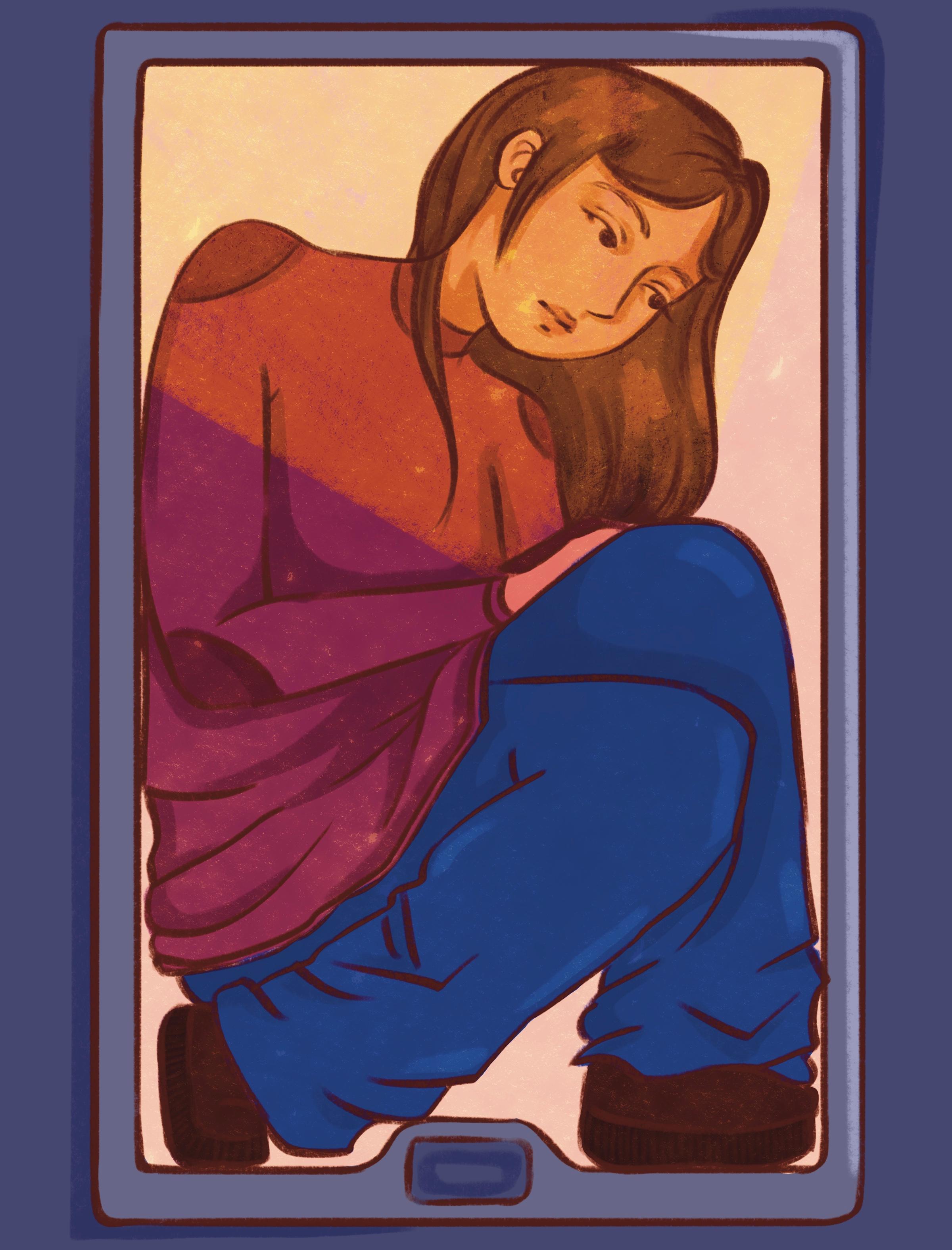
ADHD can feel like a constant overflow of thoughts, ideas and emotions competing for attention. It can seem like your brain is constantly producing something, but nothing ever fully lands.
Thankfully, music production doesn’t require a quiet mind. It thrives on an active one – one brimming with stormy, dazzling thoughts.
Hyperfocus becomes an asset in creative work. Hours pass without me noticing. I’ll spend an endless amount of time adjusting a single sound or building out a small section of a track. Instead of feeling like I wasted time, I come out with something tangible I built from the ground up.
Students can find many comforts within the world of sound.
Leo Kitaen, a second-year Chinese language and culture and global studies student who plays and composes music, said music is a way of expressing emotions that might otherwise remain buried. He added that he sometimes communicates through music performance.
In high school, Kitaen said he asked people he was romantically interested in for their favorite songs and tried to learn them on the piano.
“Instead of trying to flirt, I would just do that because I was too scared to talk to them,” Kitaen said. “It would express the words I was too scared to say.”
Music gives a voice to feelings that might otherwise remain unspoken. It becomes a meaningful way to communicate your thoughts to the world.
Ella Gibson, a third-year music industry student and singer-songwriter, said songwriting is a judgment-free space where she can unwind.
“It can be a really nice way to explore emotions that you might not have fully touched on yet,” Gibson said.
Through songwriting, emotions that once felt vague or difficult to articulate can suddenly become clearer. The creative process can uncover feelings people may not even realize they have been carrying.
The moment something internal becomes understood is why music can be so potent.
Bryce Fleming, a fourth-year music industry student and singer-songwriter, said songwriting allows her to process emotions in ways ordinary conversation cannot.
“I can always find new ways to express how I’m feeling,” Fleming said. “It feels sometimes like I genuinely can find answers.”
When I’m producing, I’m not trying to fix my mental state. I’m translating it.
A restless mind becomes rhythm. Overthinking becomes layering. Even frustration can push a track somewhere new, force a change and create momentum. The process doesn’t erase anxiety or heavy thoughts but redirects them into something that feels purposeful instead of paralyzing.
That kind of creative release is not limited to trained musicians. Diving into software like GarageBand will challenge the belief that students need musical training to benefit from music.
You don’t. I didn’t.
I started with a laptop, my voice and a mind full of thoughts that wouldn’t mellow out.
Conversations around ADHD often focus on symptom management. But there’s also value in finding spaces where traits such as hyperactivity, hyperfocus, emotional intensity and racing thoughts can be channeled instead of suppressed. Students can find that place in music.
Fleming said students who are interested in music should create without fear or embarrassment.
“You just have to be unapologetically you,” she said.
Music doesn’t ask for silence. It doesn’t demand linearity. It meets the chaos halfway and turns it into something tangible you can hear, hold and share.