Opinion: UCLA must teach students how to use AI as proper tool for learning

A notebook, glasses, school supplies and a computer with ChatGPT open are pictured. Columnist Tenley Hill argues UCLA should teach students how to use AI to support their education. (Daily Bruin file photo)

By Tenley Hill
April 16, 2026 11:17 a.m.
This post was updated April 21 at 7:32 p.m.
I opened my laptop, stared at a problem I didn’t understand and did what most students at UCLA probably wouldn’t admit to doing.
I opened ChatGPT.
Not to copy or cheat, but to understand.
I asked it to explain the concept in three different ways. I asked it to quiz me. I asked where I might be going wrong.
Within minutes, the topic that felt impossible moments before started to click. But in most UCLA classrooms, this method would be considered an academic violation.
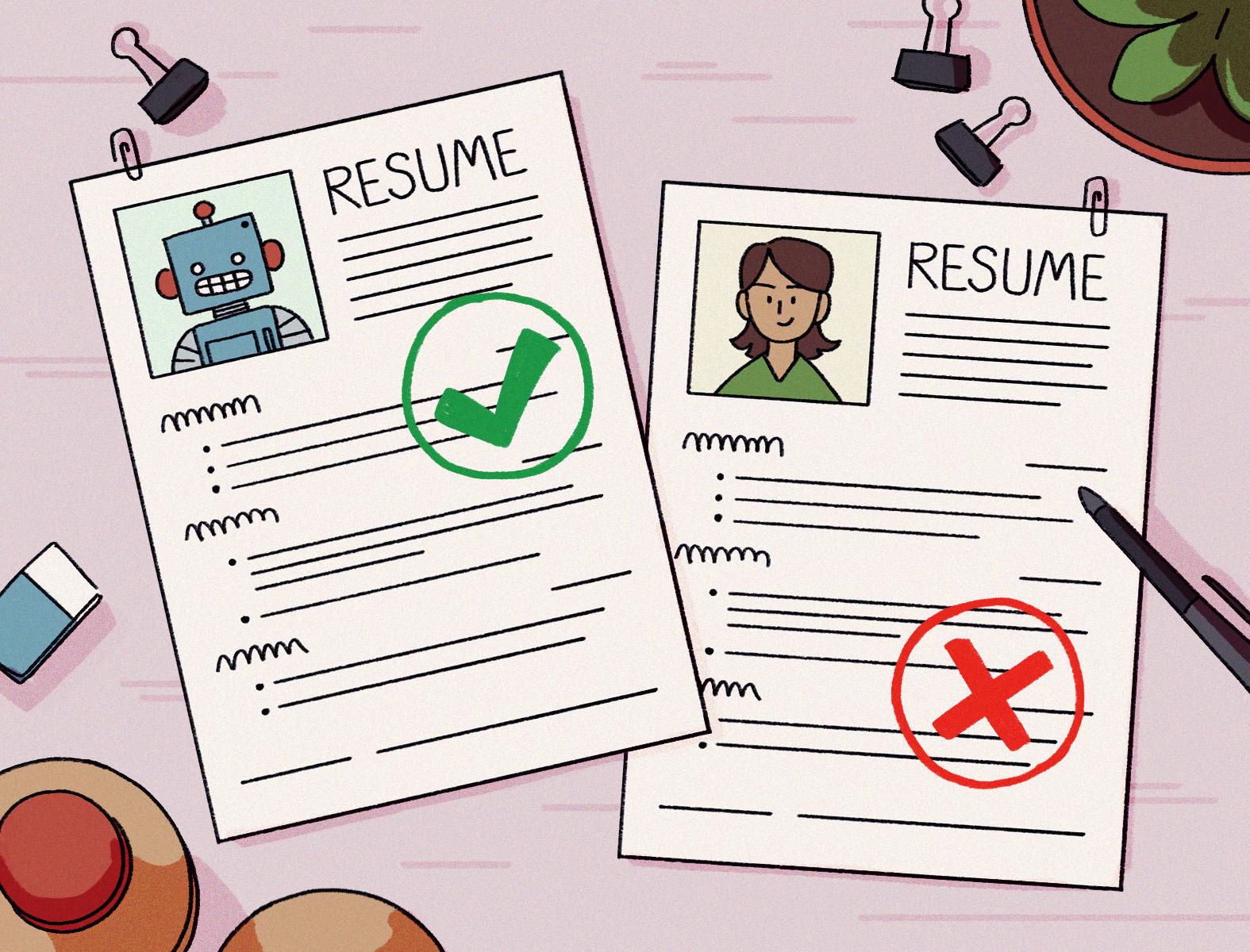
The academic world often frames the use of artificial intelligence as a lazy shortcut as opposed to real learning. But knowing how to effectively use AI doesn’t make a student less capable, it makes them more competitive. By limiting or outright restricting AI use, UCLA risks leaving students unprepared to enter a workforce that expects AI literacy.
“AI should not be banned,” said Achuta Kadambi, an associate professor of electrical and computer engineering and computer science. “I think that’s not reflective of the workplace that you’re training for.”
Kadambi’s concerns reflect a growing disconnect between the classroom and technology. While AI tools are rapidly becoming standard in the professional world, students are often discouraged from engaging with them academically.
But prompting, refining and directing AI is not a shortcut. It is a skill.
Students are already using AI, regardless of policy. The real importance lies in how they’re using it. The students who use AI well focus on learning the process behind an answer rather than copying it, said Allie Bieser, a first-year civil engineering student.
“Especially if they’re really confused in the material, it would be helpful for them to know they have a resource there that will answer any of their questions and guide them,” she added.
This distinction between passive use and active engagement is what universities should be teaching.
Still, not all educators are convinced.
“I’m very concerned ethically and legally about these products,” said Julia Powles, the executive director of the UCLA Institute for Technology, Law & Policy.
Her concerns are not unfounded. AI raises real issues around misinformation, environmental impact and the use of uncredited data. Ignoring those risks would be irresponsible.
[Related: Green in the Blue and Gold: AI holds frightening future for environmental health]
But avoiding the technology altogether is misguided. It does not address these challenges. Instead, it prevents students from developing the necessary judgments needed to assess AI’s limitations and biases.
“I think it’s imperative that educators, if they allow the use of AI tools in the classroom, that they also ensure that students are trained in how to use them and how to think critically about them,” Powles added.
Even so, she remains cautious about how these tools are used in academic settings. She drew on a metaphor from a New Yorker article by Ted Chiang, a leading science fiction writer, likening AI use in academics to bringing a forklift into a gym.
“You can bench a tremendous amount of weight, but you’re not actually getting stronger,” she said.
It’s a compelling analogy, but it’s incomplete.
Using AI as an easy alternative to working might weaken learning, but using AI well looks less like a forklift and more like a personal trainer.
A good trainer doesn’t do the work for you. They guide you, challenge you and help you understand your weaknesses. AI can push students to think critically, if they know how to use it correctly.
Anyone can use AI – but not everyone can use it well.
UCLA needs to help students learn the difference. The future won’t belong to the students with the right answers. It will belong to the ones asking the right questions.